How to excel at Internet marketing- Mike Moran: Digital Marketing Author and Professional Speaker
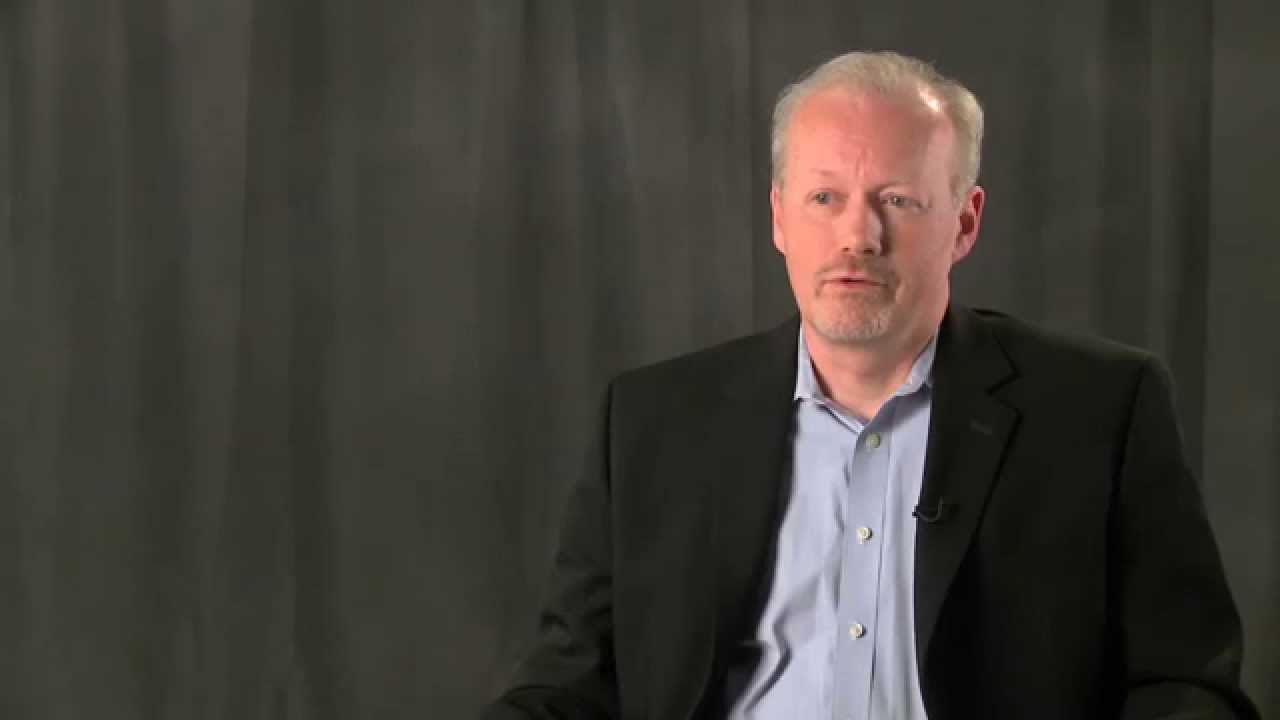
Mike Moran argues that internet marketing success requires curiosity, humility, and rapid experimentation. He calls the approach "Do It Quickly Wrong": pick one tactic, execute it fast, measure what happens, and iterate. Marketing fundamentals matter more than technology, and the fear of not changing should outweigh the fear of trying new things.
Chapters
I don't know that anybody knows what you have to do to excel at internet marketing. And the reason, the reason I say that is because I'm allegedly an expert in internet marketing and I know I don't know anything. And that's actually the secret, is to act like you don't know anything. And the reason I say that is that If you ever did figure out everything that you needed to know about internet marketing, just wait 10 minutes and it'll change. And so the thing you really need is a lot of curiosity. You need to understand that internet marketing is more about marketing than about the internet. And so even though we spend a lot of time thinking about, oh, this changed and that changed, oh, and there's a new technology, oh, Google did this, and we spend all of our time focusing on the technology, the truth is that that's not where the focus belongs. What you have to really think about is what marketing you need to do. And then, just as if you were doing traditional marketing, you wouldn't do everything in the digital marketing playbook. There's no company that prints a brochure to bring to the trade show and puts up a billboard on Route 128. They're not the same kinds of things. And so in digital marketing, there's a long list of stuff that people want to get you to do. The truth is that you have to think about what your company's strategy is and then figure out how digital marketing and other kinds of marketing fit into that strategy. Agile marketing is really experimental marketing. It's kind of a new term. Back in 2007 when I wrote my book, Do It Wrong Quickly, they didn't really talk about agile marketing. I hadn't thought of that word yet. So what I was trying to get people to understand was I wasn't trying to get them to do things wrong. I mean, if you're anything like me, you can do that without anybody helping you. But what I was trying to do is to get people to understand that most of what we do actually is wrong. It's, it's really not the best. If we'd had 3 more tries at it, it would have been better. And with traditional marketing, you don't get 3 tries. Once you make the commercial, it's made. And if it turns out it was really terrible, you're stuck airing it for the next 2 months anyway because you don't have enough money to do anything else. But with internet marketing, you don't have to worry about that. Agile marketing allows you to do something, to try something, to see how it works, and if it works really well, that's great, you can keep doing it. But usually it doesn't. Usually it doesn't work that well at all, and you gotta change it and change it and change it and keep trying until something starts to work. A lot of the companies on the internet, like Amazon.com and Google, this is how they do everything. So Amazon can change a font at breakfast, and by noon they know whether it was a good idea or not. They know that because They're constantly looking to see what customers are doing. Are they clicking on it more? Are they buying more? Once they understand those kinds of things, then they know what's working and what isn't. And you can apply this to almost any kind of digital marketing. And agile marketing is the way to really do things quickly and to do them correctly. Experimentation is really the key. And when you, when you want to know what kinds of experiments should I run, the answer is what kinds shouldn't you run? You should change almost everything. So if you think about a website and you think about how websites typically work, what we do is we have this really grand design and we're constantly spending all this time saying, okay, we're going to have a 9-month project and we're going to redesign the whole website. And look at it, it's all done, it looks great, aren't we happy? And the truth is we're not happy because only now is when the project really starts. So think about how direct marketers work. So someone who is a catalog marketer, and if they came to the boss and said, hey, we printed the catalog. Look, doesn't it look great? You know what the boss would say? You're fired. And the reason the boss would say that is because he doesn't care anything about some kind of technology of printing. What he really wants to know is after you shipped it, how many people bought stuff? Which products went up month over month? For the ones we change the pictures on, do those ones go up in sales or down? Which ones are such dogs that we need to change them and get new products in there for next month? Change everything. They're going to change the pictures, the copy, the price. They're going to change everything they can until something starts to work. And that's what you do with any kind of experimental marketing, especially online marketing. Fear of change is one of the hardest things for people to overcome. But if you're fear-based or you know somebody who's fear-based, you know that's what's driving you. You're afraid and that's what's stopping you. I have a really easy secret for you. What you have to do is scare yourself more about not changing. So think about it. All the things that are going on. In online marketing today are— everything's changing every minute. Your competitors are changing, your customers are changing. If you decide that you're gonna be the only one not changing, how scary does that feel? And if it doesn't feel scary enough, you gotta think about it a little more because everybody out there is changing. You can't go down the street without something changing in internet marketing. There are whole companies that are devoted to nothing But training people, helping them keep up with the news, all the things that are going on. And if you think that you can just figure it out once and then sit still for the rest of your life, you're done. You might as well not be in the business because you cannot possibly succeed that way. So if you're afraid to change, you have to make yourself more afraid not to change. A lot of people want to know what the first step is in digital marketing, and the truth is that The first step is whatever is right in front of you now. Probably if you're asking yourself what the first step is, it's because you're one of those people who has put together a laundry list of everything anybody ever told you to do in internet marketing. Like, oh, that sounds like a good idea. Oh, our competitors are doing that. Oh, I heard about that one. Oh, I just saw that in a blog. And you've got so many things on the list that you don't even know where to start. And so what I would ask you to do is you start by looking at the list and you decide that you're going to do one thing, just one. And you can almost pick it randomly, but if you're the kind of person who has trouble getting started, that won't feel good at all. So what I would ask you to do instead is to make the first thing you do to pick the first thing and go through the list and using whatever criteria you want to use, decide this is how I'm going to start. This is what I'm going to do now. And promise yourself that you're not going to let it get to next week without doing something. Because the people who have trouble starting are the ones who think the first thing they have to do has to be right. And the truth is that the only wrong thing to do is nothing. If you do anything, if you try anything and you check and see whether it's working or not, if you look and see how many people saw that marketing I tried, How many people actually clicked on it? How many of those people actually bought something? If you do any of that you're already started. And it doesn't have to be because it was a success. It could be an utter bomb. It could stink on ice. But it doesn't matter because starting is what gives you the information about what to try next. For a long time I didn't think I could be a public speaker because I I thought that public speakers had to memorize what they were doing and they had to know a lot of things and they just had to be somebody I wasn't. And the truth is that I started to realize that what it's about is it's about you. It's not about me. It's about what you need. It's about the knowledge that you need. And so I try and help you with what I think you don't know. And every audience is different. So I love it. When you ask questions of me. I love it when I can tell what it is that's working and not working. But it's more than that. Because knowledge doesn't get us anywhere. Nobody comes to an event— and you certainly don't— to just say, oh boy, I really need to learn something today. Instead, you're looking for something you can put into action. You want to know, what can you take back to work and do differently? You want to know, how will my life change? How will I be more successful? How is my career going to take off? How is my company going to succeed? That's what you want to know. You want to know all of those things. And so it's not just about me telling you, hey, here's what you should do. I have to help you figure out how you're going to do it. I have to help you to understand how to take that first step, how to overcome the fear, how to get past the worries, how to figure out how you're going to get past all these other people that you work with that maybe don't want to do the same thing that you now know is important. And that's what really makes it fun for me. And so every time I stand up in front of an audience, it's different. And so your audience will be different from someone else's, but I want to make sure that you walk out of there knowing what to do and inspired to do it.









