How to Create a Standout Resume CV
Mike Richards, who runs a treasury recruitment company, walks through how to build a resume that stands out. He covers layout, personal statements, achievements, and qualifications specific to treasury roles, plus how to use LinkedIn to back it up.
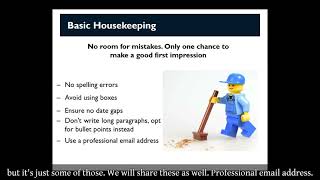
My name is Mike Richards and I run the treasury recruitment company. I'm here today, this afternoon, to talk to you about your treasury careers and help you whether you are looking to find a role now or might be looking to find a role in the future. This is why I'm here, to help. We recruit, as it says on the next slide, treasury professionals, Treasury Analyst to Global Treasury Director. I come and speak at a number of the conferences around the world about what you guys need to do to make yourselves nice and presentable. Also, what you need to do is if you're employers and trying to recruit treasury talent and also explain to you what you should be thinking about. So what's happening in the market? What's the state of it? Obviously, post Covid, pretty challenging times, pretty challenging world, but we're getting through it and we all know this. What gives me a lot of this knowledge? Well, I also host a weekly podcast called the Treasury Career Corner, admittedly enough. So we're up to 138 episodes by the time this comes out. It's fantastic. I talk to a Treasury professional each and every week, really deepen my knowledge about what you guys do. And I've always loved it because I know that treasury professionals such as yourselves, it's quite weird. You, you know, I might say that you all have the same title of treasurer, say, and you'll do the same thing in the same way with the same tools and you get the same results. That's, you know, utter baloney. As you guys know, it's amazing the variety of what you do with the tools you're given. And treasury itself is fantastically interesting. And that's why I love doing it and love talking to you guys on a regular basis. So listening to the podcast so you can hear some of the tales, some of the war stories of some of the treasures there about how they built their careers and what they see as the next development. So, yeah, the podcast is good fun to do resumes. Now we're just going to call it Resume CVS for now. From now on the outset, we're going to carry on with resumes, as it were. So now coming to this next slide, there will be prizes for anyone at the end, we will do Q and A at the end, but I would like to question if anyone actually knows where this comes from. And this is about when you send someone your resume, you need to really grab their attention. It's like that. It's about reaching through the glass. Now that photo, some of you might see that image. That's right, it's from Take on Me. The world winning, award winning band are who I have met who are amazing, great guys and been see them a number of times. Yeah, that's a guilty pleasure. We'll come back to that later on. But that aside and joking aside, that is, that's what you need to do with your resume. You need to reach out from the virtual world to the real world. You're sending your resume to someone, you need to grab their attention, you need to draw them in, literally, just like that photo showing you. And that's what you need to do. You need to make sure you're grabbing someone's attention when you first send their resume. So how do you do that? Well, let's go through. This is the first impression they have. It's about how does it look? Does it look perfect? Does it, is it nicely laid out or has it got loads of boxes on it? We'll come back to some of the don'ts in a moment and things you should look out for. But it's that first impression. It's that first meeting if you like. When you walk into a room for a meeting, you're actually saying to people, here I am, this is me. Well, this is actually your calling card. This resume is actually who you are. And it's if you're looking for a job search or it might be an internal document as well. It's not just if you're doing a job search, it might be that you're moving departments, moving teams and again, you've got people can look at your LinkedIn profile. But actually if you had a decent resume, that would also help you to introduce yourself to other people around the company. So what things do you need to look out for? What are the key things? A lot of people get quite, you know, wound up by their resume and think, oh goodness, you know, what do I have to do? Well, one of the first things you have to do is make sure it's no spelling errors. You know, how hard is it for you to hit on your keyboard? F5. That's all you need to do. Do a quick spell check and make sure it works, then check it again. Now the number of times I see manger instead of manager. I've seen attention to detail with detail spelled wrong. Don't know why spell check doesn't pick that, don't use boxes. You know, basically anything that distracts you from just a nice plain document which goes through in chronological order about your background is, you know, waste of time we'll come into in A moment about personal statements and things like that, but it's just some of those. And we will share these as well. Professional email address. Yeah, I don't want to see Mike has 20 beers. Gmail.com. that's not true anymore. It's only five beers. But more than that, I want to see something that makes me think, actually this is a professional worth meeting. And your CV will also resume. Will actually tell you or tell the your audience member why they want to meet you and why they should talk to you. So the next question, personal statements. Yeah, as you can see, I'm not a fan. Why? A lot of the time I see it saying, well, in fact, we'll just skip on to the next bit just to show you. What should you have in a personal statement? If we go back here, it shouldn't be something saying, I'm a motivated individual with a great attention to detail, I'm a Treasury professional. I did this in an audience and I actually. One of the Windy City conferences and I actually said to you guys, right, how many people have on it, cash management? How many people have foreign exchange? How many people have this? And everyone's hands were going up. I said, so you're really unique, are you? And everyone was like, oh, no. So you don't want to have a generalistic personal statement. In my opinion, 50% of people, a lot of the time hate them. So what you're doing is by putting a personal statement on there saying, I'm a motivated individual, you're turning off half your audience, throw it in the. In the garbage. You know, you don't. In the trash can. You don't need that. What you need is either a cover letter or a personal statement that is adapted and targeted towards your audience. So one of our listeners today, and one of the participants, if you like, I did some work with him earlier this year and we focused on one of the. He was applying for a number of roles, wasn't getting very far and everything else. But we brainstormed about one of the positions he was applying for and I said, look what their pain points. What are the key things that this company had recently acquired another company, a number of companies, actually, and what they needed to do was focus on foreign exchange because it was their first really foray into the international markets. So that was one of the key things, if you like. So, you know, what they needed to do was have someone who was experienced in foreign exchange, which was brilliant. I then said also, so they're replacing their treasurer. He said, yeah. I said, why are they replacing their treasurer. Why couldn't they just promote from within? And we looked at the members of the team on LinkedIn and stuff like that and we saw there was a massive gap and we realized that, you know, what with that gap, they couldn't promote so they needed someone that experienced head. Now this chap, he, you know, really, you know, been struggling, you know, finding some really challenging times because it is a challenging market. But actually by adapting his message, he got right the way through to the final round interviews. Didn't quite get there, but we are going to work with him further and I'm going to help him find that role. We, you know, it's one of our missions, if you like, so try and target your message to what your audience want. That's one of the key things to think about. Okay, Some other areas that we should focus on within the resume and again, we've got resume templates we can send out to you guys. So you're going to know what to do. And some do's and don'ts if you like, so don't. Well, how long should it be now? I've, you know, I've seen, you know, inordinately long resumes which are poor and quite boring to read. I've seen when you've crammed it into one pages and people said, oh, one page, that's all you should read. You know, some people, if you're a treasurer with 20 years experience, how are you going to get all of that and get some meaning into one page? I don't think you need to. I think it can last two to three pages. It shouldn't be, you know, a diatribe. It shouldn't be War and Peace. That's already been written. You know, we've read that, thank you very much. So it needs to be a chronological view. So start with most recent roles and then obviously less detail as you go back because you built on that experience as well. Says there about employment history and things like that, this achievement that this is the key thing is that when it's, you know, when you're reading that resume, someone is looking at and they're going to make a decision about you in the first five to six seconds of reading that resume. So what you want to pick out on that, when you say achievements, it's have you implemented a cash management system? Have you implemented a Treasury management system? Oh, great. Which one and what impact did it have? So I've seen it before. There was one of my candidates, he just decided he noticed a good way of Improving a lot of the processes in the treasury team was to actually implement some AI hot topic and everything else. But what he wanted to do was actually know how to do it himself. So he went off and did an evening class in Python. Now, that's the programming language for those who don't know. And I'm not saying everyone has to go out and be a computer programmer. No, not at all. However, amazing contribution that he could therefore make. It was a real achievement. I thought it was buried bottom of his cv, bottom of there. And I said, look, bring this out, bring this to the top of things. He was, oh, do you think that's important? I mean, God, if I was any other treasurer, I would love to see something like that. That's what you need to bring out. Don't make it generalistic. It's what people want to buy. It's your sales piece, if you like. If you're putting something on a shelf to be sold, that's the bit you want to present. Qualifications. Again, if you've got ctp, put it up there, because that's what people can look for. Or other treasury qualifications or other finance qualifications. That's one of the key things you need to look at. Systems list the system you have. It says here, Word and Excel, you can put those in. What I would actually do is focus more on the specific treasury things. So, you know, if you've done Kariba or Bell in or whatever it might be, any of those Quantum or things like that, there are other treasury systems and it, you know, SAP and everything else. Put that on there and your level of expertise in it. Because if you're going for a new role, that's what you're going to be measured on. That's one of the key things. References. What's the point? You're going to be asked for references anyway, so it's just wasted. It's just candy floss. You don't need that on there. Get rid of it, you know. Why? Why would I need to know that? So there are lots of other tips I could give you about resumes, but it's quite, you know, it's. There's lots of stuff that's been written about it. We're going to move on a little bit now. We're going to talk about, well, personal branding, first of all, and LinkedIn, because that is your show page, that sales page, if you like, for yourself. Now, your resume, if you like, is your, you know, the document that details your background and is a effective sales document for you. But actually, how do you get there. What is your showcase if you like for yourself? Well, that is your LinkedIn profile.
More from Mike



Why Treasury Professionals Don’t Show Up to Events (And What Organisers Get Wrong)

AFP 2026 Las Vegas | Use My Exclusive DISCOUNT Code and Join My 2 Treasury Sessions

Treasury Technology, AI & Cybersecurity: Felix Meyer (ABB Capital) on TMS Projects and Future Skills




AI, Cybersecurity, and a Fast Track TMS Rollout with ABB Capital’s Felix Meyer