EP3: Adam Colburn's Path to Safe, Affordable Housing After Rehab!
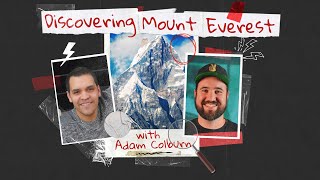
Adam Colburn talks about moving into real estate investing and wholesaling, then shifting focus to sober living housing for people leaving rehab. He also runs a coffee shop and shares how he balances managing both businesses.
So tell me about your Mount Everest. What are you looking to achieve over the next five years?
Yeah, absolutely. So my Mount Everest is I want to provide safe and affordable housing for 12, 50 people transitioning out of rehab centers, all while netting $100,000 a month.
How many people do you have like kind of in your orbit program?
Oh, man. Well, it kind of changes all the time, right. Like that attrition rate that we were talking about earlier. I think right now I probably have 20 people that are active, that are.
Holy cow, that's a lot.
Yeah.
Super excited to chat about everything you got going on. The obvious we're going to dive into what your Mount Everest is. But before we do that, maybe give us a little bit of background about how you got started on your journey, both in business and real estate.
Sure. Yeah. So I'm located in Raleigh, North Carolina and I got into investing about four years ago. And so before real estate investing, I was a professional real estate photographer and so taking photos of listings for investors and agents and all that stuff, but just as the service provider.
Right.
And so that's where I first got like the bug for like flipping houses and just got really interested in the whole process. But at that point my mindset and just business acumen was not ready for, for actually taking on something like that. My wife and, and myself, we were still renting at the time. I was like, dude, I don't know how to buy a house for myself. How am I going to buy an investment property and find the contractors and do all these things and not knowing that off market real estate was even like a thing.
Right.
Like. Cause I was just on the listing side, I didn't know where people were finding these beat up homes. And so that was kind of a back burner thing. Like, oh, maybe one day I can get into this and be like the property brothers and flip houses and do the things.
Right.
And so eventually exited that photography business. I had some prior experience doing some specialized H Vac work for pharmaceutical companies and so went back to one of my previous employers. Just the work life balance is a little bit better at the time. And we were in the process of having kids. I have three now, but when I started there, my first one was about two. And then we were pregnant with our second. And so really the, the kind of the switch being flipped for entrepreneurship was my daughter, my second child was born, she was about two months old. And I'm working at this H Vac job, decent company, but I only have like two or three ladder rungs to climb and then I'm capped out for the next 20 years, right? And so I'm having this existential crisis on my couch at 2 in the morning. I'm like, dude, how am I going to provide a life that my family deserves, right? Other than just two weeks vacation and like that's it, right? Like holidays off and, and just working 9 to 5 and not really being able to go and experience the world. And so with my photography background, I had done some weddings and engagement shoots and stuff like that. And so I'm like, well, I could always pick that up and do the side hustle thing to try to generate some more money. But all the big ticket items are on the weekends, right? The big weddings and stuff. And I want to see my family more, not less, so the couple thousand dollars I can make on the side. But now I don't see my kids even, even more than what I do with my normal 9 to 5. It's like, doesn't really make sense. And so just went down the YouTube rabbit hole of all the different side hustles. Tried a print on demand T shirt company, tried to do some stocks, tried to do like drop shipping all the things and had some limited success, but it was just super slow. And I'm just like, I was wasting time. And so randomly one day I just stumbled across the Jerry Norton video talking about wholesaling. And it was like I took this piece of paper and flipped it for $40,000 and I was like, dude, there's no way this is real. Like this has got a scam, total scam or some funnel to get me into some coaching program that will never work. Like just pyramid scheme. But like I tried everything else. So I'm like, let me see. It's 10 minutes. What's if I wasted 10 minutes? It is what it is, right? So I watched the video and it's just blowing my mind what he's talking about. And so I'm still like pretty skeptical. And so I go start doing some research just on Google, getting on Facebook and stuff. And I find a local real estate like a RIA page and reach out to this guy who seemed to be pretty active. And I was like, hey man, like I keep hearing about this wholesaling stuff, but I just, I don't really buy it. I don't think that it's legit. Can you show me. I called it a receipt. I didn't even know what a HUD was right, or closing statement. I was like, can you show me a receipt that you actually made money Doing this. And he's like, yeah, dude, I just. I flipped this infill lot down the street here in. In Garner and made 25 grand. Here's the receipt, newbie. And, like, sent me the screenshot of it, and I was like, dude, I.
Totally would have been calling it receipts with you for like, a couple months.
Right?
Yeah. And so, like, but then now I have real confirmation that somebody that I've. I'm physically engaging with, like, made this thing happen.
Right?
This is. This is possible. And I was like, all right, let's. Let's freaking go. And so just started consuming as much content as I possibly could. Obviously a lot of Jerry stuff, which quickly led me to Pace. And obviously the. The creative finance stuff was even more like mind melting. And just the way. Just Pace's whole vibe.
Right.
The go giver mentality that he has. Early was drawn to that and so joined his free group on Facebook and actually met one of my first and current business partners. They're in the free group. We were both getting started wholesaling right around the same time. He's a CPA by trade, so he had more money than time. And I basically approached him as like, hey, bro, I don't have much of either right now, but I have more time than you, so if you want to fund our marketing, then I can be the guy on the phones. I'll do all the boots on the ground stuff, and then we can just split the deals. And this was right around tax season, and this is probably 2020, late 2020. And he's like, yeah, dude, that works perfect. I don't have any time to do that, so. And I don't really want to be on the phone anyways, so if you want to do it, go for it. And so we did that. Took a couple months to finally get. Get that first one over the finish line. But then we had the proof of concept, which snowballed into easier deals. Just understanding what we were doing. I think the next one that we got, like two weeks later was still our biggest assignment today. It was 49,000. And that was the easiest deal I've ever done. It was a 15 minute conversation with the seller, three text messages to my buyer, done deal. And it was amazing. So we, we kept doing some more consistent wholesales and then transitioned into flipping just because we could cherry pick the best deals. And that has continued to grow. And now we're doing about three to four flips at any given time here in the Triangle, Raleigh, Durham, Chapel Hill area of North Carolina. And then now our big focus and what we'll get into as far as like the Everest is in the sober living space. And so for our long term rentals and like wealth creation for our kids, that's what we're focusing on.
Nice. Yeah, that's, that's awesome. When you said your partner was a cpa, my first thought was like, man, CPA and wholesale, those personalities do not go together. So it makes sense. He was kind of more on the passive side, right?
Yeah, well, he's, he's not your everyday, he's not your everyday cpa. He's definitely like, he can, he can turn it on.
Right.
Be all prim and proper. But if you're, you're hanging out at a sports bar, some watch a hockey game, like he's, he's got some personality to him and so.
Okay, that's rare, man. Most of them are like behind, you know, the, wearing the green shades, behind the curtain type of person.
Yeah, I mean he definitely doesn't want to be the one on stage. He doesn't come out to many networking events. But like when you get to know the guy like he's, he's a hustler for sure. It's just a different type of skill set. And so our, our personalities complement each other really well. But we both are kind of have very aligned visions as far as what we want for our kids and our families and just impact in the community as a whole. And so it's been a really good partnership.
Awesome. Amazing. Talk me through your journey of like starting kind of from that real estate, from that wholesaling operation. Sounds like it's still going today with the same partner and some of the challenges along the way to get to the point where you are now, I imagine you're doing pretty well at it currently.
Yeah, I mean we, we've transitioned more to like we're, we're heavier flipping now than wholesaling that we still keep, keep that business running.
Right.
Like the lead generation is still going and if it doesn't really fit our model, because I have a very specific buy box for our flips that we can always wholesale those deals. And so that's kind of the, the cash machine for the business. Right. But it's not my main focus at this point. But yeah, definitely some challenges was just first and foremost, just me.
Right.
Like not knowing what I don't know. And so when we first got started, because we were both green, we didn't really have a mentor at the time. When we were getting started, it took seven, eight months before that first deal was completed.
Right.
And it's not without trying. We had probably seven or eight houses under contract that fell out for a variety of reasons. Either I locked it up too high, buyer backed out last minute for who knows why, or the seller lied about something. And now the repairs, Instead of being 50,000, it's a hundred thousand and it's not a deal.
Right.
And so just every hurdle that you would have to overcome for that first deal, we, we hit those. And so that helped obviously like thicken up our skin and just have the grit to keep on going and knowing that it's not a matter of if we can be successful, it's just when. So that was really good. But outside of that is just like having the proper systems and processes in place. Right. So things aren't falling through the cracks. And so really having like a dialed CRM, a dialed calendar, so you know that things are getting done on time and delegating tasks to certain people is big because like especially just our real estate alone, I can be busy enough. But I also own a coffee shop. I have three small kids, we're involved in our church. So like if it's not on my calendar, it's just not going to get done.
Right.
There's too many things happening on a regular everyday life that it's going to get missed. And so that was a big thing of just being really disciplined and building out our calendar to be optimized so we can be successful.
Nice. That's amazing. You talked about your calendar, right? And kind of time management.
Are you.
I guess maybe first, like tell me about your team. Like what's your team look like? What kind of size do you have? Who do you have?
Yeah, so we're, yeah, we're pretty lean as far as like W2 staff is really just me and my partner Scott. We, all of my people are 1099. We implement like the orbit program, like pace talks about where we will bring people in, basically leverage their time and I'll give them all of my, my skill set.
Right.
I'll pull list for you, I'll skip trace things for you. I just need you to make, make calls for me, set, set appointments for me so I can have a full calendar. I'll show you how to negotiate, how to close if that's something that you want to learn. We do underwriting, zooms with them to teach them how to, how to know when what a deal is and basically structured it that way because it was, it's what I needed when I first got Started, we could have got a lot more traction a lot faster if I had somebody looking over my shoulder telling me, hey, this is a good area. Yes. Like this price works. This is why this one doesn't work.
Right.
And kind of going through the things that you just, you don't know until you do it. So a little bit of mentorship piece that we can kind of show them A to Z how to get a deal done. And then once we close, everybody gets paid. They're. It's, they're paid on a commission structure.
Okay. Yeah, that's what I was going to ask. Are they kind of strictly not hourly, but strictly performance based commission?
Correct? Yep, yep. It's what you kill. I do pay a high commission. It's 30% of whatever we sell the deal for. And our minimum assignment after license.
Even if they're like an appointment setter or like does it vary based on the skill set?
Yeah. So. Well, I mean the majority of them are appointment setters that are just in various different funnels.
Right.
So we have several different ways that we generate leads and the majority like our bread and butter specifically for wholesaling. We get a couple of flip deals this way as well as in the pre foreclosure space. And so having people calling, texting, door knocking if they're in the area. These pre foreclosures. Yeah. However you can set an appointment and just get somebody to raise their hand. I'm giving you 30% of the deal with our, in our minimum assignments, 10 grand. So they're guaranteed to make 3,000 on anything that we close.
Right.
And, and I'm happy to pay that because time is the only thing that I can't go and buy.
Right.
And so I don't have the bandwidth to be on the phones on the front end anymore. I just need to have the conversations with sellers that are ready to sell or have a specific issue that I can solve with creative finance that these newer folks don't know how to do yet. And so I can teach them along the way while also getting motivated. Leads sent to me on autopilot and it keeps my overhead really low.
Right.
I'm only paying for things that we close and so I'm happy to exchange that, that value with them to, to make it successful for everybody.
Do you ever get challenges with getting like people just in the right mindset to take that learn before you earn type of approach and then kind of earning it at the end based on results? Right. Because I could imagine there'd be some struggles out there with People that are, you know, really just dialed into just the W2 mindset.
Right.
It's hard for people to get over that hump. What are you there to help them out?
Yeah, I mean, there's a, there's a lot of attrition in this space.
Right.
Which is kind of the. It's a double edged sword. When we first got started, we were using VAs and we were paying the hourly rates, but the. Just the quality of the leads weren't there.
Right.
And so I would rather have on this side where I pay more on the back end. But then I can also help people learn how to get going. Because the intention is for you to not work for me forever. It's you learn how to go and do this, and now you can go and start your own business. And now if anything, I can just be your buyer when you lock up deals. Or we can jv. We could partner on it, however.
Right.
I just want to be a stepping stone on your journey. But if you would rather be like an intrapreneur and work within a business, you can stay forever.
Right.
And if there's, there's growth potential on, on additional value you can bring. But not everybody's set out to be on the phones.
Right.
Regardless if you're calling for me or calling for yourself, the one thing that you're guaranteed to spend in this business when you get started is time. And so rather than spending time and money, if you can leverage your time in a business that's already operational, where I can teach you everything that you need to know outside of making the calls, then I feel like it's a, it's a fair value exchange.
Right.
The one thing that I need from you is your time. And the one thing that you can give to me is your time. And so if you're willing to, I typically at this point, I have my orbit people sign an agreement that you'll at least give me 90 days. And it's not even like a certain KPI measurement that I'm tracking because it's eat what you kill.
Right.
I shouldn't have to be cracking the whip to say like, hey, I need 50 calls a day. I need three hours on the phone. Because a lot of these people do have W2s. I want it to fit into your schedule and not be a burden. But I do need you to be active and, and consistent. So if it's only 30 minutes a day, you make five calls a day, but you can do it every single day for 90 days. Like, I'm down Let's go. Um, and so as long as you're willing to put in the work, I'm happy to pour it into you, but once it gets to the point where it's just radio silence or you make five calls and you're frustrated that you haven't got anything, like you're, you're, you just have improper expectations and that's just not how this business works. And so whether you're working for me or working for yourself, like, you're, you're going to end up in the same, same results, right? Yeah.
So I know Pace recently kind of formalized the cheat codes, right. You know, specifically around like the Orbit program. Was there any specific training in owner's club around, like how to start an Orbit program or is that kind of. You think that'll probably kind of happen as next steps?
Yeah, I, I think there'll be some additional training or maybe somebody like myself and I know there's some other owners that have been do, like implementing the strategy ahead of time before the cheat. Cheat code came out just to kind of. You can glean some information from people that are actively doing it. But specifically from Pace, there's not any, like direct training. It's basically just the difference between Orbit and bird dogging is that you're more, you're more involved in the actual lead generation and nurturing process rather than just saying, hey, Mundo, here's an address. If you, if you're able to lock it up, like, I'd like to get some money.
Right.
And so it's a little bit more intentional, like relationship building and just. And that true, like learn while you earn kind of situation. And so that's what I like that, that way better.
Right.
Because I don't want it to be transactional. I want to build a relationship with these people to see how we can do more business in the future, whether it's with me in my organization or how we can. We can collaborate later down the line.
Nice. Do you, do you know other owners club members that you feel like have a really good Orbit program or do you feel like you're kind of.
Well, I don't know about. I'm not about like ranking each other. I just know I've been doing it for a while and it's, it's been working for us. I think I, I would assume, like guys like Tomanowski, Ted Miller, they're, they're partners together, but they also do kind of offshoot businesses. I'm sure they've got something pretty dialed. Heather Grizzard she's like the top integrator in owners club. Uh, she, she just put some stuff out for like the internal owners club stuff on how she likes to, to do it. Um, outside of that, I mean everyone's got such unique business models. Not everyone's doing wholesaling and fix and flip like I am. Um, so I think there's going to be some, some discrepancy there. But I feel like anyone that, that is checking the box to say that they do want to do the Orbit program, they probably have some sort of experience in, in how that's been working.
Right.
Beta testing it before they launch it to the community. Yeah.
Interesting. Yeah, that's awesome. Yeah, no, it makes me want to start one. I appreciate that insight.
Yeah, for sure. No, it's great. And it, and it's like there's very little risk for you, right? You're already pulling this data, you're already talking to these sellers. But if you can, if you can help somebody along the way. But then now you don't have to be the one on the phone on the front end. Like it reduced our overhead considerably from having VAs and now I have American based people talking on the phone and I can just teach them along the way and kind of mold them into what I need because I'm not a big script guy. But I still need you to get some sort of pre qualification before the lead gets to me. And so yeah, I mean it's, it's worked out great for us.
Yeah, that's amazing. So tell me about your Mount Everest. What are you looking to achieve over the next five years?
Yeah, absolutely. So my Mount Everest is I want to provide safe and affordable housing for 12, 50 people transitioning out of rehab centers, all while netting $100,000 a month.
Amazing. So how does that maybe give, give us some insight on where did you come up with those numbers and maybe kind of the roadmap that you're on to achieve that over the next five years.
Yeah. So I've got one sober living home that I've had operational for about a year. It's in Knoxville, Tennessee. And it's been a great, great house for us. It's been a good relationship with a nonprofit that's, that's operating it. And the, the more I learn about this space, the more that I see that it's a. There's a huge opportunity for us as investors to make an impact in these communities because the addiction problem in America is not going away anytime soon. If anything, it's getting worse. And so if we can be on the forefront of providing safe and affordable housing for these folks that truly need a hand up while also doing really well for ourselves, then why would we not do that?
Right.
And so the benefits, obviously I'm getting 1 1/2 to 2 times market rent. My, I have nonprofits operating the home, so I don't pay a management fee. They cover utilities, they cover damages. So it's essentially a triple net lease in the single family space. So I can just sit in the landlord seat and go run my normal day to day business wholesaling and fix and flips and then just acquiring more homes from this and basically play not Monopoly while also helping out these people that truly need the help and make an impact. And so that's been, that's been awesome. As far as the numbers, I basically took the house that we currently have, we have a few in escrow as well. So we're using some projections, but taking the cash flow that we're getting and the amount of people that we can put in these houses and just dividing that by those numbers that we're chasing.
Right.
A hundred thousand, it's, it's more of a vanity metric but at the end of the day you still need money to be able to go and make impact. Like I mentioned, I'm a man of faith. I want to do some stuff within our church, build like a, some sort of like business incubator that's like faith based where people can come in and learn specific job skill sets, things that you don't need to be like have a college degree for, but be like an entrepreneur like incubator type of thing I think would be really cool. And then just funding missions, trips, stuff like that around the world. But to be able to do that you have to have money, right. And so it's more like using it as a tool to go and make an impact. I think 100, we could do some damage with a hundred thousand dollars a month. And so to get to that point and also the amount of people, 12, 50 people, I need 157 houses to do that.
Right.
And so my goal this year, starting small year one, is I want to pick up 20 houses creatively all across the country and then next year we're going to double that number. Next year double that number. And then we're pretty much at our goal by year four and then see where we land. Yeah, that's kind of how I got to those figures.
Oh, that's amazing. That just, I think I'm going to add that to my goal list too. I love that faith based vision you have for business owners. That's amazing.
Thanks man.
Love that. I love that. So that's a pretty daunting goal, right? You know, you're talking about 1250 you're at, you said one two right now.
I have one currently and two in escrow. So hopefully by middle of April I'll have three. But yeah, I mean if we reverse engineer from, we know where we need to be at year five, 157 houses, right. And so if I can get 20 this year, which is only five a quarter, which is very easy to do if I leverage a community of 16,000 killers that understand how to structure these deals, right, I don't have to do it all myself. And that's the beauty of the whole mindset behind these Everest is like, it's the goal needs to be so large that you do need to collaborate. That's the point. Because if it, if it was something that I could just go and attain, then I would just set it at like 10 houses.
Right.
But it's like we want to go after the, the big fish and, and see that, see that impact. And so I think we've got, we've got a decent blueprint on how to get there. It's just collaborating with other owners club members, other sub 2 members to that really want to attach to that vision and just push forward and see how we can best utilize each other's skill sets.
Nice. Okay, so you're talking like how many doors on average was that? Like over 10.
So we can. Our. My house in Knoxville, it's a five bed, three bath house. We have eight guys living there, right. And so, and honestly we could probably have 10 there. It's just the, the non profit that I'm working with primarily is, it's the Oxford House. They're a nationwide non profit. They like to leave at least one or two rooms as single occupants as kind of like a reward system for people going through the program, going to their meetings, getting like employment quickly, all that kind of stuff. And so that leaves me at eight people in that house. So yeah, I mean it's a four. Four, two is like our minimum as far as a buy box.
Right.
And our, our biggest thing is that it needs to be close to public transportation because a lot of these people have, don't have vehicles for obvious reasons. And so a half a mile or closer to a bus stop is really the biggest sticking point for us to find deals that make sense outside of that, like hoas and and things like that are okay. I don't love them. I don't, I'm not looking for an hoa, but I can still manage these homes because it's protected. It's a protected class by the government for, for sober living. And so I'm not going to get this same type of scrutiny that like a pad split would in those markets.
They'll still make your life miserable though.
Oh yeah, they could still, they could still bother me, but they can't let me legally stop me from running my business. And I think we, we kind of skirt a lot of the, the red flags that neighbors would see because these guys don't have cars.
Right.
And so it's not going to have, you're not going to have eight vehicles in front of a four bedroom house where there might be one or two and the rest, rest of the people are just walking around. But they have to follow such strict guidelines to live in these homes that I don't think they're gonna, it's not gonna be like this rowdy house with a bunch of dudes there. People aren't really even gonna notice for the most part.
Right.
And then we'll, we'll handle those situations. But I've already had some, some buddies in owners club that have had some HOA issues but there's so much precedent law that they can't stop them and they kind of just walk away with their tail between their legs once they understand what we're doing. Yeah. So I'm not, I'm not too concerned about that. But yeah, the, the, the distance thing for public transportation is our biggest problem. And then obviously a four bed, two bath or larger is ideal for our, for our buy box.
So tell me about the story of your coffee shop. Like how did you get into that?
Yeah, so that was, it's, it's always been a bucket list item for me to own a shop. I've loved specialty coffee since I was 16 years old. That first like really good latte that I had at the one shop in town at that time, which that was, man, that was like 12 years ago, something like that. Crazy. But I always loved it.
Right.
I always loved coffee. I always loved the vibe of coffee shops. That's where people come to study. That's where they meet up before they like go to a, go to a game, go somewhere else. Just having this like community center, this hub where people can collaborate and get together. I always love the idea of that. I never intended it to happen right now that was definitely going to be something Way later in life. But the opportunity just kind of fell into my lap. And so one of my buddies, he owns a creative agency and he was doing a lot of content for a brewery in our local town just right outside of Raleigh. And we're both coffee nerds, just hanging out at, at board game nights and stuff with the wives and like, dude, wouldn't it be so sweet to own a shop? I'm like, yeah, that's been on my list for quite some time, but I'm, I've got my flips. I'm doing all these other things. Like, that's a back burner thing. Like, we, we'll do it later. But it was just a conversation, right? And so it's probably four months later he calls me. He's like, hey, man, remember when we were talking about starting a shop? And I was like, yeah, what about it? And he's like, well, do you want to do it? And I was like, what do you mean? And so this brewery that he was shooting all this content for had bought a building like two blocks away from their. From their brewery. And they're having a really tough time finding a tenant that they trusted to go in there. And so talking with Kenneth and hearing him just vomit all over them about coffee all the time, they're like, hey, you guys keep talking about coffee. Do you want to go start. Started over here? And so we went and looked at it and we're just kind of looking at each other. It's like, I mean, okay, sure. What's the worst that could happen? And so we, we went in there, did a full gut remodel of the space, and we, we just celebrated our one year anniversary last Saturday and it was great. First year, we did 300,000 in revenue in a tiny little town. Less than 10,000 people and. Wow. Yeah.
Amazing, bro. That's amazing.
Thank you. Yeah. Not all, not all, like, in our pockets, right? Top line revenue, but it was, it's great to see, like. Yeah, and there, it's. There's definitely a lot of overhead in coffee or just in retail space in general. We do not own the building. We're leasing it, and we're paying a pretty penny for it. We had a bootstrap, the whole process. SBA loans are out the window. All the, all the other traditional financing methods we couldn't do. And so we had to get creative like we always do, and raise some capital, do a lot of the sweat equity. Like I, we were jackhammering walls. I built the, the bar itself and did a lot of the repair work in there myself and with the crews that flip my houses. And so it was a labor of love for sure, but it turned out awesome. And the response we've got from the community has been amazing. And, and it's my, it's my secondary office. Right when we're closed after hours, I get to spend a lot of time there. It's really close to my house and, and so when my kids are asleep, I can go down there, rip lattes all night while I'm underwriting deals and shoot content. And so it's been, it's been a great addition just from a lifestyle perspective, but then also having that space where we can network, we can meet other business owners and just be a pillar of our little community as it's growing. So it's been super cool.
Hey, that's awesome. Where did you raise the capital from? Was it in the community?
So it was my other business partner, Scott. He, he was able to get a personal loan from another banking relationship that he had. We, we brought some money to the table, just me personally and Kenneth, the other business partner. As far as doing some of the, buying the initial inventory, buying the, the chairs and the, the things like all the fixtures inside. And then our, the landlord covered a decent amount of it, but not all, all of the build out. We had to bring a lot more money than a traditional tenant would. Um, but we made it happen. And so that's been a sticking point for us as far as like, from a revenue perspective as far as like bottom line money in our pockets and knowing that food and beverage, it typically takes three years before you're profitable. And so I think we're, we're, we're on a really good trajectory from, from a year one standpoint. And we're looking at finding some ways to consolidate debt or get lines of credit. Now that our LLC has been established and seasoned for two years, that opens up a lot more opportunities for us to, to reduce our, our debt service and then we can kind of hockey stick as far as revenue coming in.
Really, Man, I didn't realize it was such a low margin industry. If I think about it. It's like, you know, the human cost, the human capital, obviously that's an ex, that's a large expense in most businesses. But then you have the machinery, like the actual machines itself, like what else is there that drives?
So I mean, yeah, the big, the biggest cost for sure is, is just rent. Rent and then staff. Because we are a, we are a top line like a third wave shop. The way that coffee is kind of broken down into tiers. There's three waves. And so if you think of like a Waffle House or an ihop, right. That's, that's first wave, that's really low diner level coffee. Second wave is like your Starbucks, your Tim Hortons, Caribou coffee, the big chains. So a little bit better, but still like fast food driver skill set.
Right.
Like minimum wage work. And then there's third wave, which is like craft beer, craft coffee.
Right.
Like specialty stuff, which. These are career coffee professionals. These people that work in our shop, all of our baristas are like competing in latte art challenges. They're, they're collaborating with other people to do make unique drinks and, and figuring out special recipes and stuff. So like we pay a pretty penny for that. But that's why we, we have the best quality in our area. And that's what we're known for, is for our quality. And that was, that's what we set out to do.
Right.
We want to be, we want to be specialty coffee, but we want to make it approachable, not pretentious like a lot of shops can be. And so we have bright colors, it's more like art deco style in the store. But then we still have the professionalism and all the knowledge of coffee for our staff. And so we obviously pay a little bit more for that. But those are, those are the two biggest items. I mean, as far as margins on coffee itself, it is really good, but it's just the hard costs of the building itself are really high, especially first year. And then the loans that we had to take out to buy equipment to do that kind of stuff is just high interest rates. And so as we can stabilize those or consolidate those into a line of credit with a lower interest rate, that'll help as far as the cash flow side of the business. And so we're in the process of stabilizing a lot of that stuff.
Amazing. Yeah. No, once you get to a certain, certain revenue size, your I, I assume your margins will start to expand, obviously because you have that fixed overhead that you got to cover, whether that be the employees, the rent, the debt service and all the equipment, all that stuff.
Right.
Totally makes sense. Amazing. So how do you, when you look at your calendar, how do you balance the time between, you know, your real estate activities and then also you know, your coffee business as well.
Yeah. So as far as the day to day operations of the shop, I'm not involved at all. We have a really good team, fully built out staff, a, A Bar manager who does all the scheduling, stuff like that. So the only time I'm ever involved in a day to day perspective is I might work like one shift a quarter. If a bunch of people are on vacation or just not available to work, then I'll come in and I enjoy it. It's really fun. I just don't have the time to do it all the time. And then on the back end, after hours things, I'll do some of the inventory ordering like going and picking up the milks and the creams and all that kind of stuff. So we have a stocked fridge for the week. I handle that kind of stuff. And then any repairs, like maintenance stuff just from my real estate experience and flipping houses. None of the other partners in the, in the business understand how to do that or have their contractor relationship. So I kind of run that point. So there's not really much time allotted to the shop at all. From the business side, I do use that space for my content and so that kind of. I want to make sure that this, the space is available for me to use. Unless we're renting it out for a, for a baby shower or something. We do that as well, like after hours. But if it's available and I know that I can go and shoot a, a podcast with Mundo, I need to know that I can have that space available for me. But so my calendar really comes down to just breaking into chunks for our real estate as far as our wholesale, where when do I have appointments and setting off a specific amount of time for those to follow up with sellers and do more outreach for new folks, setting up networking calls with individuals like yourself or other people in sub 2 to just get to know them and figure out how we can collaborate. I try to leave least an hour block a day for that. Oh wow. And then, and then having a, a hard cut off on every day except Monday at around 5:30. So then I'm not doing anything except spending time with my family until about 9 when my kids go to bed. And so just having those, I kind of have like two calendars overlaid with big blocks to know like this is for acquisitions, this is for dispositions, this is for new relationships, this is for family.
Right.
That, so there's multiple colors and then I can daily plug in the, the appointments that go in those buckets, if that makes sense.
Yeah. So the hour block that you have for new relationships, is that really fed into your orbit program or where do the majority of those new relationships fall in like your business and your circle?
I Think it's probably, it's about 50, 50.
Right.
I'm not, I'm never intentionally reaching out to people to join my team, but if the conversation goes that way, obviously we'll, we'll mention it and see if they want to. Now with the, with the onset of the owners club list being released to sub 2 and stuff, I'm getting a lot more people reaching out to me specifically for Orbit program stuff, which is great. But no, I've been, I've been trying to set aside time just to network with folks in the community ever since I joined about two years ago. And so just there's so many people to, to get to know and collaborate with that. If you don't spend that intentionality to reach out to them, then you never will.
Right.
Same thing with the rest of my calendar. You'll, you'll just get busy and so you never know what a 15 minute conversation could turn into. That could be a million dollar relationship and I don't want to miss out on those opportunities. So I always want to meet with new people, see how we can connect and even if it's not worked directly together, but say that they're the perfect fit for your business and I can kind of play connector in that way if I can monetize it. Cool. But that's not the intention.
Right.
We just want to be able to provide value to, to folks in our, in our circle. So. Yeah.
Amazing. So besides joining your team, obviously, what would you, what kind of advice would you give for people that are really just kind of struggling right now? Just struggling to get started.
Yeah.
Maybe they feel overwhelmed, lost.
Yeah. Well, I mean, I think the biggest regret that I have is not reaching out to somebody that was doing what I wanted to do.
Right.
And so if you. There's plenty of operators, not, not me specifically, but plenty of operators doing whatever you want to do in real estate, if you're lending, if you're flipping, if you're wholesaling, whatever within the community that you can reach out to and say, like, hey, how can I bring value to you?
Right.
A lot of us operators that are doing things now, right. Have built businesses. We don't have the time to do a lot of other things. Right. That's the one thing that we can't monetize or buy, like buy more time. And so if I can leverage you to do more things, I'm happy to provide you as much knowledge as I possibly can to help you along.
Right.
And so my biggest recommendation is find somebody that's doing what you want to do and go and attach yourself to them and however you see fit.
Right.
Just being open and available to learn and actually take their advice seriously.
Right.
So you can avoid those pitfalls in your business. We've already take the bumps and bruises, and I'm giving you my experience now. You can compress time and get to my level a lot faster.
Yeah.
How many people do you have, like, kind of in your orbit program?
Oh, man. Well, it kind of changes all the time.
Right.
Like that attrition rate that we were talking about earlier. I think right now I probably have 20 people that are active, that are.
Holy cow.
That's a lot. Yeah. And so because we're calling, like, pre foreclosures is our main, like, bread and butter, and North Carolina is my main market, but we're doing a lot of stuff in Texas. We're doing stuff in Florida. I've done deals in Michigan, South Carolina. Like, we're. We're expanding our reach. And especially the more people I bring, if we're all competing against each other in the same market, like, it's just. You're kind of eating each other alive.
Right.
It doesn't make sense. And there's more. There's more impact that we can go and make. And so I'm kind of breaking people up into pods to focus on those markets, and even better if they are local, because door knocking is definitely the quickest way to get to a deal and pre foreclosures. And if you live in that market and are willing to go and knock, then you're higher on my list to work within my team because I need that. That type of person to go and do that stuff. And so. But yeah, I think we're at about 20, and they're not all doing the pre foreclosure stuff. We haven't really talked about the assisted living outreach. That might be another podcast that we talk about.
But.
Yeah, so right around 20, right now.
Wow. Holy cow. Well, you obviously can't sit there and do one on ones with 20 people every day. Do you have, like, a weekly group call that you do or how do you structure that to give, like, all the people the value, but also knowing you're busy, you have to, like, be really intentional with that time.
Yeah, I've kind of. I've implemented a lot of stuff like PACE does with voice memos and things. Like, whenever I get to it, I'll send them a quick voice memo if they have a question or something. I try to do at least one zoom, like every Other week with a handful of people, it might not be all 20. I'm kind of restructuring that once we, we more formalize this orbit program and now we have our Buy Box website and stuff for people to get involved that it will be that one to many just for, for time sake and efficiency that we can do. Like hey, every Friday at 3pm we're doing an hour long zoom to go over X, Y, Z or just open office hours. But I never want people to feel like they don't have access to me. So obviously just having my cell phone number they can text me and I'll respond as quick as I can. But just, but know that if, unless it's like dire emergency and you need to let me know that in the text that it might be a little bit for me to get back to you. That's kind of just how we're building it. But there's always room for improvement, right? We're not, we haven't, we haven't perfected the system yet. And so that's, that's one thing I'm trying to figure out how to optimize better as we grow and add more people. Yeah. Wow.
Amazing. Well, cool, man. How can people get in touch with you? Do you want people to reach out? Instagram, Facebook?
Yeah, Instagram's great. It's at theadamcoulburn. My YouTube channel is the same handle. And I also have a Buy box website. It's adamsbuybox.com you can go and see what we're looking for. You can submit deals there. If you want to join the team, you can schedule a call there. If you've got money that you want to put to work. We actively use private money lenders in all of our flips. Would love to have a conversation with you that way and yeah, reach out. Tell me that Mundo sent you and I'll definitely be here to help you and see how we can work together.
Yeah, give them the Mundo 10% discount or something.
There you go.
Well, thanks man. I appreciate you coming on the show. Enjoy talking with you. Glad to see that you're taking names and kicking ass and really excited to watch you kind of continue to grow in your journey towards achieving your Mount Everest. That's awesome.
Yeah, man, thanks so much. I really appreciate the time. Love what you're doing with the, with the community and so honored to be a part of it.
Yeah, man, appreciate it. Thanks man. Absolutely enjoyed it.
See you guys.










