Make it Count
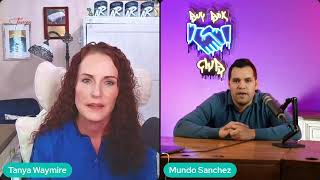
Mundo Sanchez went from Division-I baseball to CFO in trucking, then built BuyBoxClub to automate real-estate deal matching. The platform captures a buyer's investment criteria, scores incoming deals in real time, and connects buyers, sellers, and lenders. He's now building Bankable, a QuickBooks alternative for bank-ready financial reports.
Chapters
We are so glad to have you on with us.
Thank you very much. Appreciate you having me.
Yeah. And for full transparency, I write the intros, right? So that was all the fun things I said about you. You would never say about yourself. You'd be like, oh no, I just did the thing. I just did this thing.
Yeah. No, I appreciate that. You're doing the heavy lifting for me. Thank you.
Of course. Well, for people who don't know you. Give us a little bit about you and your story.
Yeah, my name is Mundo Sanchez. I'm originally from San Antonio, Texas. I grew up playing baseball my whole life. I was able to play Division I baseball eventually, and it was, it was amazing, you know, and that I spent a large part of my life having my, having my career, my baseball career be like my identity, which is not a good thing. And I played against, you know, it was a small Division I, but it was big enough to where I played against the SEC. So LSU, Alabama, Tennessee, like all Mississippi State, like all the big schools. And so I felt like kind of on that big stage. And then I wasn't good enough, I got hurt, um, wasn't good enough, had to start over and, you know, figure out what I was going to do and become a, you know, normal working person, right? And, uh, I really struggled with that for a year or two, and And then I found, um, CrossFit, and I became a competitive athlete in CrossFit. And kind of the same thing where it was like one identity transferred into that, which, you know, again, wasn't really healthy as well. Um, ended up being in the top 3% in the world in CrossFit at one point, and I got hurt. I herniated my disc. That was probably like 7 years ago or so, and I don't really actively work out because of that disc that's herniated. Still herniated. So that's been a challenge. And then I had to really kind of find myself through that and remove my identity from outcomes and, you know, things and sports and that kind of stuff. And so I, you know, poured into business and, um, you know, helping companies grow. And for the past 10 years, I've been a CFO in the trucking transportation space. And we started a few companies. You know, it was really cool to be there, you know, kind of ground floor and to see a company from, you know, zero and grow that to, you know, millions of dollars in sales a year. And then we acquired a few companies as well. So that's, that was really fun. And now I'm actually focused on building my own software. So kind of taking the skills that I've accumulated over the years in a variety of different areas And now I'm putting them to use and building, building a software out. And it's a little scary to be out on your own, but also fun. And I do feel like I'm at home in terms of, you know, the work that I'm doing now. Really fulfilling.
So many people anchor their identity in the things that they do. Right? Last week, we were talking with Tammy Kling about people put their value in what somebody's willing to compensate them. Right. Similar. So if somebody came to you today and said, okay, so what's your identity? Like, who are you? What makes you, you separate of the things you've done? How would you answer that?
Oh gosh, man. I was telling you before we aired that I don't, I don't ever prepare. You know, I just, I'm usually very comfortable on camera, but shoot, I didn't know you were going to ask me that kind of deep level question.
Oh, you know, the coach in me, that's what it's about. We got it. We're pouring into other people.
Oh, I love it. Um, you know, if I would describe, you know, my identity, um, you know, outside of being a husband and a father, which I, I always think I could do better in that area and I want to be better in that area, but I'm, I'm just in a season of life where it's, you know, I gotta grind. I have to build before I can step my, you know, foot off the gas pedal. But in terms of what I would describe myself as, just, I'm just a person that just doesn't give up. I mean, I'll just run through a brick wall to achieve that outcome ethically. I think the ethical part is really important because there's a lot of people that are high achievers out there that, you know, behind closed doors, they're just, they're just not good people, you know. They don't have a good moral compass, and that's really important to me, you know. Sacrificing moral compass is not something I'm willing to do for any price tag. So yeah, but I will, you know, within that scope of, um, you know, keeping that moral compass, I will run through a brick wall. Um, and that's just how I've been built, you know, that's how I was raised. Pretty rough upbringing as a kid, and, uh, I use that, you know, to my advantage. You know, there's some downsides to that, but then there's also some things that, you know, I can persevere through that, you know, most people probably can't.
Yeah, which is the positive that comes out of, right, the things that we go through, going through childhood trauma. And people wondered how I moved through that. And I said, when my son was a teenager, I realized why, and then had the opportunity to use that to help others, right? You're, if somebody asked me, what's Mundo's identity? I would say he is incredibly well anchored in his values, right? Like the moral compass is definitely a value. It's integrity, it's ethics, et cetera. And you're humble. You're very humble. That's also another word I would use to describe you. And you do, you freaking kill it. You kill it and then let people find out that you did it versus people who go out there and say, hey, I'm killing it. Check it out. Right. That is not you. You are the, I'm just going to go ahead and kill it and people are going to happen on it.
Yeah. No, I, I res— I would resonate with that. Yeah. For sure.
Yeah. Sorry for hitting you so heavy. I'll go back to a lighter question. You ready?
Oh, I'm good. You can hit as heavy as you want.
Okay. Uh, you spent years inside growing companies, building financial discipline into the foundation. What shaped the way you think about sustainable growth?
You know, honestly, so I kind of left this out in my intro, but, uh, I started my career working in corporate America. At a Fortune 100 company, and I was fortunate enough to go through Lean Six Sigma training, and I eventually went on to be a Lean Six Sigma black belt. And that really was kind of just one of those— I don't, you know, at the time I was around 25, so, you know, they say that the male brain doesn't fully form until you're about 25. So yeah, I don't know if it was getting to that age and just having my brain fully form, or it was just like Lean Six Sigma was just like this light bulb moment for me.
Yeah.
But I do feel like that was very, um, transformation for me, and it just fundamentally changed the way I think about things. And I just— I just— it's almost like I put on a different colored pair of glasses and I'm seeing different shades of reality. And I was able to, you know, just see things that most people don't see in terms of evaluating, you know, processes and eliminating waste and figuring out, okay, why are we doing, you know, A, B, C, like, you know, all these zigzag processes, like, when this is the fastest, most efficient path forward from A to Z, right? And, uh, that I would say was probably one of the biggest things that helped me in my career, was like going through that framework and way of thinking. And I think Lean Six Sigma gets a lot of, um, uh, criticism because it's— it can create a, you know, if you really stick by the book of this DMAIC framework, it's a great way of solving a problem but stretching that solution out over months when it really could be solved in a day, right? Um, and when you introduce that in corporate America, you know, you can have a project that literally will span 6 to 8 months when, you know, you really should have solved it in a couple of days or a week. And so I take the framework to apply that to getting solutions done very quickly, as opposed to, you know, sometimes when people think about Lean Six Sigma, they're like, oh great, here we go, here's another project, and we're going to talk about the thing of the thing of the thing in the charter, and, you know, we're gonna have all these meetings upon meetings. And that's not how I use it. But that, I would say, was probably the biggest transformation I had over the past, you know, like 10 years through that.
Okay, you've said it several times, but you've said it so fast. So what's it called and what specifically is it that they do? Because people who don't know what that is, right? I'm sure are super curious. Because when you first said you had a black belt, I'm like, oh, martial arts.
No, no, I, I, uh, I don't think I'd be very good at karate. So Lean Six Sigma is a methodology and it's used by a lot of big corporations. Its focus, and it really originated more in the manufacturing, and it still lives very actively in manufacturing companies because it's very processed, you know, assembly line type of methodology driven. But, uh, it's a form of, you know, continuous improvement and eliminating waste, you know, is really how I would describe it. Where again, you know, talking about, you know, finding the fastest path from A to Z especially at large companies, when you're able to peel back layers of wasted movement or wasted activities or wasted jobs or wasted functions within the business, those numbers can be millions and millions of dollars, right? So when you're at that level, every little tiny incremental change you make can make some massive impact on your bottom line versus, you know, you usually don't see that in your like mom-and-pop operator, uh, type of companies because, you know, the changes you're making, like, they're not— it's not worth the time to dedicate focus to that. That's a pretty good overview of that. So I went through several years of formal training in that, and that really, you know, helped me a lot, tremendously.
So the belt colors are more of how much certification or application you've done within?
Yeah, it's been a while since I've looked at that. I mean, I think it starts at like a white belt, which is like you took a 10-minute course or something like that. Then it goes to like, you know, it follows follows the same karate type of belt color path and black belt being like the highest, right?
Right.
And then there's a couple levels higher than that in terms of like, you know, Lean Six Sigma Champion, where it's like they're overseeing the entire organization of Lean Six Sigma and that kind of stuff. But black belt is the highest level of certification, I guess.
Well, it played a big part in you winning, you know, 2-time CFO of the Year. That is definitely something that would have played a big part. The pattern I see, as you— because one, I didn't know you grew up in San Antonio, and of course I live in Texas— but pattern, as you kind of share the journey, is anything you've done, you've gone all in on, right? You don't hit the highest level, you don't get to Division 1, you don't get into the top— what percentage of CrossFit was it?
3.
I mean, come on, right? You just, you go all in. What is it that you think it is about you and your drive that once you commit to something, you do, you go all in? And by the way, you're a great husband and kids. You can see it anytime you post a video. So back to this. So, yeah, so what do you, what do you think it is about your drive that once you commit to something, you are going to hit the upper echelon or raise the bar?
You know, again, I think it goes back to how I was, um, it was how I was raised, you know, it was quite literally beaten into my DNA. And, you know, I, I really just look at anything I'm doing, you know, it doesn't matter what I'm doing, I'm trying to be the best in the world at what I'm doing. Doesn't mean I'm gonna get there, probably not, I don't know, you know, time will tell on, you know, whatever I'm focusing on. But whatever I'm tasked with, I'm trying to just do the absolute best that I can.
Yeah.
And there's, there's a double-edged sword to that, right? Because sometimes, or a lot of times, when you're going down a high-achieving path, you probably have some screws loose, probably somewhere. And I definitely have a few of those loose. And so it can create some unhealthy balance to where, you know, I could easily get caught up in a 14, 15-hour day and just look up and be like, you know, what time is it? It's just like I'm so laser focused on something. Um, but yeah, I mean, it's just really attacking things with the purpose and trying to be the best version of myself. I mean, that's really what I try to do. Yeah, I'm just very competitive. Uh, you know, that's just how I grew up, and I'd always, uh worked my whole life just trying to be the best in the world at what I do. And, you know, nothing in my head ever was really good enough. And so, like, I was always challenging myself to be better, and I was always critiquing myself. Probably didn't give myself enough praise along the way, and still don't today. Um, but when you're constantly, you know, kind of critiquing yourself and reaching for more, that does, you know, push you to another level. Instead of being complacent, you know, hey, I'm okay. I'm good at this level. I definitely push past that. And that's probably where, you know, that comes out a little bit.
Yeah. The, when you, okay. So when you step into a business, so if somebody wants you to come in, look over their processes, their systems, what do you look at first?
Uh, I mean, that's such a broad, that's a very broad question, right? Um, you know, it depends on what kind of business that they're they're in, it usually doesn't take me longer than a day or two to figure out like where I think their biggest bottlenecks are, just from, just from having conversations, poking around their business, understanding their business model. Um, you know, at the end of the day, business is business. Uh, you know, at a fundamental level, every business has a set of financial statements. They all have a profit and loss, they all have a balance sheet. You know, the numbers are generally the same in terms of revenue coming in, expenses going out, managing cash flow. Um, the semantics change, you know, KPIs change. And absolutely, like, having specific industry knowledge means way more than not having industry knowledge, right? But business is business. It's generally the same game. And if you understand the rules of the game and how to play and how to win, you can probably figure out just about any line of business. So really just Some of it is, a lot of it is experience, and a lot of it is that like critical process thinking that we talked about with the Lean Six Sigma, is just evaluating processes and understanding where there's, you know, efficiency opportunities and that kind of stuff. And that comes through just conversations.
Yeah.
And, you know, not everyone does things the same, and, you know, they may say something and, you know, I may draw upon an experience of, oh yeah, I remember, you know, when we struggled with that when we were first getting started, you know, doing A, B, and C, and here's how we solved it. And just that kind of stuff.
Yeah. When you look at, you were talking about inefficiencies, right? Or the biggest wasters. Cause we, I mean, we talked to a lot of builders, right? And building in different industries, sectors. Where do you seem to find a common denominator of this tends to be the biggest waste, right? Whether it's waste of time, waste of resources, if you had to kind of think about what's been kind of a common denominator regardless of the industry? What do you tend to find to be the biggest waster?
I mean, maybe, maybe it might be like just from my lens and point of view, just being from the financial side, it's usually back office is a mess. Back office is usually a mess because it's very unsexy. It's very boring. If back office and everything that's functioning in terms of, you know, receivables management, or just, you know, billing customers on time, you know, doing your books on time, that kind of stuff. If everything's going well, it, it almost seems like it's just of no significant value whatsoever. It's like, well, why— if things are going well, it's like, why do we even have these people? Like, you don't see any problems and it's just smooth. But if things are going bad, it's like, oh my gosh, my hair's on fire, my business is like blowing up in flames, and I don't even know how many flames or how much the flames cost, how much the gasoline cost me to, you know, devastate my business. And so then it becomes like the biggest problem of your life. But when it's going smoothly, they're just like, ah, you know, whatever, you know. So they don't get a whole lot of glory, but yeah, um, you know, if things are going wrong, everybody knows it.
That is so true. I mean, Thinking just through my old corporate career and going in, and I played cleanup a lot, right? I would be sent, didn't matter the company, to go similarly and clean up. And yeah, typically it started in the back office for sure. That's so funny.
Okay.
You ready for the next one? Because this one's going to move on to the cool fluorescent behind you that I absolutely love.
Okay. All right. Yeah, go for it.
You talk about defining your buy box. Well, first we have to tell everyone what buy box is because not everybody's in real estate. Uh, you talk about define your buy box with precision. What shifts when an operator truly understands their buy box?
Yeah, I think, um, you know, when you look at— I talk to a lot of new investors that come into real estate, and it's a pretty common theme that the very first barrier that they have to overcome is like has nothing to do with real estate. It doesn't even have anything to do with their buy box. It has to do with their mindset. Yeah, it's fixing their mindset first. And after fixing your mindset, it's really getting it dialed in in terms of what your avatar is or what your lane is. Where are you going to go? Right? Because, you know, you could come to me as a new person and have a conversation and I could give you an answer. And that answer could be 5 different answers depending on what you tell me. Right, kind of going back to that business example of understanding their business and having conversations. If, you know, someone wants to be a wholesaler versus a buy-and-hold investor versus, you know, the next Pace Morby and buy thousands of doors, like, those are all very different conversations, right? Very different, uh, advice, pieces of advice that I would give. But a lot of that starts with understanding what your buy box is. You know, if you can't understand what your criteria is, then how are you going to buy something when you don't even know what you're looking for, right? And so that's the same thing with, uh, really anything, you know, finding a professional career, right? It's like you want to— you want a job and make money. Okay, well, what are the skill sets do you have? Where should you focus your time, right? That kind of stuff. And so like, that's, that's really critical is understanding your buy box. That's like step one. And I've been quite surprised over the past few months of like how much of a struggle that is for people to just understand, like, what does this perfect deal look like to you? Yeah, so a lot of people do struggle with that, actually.
Yeah, so for our non-real estate people, buy box is specifically what type of assets do you like to buy, right? Some people like— and then it gets it gets narrower, but some people like to buy businesses, some like to buy mobile home or RV parks, some like to buy single-family homes, etc., right? So that's the first piece you're saying. They got to figure out what's the lane, right? And then how micro do you believe they need to get in defining within that lane? And we're not going to have you give away your secret sauce, but in defining in that lane, so let's say they decided RV parks, just gonna throw that one because it's going around a lot. RV parks is their, their lane. How micro do you think they have to be on their buy box to get the most productivity and outcome, like actually get and acquire what it is they're looking for?
Yeah, you know, I mean, kind of the reason why I built the software that I'm working on now is because I just saw a gap in the marketplace where people were creating their buy box, right, their set of criteria of what they wanted, but it was on a you know, they were using Canva or, you know, creating a PDF or, you know, editing some nice looking graphic, which is, which is cool, you know, they look pretty. Yeah, but it's not functional, uh, from— because I have a software background, uh, prior to this as well, and it's like, I know, like, you can't scale a JPEG image or a PDF image. It's very difficult to scale that from like a schema perspective of taking that and being able to do analytics from that. Like, that's just not really a thing.
Yeah.
And that's what the industry standard is. People had— or I guess the industry standard is to have nothing, really, honestly. So having just a JPEG or a PDF is like really above industry standard.
Yeah.
So this is taking it to another level of, you know, being able to— as you start to see AI and all these different tools explode, um, you know, it's just crazy how fast things are moving now and all these different tools coming out. And I hear all these operators and people like developing their own custom GPTs and doing all this advanced analytics and all this kind of stuff, no one had really, um, that I've seen made it programmatic in terms of setting a buy box, you know, an actual criteria of range of, hey, I'm looking for this and it has this KPI, you know, whether it be net operating income or cash flow or, you know, there's, there's a whole bunch of other things that are included in that buy box, right? But setting those parameters, and then when people are underwriting deals, they could underwrite deals and see the results of what you in particular like based on your buy box without even you having to have a conversation, right?
Yeah.
The pain point for me is that I felt like a lot of my time was being wasted by just bad deals after bad deals. People were sending me bad deals. Now I have to respond, right? So I'm wasting time responding to a deal that I know is a bad deal. And then I— then they not only want a response, they want feedback on why it was a bad deal. So now I have to step into the role of training people when I didn't even ask to get the email, right? And so, like, you know, so they want that feedback, which I totally get if someone's on the other side and they want to learn and they want to understand how to underwrite better and they want you to put in your time to do that, it's really hard, right? And it got to the point where I was getting so many of them that if, like, if I saw a name, I just deleted it. I wouldn't even, like, I wouldn't even respond, right?
Right. Because Brandon, they sent you something in the past that didn't— that was not in any way— because your buy box of what you want to purchase is published within communities that these people who are emailing you can access it, is that correct?
Yeah.
Yeah. And then what they said is nowhere near what is on your buy box, right? So it's— if they're trying to get into that, what through our community is called bird-dogging, etc., they need to understand they're building their own brand.
Yeah, yeah. I mean, they're, they're building a brand of someone that sends bad deals, right? Because they don't know how to underwrite. And that's, that's not a brand you want to build, obviously. And, uh, but the, the point of that is, you know, it's not a scalable process. And that's— yeah, I really built the software to solve my own problem And I knew if I could solve my own problem, I could probably solve a lot of other people's problems as well, because a lot of people that are scaling are— that's like one of the biggest complaints is like they just continuously get bad deals and they're spending all this time and resources and have hiring all these underwriters and doing all these things and bird dogs that are just copying and pasting links and sending them to them and expecting them to, you know, do everything else. Um, so there's, there's a lot of things like brewing in terms of this bottleneck, and that's really what the platform looks to solve by just automating that process. And when a deal is underwritten, first of all, the system will underwrite the deal for you and it'll generate a score, and it makes it very black and white between good deal, bad deal. Um, and even as wholesalers are underwriting, as they're doing it live, they'll see matches of people's buy boxes. So if I'm underwriting a deal and it's a good deal, I'll see like the top 10 results of like, okay, these people think it's a good deal. On the other hand, if it's a bad deal, I'll still see those results and everything will be red on the screen. It's probably a pretty good indication that your deal sucks, right?
Yeah.
And so like it gives that real-time feedback really on both sides. So on the bit buyer side, it's preventing all this noise from even getting to my desk. And on the wholesale side, it's providing that education that is missing, right? Because now they can understand, oh, when I make these changes to the deal, to the structure itself, it becomes better deals. And, you know, I have higher quality matches, and now it's instead of red, it's green, like that kind of stuff. So it kind of helps both sides.
Yeah, a big question, and I think I, I know your next version of your Buy Box Club, by the way, because a big question I get from people wanting to get into real estate, being an investor is I don't know where I should start. And as a coach, I've kind of gotten down to defining two different types of real estate income. You have today money, and then you have long-term wealth, right? Asset stacking. And oftentimes people have no real estate experience, try to come in and asset stack, acquire, acquire, acquire, and then they don't have any today rep, like today capital, things that don't have costs attached. right, to weather a storm. I mean, we saw that in 2008 and 2009. The ones that had their active income today, real estate money coming, were able to maintain and then pick up those properties for pennies on the dollar.
The—
so with your Buy Box Club, a funding club, because what I also see coming into Real Estate Lot Mundo are people as they're getting closer to retirement no real estate experience other than buying their own house, maybe a couple rentals, right? And they're looking at their retirement accounts and they're going, wow, that's, that's not as fluffy as I need it to be.
Yeah.
When I retire. And they're wanting— so now you have all these self-directed IRAs, 401(k)s, and they need to understand how to know if funding something makes sense or not. And not everybody's good with numbers. Not everybody's good with numbers. There's over 14 million real estate investors in our country. So there's a lot of opportunity from both aspects. But have you considered that? Have you thought about— you created Buy Box Club, then you got the whole other side of private money lenders that often don't know how to underwrite.
Yeah, we, uh, implemented that like probably about a week ago. So there's Lendboxes and there's also Resourceboxes, and it, and it's kind of turning into like this ultimate connector marketplace place platform to where you underwrite a deal. Not only do you know your buyers, if you need a buyer, or if you're the buyer yourself, then it's just there for information. It also has your lenders, so people that are on the platform that have lend boxes. It'll tell you, okay, this person's willing to lend on this deal, and then it'll give you your resources. This TC thinks that this is a good deal, and it's probably something that they'll TC with, because using a TC— we call that transaction coordinator, um, It's not like you can just call them up and they're just going to take on every file. At least the good ones don't do this. Like, they need to know that they're going to get paid for the work that they're going to do. And when— because I used to be a transaction coordinator when I first started in real estate, uh, in Creative Finance, and I would always underwrite the deal before I took on the file because I needed to know, like, is this deal going to close? Because if not, I don't get paid, right?
Yeah.
So I can't take on a file and waste, you know, 20 hours of my time if this is a bad deal and I know it's going to get rejected by lender A, B, and C, you know, that kind of stuff. So it provides all that. It does the matching for lenders, for capital, and then any resource you need it. And it's pretty flexible, you know, there could even be bookkeepers on there, you know, that kind of stuff, um, consultants, you know, all sorts of stuff, DSCR, loan brokers, like all that kind of stuff. But yeah, and then also we haven't quite gotten to this part yet, it's probably a few months out but also business, um, buy boxes too. So we're going to be branching into businesses to underwrite businesses, and that's actually, you know, my wheelhouse. So that's something I'm excited to implement at some point.
Yeah, from a— I'm going to use the word— I don't want to use that word, hold on. Something I see with people funding private money in general, they either one, don't know how to underwrite it, which is good that it'll do it for them, right? But what if they lend on it and then it goes bad? I mean, that's— then, then they— are they blaming the underwriting?
Yeah, I mean, ultimately I can't be in the middle of taking on responsibility of that, right? You know, it's ultimately— it's up to the two parties to agree on what's a good deal, what's not. I think, um, you know, my platform has killed more deals than facilitated, uh, in a good way. Because there's a lot of bad deals out there. There's a lot of people that get deals under contract, and I've had a lot of people that have looked at deals through the platform and they're like, oh, I didn't know that was going to be my numbers. And to my own detriment, you know, because I do some side consulting and help people close deals, my platform has killed opportunities because they're just not good deals to begin with. Now, eventually, if I was doing it on my own, I would have found out that myself too. It just would have been— it would have taken a lot longer, but it gives the ability, right, in the investor's hands to set the parameters. And when you start using it enough, like, you'll start to understand your own baseline score. And for me, for example, I know if a deal says my score is below 70, I'm not even looking at it because it's so far beyond salvageable. Like, for me, if it's at 70, I really want it to be in the 80s. And I can probably go back and push and pull and negotiate and move a few levers. But in my experience, if I found it, it's below 70, it's just too far gone. Like, I can't move the needle to restructure the deal in a way that just makes it work. Some deals are just like, they're just bad deals no matter what you do. It's just not going to be a deal.
Yeah.
Um, so that, that is something that I've kind of learned, and That's what a lender would do too. You know, they would find their zone of comfortability and that becomes a parameter of like, hey, I don't even— all this noise over here, I don't even want to see it. Like, just don't even bring it to me unless it's above this threshold and then I'll take a look.
Right. The— I had somebody— you probably got this same one the other day. I had gotten an email. We were talking about emails at the beginning of this, and the property happened to be in Dallas-Fort Worth, which is where I live. And some of the details matched what Vince and I would buy, right, for our portfolio. So what did I do? Of course, I took the address and I started to go do some research to underwrite it. One, the address name wasn't even right. They had the address, the street misspelled. I figured that out.
Yeah.
Two, two, the property was already actively listed as a seller finance for $100,000 less. Hmm. Then what showed up in our inbox?
Yeah.
And I was busy and I almost was going to reply to the email, but I'm busy. I'll do it. That's not my priority, but I will. Right. And then on top of it, this person sends us later that same day, does like a blast text on it. Exact same information. At that point, I finally just replied to the text. I said, I want to caution you that this does— none of this is adding up. The address isn't right. It's online for $100,000 less. He's like, oh my gosh, thank you so much for pointing that out. Well, guy or girl, not to say which one, if you would have even done a little bit of checking, right? You would have, you would have seen that too. Just, and so of course, yeah, in the back of my mind, I know that name. So anybody who's watching is wanting to get into real estate. If numbers scare you and it scares a lot of people. Uh, how would they connect on the Buy Box Club? Before we move on to other topics, I want to make sure that— because that's probably people's biggest fear.
It's pretty simple. It's, uh, buyboxclub.io as far as the website.
Okay.
Um, but yeah, I mean, the platform also forces transparency, you know, in the spirit of, you know, what you're saying on the emails. I remember getting an email a couple months back where I got the email from a wholesaler. About a couple hours later, I got the email from a local agent, the same email. And I looked at the— I looked at the prices. I was like, let me just see what, what he did here. And he marked up each price by $5,000. And I'm like, okay, so if I respond to this email, it's gonna cost me $5,000 more than responding to this email.
Yeah.
So it's just, you know, those games, which, you know, hey, everyone needs to make money, but I, I just want to know where the money's going. And I hate when wholesalers, you know, get defensive and their answer is like, like, well, why do you need to know that? If it's a good deal, it's a good deal. It's like, well, I need to know that because every dollar I pay you— although I think you should deserve compensation— but every dollar I pay you is overleveraging the property because it's not going to pay down the equity of the property. So exactly, I need to know what my leverage position is. Like, it's— I have to.
But Mundo, that is the CFO brain of you, right? Because You're like, it's not paying down the equity of the property.
Yeah.
Right. I mean, you can sometimes see things where it's a $5,000 in-between assignment fee. This thing had almost $100,000.
Yeah, that's bad.
And oh, by the way, I reached out to the seller, just didn't say anything about receiving the information because it also said that they were willing to seller finance everything outside of that. Which is his asking price.
Yeah.
So when I'm texting with this owner, I said, are you— I said, what are your thoughts on seller financing? Because I'd be open to it with the right down payment. It wasn't— I said, do you— are you under contract with anyone? No, it wasn't even under contract.
Yeah, it was the—
it was the shopping it about. Oh, okay. So more— we're going to talk more about you, Mundo. Let's see here. Um, where do you see entrepreneurs get emotional in their decision-making, and how do strong operators stay grounded? Now granted, most the entrepreneurs we know are business owners, right? Real estate investors. Where do you tend to see them get a little emotional in their decision-making process, and emotion outweighs logic?
You know, it's hard to answer. I think that's very unique to each individual. It's really about what they get emotional about, right? Is it like ego? Do you, do you have ego placed into your business? Um, that creates, you know, some negative situations, right? If you're very defensible about your business and, you know, some— it's okay for it to be your baby, but if you're going to take a defensive position on every statement someone makes about it and you don't step outside of that lens and look at it from like, okay, is the critique that I'm receiving, is it valid, right?
Yeah.
For example, like my software, I know there's things like, I know there's things that just are world-class and no one can do. And then I know there's things that like, okay, this user experience, it sucks, it needs improved. It's all about where you're spending time and resources. But if I get offended for someone that says, hey, you know, this onboarding part, it really sucks, right? Like, not that anyone told me that, but if they did, yeah, the right thing to do would be take a step back and look at it, uh, and try and try to see, okay, is this, you know, is this valid? You know, some people are just, you know, people, right? But a lot of times, you know, that critique can be valid. But if you just take a defensive position of like, oh, this is my baby, it's perfect, right, right. Can't be improved, then that's, you know, as an example where, you know, you're letting emotion take over, uh, logic at that point. And sometimes, like, I'll even try to get my wife to, like, test things out, and it's like, she doesn't have a real estate background, right? So if she can navigate it successfully and understand the outcome or, you know, the user experience, then it's, it's simple enough for other people to use. Yeah. So that's just probably just one example of just, you know, where people kind of caught in their feelings and, um, using emotion, you know, over logic. You know, usually, uh, using emotion over logic doesn't, you know, end well in business a lot of times.
No. Uh, I was— it's so interesting, right? Because I, of course, I do a lot in the funding world, more so than the acquisition, even though we do buy properties. You mentioned ego in the business. What comes to mind for me on funding for people is greed, right? They forget that if it's set, if it looks too good to be true, it probably is. So they see some high return, supposedly really well secured, and greed changes their lenses. So rather than being objective and going through and making sure it makes sense to do it, they're looking at with, okay, I need, I should do this. And then the things they should, that would have been red flags, they're like, oh, that's not that big of a deal. Right. And then they get themselves burned. I think on the acquisition side, when they're too emotionally connected to the outcome, whether it's acquisition, whether it's, you know, wholesaling it, what have you, when they're too emotionally connected to it, like when you're talking about bad deals.
Yeah.
Sometimes a bad deal is a bad deal for one person's buy box. It's a good deal for somebody else's. But then there's the things like the email and text that we got. It's bad for everyone, right? It's bad for everyone.
Yeah.
The, but if they were emotionally invested in that, they would have still kept trying to push it, even though they were just told all the red flags. Have you, have you seen that as well? Yeah.
I mean, I, there's lots of times where I see it's usually not so much in like seasoned. Professionals, but more so in beginners, where they'll step over a dollar to pick up a penny. I see that a lot. They, they can't see— either they haven't, you know, they're still working through mindset issues, they haven't experienced, um, or they just don't have that vision developed yet where they can see the end goal in mind. They can only see like what's in front of their face, so they're trying to capture whatever's in front of their face, and they're not looking at the long-term opportunities and they are cutting themselves short, right? There's plenty of times I've seen where people chose, you know, the quick buck in front of them versus the long-term opportunity. And, you know, that sometimes, a lot of times, it doesn't work out to be the best in the long run.
Yeah. As someone who has juggled corporate roles as a CFO, oh, your own businesses, your own rentals, right? Your own portfolios as an investor. That's a lot of different— one, responsibilities; two, active streams of income, right? And they all require attention.
Yeah.
If somebody came to you and let's say they are in a corporate career, right? Like we like to always say W-2. And then they want to add real estate. Besides figuring out what they would enjoy doing, right? You were talking about what's their avatar. How would you recommend to them to be able to balance it? Because one's paying their bills while the other one is in build mode.
Yeah, I mean, uh, I would just recommend to lend your money, you know, lend your money, get it secured by real estate. That's the best, you know, if you're in the W-2 world looking to make a transition. Again, it's like, are you trying to be the next Pace Morby, or are you just trying to build active income, or um, you know, long-term wealth, or maybe it's tax plays. Um, these days, you know, in at least in some of the real estate communities I'm in, you can leverage your capital, the money that you have, into getting equity into deals and also get a return. That is the most— or that is to me the only passive role in real estate is to become a lender.
Yeah.
Uh, you know, I have a portfolio where I'm an operator, and, you know, these are properties that my name's on the line, right, that I operate. There is nothing passive about it. It is miserable. You mentioned, you know, active income streams. They know active income coming in. I'm just dishing money out like repairs break down, you know. Yeah, it's really difficult these days with, you know, from if you go back to like if you bought properties pre-COVID, you can probably cash flow really, really well and you're probably still cash flowing pretty decently. You bought properties post-COVID when, you know, the market went up 40, 50%, or, you know, whatever. The deals are really tight, you know. The deals that I see now, I mean, you're lucky if you get $150 on a door for cash flow. And HVAC breaks down, boom, gone. That cash flow for a couple years is just toast, right? And that's just one thing, you know. I had a pipe burst at a property the other week, and that was like $6,000. Like, when am I gonna see that back? In year 2030? You know, it's like— and I'm sure there's going to be some breakdowns in between then and now. So like, it is not a winning game for active income, uh, at least investing as like an owner of the property. But if you're a lender, different story. It's not your problem, right? You're just getting a return on your capital. You're providing a loan, you expect a return on that loan, and you may be able to position yourself into getting some equity into it. That's— if you have capital, that's definitely the play. And you're not an operator, right? Like, you're not dealing with the headaches, you're not dealing with the tenants. Like, I have to deal with all stuff. It's not, it is not fun. I do not enjoy it by any means.
Well, you have an incredible property in Pigeon Forge, Tennessee that I absolutely love. And for anybody on that does retreats, like long weekends, just how do they reach you on, uh, socials, Mundo Sanchez?
Yeah, for, for the property, our website is the, uh, theimpacthaven.com. And that takes, you know, directly to our booking, booking site. And that is for people that want to have like family getaway vacations and also kind of corporate retreats too. So we have different pricing programs, you know, if people want to have retreats, um, or kind of book a longer term, you know, we have other programs for people that want to do like quarterly board meetings, things like that. And then also give away um, time to their employees as far as like vacations. So we have some really great, um, like bulk group discounts that we offer as part of that property. But it's beautiful. I was there a couple weeks ago, and, uh, I was actually there for like 2 and a half weeks. Um, my wife, every time we go there, she's always like, it never— or like, she's always telling me that I just don't want to come here when it snows. We'll be trapped on the mountain. And I keep telling her every time, it'll be like 80 degrees when we're having this conversation, and it never snows here. Like, it just doesn't snow. It really doesn't, doesn't snow. Well, a couple weeks ago when I was there, they had the storm of the decade. Like, oh wow, it snowed 12 inches and we were trapped on the mountain with like— we ran out of food. Like, we were down to the last day of food, you know, with kids and everything. Yeah, um, we were stranded there for 5 days, couldn't leave the house. And then it, it thawed a little bit on the next day, and then it snowed again, and then we got stranded again for another day. So like, it kind of really stretched out, um, our stay over a couple of weeks. And, and now she's like, I told you, I was waiting for it.
You're just gonna see the stink eye and I told you so, giving you side eye. Never, never.
The, the downside is that— well, it's really an upside, I guess, technically, is that it's on a mountain. Yeah, the positive to that is beautiful views of the Smoky Mountains because you're on top of mountain overlooking other mountains. It's, it's amazing, but it is a little bit of a steep climb up, and pretty much all the properties in that area are the same way, at least the nice ones. They're the same way too.
It's intentionally a drive from airports and stuff because the whole point is to be able to unplug. Yeah, right. I mean, that's— it's intentional, and I love that. I want to circle back on one thing because I meant to share this as a coach, because we're talking about people getting into real estate. That when I chat, when I chat with people wanting to get into real estate and I say, well, what, what do you want to get out of it, right? People don't do real estate because they want to do real estate. They want an outcome. And they usually give me 2 or 3 laundry list things. I want to create generational wealth. I want to have control of my time. So get out of the job if they have a job. Uh, it's kind of the same things. Okay. Well, the big thing for anybody watching is you need to then look at your goals, the things you say you want out of it, and prioritize which is the most important one to you first. Right? Because otherwise, if they try to create this and do this and they're not going to get any outcome. Right? So if it's, you want to get out of your job, you want to build generational wealth. You want your freedom of time, which is the absolute most important. And then that will also help set a strategy, which— Absolutely right, which you can help with. Yeah.
And yeah, to build on that, I would, you know, I would even time block it on your calendar, right? Look at, you know, how many hours a week, color-coded, am I working on those activities that are building me towards that mission? And if you're, you know, if that color— for me, my color is green. If I got green on my schedule visually, I'm having a good week, and my time has been— now my my whole calendar is green. It used to be very, very small in terms of green. But if you're not seeing any green on your calendar, that's a problem. That's going to give you an indication of like, are you going to achieve your goal? Because if you're not putting any time towards that, it's not going to magically create itself, right?
Agreed. Now somebody was asking, uh, Andrew says, hey Mundo, remind me, do you hold anything in Cincinnati?
Uh, no, I do not currently. No, um, I try to limit stuff to Indianapolis, um, as far as like long-term buy and holds. It's so— and it's, it's very difficult finding contractors. Even in my hometown, I can't even find contractors. Like, just them showing up is a miracle, you know. And, uh, in finding decent ones, it's, it's a headache, you know. It's already a headache because every time I get a phone call, like, it's, uh, of a repair breakdown, it's never a convenient time, right? Like, it's Not that there ever is a convenient time to spend money on a breakdown, but the last thing you want to do is, you know, deal with the tenant that's upset, and then now you gotta go scour Google and go hunt all these different contractors. It is nice that I can just like send a text message, hey, go deal with this. And like, I mean, sometimes they don't show up, but at least I have a network of some contractors that I can can, you know, use versus, you know, in an unknown market you're just like, oh great, now I got this call. I may be at dinner, now I gotta spend the next hour calling, you know, 15 people because 14 of them aren't going to answer the phone, right? And then the 15th person is probably gonna stick it to me pretty, pretty hard. So I, I try to just stay in my local market, honestly.
No, that makes sense. Good question, Andrew. All right, let's See, I, I, it's so funny is that this was, yeah, I mean, you're building Buy Box now, and as you look at your goals and forecasting, what do you kind of have on the horizon down the road? What's, what's maybe the next thing you intend to build once you get Buy Box where you want it?
Yeah, so I'm actually, um, haven't really mentioned it to really many people So that, that is like, I'm kind of all in on that, right? As far as building that software, like, I have probably, uh, I don't know, 5, 5 months or so before I run out of cash. So like, I gotta figure it out. Like, I don't have, I don't have time to jack around. Like, I— it's not like, hey, I'm just, you know, toying around and see if I can get this product to work. Like, right, my whole family and livelihood is on the line. Money.
Like, which motivates you though.
Yeah, but that drives the purple light behind me. Like, that's not cheap. That's not a cheap light, right? Like, the, the roof is— like, I, I got bills, right?
Yeah.
And I'm not just, you know, I'm not 20 years old where I'm, you know, I'm just looking to replace some income that maybe Uber Eats can help me, um, you know, moonlight and I can do stuff on the side. I got big overhead. I got a family, you know. And so like, I got a big, like, quote unquote nut that I gotta cover every month. And so like, I have to aggressively massively scale this platform. I have no other choice. Now, the reality is I can go get— I got a really strong resume, I can go get a job anywhere, you know, pretty much. And so, but to me, you know, going and getting another job might as well be death for me. Like, it just might as well. And so, like, that is, that is the equivalent of death. Um, so I really only have, you know, 5 months or so to figure, like, just, I gotta get it figured out. Um, but to answer your question, on top of that, I'm actually also building another platform. Like, Buy Box Club is like definitely priority one, the most sense of urgency, but I'm simultaneously building a, um, I'll call it a QuickBooks competitor.
Okay.
And it's called Bankable. And basically, I've always hated QuickBooks. I've had a disdain for QuickBooks for like over 10 years, and no one has really seemed to capture the essence of a competitor And I think the, the big struggle with that is you have a huge disconnect between software developers and the people that have the technical knowledge in accounting. Well, I have both, right? Like I can achieve that. And what makes this one different, because, you know, there are some like little softwares out there that have tried to launch against QuickBooks. I mean, they're just a behemoth, right? Everyone uses QuickBooks. This one will be focused on providing that CFO layer that small businesses desperately need. Yeah, I spent a lot of years pitching to banks, getting bank institutional financing from lenders. I know exactly what they look for and what financials need to look like. I've never personally in my career have not gotten financing for what we have seeked, and it's, it's not because I have some magic words that I tell the bank. It's because I know what the bank is looking for, so I can either shut it down or pivot, or we can go in a different direction and wait a few months and restructure debt, and hey, we need to pay down debt, we need to do this, we need to do that, this, this, and that in order for us to have a conversation with the bank. Because then when we have the conversation, it'll be a yes, right?
Yeah.
And that's how I can kind of filter that out. And I know how to lay, um, financial— not only financials, I know how to tell a story with numbers. And that's a really important skill. And what this software would do is programmatically do that. It would, you know, click a button and it would create that pitch deck in that 5-year forecast at the click of a button to present to a bank. And the concept is that any small business, as long as you're making money, obviously— again, it goes back to like, you, you have to, you have to have your business in a certain shape, but the software will help you get you there.
Yeah.
And that's like the main difference between that and QuickBooks is that it provides that bank-level, uh, grade of reporting that ultimately leads to you getting financing. And I want to make it priced economically to compete with QuickBooks in a way that just like, you know, just takes market share from them. So like, that's kind of the, the longer term vision on, on that product. But right now, Buy Box Club, getting that up off the ground and getting that stable. And, um, when I can start getting deals myself on autopilot with very, very little involvement, right, that's when I know we're, you know, we're trending in the right direction. Because I'm still focused on building the product actively every day.
Yeah, well, when you launch the— when you get to the bankable thing, because I also can't stand QuickBooks, and then on top of paying QuickBooks, I pay bookkeepers to handle the QuickBooks crap because I don't like to deal with it, right?
It doesn't even work. Automation that they have is— it just sucks. Like, it really sucks.
How about I have— and I have something that it needs. I'm gonna go ahead and give you a bankable thing for down the road. For every month, I need to pull all the credit card statements statements from all the businesses, right? All the bank accounts for her to balance the books. Yeah, they're already connected to the freaking QuickBooks. Why doesn't it just pull— it should just take the freaking statements, right? It's a lot of wasted time. Like, when we talk about wasted time, that pulling the statements for the bookkeeper.
Yep.
I can't stand it.
Okay, no, I, I get it. Yeah, no, there's, there's a lot of things that I've had to deal with that are, you know, back office-wise that are just really annoying. And I've lived in the weeds for many, many years. So like, I know those types of struggles and I can relate to like the everyday user of that product too. So those are kind of the two, you know, lanes that I'm going to be playing in over the next, you know, couple months.
Well, as people are listening and you were talking about having a little bit more green space, If they were interested in possibly hiring you as a fractional CFO, right? Contract work to just kind of come in and do the thing you were talking about when you were consulting. Is that something you're currently open to? And it's okay.
Yeah.
You know, I think what I'm looking for— Yes. I want to put how they can reach you.
Yeah. I think what I'm, what I would say for that is it does fit within that bankable vision. And, you know, I kind of see maybe doing some of that in down the road and using that Bankable software to facilitate that process.
Yeah.
And not, you know, maybe in a normal situation it would require 60% of me. Now I can require 10, you know, and it saves them a bunch of money and it saves me a bunch of time and I still get to help people in the long run and build that product. That for me is the play because I'm actively using Bankable. It's not just like some pipe dream. Like It's, it's by no means fully built, but I'm using it for my own financials right now. And I have like automation in it to where it's like every time this transaction comes through each month, auto-post to this. Like QuickBooks has that too, but mine actually works, theirs doesn't. So, uh, so like I'm actively like using that for my own financials. I have several companies that I'm like, you know, tweaking and building with that as like the test cases now. Yeah. I am a little bit further down the road than just like an idea.
Right. That's great. Well, as we're getting close to wrapping up, again, you're talking to builders, aspiring builders of some things. If you could just look back on your journey and give them, leave them with a piece of advice as they're looking to either build or scale, what would that be?
Uh, you know, I think, um, yeah, I've heard Jeff Bezos say this, and, you know, you can— I don't necessarily— I don't— I'm not going to comment on him as a person, but, you know, the quote was valid. Um, I don't know the exact quote, but it was something to the effect of, you know, when you're 80 years old, you know, what are the things that you're going to regret?
Right?
I think it's more structured around not having any regrets in life because, you know, you can't really buy back time, right? You can't sit in your W-2 for 40 years and then, you know, when you're 80, sit there wondering, man, I just, I wish I would have gone back and started that business or done that thing or taken this risk and that risk. And you can't at that point, you know, it's gone. Right? Like, all you have is regrets at that point. And that's probably my biggest fear, is just having regrets. And even if I fall flat on my face and it doesn't work out, at least I went for it, you know? Like, I went for it. I went out there. I did the thing. Um, just regret is the biggest, uh, for me, motivator, is, is not having that. And so just go out there, chase your dreams, but don't blindly chase your dreams. Like, if you have a dream and you want to, you want to go for something, it's gonna be 10 times harder than what you think it's gonna be. And if your motivation is money, like, you're not— you're gonna fail. Like, you're just gonna fail. It's, you know, when things are— I guess when I've had, uh, if I look back at all the different, like, pivotal moments in my life that kind of— I feel like there was a fork in a road where it took me in one direction, and, you know, it was kind of like that that— I don't know what that— if the butterfly effect maybe, of like, is that the one where it's like two different lives, kind of like different paths? Anyways, you can—
the butterfly flaps its wings in the world and it has a global impact.
Exactly. Yeah. So like, you know, I've had many moments where I feel like if I would have went this way, things would have been different. Um, and every single time it kind of like came through struggle where I felt like I was just beaten down And I feel like that right now, honestly. I am having so much fun building and doing what I'm doing and, you know, getting to control my schedule and do what I want to do. But like, I do feel beaten down. It's like you got that— like, I'm not, you know, Iron Man or, you know, I still have those thoughts of like, shit, am I doing the right thing here? Like, this is scary. Like, I got no income coming in. And I'm building something from scratch and I have a leeway of, you know, 5, 6 months to make it happen. Like, that's a lot of pressure.
Yeah.
Um, so I mean, it's, it's going— looking at things with no regrets, taking action, and it's going to be 10 times harder than you think it is, so you better be prepared for that.
Yeah.
And develop the skill sets you need. Like, I've been preparing for this, not that I thought that this is how, you know, I was going to start doing things on my own, but I've been accumulating the skills to do this very thing for the past 10 years. I don't have to hire a software developer. I am the developer, you know. I, I am the visionary of the product, right? I have the real estate background. I don't need any help, you know, managing financials. I've been doing that for the past 10 years, right? Like, there's a lot of big things that I really don't need a team. I kind of am the, the mini little team now. Eventually, I'm sure I'll probably grow out of that, but for the time being, like, there are no missing resources. I have every resource I need. I just need time to grow. Like, that's it. Um, so if you don't have that and you want to take a leap into a, you know, a different path, then you need to, you need to go find the skill sets pretty quickly or go find boatload of cash to hire those resources.
Yeah.
Uh, I don't have the boatload of cash. So I created the resources within myself.
Yeah. The, the thing that comes to mind in that when you were talking about the money is if somebody wants to start a business, but it's just about the amount of money it's going to bring them and it's not something they would enjoy doing, they don't stick with it. Right. So when you're talking about it, can't just, if you're chasing money. Money. Well, okay, you can chase money, but it also has to be connected to something you'd enjoy doing, because if it's just about money, people don't stick with it. Mundo Sanchez, thank you so much for pouring into the, the community. To the people watching, I did share some links of yours in the comments. And everyone, thanks for tuning in. We'll see you next time.
Awesome. Thank you for having me. I appreciate it.
Of course.
Take care.










