She’s Independent Conversations with Naseem Sayani
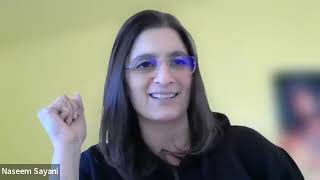
In this hour‑long interview, host Natalie Levy talks with Naseem Sayani, co‑founder of Emmeline Ventures, about her unconventional path from 15‑year management‑consulting career to launching a women‑focused venture fund. Naseem describes how she leveraged consulting, agency, and startup experience to identify a gender gap in capital flows, then built a pilot fund that deployed $0.5 M across 13 female‑founder companies, and is now raising a $10 M Fund I (≈$2.5 M raised). The conversation covers the fund’s LP composition (≈40 % women, many first‑time VC investors), the systemic fundraising challenges faced by women‑focused funds, the importance of mission‑aligned limited partners, and concrete advice for first‑time angel investors (networking, cold outreach, low‑minimum checks, coachability, and equity negotiation). Naseem also shares personal reflections on gender dynamics in consulting and VC, the need for diverse check‑writers, platform censorship affecting women’s‑health startups, and the “flywheel” needed to close the gender funding gap. The dialogue ends with practical tips for aspiring investors, thoughts on diversity across founder demographics, and next steps for Emmeline Ventures.
Chapters
Great. So we're just kind of saying hello, waiting for some more people to join us. So thrilled to be doing this event with you today, Naseem.
Same. I'm excited to be here.
Great. So maybe— I know that, uh, people sometimes sign up and plan to do the recording, and so maybe we'll get started in just a minute, but Any kind of upfront question or anything you want to ask people to kind of drop in the chat or mention in terms of, you know, backgrounds around investing or anything like that?
You know, this is, this is meant to be both inspiring and hopefully educational, right? And so if you have questions on how to get involved, what to do, what's the first step, I don't know what this word means, like whatever it is, feel free to share it all because a big personal mission of mine is to make sure we can get as many women investing as possible. And the big hurdle is, is wanting to ask questions but not knowing when to do it. So this, this is the moment. So just ask and we'll hit everything.
Love that. It's, uh, we create these spaces where you can ask anything.
It's safe to—
there's no bad questions, right? If you're wondering it, we want to answer it. Other people probably have the same question, so please. But we do welcome it if you don't want to speak up, and if you want to do it in a quieter way, we welcome it over the chat as well. So with that, let's kick it off. I know that we have an agenda prepared. Wanted to make sure that today's, you know, conversation was kind of meaningful and getting to your background, you know, your mission, all of the things that I think are really exciting in terms of what you're doing and bringing to the world. So let's start with, you know, what prompted you to move into investing? I know that when we connected, you shared a little bit about this was not your background. Tell us a little bit about that story.
Yeah, it's a great question. And I would— I'll start with I couldn't have told you 5 years ago that I'd be doing this today. But now, of course, in hindsight, everything makes perfect sense. And so I grew up in management consulting. I like to call myself a recovering consultant, given the amount of time I spent on planes doing all kinds of insane travel, but about 15, 18 years of my life in that world. And all of it was focused on digital and innovation. And growth. And the reason that happened is because I joined the consulting— management consulting in circa 2007 when we first had iPhones in our hands. And so the whole world was changing from that point forward. And all of my clients were media companies and CPG companies who were at the front lines of the kind of change we were going to see. So I very serendipitously ended up in a whole experience life of digital strategy and innovation and thinking about growth by way of the data, the insight, the engagement that we could get through devices. So it, it, it was great. It led to then launching an agency inside of the consulting firm, which I ran for a few years, to then actually jumping into agency full-time, to then coming, launching my own digital consultancy, to then actually coming back into management consulting and joining an incubator and going from zero to one on actually launching businesses in market, building startups, raising funding for those startups, hiring the teams for those startups. And you can imagine going from consulting into venture into agency, back into consulting, they are not rooms that look like this, right? It is— there's— the diversity quotient is much lower, the gender diversity in particular much lower. And so when I got to, you know, very like senior levels in those places, I was one of two partners in the room that was female. I was the only one that came from any kind of ethnic background. And so while it was a ton of fun and I loved it and I learned so much, I just had a moment where I felt like I was doing a lot of really heavy lifting. And not really helping the audiences that I wanted to help. Right. And I was not— all the same people were going to continue to get rich and it wasn't people that look like us. And that's what I wanted to do. I wanted to get rich. I wanted people like you to get rich. I wanted this room to get rich. And so I had to take the skill set and redeploy it in a different way. So I went looking for female founders, like literally started just lurking and scoping them out and finding the communities where I could find the women that were building businesses, businesses that were helping other women, businesses that were in healthcare that were trying to change change the game when it comes to access, opportunity, growth, innovation. Uh, and so I got involved. I started writing some small checks. I started acting as an advisor in a couple of cases. Uh, and, you know, you pull, pull the string and the rest is history. And so I met my two co-founders from the fund, uh, by way of the angel investing we were doing. I have a depth of experience in growth, in innovation, in building businesses, in thinking about revenue and go-to-market and those things. One of my partners is deep operations. The third is deep talent. So our complementary skill sets mean that we can lean in fairly heavy in great ways with early-stage founders because we have experience in all the things that early founders are solving for. So we launched a pilot fund about circa 2019, and pilot fund, we stood up an LLC and we started investing together, and we deployed capital about half a million in total across the 3 of us, across 13 companies, across a thesis which I'll describe in a minute. They are all still growing, all still thriving. One just closed her Series A last week. A second is going to close her Series A in 2 weeks. A third is nearly close to confirming her lead investor for her Series A. So we started— we're pre-seed investors with all 3 of them, and they're now closing their Series A. So it's phenomenal, right, to see that kind of growth and activity and traction. So we got— we then went from there to having dinner one night and saying, you know what, we could bring some real capital to this. Like, couldn't we just launch a fund? And it sounds simple, but that's literally the question we debated. Over dinner. And we left dinner saying, yeah, we're launching a fund. We're going to bring more capital to this. We're going to bring more women to the table as checkwriters. And we're going to double down. And so that's what we did. We launched Emmeline Ventures in the fall of 2021 on paper. We came out of stealth in early 2022 with the mission, the website, all the paperwork in order, and started to fundraise in early 2022. So that's where we're at, raising $10 million. We're about 2.5 into it. We've made 6 new investments with Fund I, and then we are off to the races. So it's great.
We have a lot more, we're gonna ask a lot more questions. So that was a pretty answer. Thank you. Yeah. I think, you know, one of the things that I wanna point out is you looked around and you said, well, there's not many women in these seats, right? And how do we change that and what can I do about it? And, you know, very similarly, I started in institutional finance a lot of roles where it was, you know, just men or, you know, not being supported as a woman in the roles. And listen, when I left finance, I never thought I was gonna get back into it. But the thing that ultimately got me to pivot back in and why I'm so excited and thrilled to be doing it is now I'm doing it in mission-driven capacity and I'm doing it in a way that both helps, supports, inspires, you know, works with women. And I think when you realize like you're at a table or you're in a seat and you say, well, I can do this thing and it's not necessarily friendly, it's not necessarily something that is aligned, that doesn't mean you can't figure out how to do it in the way that will be aligned, right? So I love, I love hearing about your story. I think it's really an incredible one. And the numbers you shared, it made me smile because so we launched a year ago as a women-first angel group and we deployed over half a billion across 13 businesses. So wow.
Yeah.
What an interesting parallel there. I love hearing that. So you're clearly very, you know, driven and aligned around women and getting more women into investing. Tell us a little bit about your LP base. And I know I'm using a word right there where somebody's like, what does that mean? I'm just gonna answer it. Who are your investors in the fund? You know, what are the demographics or rough idea of who's an investor?
Yeah, it's a great question because a second part of the mission is to get more women to the table as checkwriters. And so we've been pretty deliberate about bringing more women into the space with us. So we have, I'd say we're kind of topping out at 40. Individual investors currently in the fund. I'd say 2 or 3 of them are family offices, the rest are individuals. 80% are executive women, senior executive women. 60 to 65% of them are coming into VC for the first time. So it's the— we are the first check they're writing into VC. And I love that for so many reasons because one, women are in a place where they have capital to deploy now, right? Different than my mom's generation. And, you know, in simplistic words. And, and then also This is the— I'm the entry point to a whole asset class that we simply haven't had access to before. So it's really exciting that we've been able to, to make that happen early on.
Yeah, that's huge. And, you know, same with us. It's 90% women in terms of our member base. We have 75 that are part of She's Independent Investments, and majority of them are first-time private check writers. It's not to say, you know, maybe they've invested in an income, you know, real estate play, but the first time they're investing in these private businesses, and the barrier to entry is is real, right? Yeah, it's, it's mindset, it's all these things. And to be able to say, wait, we're getting more women into check writing, that changes everything. We'll talk more about it. Um, but let's talk about if you have any advice for those first-timers thinking about stepping into investment in private companies or in venture, venture capital, you know, talk to us about what might you say to that person.
Yeah, it's a really good question. Uh, I would say one Don't hesitate. Don't perceive the barrier to be higher than it might actually be. And I say that because you can start to poke around female-founded companies and do some TechCrunch, et cetera searches. You're gonna start to see some names. Reach out to those people. Quite literally, cold reach on LinkedIn actually works in this space. I have found 3 of the founders we've invested in simply by pinging them on LinkedIn and saying, "Hey, I love what you're doing. Can we talk?" And that will work for anyone that's investing in this space. People find me on LinkedIn all the time. Don't hesitate to reach out, start to ask questions, find companies and spaces that you care about, and find ways to, if they're early enough, you can start to write small checks, right? And start to say, well, how can I get involved? What can I do? How can I help? There's even more events happening now in almost every market around technology, entrepreneurship, diversity, those things. You can find them on Eventbrite, Meetup, et cetera. But there are easier ways to get a foot in the space than maybe it feels like from the outside. And ask the questions. There's no silly, unreasonable, naive question. Ask it all. Like, ask me and I'll help you, right? And I think finding a handful of people, 1 or 2 people even, that you can start to do the wingwoman approach with to join some things is a great way to get rolling.
Yeah, and I would echo that. Ask us as well, right? It's asking the questions. It's stepping into the arena. It's saying, I'm interested, and then following that. And there, by the way, even if you're not accredited, there are ways to leg into or navigate into equity or ownership of decent-sized positions as an employee, as, you know, an advisor or board member, you know, different ways where you can be a part of it. But truly, right, if we're talking about angels, an example, it's you write a check and you're an angel. And I'm not saying, you know, write a really small check and just tell everybody you're an angel just because, but there's so much you learn when you're committing your capital. And so just start participating or start learning, and not just on a theoretical level, but have the active conversations and really, you know, start diving into things you care about. And that's how you learn. That's how you start getting involved.
And the, you know, the, the first check is gonna whet your appetite in a massive way, and then you're gonna be in, right? It's a, you pull the thread and it'll be very easy to get deeper in.
Yeah, absolutely. Well, let's ask a question about your journey and, you know, has there been anything that almost stopped you or, you know, what's the hardest part? What have you, What have you kind of stepped back and said, wow, I can't believe that that happened or what I did?
It's a good question. I will say the hardest part, and any founders on the phone will understand this, I mean, the hardest part is the fundraising. And it's, you know, we have a very deliberate, clear mission. We know what we're after. There's data to support it. Like these are outsized market opportunities that we're going after. But there is a lot of legacy, tradition, systematic problems kind of sitting in the capital flows today. And that's not surprising because we see it in the news every day. And it's breaking through that I think is the hardest thing. And we've made good progress. We're having great conversations across the board. But the nature of the capital system is that when it relies on a lot of network, it relies on a lot of proof points and traction. And it's— it's not as— it's not yet at a place where it understands diversity the way that it should, I should say. And so I've had more than one occasion where we're talking to people that have been in the business for a long time or they've run funds for a long time and again, they don't look like any of us. Then they will immediately be like, oh my God, I love what you're doing. Why don't you go talk to this woman or go talk to this other woman? Or they will, you know, the others keep getting put together. And what I always say is like, yeah, we know each other, right? The diverse founder ecosystem, diverse manager ecosystem is well connected. We know each other. What I need is you, Ally, to get on board and bang the table and support. Like, who can you connect me to? How can you get involved? What resources can you help me provide, help provide to me? And it's like getting to that stage with the existing systems is probably the hardest thing. And it's getting better. I mean, there's so many of us pushing that rock uphill that it's absolutely getting enough attention. But it's been surprising kind of how it can sometimes feel like there's a tower over here that's been built and we are building our own tower. And I quite, I love that. I'm happy to do that. We're all going to make that happen. But I would, I just want it to be more blended.
Yeah, no, I, the thing you, the thing you said about, you know, they're like, oh, meet these other women that are doing X. I mean, it's just, it's kind of garbage, right? Because when you realize how big these gaps are and let's just state what they are, right? VC funding going towards women-owned? Less than 2%, right? Less than 2%. And so if you're just saying, oh, well, go, go play in the arena where it's just women-owned, or, you know, just, just other women, you're missing the point. These dynamics, these gaps, they're so damn big, right? It's going to take all of us, and it's going to take a lot of work, um, you know, to try to equalize or try to normalize or, you know, make funding and, and ownership, you know, something that women, women, and, you know, women-owned, like all these, all these people that have been, you know, historically cut out to give them, you know, access. So it's really, you know, it can be a lot to stomach. And it's something that, you know, if you, I don't know, if you, if you are not okay with no and not okay with pushback, you know, at a lot of parts in the journey, I'm guessing that it might have been okay, I'll stop here. But I can tell, you know, from our conversations, you're somebody who says, no, I'm going to fight for this. And I'm going to make sure that You know, the, the words are spoken and, you know, we're going to fundraise and we're going to make it happen.
We're going to say all the words out loud and we're going to make it happen, right? And we're going to make a lot of money on the other end of it. I know, right? See, we told you. Um, and so that, that's the game.
Yeah. And by the way, I think, you know, at the end of the day, I love the support that women can give other women. And even my journey of getting into angel— or I already was doing angel for about a decade with some really big wins, but to launch this, you know, member-led angel group and to really step into this as a business, um, it was women that said, I want to learn from you, you have a tremendous track record. And so I think it's, you know, it's such a beautiful thing. It's, it's where can we find that power, where can we find that energy? I mean, I was just on a very contentious, um, board meeting, you know, just yesterday, and it's sometimes you have to fight because sometimes other people aren't okay with women with strong voices or women that care for access and equality. And at the end of the day, what can you do? Hopefully dig in and find something that's mission-driven to say, I'm going to change it. So in terms of what you've learned about yourself in this process, right? Adversity, no, hard things, right? It's huge for growth opportunity. It's huge for building self-awareness. What have you learned about yourself in the process with Emmeline?
Whether it's the launching, the fundraising, operating the VC fund, Yeah, it's a, it's a good question. So I will say there's, there's two things. One, one that I didn't learn, but that has become much more apparent. So I'm a horribly impatient person. I run fast, I push hard, I want to get there. But if there's no challenge, I'm not going to run right through, right? As you mentioned, because that's just how my brain works. But I just want things to go faster all the time. And so I have to keep reminding myself that like there's a process. And an approach. And, you know, it's— this is— it's going to take time, and I have to enjoy the journey while I'm doing it. And so that's just something I have to keep myself honest on that. And I've learned a lot better how to do that. And then on the other side of it, to also remind myself to, to feel good about the journey, to take the wins when we get them, to, to realize that in hindsight, we set up this fund in the last 18 months, and we were 3 people that had not stood up a fund before. But we got the paperwork done, we made a lot of really critical legal decisions, we started fundraise. We've raised a good portion of the $10 million, early portion, and we've, we've really started to have an imprint on the market, right? I, the number of founders I meet who say, oh, I've been tracking Emmeline, I've heard about you, and I'm just like, are you really? Like, where? How? Right? And it's, it's, it makes me feel really good because it means that there's something we're talking about that's resonating in the founder community. And that, that for me is really special because it's so important to build trust and to build a relationship and to be able to really team with founders in a thoughtful, authentic way. And I don't want to be like other VCs, right? I don't want to just be a check. I want to be an investor, but I also want to be a partner and to help and to sit next to you. And when shit goes wrong, I want you to call me and say, holy moly, what just happened? And so that kind of really, that knowing that people are perceiving our fund like that in the market without us We put that out there, but to not realize that it's resonating, it's the— it's learning to appreciate the moment. I think I've had to really teach myself to do that versus just continuing to run.
Oh, absolutely. No, I think that that's a lesson that I've definitely been learning. And it's something that just from talking to a lot of times rooms of women and, you know, others that have been on that kind of Type A, like work hard journey, it's you have to take a step back and you have to take the breath. So yeah, I think that's incredible. We've also started hearing some of that where I'm like, wait, you've heard about us? You know about us? And it's a lot of fun. So let's talk about being a woman in this role. I can count probably on one hand how many women I've talked to who have stood up a VC fund. And when I say on one hand, we're talking maybe just a few fingers on that hand. So were you treated differently, or do you believe you were treated differently being a woman? Did you feel like you were pulled to show up to— you know, look like a man or sound like a man or position like a man. How do you deal with if you feel like you were treated differently because of gender? We'd love to hear. And again, this is a safe space. I'll make the reminder for you as well. So you could share whatever you'd like in this, in this forum.
Yeah, you know, it's funny, I have two, two thoughts on that. One is I think having grown up in consulting, which is a whole different beast of a male-dominated space, I hit a point maybe a year before I made partner, where I realized the power of my gender and I leaned in to own it, right? And the reason I realized that was, so I went through early parts of my career being one of many women. Junior, in junior consulting life, there's more women, right? And then we eventually leave when we have families and kids and life needs more attention. And I was always joining meetings and things. And then I hit a point of seniority where all of a sudden I was getting asked to join meetings because the client side had more women, because the CEO was female. And so initially I was like, sure, I'll go. And 2 times into doing this, I said, well, I need to, I need to work this to my advantage. Like, if I'm joining the meeting because I'm the one woman in the room on our side, what's my speaking role? What am I meant to do in the meeting? Which pages am I writing? What topics am I speaking to? And, and I had to get deliberate about making that ask so that I wasn't just the token female in the room. The other thing became appearance, right? So we, we tried the I would, I would try to blend in. I was— I'm not super feminine. I don't like, you know, I haven't had a super sense for fashion. And anyone who knows me will say like, no, she's pretty average. But I just got better at the clothes and the shoes and the, you know, making sure I was— I looked as good as I could because that was the advantage. That was the thing I had was that like, look, I'm going to spend my bonus on a great pair of heels. You better believe I'm wearing it to that meeting because when that CEO, female CEO, sees the red bottom on my shoes, she's gonna go, oh shit, those shoes are beautiful, where'd you get them? That's a relationship I can build with her that the men in the room can't build, right? And I think keeping that in mind was a big lesson and it's worked for me in venture as well. The second thing, and this is just a funny story. So when I told people early on that I was launching a fund and we're focused on female founders, I had at least two people, men in my life, not in my direct life, but extended roles, who looked at me and said, what do you mean businesses that are meant for women?
Like, what do we—
I mean, beyond tampons and things, I don't really know what that means. And it was one of those moments where I was like, holy moly, thank goodness there's other people at the table because I would have chucked something across the room at him and be like, oh my God, you are the problem we have to solve, right? Like, what do you mean you don't know what that means? So I've just gotten better at answering those kinds of questions where I can go, well, here we have behaviors and preferences and spending power and things that solutions are simply not built for. And that's what we're investing in. And as soon as they hear examples, they get it. But that initial response, like, I don't get it. Beyond tampons, what are you talking about? Is a really unfortunate reaction. And so I've had to get better at answering things like that.
Yeah, no, thank you. And you call out what you were wearing. And I want to make a comment about this. I started on Wall Street, and it was all men. And I didn't want them to say, oh, she's pretty. And I'd always wear my hair up. I'd always wear pants. And something happens when you don't show up as yourself. Sure, you know, we all, we all have our own authentic selves somewhere that we're kind of uncovering probably in our lives. But when I realized, wow, you know, I'm a professional, and by not hiding being a woman, um, I can be more powerful. It was a really beautiful and powerful and just amazing journey to kind of step into. And, you know, it's tough because I've seen so many women that are in these male-dominated roles that are still kind of hiding from who they are. And it, I don't know if it's like a, a way to kind of keep somebody from stepping into their power or it's a, it's a, it's kind of just finding the confidence to, to be able to do it, but to be able to say, wait, you know, if you're gonna try to tokenize me, I'm gonna make sure that I get something for this. And you know, you're not gonna put me in the box and you're not gonna make me operate, you know, the way that you want me to, but I'm gonna be who I am. I think it's such a, such an amazing thing. So, So thanks for sharing that. And of course, a fun networking tip, which, you know, buy the red bottoms if you want. It can have a good ROI, right? So let's talk a little bit about, you know, women in financing. You know, if we're going to ever eliminate this crazy funding gap, right, right-size it, you know, make it more equitable how, you know, VC funds and financing, you know, goes to different businesses, you know, do we have to get women into these check writing roles? Do we have to get women into, you know, money flows? Because obviously there's this bigger impact in this, this, you know, bigger play on society if we can get more funding into women-owned. As you said, women-owned, it's— we truly have to transform or evolve the definition of how do we serve our women. And women-owned, guess what, they're the ones that are doing it for the most part. So how do we change those money flows? Do we have to get more women into the check writing roles? Do we have to get, you know, more women into, you know, bigger roles and, and kind of C-level, um, you know, board seat type organizations. Talk to me about the money flows and how much that matters.
Yeah, so short answer is that it matters a lot, uh, and it's kind of pivotal to how we're going to change how systems work, how the world works, and, and how we all have the opportunity around wealth generation that we want, right, or that we deserve. And the way I'll describe it is that there's, there's a flywheel we need to build, uh, and if you think about how existing capital systems work, let's talk about VC specifically. Historically, It's been a lot of male founders, a lot of male founders who then exit, who then have their own capital, who then redeploy it back into VC. This is why the patterns are what they are, right? Because they're growing up, they're exiting, they have cash, they put it back into people that look like them. We need to do the same around women and around diversity. I'll pick it up more broadly. So first step is getting more money into female founders, right? And that's like, that's the duh answer. Like, of course, that's why we're all here. The second part of that is there's a lot of platforms and systems that are actually not helping women build their businesses. So the censorship, the censorship stories on platforms like on LinkedIn, on Facebook, on Instagram, where, you know, words like erectile dysfunction are fine, we can say that all day in advertising, but we can't say pelvic floor and we can't say cervix because those things get flagged. And so those things have to change because from a traction and marketing standpoint, your women's health companies in particular are just simply at a disadvantage because they cannot get the traction numbers because their advertising gets flagged, whereas other companies that say ED all day long are fine. And when you think about the proportions of people affected by ED versus affected by pelvic floor, we're talking about orders of magnitude different in terms of the humans that it affects. So those problems have to get solved. Step 3 is those founders, as they grow up, have to be able to secure Series A funding. There's a really big cliff at Series A when it comes to female founders, and it's a byproduct of not getting enough momentum coming out of seed. And there aren't enough diverse checkwriters at the Series A point in time. So if you take a pelvic floor-focused women's health company who then is raising a Series A, ends up in a room that's full of male investors, they don't even know what the words mean. You're teaching biology for 45 minutes before you get to, here's the thing I solved, right? And so we have to solve the Series A problem so that we don't have the cliff. That's step 3, I would say. Step 4 is then, and this actually starts earlier, is that female founders have to keep an eye on the equity position they hold in their company and not be pushed, convinced, incentivized to give away more of their company than they should. And this happens a lot. It— like, the stories I could tell you would floor you, where women have given away more of their company because they simply didn't know what to ask for, how to stand their ground, and how to negotiate. And so this is why ecosystem around female founders is so important, because this is why I want our founders to call us, to text me and say, hey, I'm getting this term sheet, does this make sense? Because we look very closely at equity positions across, you know, multi-person founder teams. We want to see everyone having the same amount. We want to understand how it's distributed so that when you get to the exit, that female founder has enough capital in her hands to then redeploy it back into the system, right? And to then be the check writer and to be the person that pulls up other people that look like her. And so that has to happen for the rest of this ecosystem to get built. The same thing is true for women that are in corporate and other roles. Like, as they come into a wealth position, there are still so many senior women who leave their home finances to their partner. And they don't lean in. They don't join the financial advisor meetings. They aren't part of the decision-making. We get overrun by care economy needs, by our families, by those things that we don't spend time thinking about wealth, and we need to. We need to say, I'm coming to the meeting, I have a point of view, I have some questions, and that applies for all of us. So if we can do those things, then we're going to be in a position— like, then the VC flywheel gets better. And then as we— the companies, the users that are then supported by the companies we're investing in are supporting women, and then by extension their families and communities, all of that wealth goes up as well. So now you've got a, a human flywheel that starts to get better, right? So we have to be able to do both of those things, but it really starts with making sure more getting capital into more diverse founders and ensuring they have the right equity position as their businesses grow up, uh, and solving for the censorship. I mean, that, that's like everything.
It's such a phenomenal answer. And I have to tell you, some of the data points we've seen, I've been so thrilled to see that these founders, ones that are pitching us and, you know, on their fundraising journey, they're interested in investing, and they're interested in investing sometimes today, and sometimes it's learning so they can deploy or invest, you know, later. And it's it's how do you change the system, right? And I think you made such a good point, which is making sure that, you know, these women who— I know we've thrown out some terms and ask the questions if you have them out there. I think some of the Q&A will wait for later, but if you have a question on the fly of what are we talking about, ask the question. Um, but to be able to negotiate and say, wait, no, I need this equity stake, right? Like, I'm building this business, I'm building this thing. You know, just because you're coming in for capital doesn't mean you can downsize me to to take too much of my position. And one of my questions later, but maybe I'll move it up, is, you know, as women, a lot of times we're not taught, you know, no is okay. And, you know, how do you have the confidence to ask for the thing or to fight for the thing? And we don't always want it to be a fight, but guess what? When it's money, expect a negotiation, right?
Expect, expect, expect.
Plan for it. You've got to plan for it.
Plan for it. Like the, you know, keep your head down, be nice, smile, like, we're done with that, right? So it's, we can't do it anymore. Yeah.
So we'll get maybe more into some of that, you know, in a little bit. But, you know, you're talking or you're speaking from such a place of, you know, knowledge and, you know, having the experience. If we have any newer inspiring investors on this, what would you share with them in terms of starting their journey? You know, whether it be, you know, thinking about writing angel checks or thinking about joining a fund or your fund. What kind of tips or insight do you have there?
I think the, it's a good question. The first, the first thing I would say is finding communities of people that are problem solving the way you are is a great place to start. She's Independent is a fantastic one. Emily Ventures is another brilliant one, right? And you, you find places where like-minded people are coming together, asking questions, looking for opportunities, and they're not hard to find. There's a number of 'em out there. I think that's a great way to start because then you can, you can explore ideas, you can ask questions, you can get and meet some founders, start to see what's happening. There's also a number of financial advisory firms that are now quite deliberately focused on women and helping women think about their capital, especially so either young or at points of transition or other things. And so they are actively looking for clients that they can support, like through these types of conversations. So do the search, send the emails, ask questions. You know, some of it you may not be ready for like full financial advisor support, but you can start to build some relationships now. And I think the community part is the big one. The other thing I'll say is that our firm, we're deliberate about it and there's a, I don't know how many others are doing it, but we are very, very flexible with check sizes coming into the fund. So it can be very hard to get into a VC because the check sizes are typically $250K, $300K and it feels hard and heavy and we don't have the wealth yet to do that. But if you wanted to come in smaller, if there's a number that's more palatable, you know, we're open to it. And so that's, we're keeping that very flexible, especially for first-time investors, just to take the friction out of that first step.
Yeah, I think those are all, you know, really great points. It's, you know, finding like-minded individuals, communities, you know, people with knowledge where you can learn alongside, because it's a big scary thing. And you also don't want to be writing checks by yourself if you don't have any experience doing so. And, you know, I think you made a number of really good points there. I love the accessibility point of, you know, bringing down maybe that check minimum so that people can play for less. We do that very much, you know, within the Angel Group as well. And I think recognizing that you're not just going to throw all of your money, all of your liquidity into, you know, VC or into angel, but having a trusted and knowledgeable, you know, let's say resource on the financial advisory side or wealth management side that can also, you know, give you some guidance. And I'm not saying that they're necessarily going to say, okay, green light, you know, go, go deploy a bunch of capital on risky assets, but you want to make sure that you at least understand the foundational stuff that you need, you know, for security, whatever you want to call it. And if you're mission-driven and you're like, hey, I want to earmark, or I want to know, like, what can I responsibly, you know, kind of commit and allocate, you know, to say women-run, or, you know, these types of concepts, you should have that conversation with them. And, you know, on a previous workshop we did, somebody said, well, I don't feel, you know, comfortable with my financial advisor. I don't trust them. Get somebody else, you know. Find someone else. And You know, especially if you're going through a transition, let's say you're divorced or, you know, you never learn the skills, find somebody who can give you that extra support. Make sure you're asking for it if, if you need it.
Yeah. And the, the last thing I'll add on that is like the, the stock market is the place everyone has historically invested, right? Like put money in, let it ride. The stock market is no less risky than alternative investments in real estate or in venture, right? It's just something you can to see, so it feels more comfortable. But if you're gonna put $5 grand to work, right, you're still wanting to let it sit for 5 to 7 years before you're going to make reasonable money. So if you put it into a female-founded startup that you care about, that you've done the homework on, that you feel good about, it's still going to have to sit for 5 to 7 years before you're going to see a return. So I think keep— keeping in mind what your turnaround time is on that capital is important. And be ready to lose it too, right? Like you could lose $5,000 in the stock market, you could lose $5,000 in the startup. It's, you know, they're not that different.
I do wanna say though, 'cause we might have some people that are earlier on with kind of the investment journey, there are differences though, big differences.
There are, but from a fundamental, like, could I lose it or could I win?
Oh sure. Right. The stock market is also risky, but the difference is the stock market, of course you could take the, let's say the $5,000 went to $4,000, you could take it out. Whereas you're lending these, you know, illiquid kind of private investments for a longer period. I think the other thing to realize is if we're talking about, and I know we threw out some terms earlier and I'm guessing there are questions even though some of you're probably quiet. If you invest in a seed or Series A, right? These are stages of financing. And if you invest in an earlier stage business, inherently there's going to likely be, you know, a lot more significant risk than a company that's been operating publicly for a number of years. But we're not gonna cover all the concepts, but I just wanted to mention that.
Yep.
So tell us a little bit more about, you know, you talked about the flywheel, you talked about, you know, power dynamics, really, really important stuff. How important is it that your LPs are mission aligned? You know, how do you stay true to your mission? Maybe tell us a little bit more about the LP profile. Have you ever said no to money? You know, if somebody's like not aligned? I'm just, just curious.
Yeah, so the LP profile is very important. Mission alignment is very important. And so they have to believe believe in the combination outcome of making money and doing good, right? And, and that putting women at the center of doing good and making the world better is something they believe in deeply. That has to be true. And it has to be true because we're not going to like run after shiny object investments. We're not going to make an exception for a male founder because it sounds like a good deal. Like, and so they have to be very comfortable with those things. The, the reasons we might say no to money, and this isn't— if this applies for individuals up through institutionals, is that there's often people who have belief systems that don't align with where we want to invest. So abortion is a good example, right? So if someone has a belief system that doesn't— they, they are not on sides with abortion the way that we are, or abortion access, um, they shouldn't be an LP with us because we are absolutely going to be funding companies that provide abortion access because it's an important part of women's health, right? And lack of access to that one service can dramatically change her financial outcomes from that point forward. And so we have, we have to be able to support that. And so So if they don't believe in that by way of personal or religious reasons, then we're probably not the right fit. That's also true for large institutions. A lot of institutional funds have their own LPs who have their own belief systems and will often put vice clauses into their term sheets on what they can and can't invest in. And a vice clause is literally something that excludes things. Alcohol, firearms are typically in vice clauses. Stem cell research can sometimes be in a vice clause. Abortion access can be in a vice clause. And so if we are meeting an institutional investor who has a vice clause that excludes, excludes things that are important to our thesis, we won't take that money. And it's because it, it restricts what we can do and it doesn't let us live by our thesis.
Yeah, that's amazing. And it's— let me just tell you, I've heard a lot of people, you know, try to talk about a mission, but it's so clear the way that you represent it. And also the way, you know, I think the reason that, you know, we started Choose Independent, it's like when you're truly mission-driven, you can do so much more and you can get a lot farther. And so it's wonderful to hear how much you're really digging into it. So let's talk about some things that I know several founders care about on this call. I know that we have at least a handful. What do you look for in terms of when you're evaluating potential investments? Are there, you know, things that kind of you have to check the box? Obviously mission, but tell us, you know, before you write a check, what are the kind of big things that you're making sure meet, you know, what, what you need?
Yeah, so it's a good question. We, we have a, we have a diligence rubric. We like have a whole process. Um, but top line, uh, we're looking at some fairly, you know, quote unquote simple questions, right? What, what is the thing and how different is it? Different or better is it versus market, right? It might be brand new or it might be in a space that has competitors. Can we point to differentiation? Can we point to a moat, right? What's going to keep you protected from being otherwise disrupted by the next really fabulous founder who comes at this market? That's one. Two is, does the market care about it, right? So there's so many founders, you hear all the stories, we're like, they have this fabulous idea, but if the market doesn't care, it doesn't matter, right? And so we need to be able to connect the dots and say the market cares about it, even if they're not buying it yet, because maybe it doesn't exist. The market cares and there's a white space. Question three is, can it grow? How big can it get? What kind of scale are we talking about, right? Can we Are there revenue drivers that are, uh, that we can put our finger on and say like there's, it's B2C or it's B2B or it's B2B2C or maybe it's some combination and what does that look like? What does the revenue look like? How do you pivot? How do you grow? What kind of pricing gets applied? We dig into all of that to just really understand scale. Uh, and then is this founder the best founder to build it? Um, that founder market fit for us is very, very important because we have seen businesses where, especially in women's health, and this is not a broad stroke statement, but there are instances where without clinical background or without a strong medical board, solving for women's health can be very, very hard. Uh, and so we want to make sure that that founder market fit is very good. Uh, and if they don't have the clinical background, they have resolved that gap with other people on the team so they can navigate healthcare, right? It's not an easy space to navigate. Uh, and then is there an exit, right? Because of course you want to know that we're going to be able to return some money back in the fund. We're going to see that founder succeed and get the capital that they want out of it as well. And it's— and that is an important question for us, but it's not the first one we ask. We can always infer that by way of the earlier questions, but we have to be able to tell a story that there's a potential, like, here's where it would go if it got bought, here's the role it plays in the ecosystem, here's the influence it has on the market overall. So we're looking for indicators like that. And then the last one, which is our big bravado question, is, is can it change the world, right? Is this something that has the it factor that can change the game for women broadly? And by extension, can it change the game for humans broadly? And that, that is the big, like, change the world statement that we want to be able to hang our hat on. Uh, and for every investment we've made, we've been able to hang our hat on that kind of question. And so it's a matter of what they're building, how they're building it, what kind of data is getting created, what kind of access is getting opened up, what are they changing as far as systems, right? We call it core rewiring. We want to invest in things that are changing how the core works, how systems work, how, uh, you know, different fat parts of our fabric in the community work. And if we can point to that, we get very, very excited.
I love that. And let me just point out, at no point did you say margins, which, you know, so often investors like, oh, we need this, or we need this type of market size. And, and what you're doing is, you know, you're, you're really making this about, at the end of the day, your core thesis, which is changing the world. And I love that you're not like, oh, well, it has to be this thing. I think there's something so powerful about being really mission-driven. And you have a thesis and you have these overarching, let's say, areas in which you'll invest in, but it's not so narrowly, it has to be XYZ. And I think there's something really strong about that when you know at the end of the day what you're looking for.
Then there has to be, there has to be a path to profitability, right? We care about that. We wanna be able to see it in the projections and rely on it. But I don't need you to have margins within 15 to 30% or something out of the gate because it's, we're gonna have to get there with you, right?
Well, I, I'm also saying with the, with the market, meaning some, you know, products or some industries or businesses, like they're not gonna have the same type of margins. We never expect profitability at the, at the stages we're investing in. But like, you know, where is it going? And, and just recognizing that you're not leading with, I don't know, the numbers as much. And I respect that, right? Because you have this thesis and something that's really powerful. So on the flip side, talk to me a little bit about when you've seen the red flag or when you started diligence and you said, you know what, we're not going to invest. I think sometimes those are the biggest lessons. I'm thrilled with our group when we really like something upfront and we say, wait, take a step back. It didn't meet, you know, the bar.
Yeah, yeah. The, the things that throw up red flags for us are— so the founder market fit one will throw us— will, will be a reason we don't invest. So if we don't have conviction that that founder can build a business in that market and that they are the hands-down best person to do it by way of their experience, by way of their interaction with us, by way of how they answer questions, by way of who they've brought onto their team, Those things are all ways that we infer founder-market fit. And so if that doesn't come through loud and clear, then we don't invest. The other thing is when we talk about the business model itself, the product they're building and then the business model, if there's a big assumption that they're gonna change behavior very, very quickly and that's gonna be what drives scale, that's a big red flag as well. You cannot, changing behavior is hard, right? And so you can't change behaviors quickly. And, and the best example is like any of us has maybe 100 apps on our phone, but we use the same 5 every day. And so if you're not gonna replace one of those 5 apps, it's very hard to say you're gonna change behavior. So that kind of visioning anchored on changing behavior is a red flag for us. Not providing enough of a solution is another one. So there's, you often, sometimes you'll see founders that are like, they are this specific slice of the market. And I don't have an issue at all with point solutions. I think they can be really, really good. If you can then also tell a story that says, I'm gonna be the point solution that is the servicer to every other thing that comes in this market, right? That's how big this game change is, is that everyone else is gonna come to me. I love that. But if I can't point to that along with your point solution, then it's very hard to get behind it because you'll be one of many versus the one. And then the other one is around just audience development. You know, how much spend on marketing is this gonna take? Like, are we relying on B2C versus some combination of B2B, B2C or B2B2C. B2C businesses are very hard to scale. They're very expensive. They take a lot of marketing money. And if you're not in a place where you've also built community in some rich, authentic way around the brand, it's hard to, to understand how we're gonna scale that business to a place where it becomes big and different and has high influence. So it doesn't mean that B2C is off the table. We certainly have B2C in the portfolio. We just have to see a lot more of that wrapper on retention, on reducing churn, on community being a big driver of how that B2C stays in place. Great.
I'm gonna add one thing, which is when we're in diligence or any part of your fundraising journey, if you're a founder, we're always watching, we're always learning. And, you know, the story is one thing, but part of diligence and part of, you know, getting to know you, you know, do we wanna invest? It's watching you execute. And let me tell you, it's not just executing your business, But how are you executing that fundraise? We had, you know, in our recent pitch event, you know, one of the companies that we really liked the concept, we're like, well, you know, the pitch kind of fell flat and it's tough. But at the end of the day, are they gonna be able to fundraise? Can they learn? Can they evolve?
Yeah.
Can they get feedback? You know, and these are all kind of things that are really, I think a lot of times founder or, you know, let's say CEO specific. But you made a bunch of really great points.
Well, coachability is a big one, right? And so we're looking in that founder market fit, we're looking for coachability as well because you're going to pivot 3 times in this minimum. So you have to be open to feedback and open to us helping you because that's why we're here. If we don't get a good response on that early on, then like, well, there's not a role for us to play and they seem like they've got it covered. So yeah, we'll talk to the next one.
Well, this was so much fun. You know, I think a lot of great insight. Recognizing we have 10 minutes to the hour, I just want to make sure that we're also leaving time for, you know, some Q&A. And we got a few things in the chat. Tell us what's next for Emmeline. You know, is there something you're most excited about? Where can people find you?
Yeah, so we are— we're in the depths of our fundraising for Emmeline Ventures. So, uh, I can say out loud that we're fundraising. If you have interest and want to talk more, please, please, please reach out. I'm happy to educate and help anyone get involved in this asset class. And like I mentioned, varying check sizes are very open. So that's the focus, full-time focus is on fundraising. I also lead all of our deal flows, so I'm also building a rich pipeline of founders. So that we can keep deploying checks as we're raising. So that for me is really exciting. I mean, the founder community part of the work is, is really where I get really excited. Uh, and so finding me, I'm on LinkedIn, um, email I think will come in a follow-up email, so I'm happy for you to reach out on email. I'm on Twitter, uh, you can find me in a bunch of places. And then if I don't respond right away, it's not personal, it's just that I've got an inbox that is adventurous. And so I will absolutely get back to you, but I would love to meet everyone. So I'm excited. We have a lot of great work to do. And so we're gonna, we're gonna change the world. That's what we're doing.
Love it. Well, thank you so much. Um, again, we're gonna open up for live Q&A quickly. I realized I didn't do a proper introduction, but this is our conversation series at She's Independent. Really excited about adding insight, educating, connecting with amazing founders, investors, you name it. And we have a women-first angel group. And so we're all about access, education, get involved. Um, you know, we, we accept small check sizes. We even have a path if you're not yet accredited. Meaning if you're not ready to write checks, you don't have the capital today, we still have a path for you. So we'd love to hear from you, you know, get you involved if there's interest. And with that, let's go to some of the earlier questions that came in the chat. And I'll quickly mention also we have some upcoming events where we're gonna dive a little bit more into what is angel and, you know, teach you more about investing. All right. So it looks like we had a question earlier. Love what you said about diversity. What are your thoughts? Do you see any future of organizing diversity initiatives around supporting and growing the pool of female founders of, you know, I'm just going to say XYZ descent, recognizing we have, you know, people from different regions of the world, different backgrounds. Do you think there's this cohort, I guess, way to, you know, support different founders? But this was MENA descent was the—
Okay. Yeah, I would say yes. And I, I would love to hear more of what you, what you have in the back of your mind when you ask that question. But there is a lot of energy be going behind targeting dollars at certain subsegments of founders. So for us, like, we're looking at women as our first line, second at underrepresented female founders, right? So we are being very deliberate to make sure that we have a rich amount of diversity in our portfolio, uh, and, and that we are not only pulling from accelerators, we're not only pulling from LA, New York, San Francisco, right? We need to make sure we're finding founders that are in the great places that are that aren't discovered, that aren't top of the radar, because there's smart people everywhere. So that, that's how we look at it. And I know there's, there's also a lot of activity happening around Black founders, Latinx founders, uh, you know, Indigenous founders. And so that momentum is growing, and that there's absolutely a lot of ecosystem building happening in those spaces, and it will continue.
And I think, you know, one of the things you said earlier, which I couldn't agree with more, is sometimes opening it up and saying, well, we're not just going to say it's women, right? Or we're going to say, let's get the white men involved, and let's get, you know, others who are influential, a part of the solution, you're making a bigger impact. So I love sometimes having a space where it's the safer learning space or the ask anything or, you know, the mentorship. But I also love widening it, um, because I— it's huge, right? Because if we're only talking about dollars and we're only talking to women-owned or, you know, women who fund, what impact is that versus saying, guess what, men, you have to do more with women. You have to also allocate and put your dollars there.
Oh, I, I am actively having all the conversations I can with men I've before. It's like, here's what I'm doing and here's why, and come do this with me, right? And they're leaning in. So we just have to keep doing it.
Hey there, this is Miss Sarah. Thank you so much. I really appreciate this whole conversation and also answering my question, but just wanted to clarify, I specified MENA specifically because I am a founder of MENA Descent, but also because it's only— it's one of the only groups that isn't represented in any kind of specific targeted funds. So as you said, there's various funds targeting different groups. And so yeah, it was just something I'm curious about. I saw a few LinkedIn posts for a couple other groups that are working around it, but I didn't know if in your world or in any of the conversations that you're having in this space, if you've heard of anything like that coming up.
And yeah.
Yeah, it's a good question. There's definitely energy around it. I don't think— I don't know of a fund here that has figured out how to source deal flow there. And so I think that that's what we're spending our time thinking about because I would love to invest in that market more. And I think also just from a background perspective, like it would resonate with where I grew up and how I, you know, what I came from. And so that's important as well. But I think it's the deal flow channeling and the opportunity to meet founders there that we just, we haven't accessed enough of. And I think that's what we need to figure out more. Gotcha.
Okay. And mine, I'm based in the US. So my question was more of like in the US space too, because I know it— there are like, we've— there, it's just, it gets so confusing, to be honest, when you look in different markets. But thanks so much.
Yeah, absolutely.
I want, I want to make a quick comment about, you know, Naseema said something earlier, which I think was really fantastic, which is you can use things like LinkedIn, and if you use them well, you can open doors. And what I mean is, let's just say you find a founder or an investor or somebody that you want to reach out to. And you write a meaningful message or you're looking to fundraise, like people are opening those. I'm not saying that we're not overwhelmed and we're saturated with a bunch of inbox garbage, but if you, you know, if you're looking for something targeted and you're intentional, you can absolutely use these avenues to, you know, develop and create the connections that you need. So I just wanted to throw that out there because we look at deal flow, right, that comes to us or, you know, introductions that come to us over these mechanisms. Um, okay, Jackie asked a question about, um, how often, um, will you help to get a new CEO in place if the founder doesn't seem like the right fit to grow the company? Love that.
So we haven't been in a position or in a need to do that yet, uh, but I have heard stories of that happening. And I think, I think it comes down to, you know, there are founders that are really, really good at the zero to one, and then there's a different profile you need for the 1 to 2 and the 2 onwards. And I think that that's really where those decisions start to become important. And so it has to be, from my perspective, it would have to be a shared decision. It would have to be a very collaborative conversation to make that kind of change. I don't ever want to be in a position where I'm booting someone from a company that they've put their heart and soul into. But I do want to be very aware, cognizant, open-minded about what that business needs to continue to grow. And if that's a conversation we have to have, then we need to sit down and talk about it.
Yeah. And it's so interesting because I think some founders have the self-awareness to recognize that they're not going to be the right one at the next stage. Karen Lee responded to this one and put some, some good thoughts in the chat as well, which is, you know, maybe that person should be the face or needs to be. And if they're not coachable, maybe they're not the right person. You know, some founders, you can tell that they're— by asking the questions, they're not going to step away, and that could be a problem. But The ones that are coachable, the ones that can evolve, you know, how much support can you give them? Guess what? She's independent. We might be able to give some support, but we're writing small checks. And so we're not necessarily going to be able to do a ton of heavy lifting. And that's why we like investing alongside other great investors. But yeah, I think a really good point. And then notice it looks like she mentioned a recommendation called Gold House, I guess, for MENA founders. Okay, um, so we got some thanks and I guess no more questions at the moment. Oh, there we go, we got another one. Which part of your previous experience do you find most relevant to your journey as an investor founder?
Oh, that's a great question. So, uh, two. So my consulting life, 100% relevant because I did diligence on large companies in my consulting life. I can know the exact same toolkit is what we use for diligence for our investments. So I know how to tear through financial statements and I know how to understand market sizes and those things. So all of that, that toolkit just comes right back. The other one is on the build side of things. So knowing what potholes are coming, the speed bumps we're gonna hit, what it takes to hire and build a team. I've done those things in multiple roles and I've done them with startups. And so I'm able to problem solve that in really good ways with founders because I've done it before. And so it's, it kind of sits on both sides of those things, is where my past experience has been most useful. Great.
And by the way, I think we can answer these questions from so many angles. I think a lot of the people that have joined us to start investing for the first time come from backgrounds that have nothing to do with finance. And sometimes just unique perspective. And you know, you can apply so many of these life experiences or things that we've learned in different categories to investing. It's just figuring out maybe how to leg into that and then sometimes developing, building the confidence of knowing, you know, when you can apply and kind of learn from a past experience. Great. I know we're kind of up to time, but this was such a pleasure and we got some questions across. Thank you so much, Naseem. Keep doing what you're doing. We are looking at deals, you're looking at deals. Let's keep talking about them, you know, figuring out how to impact these money flows and And I guess with that, I'll just mention that we are going to send a recording of this and we are going to send a note, a follow-up note, and Naseem is also gonna incorporate some language into that. And so make sure you opt into the emails so that we can send you something. We've shared Naseem's email and so you can also reach out to her directly. I'm just natalie@sheisndependent.com. Thanks for the shoutouts in the chat. And anything else you wanna say before we close it?
No, this was awesome. Thank you so much. Love the conversation as well. And I, I love a room that looks like this, so we just gotta do this more. Absolutely.
Thank you. All right.
Amazing.
Thanks so much.
Bye.
More from Naseem
“People kept handing me airplane parts. But I was building a rocket ship.” #femalefounders
“What you don’t ask for, you don’t get.” #femalefounders #magicalthinking #venturecapital

“Everything you’ve heard about fundraising is true.” #startupfunding #femalefounders #podcast
How's That for Masculine Energy with Jenni Ogden #femalefounders #venturecapital #podcast
Bias Isn't Personal #femalefounders #podcast #venturecapital #startupfunding #thecapitalflex
How many times can you hear “no” before you start questioning your worth? #femalefounders #podcast

Trust the Expert, Not the Pattern with Dr. Maria Ulokoof VULVAi #femalefounders #podcast
Misaligned Capital Is Still a No with Lisa Hillyard #femalefounders #podcast #founderenergy