How does the decision-making ability of a fighter pilot translate into everyday life? 🤔🛩️
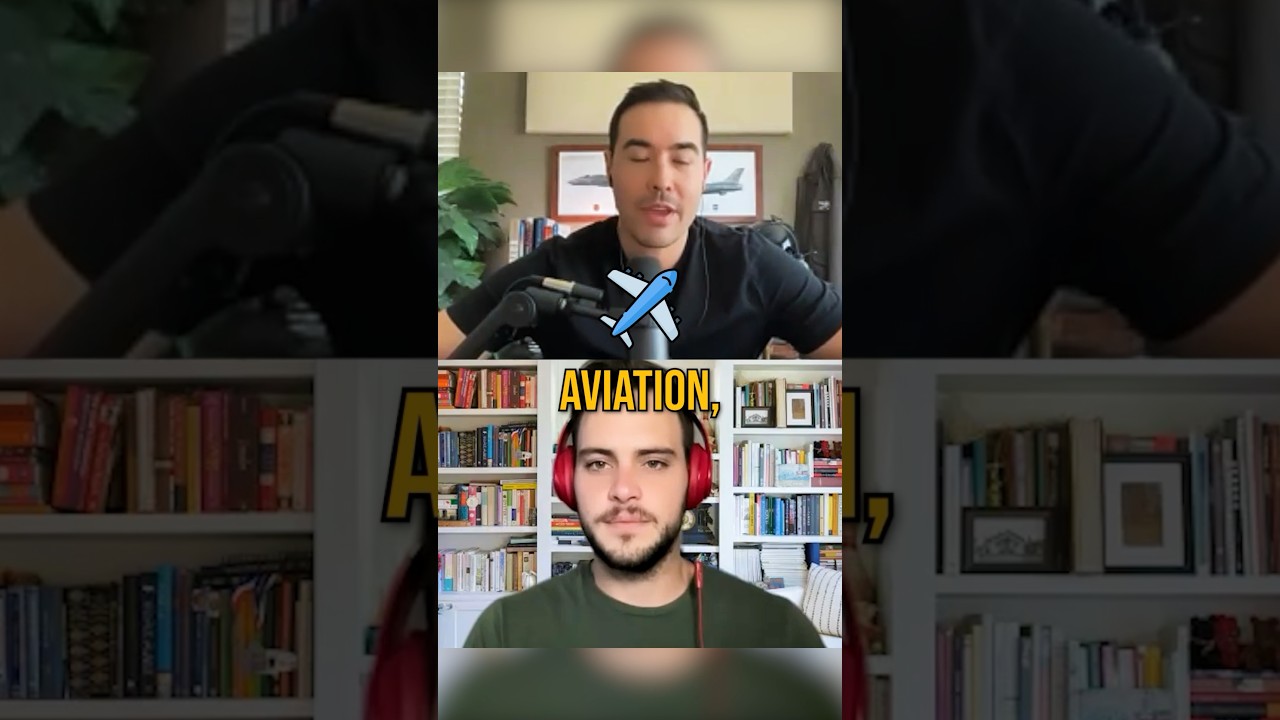
A fighter pilot explains how constant split-second decisions in the cockpit build decision-making skills for civilian life. He uses a risk-to-reward calculation: probability of positive outcome times its benefit minus probability of negative outcome times its cost. Soloing a Cessna 152 forces you to own every choice, sharpening the habit of weighing risk versus reward.
Chapters
More from Nick

Napoleon Hill’s “Think and Grow Rich” is a timeless classic #selfhelp #personaldevelopment

4 Books to Help You Get Better at Decision Making #selfhelpbooks #bookrecs #nonfictionbooks


Have you read this book yet? 📖: The 5AM Club by Robin Sharma #selfhelpbooks #robinsharma


5 Books That Will Boost Your Financial Intelligence #financialfreedom #nonfictionbooks




Books are the greatest mentors you can find #selfhelpbooks #businessbooks #successmindset

Let’s fight this toxic instant gratification culture together 📖 #selfhelpbooks #jimkwik