Tommy Dobczyk explains how systems thinking, delegation, and automation build sustainable income streams he calls a money pyramid. Unlike illegal schemes, this model uses leverage to turn existing earnings into capital, then applies it to real estate and rental portfolios for generational wealth.
Chapters
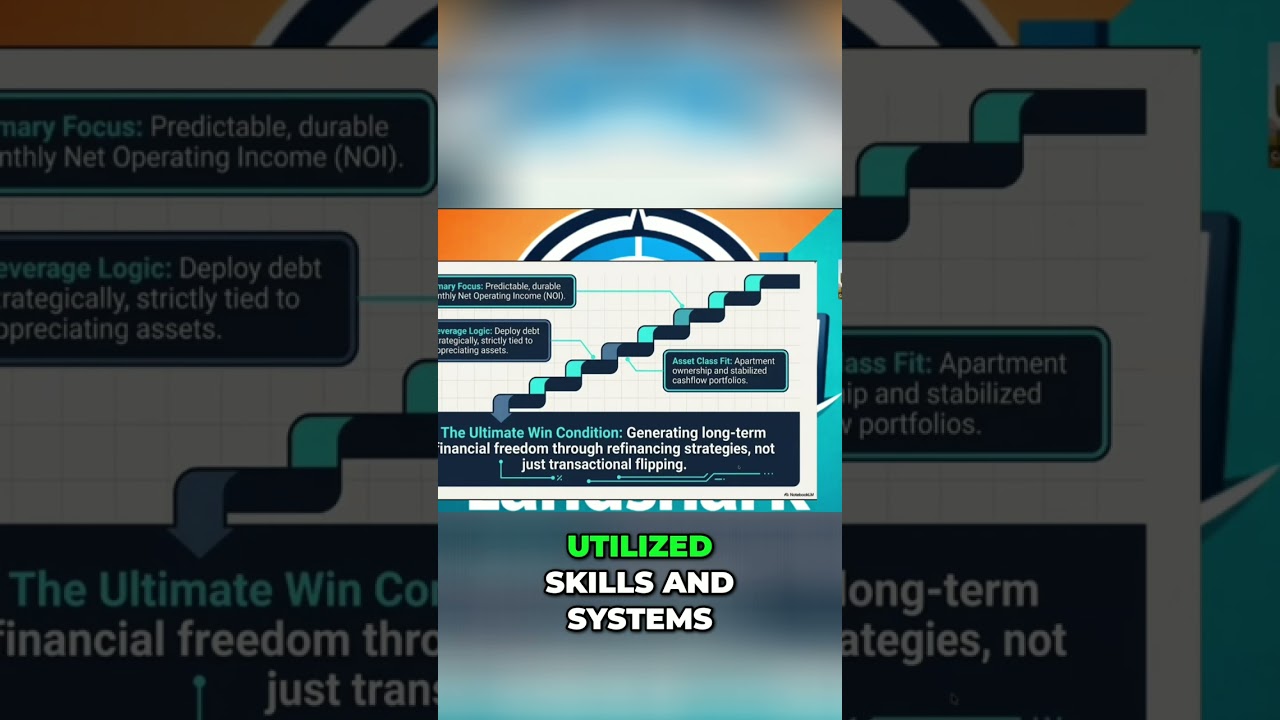
The systems architect edge is that they understand repeatable workflows. They can get— they're really good at delegation and automation. They believe in having a strong foundation, such as infrastructure. And then they also have a scalability mindset. Building out is important when you're building big projects like affordable housing, right? So within this, there's the primary focus is the predictable, durable income, and then having a leverage logic. And so what that does is it allows for there to be Like I'm making money and then I'm going to leverage that to make more money and continue to make more money. And when you're able to build a pyramid of money, right? So many people hear the word pyramid, they immediately think scheme. And that comes from the fact that somebody utilized skills and systems to outmaster the system. And so everybody hears pyramid, but guess what? We still don't know how to build the damn thing. So when I say pyramid, I think about the fact that our ability to do that level of development and design and Technology is gone because we forgot it. And so when I talk about it in the financial world, we have forgotten some financial tricks like building pyramids out of our cash. And we've done that because society says, oh, you gotta have a new car, new shoes, new pet, new house, new cat, new dog, like all these cool things. And what we're doing is we're fulfilling this psychological or emotional need. So inside of this, it shows here that with that primary focus and that leverage logic, it fits well. With apartment ownership and a stabilized cash flow portfolio. So this grows into generational wealth, Tommy, in this outward.