The Opportunity Zones program tried to funnel billions into struggling neighborhoods but faced fraud and misuse. A major overhaul created Oz 2.0 with stricter rules, new oversight roles, and compliance tools. The question remains: can it actually deliver returns and help communities at the same time?
Chapters
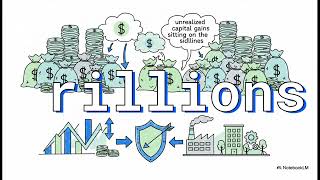
You know, what if I told you there was a government program trying to funnel literally trillions of dollars into America's most overlooked communities? Well, it's real. It's called Opportunity Zones. And it's one of the most ambitious and frankly, controversial economic experiments we've seen in a long time. Today we're going to dig into its rocky start, its massive reboot and ask the big can it actually deliver on its huge promise? Alright, so here's our game plan. We're gonna walk through this in five parts. First, the grand vision. Then we'll look at the cracks that started to show in what we'll call version 1.0. After that, we'll see how a huge overhaul created Oz 2.0. And we'll meet the new hero of this story, the superadvisor. And finally, we'll wrestle with the ultimate can this thing really work for both investors and communities? So let's start at the beginning. What was the problem that Opportunity Zones were even trying to solve? Well, in one word, inequality. The recovery after the Great Recession was, well, a tale of two Americas. Some zip codes were absolutely booming, while others were just getting left further and further behind. The whole idea behind Opportunity Zones was to try and bridge that gap to create a really powerful reason for investors to put their cash where it was needed most. Okay, try to picture this a massive, massive reservoir of money. We're talking trillions of dollars in unre capital gains just sitting on the sidelines, not really doing much. The whole point of the Opportunity Zones program was to tap into that reservoir. So the big question was, right, could they actually build a pipeline strong enough to get that money flowing from Wall street to Main Street? And look, this was never just about giving investors a simple tax break. The ambition here was so much bigger. I mean, you can see it right in these core goals. The idea was to create this amazing virtuous cycle, pull in long term investment, which would then spark job growth, which would revitalize entire communities and do it all on a national scale. It was a huge swing and this thing launched like an absolute rocket. In just a few years, thousands of these zones were created. And as you can see from this timeline, by 2022, over $100 billion was already pouring in. On the surface, it looks like a massive success, but. And this is a big but, there was a dark side to all that rapid growth. And here's where the story takes a turn. Think of oz 1.0 like a piece of software that was kind of rushed to market. It was a brilliant concept. For sure. But it was just riddled with bugs and missing features. And those bugs, that real lack of oversight, were about to create some major problems for the very communities the program was supposed to be helping. This slide really just says it all. You look at the promise on the left. The idea was to help the most distressed places. But the reality on the right, well, the money flowed uphill. It went to areas that were already growing, already gentrifying. So instead of planting new seeds in forgotten rural towns or struggling city centers, the program was often just fertilizing a few gardens that were already doing pretty well. And this wasn't just a handful of one off situations this big. Respected institutions like the Brookings Institution started ringing the alarm bells. Their research backed up this really disturbing trend. The program was helping areas that were already on the upswing, while the places that needed it most were being left behind. Again, the whole point of the program was suddenly on the ropes. Let's just look at a quick cautionary tale. The Buckeye Oz Fund out in Arizona. They had these huge dreams. They wanted to build a whole new tech hub in a community that was really struggling. But they got completely bogged down in the swamp of vague rules, city red tape, and political infighting. It's really the perfect storm. A textbook case of how even the best intentions can get crushed by a flawed system. Okay, so with stories like Buckeye piling up, the whole program was at a crossroads. It was either gonna die a slow death or it was gonna have to be reborn. And thankfully, policymakers chose to go back to the drawing board. They came up with a pretty radical plan to save the program from. And what came out of that was a landmark piece of legislation that just completely changed the Opportunity Zone landscape. And listen, this wasn't just some minor tune up. This was a complete engine rebuild. The whole thing was designed to add guardrails, to add accountability, and to add some real oversight. So this new law brought in four huge changes. First, it demanded transparency so we could all finally see where the money was actually going. Second, it cracked down on abuse to stop people from just gaming the system. Third, it created new incentives for rural areas through these things called qualified Opportunity rural funds, or QORFs, to make sure no community got left behind. And finally, it gave the IRS the teeth it actually needed to enforce the rules. Honestly, the difference was night and day. If Aussie 1.0 was the wild west, you know, a total free for all, for adventurous investors, then Aussie 2.0 is way more like a modern city. It has clear Rules, strong infrastructure, and a whole new professional class of experts and to help you find your way around. But all this new complexity brought a new challenge. I mean, how could anyone possibly keep up with all these new rules and regulations? Well, the answer came in the form of a new kind of hero for our story. The Superadvisor. Now, these are not your typical number crunchers. Think of them as part translator, part architect, and part guardian. These are the people who stand at that really crucial crossroads, making sure the deals that get done on are good for both the investor's wallet and the community's future. But hey, even with superpowers, these advisors can't do it all by themselves. To manage all this new complexity, define the right projects, and make sure they follow thousands of pages of rules, they need some serious backup. And that's where technology comes in. So you get a tool like Deal Hunter by Landshark. It's basically a heat seeking missile for good investments. In just minutes, it can scan an entire city, find the most promising properties, analyze all the zoning laws, and run the numbers. It's just a total game changer. And then you have something like Oz Wizard. Think of it like having a whole team of lawyers and accountants right in your pocket. It navigates that maze of regulations, it spots potential problems way before they happen. And it makes sure these huge multimillion dollar projects don't accidentally trip over some obscure IRS rule. So where does all this leave us? Has all this new regulation and technology actually made a difference? Can you really do well by doing good? That is the billion dollar question that Oz 2.0 is trying to answer. This table really tells the whole story. You can see the shift right here. Aussie 1.0, that was the gold rush. It was driven by tax breaks and it attracted a lot of speculators. But Oz 2.0 is a much more mature market. It's focused on compliance and real impact. And it's attracting serious institutional investors who are looking for both a financial and and a social return on their investment. But let's be real for a second. Even with all these new tools and all these new rules, this is still a tough nut to crack. It is not easy to make money and make a difference at the exact same time. It takes a really special kind of investor, a special kind of project, and a special kind of advisor to actually make it work. So is Oz 2.0 the answer? Is this the magic bullet that's finally going to solve economic inequality in America? You know, the jury is still very much out on that, but one thing is for sure, it's a bold, fascinating experiment, and it's something we all need to be watching closely. Because if this thing works, it could really change the game for communities all across the country.