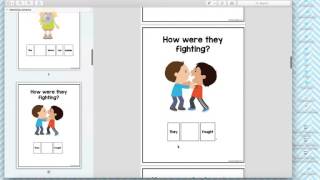
Sasha from theautismhelper.com presents three adapted books that teach adverbs through matching, multiple choice, and opposites. The series uses movable pieces and anchor charts to help students identify adverbs in sentences and understand how they work in context.
Chapters
Hi, this is Sasha from theautismhelper.com, and this is a video product preview of my Adverb Adapted book series. So the first, first book in this series is the Matching Adverbs book. There are 3 books included. This first book introduces the concepts of adverbs and allows students to practice matching. So if your students are new to adverbs, I think this isn't a concept that we specifically teach enough. These are great even for your students that just have a goal to increase their vocabulary. These are really important terms that can really add to the quality of your language and writing and communication. So this is a really great skill to target. Um, so this matching book includes this kind of first anchor chart. Um, each Adapted book series includes a matching book that has this first anchor chart. So I think these would work awesome posted in a classroom altogether if you get the bundle. Um, and these two kind of cues visually and using the text clue in students as to what an adverb is and what their purpose is. Um, so each page starts with a question and students will include the adverb to describe each verb. So when did he ride his bike? Yesterday he rode his bike. When does he wear a backpack? He always wears his backpack. He shouted loudly. She very quickly slides down. So a wide range of types of adverbs are included, from very to yesterday to quickly, patiently. But sometimes words like outside and yesterday do function as adverbs, so I wanted to make sure to include those in here as well. And then here's the storage page. The next book looks at picking the appropriate adverb, so taking the entire sentence and using those context clues and inferencing skills to select the appropriate adverb. This is a really hard skill for a lot of our kids, and this is something that is so, so great to target. So this like looks a little bit like a multiple choice question. There's a movable star piece that students will put on the correct adverb to indicate their response. So she cried angrily when she lost her backpack. He He quietly read from his favorite book. She nicely fed the ducks and ducklings pieces of bread. So filling in the— pick the best adverb for each sentence. So there's a ton of different options because again, we really want to give our students a lot of opportunities to practice this skill. And especially if you're doing these books in a small group, each student will still have a lot of opportunities to practice. Here's the storage page and the movable pieces. And then the last one kind of incorporates opposites as well, which I really like. So each page has 2 prompts, 2 sentences. One is filled in and the other the student will fill in, and they will find the adverb that is the opposite of the underlined adverb. So, "The turtle walks slowly. The rabbit hops quickly." "The girl talks happily. The boy talks angrily." So it kind of goes through different adverbs and identifying opposites for them, because adverbs can have opposites as well. So it's a nice way to kind of tie in 2 different grammar concepts into the same book. This was a product preview of my Adverb Adapted book series by theautismhelper.com.