2:09
An educator recommends Sincerely, Your Autistic Child, an anthology by autistic authors, for classrooms and parents. Reading books written by autistic people helps correct misconceptions and builds genuine acceptance beyond awareness campaigns.
An educator recommends Sincerely, Your Autistic Child, an anthology by autistic authors, for classrooms and parents. Reading books written by autistic people helps correct misconceptions and builds genuine acceptance beyond awareness campaigns.
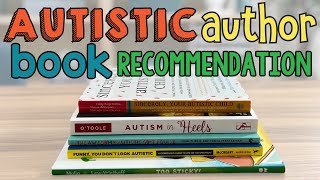
April is Autism Acceptance Month, and I want to share my favorite books and my favorite things to do this month in particular for sharing autism acceptance and really teaching your school community about autism. So I'm gonna get to these books in a second, but what I, what I think about April, I think this is a good prompt for us to really expand that circle of acceptance, of understanding, and really knowledge, going beyond awareness and going to understanding. That's 'cause that's something that kids can apply and use on a day-to-day basis and really start to shift the cultures of our school. So one of my favorite ways to do this is to go into gen ed classrooms and conduct lessons and activities about autism with those classes. So often we aren't directly talking to our kids about these things and they might be inferring things incorrectly or misunderstanding things. And it's a great opportunity to clear up any confusion. And I like to do that with books. It's one of the things I lean on a lot. And I really like to lean on books that are written by autistic authors because it really ties everything together so well. It empowers our autistic community and it's a great way to learn from autistic adults exactly what it means to be autistic, right? So I like to start activities with a book. There's lots of cool options for depending on the age level and I'll share a few in a second and then lead that into a discussion and really answer questions and be transparent and be direct and allow kids the opportunity to discuss. So let me share a few of my favorite books. And this month I want you to add this book to your book reading list. This book is called Sincerely, Your Autistic Child: What People on the Autism Spectrum Wish Their Parents Knew About Growing Up, Acceptance, and Identity. It's a collection of short stories all written by autistic teens and adults that gives such valuable insight and lessons. This month and all year long, we want to turn to autistic adults to learn about what it means to be autistic and to have this different set of needs. This is a great book and a great book to recommend to parents, clinicians, teachers. And so whatever role you're in, read it and then recommend it. That can be the second step, right? And really take the lead this month to spread acceptance in a meaningful and important way.










