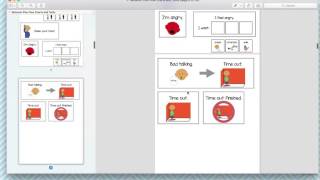
Sasha from theautismhelper.com shows a downloadable behavior-plan resource with 20+ customizable flowcharts, ABC data sheets, and replacement-behavior visuals. The templates guide you through defining target behaviors, analyzing their function, collecting data, and training staff on consistent responses. Everything is editable and ready to print.
Chapters
Hi, this is Sasha from theautismhelper.com, and this is a product preview of my behavior plan flowcharts and resources. So when you get this resource, it's gonna be a zip file, which means it's a bunch of different files clumped together. So there's some components that are editable because this resource is especially in need of individualization for your behavior plans. Everything is editable in here, so there are versions that you can edit and change, and then the PDFs that are ready to go. So I'm gonna start with the PDFs because it explains the whole resource, and then I'll show you the editable components as well. So this resource, Writing a Behavior Plan, can be very overwhelming. It's a lot of work, and this resource really guides you through the whole process from assessing the behavior all the way through to staff training. And these behavior plan flowcharts are really kind of like the shining star of this resource because I'm pretty obsessed with them. So here's the table of contents and some kind of notes and advice. Really, there's no one-size-fits-all formula. Everything needs to be individualized. This resource is really designed as a tool to utilize in this process. So first thing are these general steps to creating a behavior plan and what resources I have for you related to each step. So all the way from creating your behavior definition, going through the details of exactly all the components you need to define the problem behavior, looking at the functions of the behavior, so why the behavior is occurring. This will also help you and when you analyze your ABC data. Those charts are in this as well, ABC data sheets. This will help you analyze your ABC data. Selecting a replacement behavior, which is super key to any successful behavior plan. There's instructions included here. And then replacement behavior visuals. So these can be used in a variety of ways, which will be highlighted in the behavior plan flowchart. So a different, different visuals to use for requesting attention, timeout, escape, things like that, and sensory as well. So all of the different possible replacement behavior visuals that you might need are included in here as well. So here's the explanation of the flowcharts, why they work great, why there are editable versions, and then how to utilize these in staff training. Because in reality, we're not the only ones implementing the interventions in a behavior plan. Our whole team is, and that tends to be where things fall apart. When teams aren't trained in a cohesive way. So this is really key. There's 20 different behavior plan flowcharts included in here for a wide range of common behaviors I see, but these can be a starting off point. You can utilize and tweak these as much as you need. So I wanted to include a detailed table of contents as well as breakdown of what's included so you're not printing this whole set and wasting much ink. You can find exactly what you need. That's all included here. So the behavior, the function of the behavior and the replacement behavior. So it's not just aggression. What you're doing for aggression that has a function of attention versus a function of escape is going to be very different. So I really wanted to highlight that here. And then each behavior plan flowchart kind of follows the same thing. The behavior function and replacement behaviors highlighted on the top, and then there's a spot to write in the definition, which is great for staff training. And then it goes through this kind of flowchart of exactly how you want staff to respond based on how the student is responding. So there's a ton of different versions, whether it's an escape behavior when a work task is presented, whether it's self-injury that's based on a sensory need. There's really quite a range of different options and what to do to follow suit, um, and including what to do when a student uses that replacement behavior. If this is seeming overwhelming, I do explain everything in detail. That's why those first 10 pages are included to kind of go through the whys behind this all, as well as how to utilize this. So if you're feeling like I'm speaking another language right now, don't worry, it's all included, explained in detail in here. Here are the ABC data sheets. These are also editable, so you could go ahead and write and change the common antecedents, the common consequences, things like that. So there's 5 different versions based on how you prefer to take ABC data. Again to determine that function. And then here are the editable behavior plan flowcharts. So you can go ahead and change all of these as needed based on your specific behavior plan and specific student. And the ABC data sheets are also in PDFs. These are some great, great ABC data sheets. I really love these. This is one of my favorites, just checking what happens before, what the behavior was, the consequence. So something pretty quick and easy. So again, this was a product preview of my behavior plan flowcharts and resources. A great, great way to guide you through that behavior plan process for any types of behaviors. Thanks.