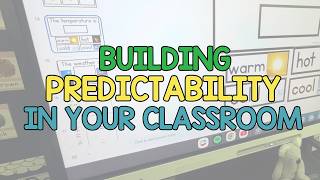
Michelle, an autism classroom teacher, uses three questions each morning to help students understand schedule changes: what's the temperature, what's the weather, and will there be outdoor recess. Stating both the fact and the reason reduces anxiety and challenging behaviors during transitions.
Chapters
Have you ever walked into school on an inclement weather day and thought, "Oh no, indoor recess is going to derail my entire day"? Or maybe you've seen how one unexpected change like no outdoor recess can completely throw your students off before the day even begins. Hi, I'm Michelle. I've been working in self-contained autism classrooms for almost 20 years, and today I'm going to talk about executive functioning and how we can proactively support our students when the day doesn't go as planned, especially with things like inclement weather. One of the biggest game changers in my classroom has been building predictability into the very start of our day. Every single morning as part of our routine, we answer 3 simple questions: how the temperature is, how the weather is, and do we have outdoor recess today and why. This visual comes straight from the Executive Functioning Toolkit, and I truly cannot overstate how impactful it has been for my students. This visual does two really important things. First, it clearly shows what is happening, and just as importantly, it explains why. That why piece is huge for executive functioning. For many of our learners, it's not just the change that's hard, It's the lack of understanding behind the change. When recess suddenly moves indoors and no one has explained why, that can trigger anxiety, confusion, and behaviors before we've even gotten started. By using this visual every morning, I'm helping my students practice skills like anticipating changes, adjusting expectations, and building flexible thinking. And because we talk about it before recess happens, I hardly ever see negative behaviors around this transition anymore. The kids already know what to expect, and their bodies are calm because the uncertainty is gone. What's the temperature today? Oh, it's so cold!
How's the weather? Today is cloudy. Do we have outdoor recess today? No!
No! No outdoor recess!
No outdoor recess, and why?
Because it's raining. It's snowing.
It is not snowing.
Let's try again.
We do have rainy weather, and because?
It's cold.
Too cold.
Thank you.
The Executive Functioning Toolkit is packed with tools just like this. Visuals and supports that help students plan, wait, problem solve, and reflect. It's not about reacting after behaviors happen, it's about preventing them by supporting executive function skills all day long. If changes in routine tend to be a struggle in your classroom, especially around things like weather, assemblies, or schedule shifts, this toolkit gives you practical visual supports you can use immediately. Executive functioning can be worked on every single day in your classroom. I want you to check out my next video about how I support my students with their executive functioning at centers.