In this bilingual (English/Spanish) video preview, Sasha from TheAutismHelper.com and a Spanish‑speaking co‑presenter introduce a packet of autism support visuals and behavior tools that have been fully translated into Spanish. The presenters explain that the packet includes clear, step‑by‑step directions so that educators, therapists, or parents who are new to autism can easily implement the materials at home or in school. They walk through each type of visual—motivation cards, wearable cue cards, timeout signs, behavior charts, routine schedules, environmental labels, and technology‑use guidelines—describing how each supports Spanish‑language learners with autism in understanding expectations, communicating needs, and managing behavior. The video emphasizes the ease of use, the visual nature of the tools, and the goal of improving communication and behavior outcomes for Spanish‑speaking children with autism.
Chapters
Hi, this is Sasha from TheAutismHelper.com, and today we're here to show you Spanish visuals and behavior tools. All of these tools are translated in Spanish, so you'll have the opportunity to use this for your Spanish language learners with great success.
Como puedes saber, aquí tenemos un buen recurso para todos, especialmente las de habla hispana. Tenemos todas las herramientas para ustedes para trabajar con niños con autismo, y vamos a seguir y vamos a hacer un repaso de todas las cosas que vienen en este paquete.
Included in this packet are different directions for each visual included. We included very specific directions and instructions for using this, so if you are new to the autism world, you can easily understand how to use these in your home or school.
Y lo bueno de este paquete es que es muy fácil de usar. Las direcciones son claras y es algo que alguien puede usarlo y es muy fácil para usar. Si por primera vez han nacido o no conocen mucho de autismo, Con este paquete lo van a hacer muy bien y es muy fácil para entender.
First up, we have an I Am Working For card, which will show children who struggle with knowing what they're working for to choose an item to work for and have different stars as they earn the task.
Primero, lo que tenemos aquí, tenemos una cosa que niños que van a trabajar para algo, cuando un niño hace un buen trabajo, los queremos dar un buen, por ejemplo, una estrellita o algo que les guste, como un iPad o lo que sea. Y aquí tenemos un programa y tenemos las fotos para que puedan ver Cómo usarlos, si se portan bien y para qué van a trabajar.
Next, we have different visuals that you can use to wear around your neck. You can laminate these and hang them on a string. These are great to show children who struggle to understand your language what you want them to do.
Y como ustedes saben, niños con autismo se les hace muy difícil para entender como cualquier otra persona el lenguaje. Ellos necesitan muchos visuales para poder trabajar. Y aquí tenemos muchas fotos que usted puede cortar y puede hacer un collar. Para que sea más fácil para comunicar con niños de autismo.
Next, we have a timeout visual. This can be hugely successful for showing children when they get a timeout. The instructions explain how to set up this really powerful intervention.
Y también tenemos algo que es muy importante que se llama tiempos de castigo y eso los va a ayudar para que, por ejemplo, si un niño no se porta bien o no sigue las reglas, tenemos visuales para decirles, ¿saben qué? Lo que están haciendo no es correcto. Y es una forma buena para corregir el problema y para trabajar con ellos para que no vuelva a pasar.
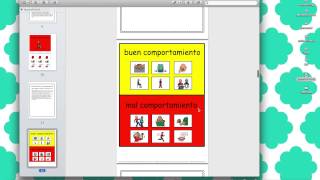
Next, we have visual good and bad behavior charts. This is great to show exactly what behaviors we expect from our students.
Y también tenemos otras formas y otras fotos que pueden ver que dice qué es buen comportamiento y qué es mal comportamiento. Y esto va a ser muy, muy importante cuando los niños, los que trabajan bien y hacen lo bien, tenemos buen comportamiento, y los que se portan mal y no hacen lo que deben de hacer, también tenemos visuales de mal comportamiento para que ellos sepan lo que es bueno y lo que es malo usando visuales.
Next, we have a few different visuals for common classroom routines.
Y lo próximo lo que tenemos, tenemos algunas fotos e imágenes para ver las rutinas del día que pasamos todo el día llegando a clase, yendo al baño, lavarse las manos, cosas sencillas que usamos al día al día en la escuela y en las clases.
Next, we have different visuals that you can use to label your classroom or home environment. This really helps your students know where different things are located and what those things are named.
Y en esta parte tenemos visuales que usamos al día a día. Tenemos muchos visuales donde podemos ir a comprar las cosas, donde los niños pueden ir a lo que están en clase, cómo buscar cosas en las clases, como fotos donde está el buzón, donde está el baño, donde están los útiles, y es algo que les va a venir a ser mucho porque todos son visuales para ellos.
Next, we have a few different visuals related to technology, related to using the iPad and the computer. These can be hugely successful in both the classroom and the school.
Y algo muy importante que es la tecnología. A todos los niños les gusta la tecnología y eso es muy importante porque habla de las reglas de cómo usar la tecnología en la clase. Puede ser el iPad o la computadora y la buena forma de pedir las cosas y cómo hacer para que un niño lo pueda usar en la clase.
And that's it. We hope you enjoyed looking at the different visuals and behavior tools included in this Spanish packet, and we hope to bring you more Spanish language tools from theautismhelper.com.
Muchísimas gracias por estar aquí con nosotros. Esto es todo lo que incluye en el paquete, y como puede ver, son herramientas muy importantes para niños con autismo. Muchas gracias por estar aquí y cualquier cosa aquí estamos por ustedes. Muchas gracias.