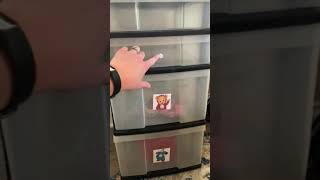
Gina from The Autism Helper shows how to build a 4-drawer workstation for independent or small-group learning. Students pull cards with favorite characters like Daniel Tiger, match them to drawers, and complete fine-motor tasks inside. The system works for multiple kids at once and keeps motivation high by using preferred items instead of traditional letters or numbers.
Chapters
Hi everyone, this is Gina from The Autism Helper. I wanted to show you this 3-bin drawer work system that could also double as a little teaching station for you and your kiddos. I love teaching independent work, but I also love using this style in a group setting. So you can have this 3-bin drawer system— well, technically this one's 4— um, near your desk or your group table So if you want to teach multiple kids at a time how to use this type of system, like I said, you can just pull it up next to your table or your desk area. And then I love to use— I work with really little young learners, so, you know, a lot of my kids love Daniel the Tiger, and this student really likes, um, Pete from Mickey Mouse. And I also have one up here that actually has his picture on it, and I didn't— don't have that on there for privacy reasons, obviously, but Um, I just wanted to pick pictures that were motivated for this specific student, but in the classroom you can use anything you want. A lot of people might use numbers, but I love doing, um, shapes and familiar characters that are very preferred and motivating for our kids. Plus, usually they're working on matching objects to pictures or pictures to pictures. So, and don't feel bad if you're not using like a letter or a number or a shape. It can be, um, a preferred. So this 1-2-3 schedule is actually from Made for Me Literacy. I'll put a link in there for you. But basically, you know, when I'm sitting at my table, or if you're teaching a child independent work, you teach them to take off the first one and then match it and then pull out the drawer, and whatever is in there is what they complete. So this is a little, um, close fine motor activity. You would put things in here that the student has mastered already, um, and sometimes in the beginning when I'm just Um, showing this, I put like some very preferred things in here so they are motivated and they enjoy doing the tasks. And then obviously the second one, same thing, they match, pull it out, and they do the task inside. So again, if you're sitting at your teacher table, you can have kids come up and practice taking it off the schedule and matching it to the drawer. That way you have multiple kids that you're showing