0:35
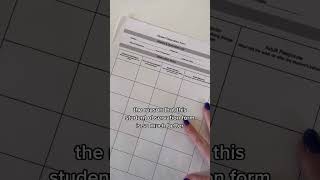
A structured observation form helps teachers record what students are actually doing alongside what's expected of them. This two-part approach replaces vague notes and produces clearer data for understanding problem behavior.
A structured observation form helps teachers record what students are actually doing alongside what's expected of them. This two-part approach replaces vague notes and produces clearer data for understanding problem behavior.
You are doing a student observation and trying to figure out what's going on with problem behavior. I do not want you to use this. I don't want you to take a bunch of notes that aren't going to make sense later or be helpful. Instead, I want you to use this, and let me show you why. The reason that this student observation form is so much better is it's going to have you record and notice two things: what the student is doing, but also what is the expectation. When you are doing an observation, you want to note both things. Yes, we want to know what the student is doing. Are they engaging in problem behavior? Are they having successes? Are they having struggles? But we also want to know what that's in relation to. What are they supposed to be doing? And also really importantly, how is that communicated?










