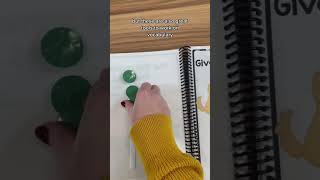
Easy matching activities build sustained attention and independence while teaching vocabulary, functional language, counting, and fine motor skills. A single worksheet embeds multiple learning goals, from naming objects like balls and dogs to practicing phrases like "throw the ball" and developing the coordination needed to place pieces accurately.
Chapters
I get asked all the time that, you know, what is the point of these easy matching activities? Why would you do this? Well, first of all, we're working on something that can be independent for some of our early learners. Matching the ball in these spots is something that they are capable of doing, so we can build sustained attention, work endurance, independence, all those great things. But these are also great tools to work on vocabulary. Look, we can work on ball, dog. Here I would work on verbs. I would be like, he's throwing the ball, he's catching the ball. This dog is sitting. This dog is standing. So many great verbs you could work on. You could work on function. We can throw a ball, catch a ball. You could work on the word collar, eyes. We could count. We could say, "Oh look, 1, 2, 3, 4, 5, 6 dogs." And you can work on fine motor skills. It takes a lot of fine motor skills to pick this up and place it in the right spot.