
ACT and Grow Rich Part 4 of 13
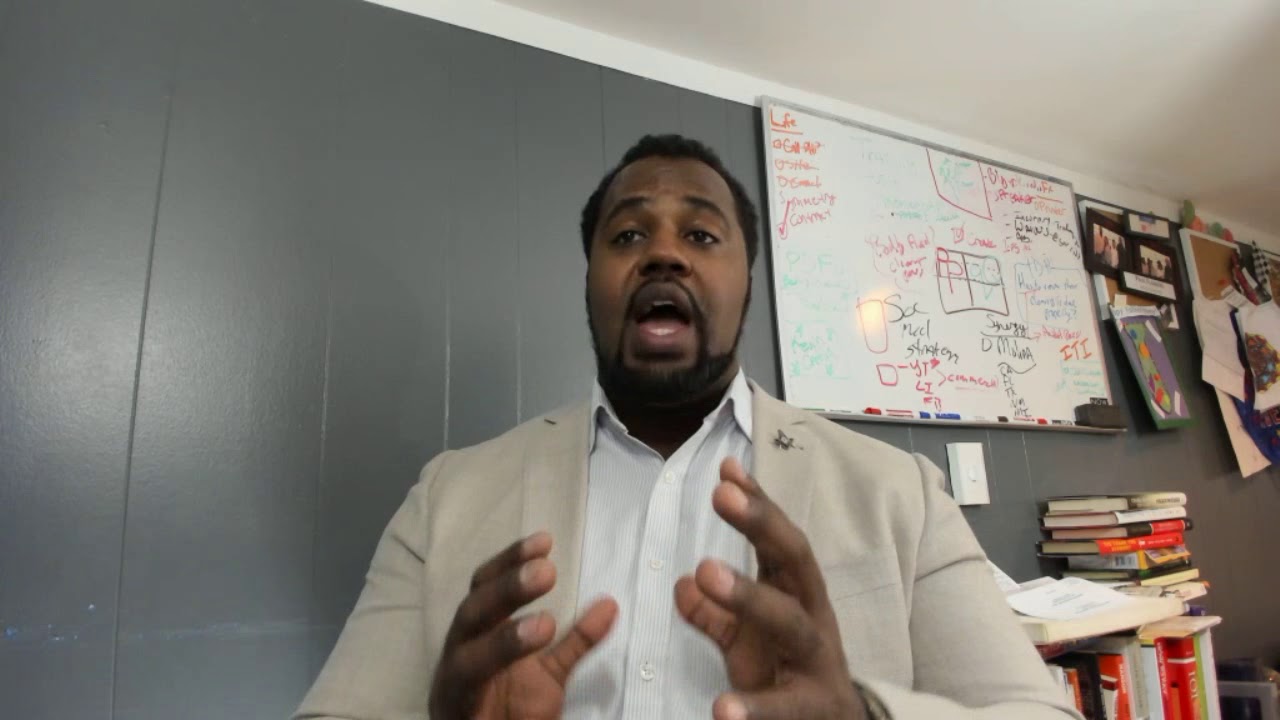
Paul H. Flowers Jr. breaks down Napoleon Hill's fourth step to riches: specialized knowledge. Knowledge alone won't work; you need a written plan with a concrete goal and a way to monetize your expertise. Flowers cites Malcolm Gladwell's 10,000-hour rule and recommends tools like index cards and daily repetition to build mastery.
Chapters
Paul H. Flowers Jr. here with your Weekly Wednesday Words of Wisdom, and again this week we are going over Napoleon Hill's Think and Grow Rich. We're looking at now Chapter 5, which is the fourth step towards riches, and it covers specialized knowledge. We've previously taken a look at desire, also faith, mm, excuse me, as two really important elements to make sure that as you're on this path towards riches that you have a, basically a layout on how to get this done. Next, last week we looked at autosuggestion, which is talking about the things that we talk about to ourselves. So we've got desire, we've got faith, we've got autosuggestion. Now what? Specialized knowledge, the fourth step towards riches. Perfect place to go next because it asks us to start looking at what it is that we have that's so special that we command large amounts of money for it. For instance, you've got people that are, uh, astrophysicists where they take this knowledge that they use and they absolutely apply it to something in one specific field. Keyword being application. It's great to have a lot of general knowledge, uh, and that's wonderful because you can talk to anybody about anything. However, that specialized knowledge is what's gonna make the difference when you start to charge for your services. So that's this week, again, 4th step towards riches in Napoleon Hill's Think and Grow Rich, specialized knowledge. So what is specialized knowledge? Specialized knowledge is something that takes a specific topic matter or a subject and you hone in on it so much so that most questions that you're asked regarding that subject, you can actually speak candidly about. You can talk about it and it's something that you have some good knowledge on. There are lots of ways to acquire specialized knowledge, but we'll get to that in just a minute. So again, for instance, a person that's an astrophysicist, they took time to learn all about this particular field. A person that's a doctor, a neurosurgeon, they learn about the brain, right? They take time and master their craft. One of the hugest things here is the time that it's gonna take in order to have specialized knowledge. Now, How do you actually get it? A lot of it comes from experience. For certain people that work in a field, you have specialized knowledge about your field that really no one else knows unless they're a part of that particular field. So neurosurgeons have their specialized knowledge, insurance professionals have their specialized knowledge, and that's why each one respectively gets paid or can charge and demand the big bucks for their services, because they've taken time to actually acquire that information, that knowledge, and then use it towards something. And that's another really important issue about specialized knowledge, is that it has to be a part of a plan. Now again, this is going back all the way to the very first video, that in Desire, one of the 6 steps that are within Desire is to write that plan out. So you've gotta have a plan. Great to have specialized knowledge, but if you're not doing anything with it, then what good is having it? Outside of maybe authoring a book, which is a plan. Or putting together how-to manuals, which is also a plan. So again, the key thing here is having a plan once you have that specialized knowledge, and that plan has to lead to some definite end, some definitive end goal that you actually want to see for yourself. For instance, a person who is in the insurance field, they learn about insurance, they learn about the laws, they learn about plans, they learn how to sell the products, they learn all these things. It's a specialized part of knowledge, but What good is learning it if you're not putting it into a plan? Potentially starting a business with this knowledge. So a person that knows hair, right, they're masterful either in doing hair or they just know so much about hair that they can teach about the hair. Now again, it's always the point of putting it into a plan so that you have some definitive end in mind. That's how you take the specialized knowledge that you've gained and grown and actually giving it life, right? Giving it some sort of way to create revenue for yourself. Now, how do you get this knowledge? Again, one way is experience. Two is school, right? It's a really— you don't think about it like that, but it actually is for people that take certain courses or go to certain seminars that are on specific topics, again, to get specialized knowledge. School is a great place. So a lot of your colleges and universities have what they call master's degrees. Which are absolutely wonderful, right? Bachelor's, Master's, PhD, to get this degree, to have a plan in place to use this specific degree and use that specialized knowledge in order to gain some sort of riches in your life. Another way to get it is through public libraries. A lot of people negate the fact that some of the— what they say, some of the best things in life are free. Well, and I'll talk about that in another light in just a moment, but public libraries have a wealth of knowledge. So you pick a subject You say you want to be the subject matter expert, then you go and learn about that subject. You go and learn about that particular thing and keep that plan in action to do something with the things that you're learning. So what good is knowing how to do the best hairstyle in the land, or put the best makeup on to a person, or, you know, again, sell the best insurance policy, provide the best lighting for a studio, if you don't have a plan in place in order to actually capitalize from your knowledge? So these are the things that make a difference when a person is putting themselves on a path to success is the plan that they have in place in order to actually move themselves towards the riches that they require, that they absolutely want for themselves and for their lives. So again, how do you use it? You put a plan in place and you work that plan every day, every night, no exceptions. The index cards with the things on them, it's still a very, very useful tool even while you're going through this action phase. I mean, because if you're not acting on it, if you're not thinking about you're not acting on it. So if you're not thinking about it consistently, the chances of you moving closer towards the desired end goal is very, very slim, to put it quite frankly. So I hate to beat— they say beat a dead drum or beat a dead horse, whatever— but having these cards and reading this over and over, right, talking about this with people that you know, putting it out into the universe to be able to get more, receive more back, It's absolutely critical in terms of getting not just people on your side but the rest of the world, the energies on your side. You have to talk about the goals that you have set for yourself. And some people might think they're crazy, right? I had a friend tell me one time, he said, "If your friends don't think that your goal is crazy, it's not big enough." Right? If your dream is not big enough, then, you know, if people aren't laughing at it or people aren't saying it's crazy, then it's not big enough. Dream big, have the plan in place, and then start doing the things on a consistent basis in order to get the thing that it is that you're looking for. So, again, with specialized knowledge, you have to go and acquire that information. I've heard once, I believe it was Malcolm Gladwell in The Tipping Point, that says in order to become an expert at something, it takes on average 10,000 hours of practice. So think of your Kobe Bryants, your Derrick Roses, your— I hate to just put it in a sports thing, Uh, but these people practiced. They practiced, they practiced, they practiced. After they win a game, there's a difference between a person at the top and a person at the very bottom kind of riding the bench. Well, Kobe Bryant, after they won a game or even after they won a championship, yes, celebrate. And then the next day, where's he at? He's in the gym, right? He's practicing that shot. He's still looking at tapes and seeing what it is that they, uh, what it is that he missed, right? Are wrestlers out there that have a certain move that maybe somebody got them in a move that they didn't necessarily expect for themselves to get in. They practice on how to get out of it, right? You're a beauty stylist, you're salespeople, whatever the field is, it's practice, practice, practice. So keep that in mind, and not only acquiring the knowledge, using your libraries, using your schools, relying on your own personal experience, picking up books, right, and applying what you read more specifically, um, but then taking that and then putting it into practice on a continual and regular basis. Uh, that's what's meant by specialized knowledge. Again, keep in mind, it's something that you spend time learning. It's something that you have to put into a plan, and it's something whereby that plan has a definite end in place so that you can again start using it to maybe charge for your services or what have you. You can get it very simply through purchasing it through books, right, that you pay for, books that are at the library for free, attending seminars and courses, and even finding what's called mentors and practicing under an apprenticeship model is a hugely successful way to gain experience in an industry where you want to specialize. I hear that you find somebody that's better than you at doing the thing and let them teach you and it will heighten your career. Heard it a thousand times and it absolutely became the truth when I myself in a previous position started watching what the top people did. So you watch soon what number one does and you'll become number one if you put in that practice. So again, get the knowledge, specialized knowledge by either purchasing it, going to seminars, using your own experience, and once you have it, use it. So if you haven't figured out how to use it, Again, go back to the other videos, either the second or the third. Actually, all of them talk, you know, kind of hit on it just a little bit, but specifically that first one that discusses not only the 6 ghosts of fear that you'll come up against while you're in this process, but also it'll discuss the 6 steps to take your desire and start to give it some legs, right? Start to grow it a little bit, if you will. Then you'll again progress through faith, putting the water on the seed as you go forward. And then autosuggestion, which is actually one of the ways that the faith works. It's a tool that, again, by repeating certain things in the affirmative as if they're already happening, it's the way that these things work. And that's that, again, through autosuggestion. Now, specialized knowledge is only going to take whatever your craft is and cause it to grow. So don't negate the time that it takes to put these things in place. Again, this video is super straightforward, super short, because it's straightforward and to the point. You've gotta get knowledge, you've gotta get information, and you've gotta put it in a plan and act on that plan day after day until you receive the benefits from that in which you've invested the time in. So, uh, please drop your likes, comments, etc., down below. Share this video. Look for the YouTube posting in about an hour. And, uh, it's been an absolute plum please and pleasure once again. You guys have a great Wednesday and enjoy the rest of your weeks. Bye for now.
More from Paul




Term vs Whole Life Insurance, Explained Plain — Which One Your Family Actually Needs


The Cheapest Claim Is the One That Never Happens | Claims Deflection Explained




