Crafting VIP Experiences to Accelerate Growth with Thad Tarkington
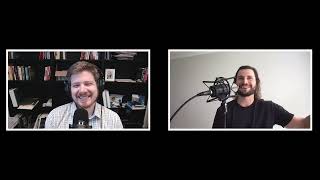
Thad Tarkington, co-founder of Second Nature, built a resident-experience platform serving 1,500 property managers and 1 million residents. The company bundles services like renters insurance and pest control, uses VIP events to strengthen brand identity, and is moving toward letting residents customize and pay for add-ons like lawn care and furniture rental.
Chapters
Welcome to Owner Occupied. Today, I'm in the virtual studio with Thad Tarkington, co-founder of Second Nature. Thad, welcome to the show.
Peter, thanks for having me. Excited to be here.
Yeah, this is going to be great. So Thad, I'm so impressed with what you've built, and I'm really excited to dive into some of the backstory and then some of sort of the current state of things. I'd like to have you start by just giving maybe like 60 to 90 seconds for those who aren't familiar Just a quick background on who you are, what you're about, and the company that you've co-founded and where it's at.
Yeah, happy to do so. So as Peter mentioned, my name is Thad, based out of Raleigh, North Carolina. I have been here for about the past 10 years where I co-founded a company called Second Nature. And so what Second Nature does, we provide a resident experience platform for property management companies. And really what that entails is it's one solution that brings together a bunch of resident-facing solutions, and it's all integrated into their normal operation. So it makes sure all the accounting's correct, the leasing language, listing, everything like that is automated and brought into one kind of dashboard. And then they can roll out different services. An example of some of the things we offer is everything from, you know, things like renters insurance and making sure that's 100% compliant. Reporting payment data to the credit bureaus, things like identity protection monitoring, renter rewards, utilities management. And then we also do things on the maintenance side as well, like air filter delivery to make sure the HVACs are protected, on-demand pest control to ensure, you know, pest issues are handled. And so we have some other services as well, but, you know, really people use that platform to be able to deploy all these services. Offer extra value to the resident, solve common problems in property management where it's not really clear, the accountability's not really clear who's responsible for what. The solutions are really designed about creating transparency and accountability in those different solutions and getting things solved. So we work with over 1,500 different property managers, over a million residents on the platform, and have about 130 folks on the team. Yeah, that's, that's a little about us. And so excited to be on here and talk.
Yeah, perfect. That was a great background. And you guys are big, right? You and you, you grew quickly. When did you start? Like, when did you attend your first property management conference? That'll, that'll give us a good—
Yeah. So it was 2015. And I actually remember we were, you know, starting to talk to some different property management companies, had initial conversations. We're kind of working out the business model. And I remember I was talking to someone and they're like, oh, you should come to this NARPM event. And I was like, oh, NARPM, that sounds like really official. They're like, yeah, it's down in Tampa. And I guess I didn't do a very good job of qualifying what the event was because I remember I bought a plane ticket, flew down there thinking this is going to be some big national event. I show up, it's at like a Charter Seafood House or something. It's a lunch buffet and there's like 17 people in this room.
Oh my gosh.
So that was, that was, this was the national, national NARPM event. No, no, this was, um, I, I didn't really ask. They're like, oh, there's this big NARPM event. I think they'd use the word like big, or it's like, you know, they were from Tampa and they go, yeah, it's gonna be like next Thursday at Seafood House. And I'm like, oh my God, you know, I'm gonna miss this. Let me, uh, let me come down. So like I fly all the way down there and find out this is like a local luncheon for the—
yeah, it was like the Florida monthly, like, yeah, like leadership meeting or something.
Just like St. Pete.
Just Tampa. Yeah. That's great. So, but 2015, I think you said, right? 2015. So 8 years, um, growth basically is when you decide to start focusing on property management to, you described, I think a million residents. It's unbelievable. Um, so Second Nature has made a big splash in the industry. I think it's fair to say that you guys are known for throwing big events, for showing up full force. You know, you've got the purple theme going on. You guys do like, um, you do VIP experiences for property managers. Basically anyone who registers with you guys ahead of an event, you'll, you know, shuttle them to and from the airport in Ferraris. And like, it's, you're known for like this type of, uh, very splashy, uh, fun, wild events at conferences. And I'm interested, like, that's interesting, right? That's interesting, right? That you've decided to do that. That was obviously a very conscious decision and with real budget behind it. And I'm curious to know why and like, what's the value? What was the thinking behind that? Because that's not something that the average property management vendor does.
Yeah, happy to chat through that and kind of share a little bit more on our strategy there. But So first off, if you look at a lot of the things you just highlighted, you know, we do rides to and from the airport. You know, we do different things like, you know, when they come back to the room, we've done, you know, surprise gifts before. You know, we do a cool party and there's little kind of little trinkets and different activities along the way, right? So we kind of look at it as you called it the VIP experience. So that's, that's what we call it. And so for us, it starts when you go to the national convention, from the minute you arrive to the minute you leave, you know, you're picked up in the car, greeted with a purple carpet, a team, you know, we give you some cookies, champagne, you know, water, walk you to the front desk, make sure you get to your room. And then, you know, there's a whole thing all the way throughout the main event. You know, we throw a really fun party. You know, we like to recognize a lot of our team, or sorry, the property managers, my bad. And do some customized things and then, you know, do shuttles back to the airport, things like that. And so a few things I'd share in it. One is, you know, our, our entire business is predicated around this idea that there's an opportunity to create a really amazing resident experience. And if I think about, you know, what we have in our plans over the next 10 years, I feel like we're a few percent there, right? Like we're just starting to scratch the surface. But we want to create a really great experience that when people think about renting, it doesn't even compare to what it is today, which is, okay, I pay a monthly fee, I get a key and kind of figure it out from there. We really have some big ideas, which maybe we can talk about later. But in terms of the event, we said, okay, if we're a company about resident experience, what can we do to really create a great experience for property managers that really ties into the brand? And so that's where the idea came up. All right, let's make an amazing experience at an event, kind of ties into what we do. And then we're also a business that's really about convenience. It's actually in our name, Second Nature. It really came from how do we be one of the easiest companies to work with? And one of the reasons we do that is, you know, if you look at the property management industry, it's such a hair-on-fire reactive industry. Nobody reaches out to say hello and have a nice day, right? Residents reach out when they have a problem. Investors hope to never hear from you and reach out when they have a problem. And so you're just kind of firefighting all day. If you wanted to solve every little problem, you could work 100 hours a week. Right? And so for us, we've said rather than how do you make solutions that the property manager has to do a lot of work or require a lot of training, all this, we've really designed everything to say, how does a property manager not do anything? Right? How does it work in the background? It's all automated. It's not that they don't have to do anything. Of course there's some work, to kind of get it set up and work with us. But that kind of flowed into our entire experience design. So like, how do we make it effortless? You land, you get picked up, you don't have to think about getting a car right now. The drive, instead of it being, you know, potentially a car with bad air conditioning, you know, 30 minutes swerving, it's a really comfortable ride. You're, you know, it's a great experience, right? And you're met. And for time, I won't go through it all, but it really came down to creating a great experience and kind of tying into our brand. In terms of the budget, you know, the way we think about this is, you know, if you look at a lot of companies, you'll see, like, I'm sure you've experienced this on Valentine's Day, you get 90 emails. Now, if you're a flower company, you should do that. You know, if you're a mortgage company, I don't really get it, right? And you get them on, you know, your birthday, you get them on holidays, you know, Thanksgiving, etc. It's Happy Thanksgiving, right? You get 100 and they're unnoticeable. And so for us, we really looked at this and said, okay, why, why compete when there's a bunch of noise? You know, how can we, we focus all of our energy in what's, what's called like a lightning strike approach, which is, you know, if we had $100 to spend, rather than spread it across 19 holidays that are bombarded and really not having meaningful impact, how do we compress all that into one event where we can really stand out? And so, you know, a lot of folks look at it and, and I'll liken it to when retargeting. I think most people are familiar with this now, you know, broadly as consumers, but I remember, you know, back in the day, you have a background in digital customer acquisition, Facebook, things like that, you know, Instagram. And we used to run retargeting ads and all my friends were like, man, your company's huge. I'm like, no, you went to our website, we're retargeting. Yeah. And so I think about like, though, how do you get that perception of like, you know, really moving the needle? And that's kind of what we've looked to do with events is take a few, you know, we show up to a lot in terms of are people and their time, but we select a few a year where we really show up big, and then it kind of gives that impression to the point we even did, I think one year on Snapchat, and they rolled out this, you know, geo filters, we put filters in place, you know, so we've really tried to think like, how do you just show up everywhere for this point in time?
This kind of reminds me of like a halo car effect. Are you familiar with the idea of a halo car?
No. Yeah, I'd love to.
Yeah. So the idea is that car manufacturers you'll notice that a lot of them will have all their normal cars, like sedans, SUVs, trucks, whatever, but then they'll randomly have like a supercar, like the Ford GT, or like they all have one normally. And that's called a halo car. And the idea is that that vehicle, which is aspirational, crazy, exotic, wildly expensive, it's like a A couple— it does a couple things. One, it establishes that brand in people's mind as something cool or exotic or different, and that, that brand value trickles down through the lineup to even their ordinary vehicles. And it also— there's some argument to be made that like some of the innovations that are developed and go into the halo car eventually work their way down into the main lineup, but I think the main idea is it's like a brand value thing where you just kind of that you're saying like lightning strike effect, like you concentrate a bunch of R&D and development costs into this one really cool car that gets, you know, in the magazines and on in the movies and on TV and stuff. And then you're like, oh, well, I also own an Acura. And like, so I'm kind of tying in with like, you know, even if you don't own the supercar or whatever.
Yeah.
So.
Yeah, I definitely think it plays into that whole halo effect for sure.
And yeah. So if I go to an event, even if you're not doing the VIP experience, if I see the purple suits, I'm like, oh yeah, these guys, they're like fun and cool. And like, you're benefiting from that at every event, even though you're only delivering that lightning strike at one or two of the big ones per year.
That's right. You know, and we like even things down to our color. You know, why do we pick the color purple? I get asked all the time for our, And I mean, it's fine color. I like it, you know, nothing against it or for it. But we actually looked around, you know, at a trade show floor. You know, you look at what people are wearing, we're like, it's just a sea of blue and beige and, you know, kind of these core colors. And we're like, all right, this will— it's memorable, it stands out. We can really own it to the point where, you know, if you wear purple to an event, there's a high probability. You know, I hear this all the time. People are like, they walk in like, oh, you're a Second Nature. They're like, no, I just wore purple socks today. So that's You know, it's been working well, but yeah, you know, I'd say we've really tried to be intentional and kind of think through every element of what we do, you know, and how it can kind of break through the noise.
So love it. So you talked about the resident experience. I know that's a huge part of your company's culture and ethos and why you do what you do is resident experience. And I like the tie-in with like at these, at these events, these, these NARPM conferences, you're giving the property manager an experience. And I know you've talked before a lot about how experiences are the new economy and that's where the value is truly created and captured for companies that can pull that off is delivering an experience, not just a commodity. So you're sort of living that by like, hey, property manager, we're going to give you an experience because we're an experiences company and we want you to give your residents great experiences. So I like that that all ties together. So when I think about the resident experience, I'm going to like maybe put on the contrarian hat for a little bit because I think it'll spark some good discussion. I don't really care all that much about my residents' experience beyond doing the basics well, communicating well, treating them fairly with their security deposit, making it easy for them to pay rent online. But it's not clear to me as a property manager, specifically a third-party manager with scattered site properties all over the place rather than a big apartment building community, it's not clear to me that delivering a great resident experience does anything for me, like, to be really blunt. And like, you guys love it, you're all about it, that's cool. But for me, delivering a great resident experience, tell me why I should care, basically. And I know you're gonna— I know you've got some good, some good points to add here, so I'm kind of setting you up. But like, at the same point, I am a little skeptical because delivering a great— I— my feeling is that residents They shop based on the property. They're looking for a 2-bed, 1-bath between $800 and $1,000 in this part of town that's available for rent this day. And it can't be blue and it's got to be pet-friendly. And they hate pools. There can't be a pool, right? And now there's like 3 left and 2 of them are already leased. And so they just take the other one and like the specific management company and what their experience is, that is all way down the list. Now maybe you're setting out to change that, but I think for me, when I think about the status quo, that's what comes up.
Yep. Yeah. So, so I'd start off and say, I think we're probably pretty close in alignment of what's on the market today and what residents are looking for. Right. I think generally all they're expecting, whether they crawl Craigslist or Zillow or apartments, they're just trying to find a spot. They're expecting it to be a little bit of a pain, do some application. Yeah. That's what they're expecting, right? That is, that, you know, what the world is today.
I got to pause and interject a tweet I read today about the resident experience. You're going to love this. This is exactly what we're talking about. So my buddy John Blatchford on Twitter, he said this today. He said, apartment leasing in 2023. We will sell you the apartment like it's a $600 used car, i.e., not well. You will apply using 2004 technology, email Dale all your personal financial info. You will be vetted like the Secret Service, 5-year statement, drop of blood, interview with high school principal. Best of luck. Best of luck without a W-2. Thank you for spending hours on this. You would like a different apartment? Please see step 1 again. Yeah.
Okay. So you nailed it. And, um, I'll come back to this later, but I'd mentioned where I think, you know, we're at as a company and the industry's at, you know, and there's a lot of other great companies pursuing this too. I think we're only a few percent there. Um, but like a lot of things, I think it's one of those things that a lot of the building blocks are coming together and it's not going to take another 40 years to get from 5% to 100% of where I think we can be. Oh, sorry, I think I cut out. But all right, so you're okay.
It records locally, so it'll, it'll be smooth.
Oh, sweet. Okay. So like a lot of things, you know, I don't think it's going to take, you know, 40 years to get to 100%, you know, from 5%. I think, you know, if you look at, call it the next 3 to 5 years, you know, in this imaginary scale of making, I think we'll start to see a climb of 20, 30, 40%. And then in 5 to 10 years, you know, a rapid increase to where, you know, that tweet won't hit home anymore, hopefully, right? And so if I look at, you know, you had asked about why would a, you know, a property manager care? And so I'll talk a little bit about why property manager cares, some of that experience economy stuff. And then I'll come back to, you know, some of the resident experience stuff that I would say challenges the status quo. And a lot of it's, you know, in production now by different companies or coming to market or only, minorly adopted. So if you look at the experience economy, just doing the really high level on this, and I'll give the example of a birthday cake. If you look at the idea of a birthday in general, back in the day, it was a tiny little celebration. You maybe spent $5 buying cake and eggs, whatever. And then people are like, oh, well, baking a cake, that's too much. Let's outsource this and go get a whole cake from a bakery. So now you're spending $25, right? That's economic activity, which is generally good, growing the pie. It's passing through more hands, and now people have outsourced baking a cake. So $5 to $25. Then people said, all right, let's throw a party at the house. Right now we've got balloons, this, that, we're elevating maybe some entertainment. And then eventually people said, all right, I'm spending $75, but a lot of my time, let's just go to Dave Buster's and I'm going to spend $500. Right? And so that's kind of the idea that people are paying for experiences, you know, to make their time better valued, to save time. And so I think when you look at property manager, what's in it for a property manager? And the idea would be if you can take a rental right now, which is simply, you know, it's a property, it's often valued on, again, location, rooms, bedrooms, bathrooms, quality of finishings, things like that. If you can take that and say, okay, that's the property. And today renting is truly just looking at that property. I agree with you there. But what if you could make an experience like Disney, right? Like, you know, or for a single property, someone could have the economy experience, you know, or the Four Seasons experience. And so something we really believe in, it's all about transparency, choice, or, and accountability. So if you look at renting a property, there's two parties that really, you know, have a stake. You've got the resident who's living there and then you've got the investor or the owner who owns that property. And one of the challenges we see today is there's a lot of things, I'll just use pest control as an example, given we had just launched a new product in that space. And if you look at pest control, one of the challenges, a resident moves in and 90 days in, they see cockroaches. They call the property manager and say, "Hey, there's cockroaches. I want you to come fix this." Well, you just got introduced an unsolvable problem. Because the resident doesn't want to pay. The investor's going to say, "I lived there for 6 years," or, "I've had this property for 10 years, never seen a cockroach. It's their fault." And then you're just stuck. It's like, okay, someone's going to have to pay. I'm going to be stuck in this, you know, boxing match or whatever you want to call it. And so everybody leaves a little upset. And so I think, you know, there's two parts to the resident experience. One of those is saying, okay, there's responsibilities in renting a home. And, you know, a lot of these, there's, you know, legislation that says what's an owner responsibility, right? You look at things like bedbugs, depending on the market you're in, that's clearly an owner or resident responsibility. Things like cockroaches, right? And so I think part of it is looking at, okay, all of these areas of gray that aren't gray, but they are in today's current experience, right? Where a resident doesn't have the right expectations, investor doesn't, they lead to negative experience for the property. So by designing products that first say, okay, let's create Transparency. Who's responsible for each of these? Then let's give people choice on how to solve them. You know, I'll use a simple example of lawn care. Hey, as a resident, you're responsible to maintain the lawn. Here's what maintaining a lawn looks like. If you don't maintain a lawn, this is the consequences. Now you have a choice. Do you want to do it on your own? And you know, that might mean doing a regular thing. It might mean an inspection occasionally to make sure it's up to par, but like you can do it on your own. That's your choice. There's the economy experience. Or you have the luxury, the Four Seasons experience. No, I just want it done for me. Click a button and lawn service is going to be provided. Now, if you click that button, you pay a fee, your experience, your time, just like going to Dave Buster's. It's a really elegant experience and you're off the hook. You don't have to worry about lawn. If something happens, that's on the property manager and the investor who provide that service. Now, for the investor, they know, okay, the lawn's taken care of. Whether it's professional or them, there's a closed system that's insurance taken care of. So now there's never that call at the end of the move out that says, "Well, it's brown, it's dead." "Well, the security deposit was $1,500. It's $3,000 to fix, sorry." And then it's like, "Well, I hired you, you're a professional. Why didn't you do the job?" So coming back to your question on where does the property manager benefit? Like part one is by offering services here, this created a better resident experience, right? And it reduces those emotional low points as property management and frees you up to work on more important things. Secondly, just using that example of lawn care, there's an opportunity for monetization, right? So it's offering additional service, property manager can make some money, it can add value to the resident, right? And so I think for us, that's the equation we look at is we're saying, okay, how do you have choice, how do you have transparency, and how do you have accountability? And if you look at so many services, a lot of them are going to vary by market. They're going to vary by the legislation varies by market. If you take scattered sites, single-family kind of multifamily as you've talked about with these dispersed properties, one of the challenges is you don't have density and they just operate a lot differently. And so instead of traditional amenities, like we're going to do a pool and different things like that, you're looking at, okay, where can we add value? And there's a long list of things that that can be brought to market. But the challenge today is your leasing agents, you know, often whether they're contracted or employed, you know, it's a job that very incentivized to get the property leased. You know, it's hard to train and maintain things at scale. So if you imagine training your leasing agent to say, hey, here's 32 things that we want to educate the resident on, have transparency, we want to offer all these cool different services, give this great experience. You know, I imagine what you'd think, you know, which is what we experienced talking to a lot of people is like, ah, just that's not going to work, right? I can't rely on them. And so that's where I think you're starting to see technology come in and say, okay, how can we bring together all of these different unique services? A lot of these which still need to be created or really tailored to the single-family rental industry.
Right.
And as you start to bring all those together, you get this really elegant experience where you had mentioned security deposit, right? Or payments, right? I imagine easy things that you're going to start to see in 5 years be commonplace, which right now are I would say more on the minority adoption is, you know, the old way is you move in and it's like, in addition to the whole exam you mentioned, tax returns, blood drop, whatever, you know, private investigator, it's also, okay, you want to move into this $1,500 apartment? You need to send us $4,500, 2 months, you know, first and last. We need security deposit. By the way, it's $5,500 because you have a poodle, right? Like, you know, that's kind of the experience. What if we could say, all right, you get paid every other week And people aren't great at managing their cash flow. Also, security deposit, we know you leased it for 12 months. What if we can say, okay, instead of paying $5,500 day one, you could pay $700 day one? Well, how do we do that? Well, we just split this security deposit across 12 months and very low cost to do that. There's a little bit of financing and some accounts receivable risk, but a company will come in and do that for for probably a few bucks a month, right? Then you've got, you know, the payment. Okay, well investors maybe are accustomed to paying on the first, so maybe they can get unaccustomed and accept payment over time to offer, you know, a better offer to the resident. Or a company will step in and say, okay, again, some financing and some accounts receivable.
Yeah, the financialization of the world.
Exactly. And so you go to this world where it used to be like big out-of-pocket check, probably borrowing money, you know, parents are Venmoing you, whatever it may be, friends are like, to now, okay, I'm paying $750 day one and every 2 weeks it just comes out. It's very streamlined. Yeah. And I'll pause there, but that's an example of, you know, products already exist today that aren't standardized. But when that becomes the norm, it's a better experience at move-in. And again, there's opportunity. It improves everything for the investor, the owner, and the property manager.
So yeah, love this. So the security deposit specifically might be coming sooner than you think because This is actually starting to become law in different municipalities. So right here in Columbus, the city of Columbus passed a law a couple of years ago that says we have to offer residents the option to pay their security deposit in up to 6 monthly installments. We have to present that as an option at lease signing. So we do, and some residents take us up on it. Now we're not able to use any software or finance tools to help reduce that risk or streamline it or anything, but I imagine solutions may exist or may soon exist. To facilitate that. I want to back up to sort of the beginning there where you were talking about, um, the value of experiences and you gave the example of the birthday cake and the birthday party, et cetera. It's absolutely true. I think no one could disagree that people are willing to pay for experiences. Just look at hotels, look at cars, look at anything that, that is, could be viewed as a commodity. A company has stepped in and figured out a way to create an experience around that. And then charge for it. And what you also find is that as the model matures, they, um, they segment their customers and present different levels of, um, experiences for them and charge differently, right? So the classic, right? And we even do this for our clients, bronze, silver, gold, right? We, we're giving them a different experience basically, or different options for their experience of having a property management company. So where I'm going with this is you and I had a chance to talk at Broker Owner in the fall. On the flight home, I was reflecting on our conversation and you mentioned then, and you mentioned again today about how like if you boil it down to its basic essence, property management is you're leasing like a box, right? There's a box somewhere on a plot of land and people pay to to live there. And historically, it's one price. That's the rent. We all call it rent. And there's only one price. Everyone pays the same and it's the same experience, the same price. And I was thinking about on the flight home, the plane I was in, and I was thinking about how everyone who's seated in the plane paid a different price. Like almost no one paid the same price. And the, the, the, this was a genius move by the airlines because they looked at They looked at this long skinny tube with a bunch of seats that are all the same, and they're like, some people would be willing to pay more, but some people can't pay more, but we need to fill those seats. How do we like price discriminate our customers and like get the maximum revenue per mile out of these silver tubes that we invested in? And they got really freaking good at doing this, right? They created first class, they created business class, they created loyalty programs, they created Private lounges, they created boarding classes, they created fees, and then some of the fees were waived. And all these things that add up to what we have today, which is you can pay almost whatever you want to pay on a flight, like depending on what you want out of that experience. Even though if you were to— if you were an alien and you came to Earth and looked at a plane, you'd be like, why would anyone pay different? This is all the same. Like, they're all going to the same place. Like what? These people are insane, but that's humans. We pay for experiences and we pay for status and we pay for convenience. And like, so I was reflecting on this on the flight home from Broker Owner in our conversation. And I was thinking about how apartments and homes for rent is kind of like the Long Silver Tube where right now everyone's paying the same price. We call it rent, but what if we had a bronze lease, a silver lease, and a gold lease with different options and you build experiences around those different price points? And now you could have different people in an apartment building all paying different prices, or different people in similar homes all paying different prices deliberately, not in any kind of a discriminatory way, by choice, because they want to include lawn care, or they want to include pest care, or they want to include, I don't know what. I'm sure you guys are getting all kinds of creative ideas, but I can see that coming. It seems almost inevitable that companies are going to spring up to deliver experiences that allow building owners to engage in price discrimination. Um, I don't want to use the word discrimination anywhere near housing. This is like an economic term, but like, right. Cause some people are willing to pay more for those experiences. Um, so I don't know that you got me excited about this again, cause I haven't thought about it in a while and I could, I kind of see it now. You've reignited that.
Yeah. I think, um, So one, I love that example. It's not one I've really thought of, but I think it's perfect because nearly everybody's flown and you can fly for $49 or $5,000 to the same place. And no, I think when I talked earlier about the example of economy to Four Seasons, it plays in perfectly. Right now you just pay for the unit and that's it, right? But where I think to your point of what's in it for for a property manager, right? It's okay, well what if, you know, 30% want that economy, right? They're just going to pay for the unit and the base unit and they're going to DIY all their services, all their maintenance. However, you know, pairing that with a full system accountability, it's a win for the investor, right? So you solve the investor resident kind of mismatch expectation problem and you have them, you offer that economy experience of choice, right? Which is where I think you see a lot of, challenges today is, you know, there's not always, you know, choice, right, for residents in certain things. And those squeaky wheels can create some problems, right? And, you know, and often they have a lot of validity to their concerns, right? And so I think you have that bucket and you have that middle bucket who's maybe, you know, going to add in, all right, I want some lawn care, you know, home cleaning, maybe I want a laundry service, you know, and then you've got that, like, you know, the top end who's like, "Hey, I'm moving from another city, 2-year on a work assignment. I want to move in, I want furniture rented, you know, like I want to pick out some furniture and move in." It's like bedroom set, living room set, dining set's there. My washer dryer's already there. You know, I don't lift a finger the whole time I'm there. And you know, you start to think like, same idea, it's like the same property. You could have someone paying, you know, 100% more than they're spending on, you know, the rent today, just in add-on services that they've, you know, chosen to do. They love that experience. And then that's what, you know, it takes time, you know, using a very cheesy example, it's like, you know, and I wasn't alive back then, but you know, 40, 50 years ago, right? Like not too many people use computers, you know, people use it for work, this, that, and the other. Now you can't get people away at your family dinner table, right? They're just glued to computing, right? And so I think it's the same thing. It's like once people experience that, they go, next time they rent, they're like, ooh, I really would like that again, right? And it's slow build, you know, but as you get 1, 2, you know, as you get millions, tens of millions of people to go through this experience, that's what they start to expect, right? So I think, you know, this industry's got unique challenges in terms of, you know, it's, it's, uh, regulated, it varies widely by market, every asset's almost a one-of-one, you know. So it's like, you know, the data environment and the tech, in a lot of, you know, ways, it's, it's not very open, very easy to access, and that limits the growth, right? But I think you're starting to see so much of that change. As people pioneer new things, I think we're starting to see a big shift. But ultimately, that's where we land, I think, in 10 years. And that's where, if you look at, from the experience economy, there's this example where, I might get this number wrong, but I think it was in 1890 or late 1800s, 90% of people were in farming. And I think it's now 2%. Are in farming. And it's like, as you see, but 70% of people work in the service/economy business. And so it's like, but back then it was nonexistent. And so I think you'll see the same thing. What does the property management, the rental industry look like in 20, 30 years? No airline would survive if they didn't offer these different level of services or have a category strategy. You may have a Spirit who says, okay, we're going to offer really low seats and then we're monetizing I think last time I flew them, I had to pay like $70 to like bring the carry-on bag, right? So it's like, it's all different, right? But hey, if I really don't want to spend a dollar, I can bring a book bag and $49 and I can get to New York. But if I, you know, so then I can also get business class, you know, international for $10,000, you know? So I think that's what we're going to see the industry transform like every industry does. And you're really going to have to be offering those services. That's what residents are going to look for. Investors are going to say, okay, if I work with a property manager doing this, not only is it a better experience, that accountability piece, because I don't want to make this thing, it's all about just additional services and value-add offerings. It's also about solving some of the pain points today. You bring all that together, investors are going to be like, well, I want to work somewhere there because it's a better ROI, right? Property manager's able to generate income and have less problems. They're able to offer at a better price, different things like that. So that's, I love that example and I think it's spot on where we're headed. And again, you go interview 100 people at NARPM and they might feel like, God, I don't feel that. I'm like, I agree. I don't either. But I know, you know, I know where things will go. It's just, you know, does it take 4 years or 15? You know, we'll see how fast the industry works.
Yeah, totally. So you guys started with filter subscriptions, right? FilterEasy was the original name, and you slowly added over time a bunch of stuff. To, to add on to that resident experience that property managers can, can sign up for and get included in their resident benefit package and all that. And I know that you guys are working on future products, future experiences, future directions of the company. I'm wondering how much of that you're able to share. I was able to see a little bit of a sneak peek at Broker Owner, and I know you've shown a few people. I don't know how much of that is public or announced in any way, but anything you can share on that, what I saw was really exciting. And if you're, if you're like, I can't say anything, then that's a big teaser.
But no, I'll have not announced yet, but we're planning to later this year, kind of do announcements. So I'll give a sneak peek here. So, so much of what we were just talking about revolves around customization, right? If you have one box, you know, but you have 10 residents, who may rent it, how do you allow them to have that customization? And a current limiting point, of course, is, well, we're relying on people, leasing agents. So, so many things have been standardized, processed, everything's treated the same. When you treat it the same, again, you limit that experience, that economic opportunity. And so what we've been really working hard on is, if you look at our whole product suite today, we already do this. A lot of times we've kind of done a twisted kind of pretzel move to make it work. And so what we've been working on is, okay, how do you have a resident come through? And today they apply for lease. Once they've applied for the lease, or sorry, for the property, then they have some conversation. Could be a little bit back and forth, could be more. Eventually they get sent lease to sign. And so what's missing in between there is, Well, where do you offer all this resident, this customized living experience? And that's really how I think about it is 10 years from now, all right, I'm going to live in this property for 12 months or longer. What do I want my living experience to be like and how do I customize that? And so effectively what we've built is a tool that integrates with a lot of these different service providers and we're continuing to bring more on, works with our existing offerings, but will be a completely open platform. So anybody who wants to offer a service through it. It doesn't have to be a product that we've built or brought to market. It'll allow that customization so that a resident can sit there in the comfort of their home on their phone and say, okay, I do want lawn service, I do want furniture rental, I do want to split out my security deposit payment, right? So you highlighted something earlier and said, gosh, legislation changed. We do offer it, but it went from, it added an expense and a headache because those who take it now it's like, okay, flip this up, I've got to do an accounting feature. So we're saying, okay, how do we build out a technology solution that allows the resident full customization but then packages that all up in a way that the property manager can easily digest into— sorry, digest into their current business process? Um, and so, you know, effectively it's a, you know, call it a, a resident experience builder, you know, for lack of a better term. So the resident's going to go through that, and then, you know, the goal is Fast forward 10 years, you've got dozens of these really cool companies that have built unique services for SFR, or you've got categories. I mean, I can talk about certain examples like a pest share company that we've partnered with on the pest control side. They took a category, pest control's been done for a long time, but they looked and said, okay, what's the highest ROI way to do pest control for a residential property? And a lot of times the preventative sprays, can be a luxury experience, right? If you never want to see a bug, do them, right? And so you can imagine what— well, actually, I'm getting ahead of myself. So that's a luxury experience. But if you want the highest ROI, often it's let a problem pop up. Again, a cockroach isn't going to necessarily create property damage and then solve it, right? So the idea here is in the future, it's, hey, here's a responsibility for pests. Do you want somebody to come out and spray in advance and never see a bug? That's that's your, that's your first class experience. All right, or, you know, by default, here's what your responsibilities are, and this is going to be included, right? We're going to make sure these basics are taken care of because we just know if we don't, you're going to get upset and it's going to be a bad experience for everybody. But then there's the middle of the road. Hey, do you want to start to cover these other kind of bugs that don't cause property damage? You know, they may not have a situation like bed bugs and other things like that, but, you know, that they, um, you know, they, they are an issue. And so we'll allow people to select kind of that level of experience. So right there, it's Here's the resident responsibility. Here's the investor responsibility relating to pests or bugs. Here's ways you can solve it. Again, you can get the base with some DIY. You can get like a middle of the road that covers everything but reactive, or you can go full-blown, everything's covered reactive and proactively, right? And so, you know, today that conversation might be 5 minutes and again, untrainable for a leasing agent. This tool allows people to customize it and then passes all that over right to the existing leasing experience, right? Sits there and then passes over to your existing, you know, however you're doing your doc, whether it's DocuSign, it signs and then goes through your property management accounting software, right? So it kind of sits right before that and flows right in. So that's really what we've been hard at work building and kind of, you know, the reason we focused on this is if you think about all the ideas we had, so many of them we were like, gosh, like 12% of people would use this, but it'd be really value-add. To your point, I don't actually have these numbers, but I'm going to make a guess knowing what a business class seat costs. If you were to eliminate that, I'm sure the average revenue of a flight might come down low to mid-double-digit percentages. So it's maybe only 12% of residents want to use this, but it might raise the average net profit of a PM company by 3% for a single service. So there's a dozen of these products where because the adoption rate was low, we were thinking, okay, how can we service that up? But we also know property management companies, a lot of them have dozens to hundreds of units. They don't have technology teams, they don't have project management teams. They can't really even absorb a lot of these if they wanted to offer 20 services and said, okay, I need to go partner with, I need to interview 20 people in the pest control industry, 20 people in the lawn industry, right? 20 people in the, and I got to go learn these industries, become an expert, negotiate contracts. Do I— It's just too much, right? So that's what we're really working on is, okay, how do we bring this all into one cohesive experience for the property manager to be able to provide that to the resident?
I love this. It's a big challenge. I mean, what you described is real, right? Delivering pest control or lawn care or any number of services nationwide and making it point and click for the property manager to not add administrative overhead to them, that's a big challenge, but I know you guys are up for it. When I think about the resident experience, so of course there's the, there's, we've got some challenges to delivering a great resident experience. So let's take it as read that delivering a great resident experience is both the right thing to do and has a positive ROI and that could influence leasing decisions by residents, which I think we will get there. Bunch of challenges here. One is that the resident experience is comprised of a bunch of different stuff. You've got the leasing experience, you've got the moving experience, you've got the maintenance experience, which I know PropertyMeld and those guys are doing a whole bunch of work on. You've got the paying the rent experience, you've got the lease renewal experience, you've got the move-out experience, you've got the security deposit experience. And then there's the things that you've discussed, which is like some of the services that can be added on while you're living at the property. That's a lot of surface area to cover for for a property manager who's dedicated to improving the resident experience. Not only that, you're not talking about a 2-hour airplane trip or airline journey. You're talking about 2 years of trying to deliver a great experience. That's a lot of opportunity to drop a ball or to make a mistake. You know, a lot of the experiences that we've been discussing are a birthday party, a movie, a flight, a hotel, like one night in a hotel, right? Trying to deliver a great experience over 2 years. That's hard. That's really hard. You've got employees changing out over that time. The property might be sold out from under you. Like, there could be a tree could fall on the roof. Like, a lot of stuff can happen in 2 years. So that's hard. This is going to be hard. And I think we're missing, though, some of the most basic tools in our toolkit as property managers to deliver better resident experiences. Which is how is the resident experience right now? We don't know. I don't know how good our resident experience is right now because there's very limited tools for us to actually survey or get feedback from our residents to know how we're doing. And the tools that do exist are all kind of third-party bolt-ons, they're not really integrated with our main software. And they also, like the residents when they're like scoring, they tend to conflate the property with the management experience that we're delivering. I get, because we do NPS surveys and stuff and I read the comments, we'll get a comment that's like, "Too much crime in the area, 3 out of 5." And it's like, "What? I can't run over and stop the burglary in progress at your neighbor's house. I can't control that." So man, this is hard. We don't have a lot of operational data and we're not getting feedback from our residents about the quality of the experience that it's like, how can we improve on something that we don't even know what the baseline is? So that's a challenge that I feel as an operator.
Yeah. I mean, the common, what you don't measure, you can't improve, could not agree more. And I think there's a big opportunity on the resident, the renting investor side on more feedback, more reviews. I know reviews are such a hot button topic where you've got your Yelps, your different players that go, hey, what if the review's not accurate? And then no one wants to get in these kind of arguments online, keyboard warriors and stuff. But I do think you look at companies like Airbnb, right? I think a lot of people live and die by their reviews in terms of are they able to get bookings and things like that. And look, reviews are not always fair,, but it may be a better system than other things. So I do think, now I know you weren't specifically honing in on that, but I think reviews combined with feedback, and how do you do a lot of things that companies do, which is, hey, tell me how you're doing, right? And it's like, hey, you're not having a great experience? Great, let's fix that, right? Oh, you are having a great experience? Perfect, can we get a review, right? And can you really help us share what the good stories, right? Because so many times you just hear the negative. But I do think, you know, I think that's important. One of the things you mentioned there is like a lot of the tools don't work together. And so, you know, I know when I came into this industry, it was kind of surprising when you look at, you know, the e-commerce space, which, you know, I have background in some other spaces, like everything's open, integrated, you know, data flows, right? You go buy a tool and they're like, it works with every other tool, you know, and you come to this space and it was like nothing integrated back then. And I think you're seeing a lot of companies, pretty much every company now is starting to work on APIs and integrations. I know part of it's been some technical challenges. Some of these platforms have been built a really long time ago and it's a full overhaul. And so they're working through some tech debt. But overall, I think that's where you're seeing the industry move is kind of these open integrations. I think over time you'll start to see a lot of datasets get standardized. So how can you have this common data language And, you know, that will allow a lot of, you know, improvements too, because it's one thing, it's a challenge when, you know, you integrate with, you know, let's say 70, 80 different companies that kind of bring together, okay, your maintenance, you know, your resident experience, your, you know, all this plus reviews. And, you know, that kind of common data is not there, then you're building all this stuff to kind of, you know, adjust for that. And I think it can be challenging. So But, but again, like when we kind of talk about that, that timeline, I think, you know, again, the next 2 to 3, 4 years, you've got some newer players coming in and really building incredible technology. I think that's really going to put, you know, even more kind of speed or haste into the, the existing players to even move faster and kind of create better integrations to where, you know, it's now easy for an off-the-shelf review site to say, okay, this is a really clean, easy API, we'll make that integration right where a lot of them in the past has said, okay, And unless you're actually in this industry, you've kind of avoided it. If you're in the industry, obviously you take the time to kind of work through them, but a lot of tools and things that are adjacent to the industry, you know, just haven't, haven't been brought in. So I think that'll be a big benefit coming down the road.
Love it. I think that's some great insight. So as I think about the growth that your company has experienced in a really short time, it's clear to me that you must have really leveled up your skillset in terms of being a leader and a business owner and, um, a manager of people. And I'm curious, uh, where, where do you go to learn? Like what, what resources do you tap into as you, as you reach these new milestones with your company size and number of employees? You must've been scared, like at some point of like, oh my gosh, like, you know, cause you didn't come from, you know, I was listening to your story on another show to prep for this one and I think if I remember right, you dropped out of college to start this company. So it's not like you came from some big corporate background where you had all this experience managing, you know, hundreds of people. So I'd love to know where you, where you turn to, to learn some of this.
Yeah. Yeah, absolutely. So, yeah, and I started this while going to NC State University, 2012, November 2012. So that is when the original business started. So, yeah, I think I'm a big fan of personal growth development and I think everyone's heard the compounding thing of if you grow 1% a day, you end up with this enormous increase. And so to me, I know it's a little cheesy, but that's the kind of thing I'm looking at. One of Second Nature's core values and ideas is that when you see us, you're going to see a better version of us. That's something we communicate internally. That's really a mantra we live by. We communicate out to our customers and our partners. And so, for me, going with kind of the standard stuff, I've read a number of business books. I found the ones I actually like the most, and I don't want to put these down because I found a lot of value in your 7, sorry, I don't know if it's 7, but your Dysfunctions of a Team or your Highly Effective Habits. I've read a lot of those and they have great insights. The ones that have actually been really interesting to me are the ones that are a little bit more of a biography. So I remember reading a book called The Hard Thing About Hard Things with Ben Horowitz, and there's just so many things where I think we were 4 or 5 years in the business and I'm like, man, this is very relatable. And the lessons were a little easier to digest. There's a book, Trillion Dollar Coach. He was an executive and then started mentoring and working with up-and-coming executives. I think he worked with Steve Jobs and the folks at Google and some other folks and just kind of reading a lot of these lessons around like, hey, how do you deal with these management experiences? What if you have a situation with an employee that's really tough to manage? And you kind of read through these and the reality is like, I heard this the other day from a mentor of mine who's like, business is easy, people are hard. And so I think like you read through things and it's like, hey, a lot of these problems that you may have experienced, I won't say they're a solved problem. Things are always unique, but so many of them have happened before. And so often it's like you just got to do something a little uncomfortable, but you know it's probably the right move. And a lot of times you got to look in the mirror and be like, hey, this is where I'm screwed up. Here's where I do a better job. But to stay on your question though, read a lot of different books like that where just hearing kind of the story of growing a business, I think This one was probably a little less on the personal growth side, but still you just learn so much reading through. I think Shoe Dog with Phil Knight. There's so many things you look back, you're like, Nike's this amazing brand. You're like, gosh, they must have had the best agencies in the world do all this with their logo and their brand story. And you're like, okay, they were called Blue Ribbon Sports for half a decade or I don't know, it's some period of time. And then I think they had a meeting and they were like, their supplier cut them off. So they're like, all right, some design student made a swoosh and they're like, hey, meeting's tomorrow. Like, I guess we'll go with Nike in this logo. It'll work fine. And you know, now it's like, you know, so it's like, which reminds me like so many things, it's not what they are, it's really what you make of them. You know, but in addition, I listen to a ton of podcasts, you know, I've listened, you know, in the industry, I listen to your podcast. I like Jordan Moeller has a cool podcast. You know, I know the folks at Everness and some different players have Podcast. So I listen to a lot of those just to learn about the industry. We have one that we do. And then on the personal side, I've been really fortunate with this business. We've had a number of people, and honestly, the people that we work with on our team, we have some phenomenal people, a lot of them a lot more experienced than me, and I've learned so much just being able to work day in, day out with them. And so, you know, whether it's mentors, advisors we have, I've been really fortunate. So I'd say a collection of, you know, reading, consuming, you know, I use Twitter and some different things, you know, that, you know, I'll read through and you can find all kinds of interesting content there. And again, there's some crazy stuff everywhere, but you know, you got to filter that and decide what you can use to benefit from.
Yeah, I love that. So like, one of the things I reflect on a lot is, We've all got strengths and weaknesses. When you are working on personal development, you're thinking about how to grow and be more effective as a leader. Are you focusing on going all in on your natural strengths and kind of building a support system around the weaknesses so that you can just go hard on your strengths? Or do you focus more on, okay, I'm weak here. I really need to work on this for this month. I'm going to be more kind or be more empathetic and Even though those things don't come naturally, you really want to like file down those sharp edges. Like, I go back and forth. Sometimes I'm like, you know, forget the weaknesses. Like, I'm really good at these 3 things. I'm just going to go all in. And other times I'm like, no, I need to be well-rounded and I need to like develop these skills.
And I don't know, I, it's not laughing because I'm like, that is, it's an interesting question. I'll answer this in 2 ways. I would say By default, I think I often look at, and this is maybe a more businessy answer of functional things. I would typically say, "Okay, what do I do well? What comes natural, gives me energy, excitement, and produces high value?" And that's where I spend my time. And so a simple example would be, actually love Excel. I spend a ton of time in there. It's really fun.
Built skill. [Speaker:Trey Lockerbie] Okay. I don't know that I would've predicted that. Okay.
I love this. However, you know, my, you know, if I have— I, one time our CFO and I, we actually watched the Excel World Series, I think, or the Excel, um, I didn't know that was a thing either. This is amazing. It's incredible. Like, they actually, they have these really complex puzzles that, like, for me it would take a day and, like, Googling different functions, and they're like 30 seconds. So it's really cool. That's wild. I don't know if I recommend it to the, your audience, but it is fun. So, like, you know, but it's okay at night, you know, if I'm, you know, do I spend 3 hours researching new Excel functions? How do I do that? It's like, no, you know, as we scaled the company, we've got, you know, our finance teams have really offloaded that to the point now where it's like, you know, my Excel knowledge is starting to dwindle or, you know, just how quick I know the hotkeys and Recollections has kind of faded. And so I'd say like naturally, that's just one simple example, but whether it's around, you know, design, like when we started the company, it's like we were opening Photoshop, you know, we were doing some engineering, like we were doing all this stuff, right? Spending your nights and weekends researching how do you do this, right? But as we've grown, we started bringing functional, you know, different teams and people. I've really focused on, okay, what can I do really well? Where can I spend my time and energy? You know, as a team leader, that's really about, you know, recruiting and, you know, bringing on people, helping train them, make sure, you know, they're working, you know, in the best spots. But so I'd say like business-wise, I think it's really focusing on, you know, what you can do best. Now, what I'll add to that, my, my, my second kind of thought on this is I remember when I was a kid, you just look at stuff and you'd be like, you know, you'd see a movie star, but wow, there's just a great actor, you know? And then you get older, you start to meet some movie stars or whoever, you know, just different people have done really cool things and you're like, never meet your heroes. Yeah. And well, agreed. But, you know, I've met some people that like have done really impressive stuff. And one thing that like I think this clicked maybe 5 years ago, but you meet people and every single person that's achieved incredible things, that whole overnight success, it's never there. It's always like they spent days and days, honestly years and years doing stuff. And one example here is I think if you look at comedians, I know a few folks that have done comedy, And they're like, all your best comedians, they spend hours a day writing jokes, and most of them are terrible. Never once do they get that magic. Now, no doubt some people are funnier and they have that gift of gab, and they can— like, I'm not saying that like everyone can do everything, but, you know, it kind of clicked. And I've started to realize like so many things in life, if you really work hard on it, people can achieve and do a lot of stuff. And I think a lot of people put a limit on themselves, and there's like, oh, like They've got some special talent. But with any hard thing, like, you start and, you know, you look at something, you're just like, oh, this is overwhelming. Like, you know, someone might open— again, we'll use Excel just to beat this drum— someone might open a model, like, oh my gosh, like, how do they know how these functions work? And, you know, how all these tabs interlinking and multiple sheets and blah, blah, blah. And but it's like, all right, just start. Like, you know, 1 1 2, right? And you're like, if you just start doing the work and you stick to it, you'll be surprised. It's kind of those things like you got to power through for a while on a new subject, a new area, but then you start to see the dots connect and you're like, wait, this really isn't that hard. And then I think you hit that flow state where you're like, this is actually really fun. And now when I need to go look something up, it's like, well, I know how to learn. I know how this falls into place. I used to do some music production for fun. I remember when I first started doing it, I was like, I had background, grew up playing a lot of instruments and pianos. I kind of understood music. But the production was really complicated. I would read these articles, I'm like, I don't know what words they're— this is Chinese. And now it's like I'll read one, I'm like, I know everything they're talking about. And it's like, so I feel like I'm like, I can visualize exactly how that sound would come out. And so it's— anyways, I would wrap that with saying, I think focusing, if you want the best outcomes business quick, I think really focus what you're good at and filling it around is so important. But if there's something you're really passionate about or want to do, I think people can achieve a lot of things. And it's, you know, I wouldn't tell people to avoid working on themselves in areas they think they're weak completely.
So I love that. There's definitely some, some truth around this idea that like the vast majority of the benefits or the expertise or the results, they come right at the end, right? Like, right. There's a disproportionate impact that comes toward the tail end of a long journey. Like there's a compounding effect, right? You ever look at those charts where it's like, here's a dollar compounded at 10% annually. And you're like, this is going nowhere fast. You like look at it and it like adds 10 cents the first year. But then if you watch, if you look at the chart, it's something like, I'm going to get these numbers wrong, but it's like 50% of the total value is added in like the last 4 years on like a 100-year chart or whatever. Because those things just take time. And I've really noticed this too with personal relationships. Now that I'm older and I've had friends both personally and in business, some of those friendships now are coming up on 20 years. There's incalculable value just that has started to be unlocked in the last few years where they've reached a point in their own career and their networks have developed and there's this web of trust. I think Naval talks about this, where suddenly it's like whole new vistas open up where these relationships have compounded for so long. There's this trust built in that you're almost like 2 clicks away from anyone, or you want to start a new company, you know the right people, or you launch something and like 80 people are like, I'll promote this as much as you want. Like you say the word, right? Those things, there's no way that you can just get to that in 2 years. You just can't shortcut it. But there's this disproportionate reward or impact at the very end. Well, hopefully I'm not at the very end, but it takes a while, right? So I love that you highlighted that.
You know what gets me excited? You said, I hope I'm not at the end. It's like that feeling you already have, that progress, that kind of like, you know, if you look at the S-curve, it's like, or, you know, the J-curve, sorry. It's like, you're like, man, I'd start, it was like, just imagine 20 years now how far you will be. And like, that's part of what gets me super excited. It's like when I go to work on something and I'm frustrated, I'm like, I've seen this movie before. I'm like, I know in 6 months, this will start to all make sense. I know in 2 years I'll be running circles around this, right? And so I think, you know, there's a lot of like this talk about like, you know, I think you have to be really patient working on things, but sometimes that gets misconstrued of like, oh, like I just need to give it time. It's like, no, you got to put the work in. You got to do a lot of hard work, put the hours in, put the focus. But if you do hard work and really intense work and put time on it and are patient, you know, you can get some really incredible results.
And so Alex Hormozi talks about like, he's got a thing where he says, this is what hard feels like. He's like, yeah, it's hard. This is what hard feels like. Get comfortable. Get used to that feeling because then you're going to recognize it when you're in it again and understand that it's not a permanent state of being, but it is kind of normal and you got to go through that season.
Right. So my favorite quote, you just rung a bell here and I, someone might have made this, but I'm going to say anonymous. Cause I saw, I don't know where I saw it. But it was, "If you really want to be successful, you have to get comfortable being uncomfortable." And I remember I saw that one time, I was like, "Man, that's good." And then the next time I was working on something, I'm just like, "Ah, I want to go to sleep. I don't want to be doing whatever." I was like, "I'd rather be doing anything else." And I was like, "Wait, if you can master that." And something I've kind of really personally tried to work on is, okay, it's a good point. These states where people get really flustered or it knocks them off the wheel, I'm like, Now when those happen, it's almost like when I'm at the gym doing a pushup, I'm like, this is uncomfortable, but I'm like, I know it's making me stronger, it's making me healthier. It's like I do that on purpose, right? I've gotten to the point that now it's like I get in an argument with a friend and I get annoyed. I'm like, wait, this is good. Not that I want to argue more, but I'm like, I appreciate those hard moments because I'm like, they're making you more resilient, stronger, tougher. And so, but yeah.
I totally agree on all that. Awesome. Well, this has been great, Thad. I think we're going to wrap it here. Thank you so much for your time. If folks want to follow along with your journey and Second Nature, where's the best place for them to do that?
Yeah, they can go to our website— sorry, website at secondnature.com. Yeah. Or feel free to shoot me an email, thad@secondnature.com, and happy to connect. All right.
Perfect. Thanks, Thad. Thanks, Peter.










