How NARPM 2.0 Is Reshaping Property Management with DD Lee | Peter Lohmann’s Podcast
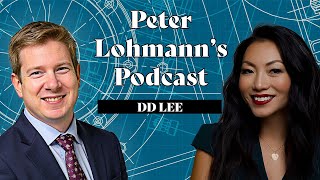
DeeDee Lee, president-elect of NARPM, built Skyline Property Management to 500 doors before selling to Pure in 2021. She discusses NARPM 2.0's overhaul: removing board-membership requirements and replacing regional VPs with a professional staff model that selects board members by strategic skill sets like change management and legislation.
Chapters
The only question you need to ask yourself is, what are you going to do after you sell your business? What are you going to do that's going to fulfill you other than this business? After you sell your business, you're going to be extremely bored and sad that you no longer have something to do because every person should have a purpose. And my biggest advice to people is before you consider selling, ask yourself that same question. What are you going to do? Do you have other businesses that you could focus on? Other things you're going to do. Otherwise you will experience that kind of depression. I've talked with other property management, you know, PMC owners who have gone through the sales process, and almost everybody goes through that little depression period. It's like an identity crisis. Who am I going to be now?
Friends, welcome back to Peter Lohmann's Thrilled today to introduce my guest, DeeDee Lee. DeeDee, welcome to the show.
Thanks so much for having me, Peter.
It's great to have you. So DeeDee, I'd love to have you start by just giving us like 90-second to 2-minute background on who you are and your involvement with the industry.
Sure. I got into the business in 2004, a lot like a lot of other people started out as a real estate investor. Grew my portfolio to 12 doors, managed all of it myself as a, you know, barely 20-year-old corporate person and learned how to do everything the wrong way, of course. And then, and then really opened it up to third-party management in 2010 after the recession. Everybody was asking me, you know, to manage their properties. Because I had experience, right?
Sure.
So grew that to 500 doors, single family and multifamily. And I also had a separate HOA division managing 3,000 doors there. Also managed short-term rentals, basically everything in real estate, every type of real estate I've touched, you know, got my hands on. So that led You know, led me to where I am today. I sold the company in 2021 to Pure Property Management, still with Pure Property Management, and then heavily involved on the NARPM side. As you know, I joined NARPM in 2012, volunteered essentially the first day of my membership. Mm-hmm. And I never said no to volunteering opportunities. And now is sitting as president-elect for national.
Outstanding. And I'm, I'm, there's a lot there I want to dig into. You have a really interesting journey through the industry and, and through NARPM as well. So I want to start by asking you to, I want to go back a little bit to Skyline Property Management, your business. I, you mentioned 3,000 HOA doors, which is incredible. Like that's a huge achievement. We, we managed a single HOA once, it was 18 doors. We did that for 2 years and I said, bye-bye, never again.
Yeah.
So how would you describe that business compared to residential property management? And then I'm also really curious, did Pure take that as part of the acquisition or did you end up selling that to a different group?
Yeah, great question. Actually, Peter, if I were smart like you, I would've stopped at the first HOA account. That book of business, it was not easy. You know, the difference was we had that side, that book of business gave us steady income, right? There was no changes in income or expenses on that side really as the market shifted. Whereas on the single family rental side, it depended, you know, on the market.
Oh, very interesting. Yeah.
Right. So that through, through like our low times on the single family side, the HOA business kept us afloat sometimes, right? Just because that income was very steady. So that would, that's a big difference. And then the other big difference I always joke is dealing with people. So on the single-family residential side, of course we're, we're dealing with multiple owners, multiple residents of all kinds of personalities. On the HOA business side, you're dealing with the board. A lot of times the, the board, very, you know, type A, highly D personalities. So you have to deal with that. And then you've got the homeowners. A lot of times, you know, the complaints are so minor, but then it's a huge deal to them. So we're spending a lot of time listening to homeowners complain about the neighbor's blinds across the street.
Yeah. Garbage pickup was 2 hours late.
Yeah.
My neighbor didn't put his recycling bin where it's supposed to go.
Yeah.
All that. Yeah.
I mean, you talk about the single-family residential side being hard because you're, you're managing people, right? Well, the HOA side is, to me, it's a little harder because every day you kind of have to, you lose a little bit of faith in humanity, right? And every day you have to pick yourself back up, like, you know, okay. I'm gonna, yeah, I find a way to restore my faith a little bit.
That was kind of my experience as well, to be honest. And that's why we, we, we stopped.
Yeah. And then hiring the right people, of course, on that side as a property manager, it was very challenging. You really had to find a very specific type of person to be able to manage, right, the different people elements of HOA and then being able to answer to the board and at the same time be a really good project manager. So it really has to be someone who's jack of all trades, is an expert with dealing with people.
Yeah, a lot of people want to lump it in with residential property management, and I even end up doing some consulting and, and just conversations with people who are trying to do both, or they're trying to do con— you know, condo or HOA management, and they're sort of trying to get my advice. And I'm always trying to tell them, like, I don't know hardly anything about that business. It's a very different business from my limited experience, it's just, it's different. Even though it's quote property management, it's not rentals. And so it is, it's different.
Yeah. I always call it, it's more of a project management.
Yeah.
Than property management. And when I looked for hiring property managers, you know, for HOA management, I always look for someone who has a strong background in project management.
Yeah. Did you end up picking up a lot of rental management accounts by managing this, these associations? Like, did that business, did they sort of help each other that way?
I know a lot of HOA management companies did that and it was very, you know, helpful for them to pick up, pick up new doors on sales, on leasing, on, you know, rentals. I actually made a very, a decision to, to have a distinction on that, right? Is I always told my HOA, clients that I didn't do, right, leasing or sales in the neighborhood that I managed because I didn't want to have that conflict of interest.
Oh, interesting. Okay.
I like that. And that, that helped me to build trust with the board.
Yeah. Got it. Okay. That's great. And then what ended up happening with that HOA business?
So Pure did end up—
Oh, okay.
—acquire that. And then, you know, about a year or two after everything, they decided to sell that portfolio and focus on single family. Okay, got it. Like you said, it's two very different businesses and yeah, it requires, requires something totally different. Yeah.
I'm curious how those HOA doors are valued. Of course they're not valued at the same face rate as a rental management door. I don't, I'm not asking you for specifics, but just in general, how did discussions about valuations when you sold to Pure go as it relates to the those HOA doors? Honestly, I don't know on the—
if you're just strictly talking about HOA management, you know, acquisitions and sales, I'm actually not too familiar with it. It really came as a package, right, in, in my sales to Pure. The way that it was done by Pure, it was a dollar value assigned per account. So say I had 25 to 30 accounts, it was just a flat rate per account.
Okay, got it. So you were, say you were managing for 25 different communities, you know, you had 25 different accounts and each of those may have anywhere from 50 to many hundreds of doors. Got it. Okay. That makes sense. So great. So you started a management. Now, did you start Skyline just from zero? It was just your own properties. I think you said you had like 15 or 20 of your own doors and then you just started adding third party? Yes. Very similar to my journey as well. So you grew that to over 500 doors and several thousand HOA doors, sold that to Pierre in 2021. And the, the, what I view as sort of the parallel track of your career has been your involvement in NARPM, which I want to ask you about. So you, I remember, you know, listening back to some of your other podcasts talking about how Robert Lohmann was sort of like, hey, if you want to go anywhere in this management business, you got to get involved in NARPM. And I guess you like signed up that very day or something. I did. Yeah, yeah, that's awesome. I love— I did pretty much the exact same thing, not with Robert Locke, but with another gentleman in the industry that I got connected with. He was basically like, dude, what do you do? You haven't been to an NARPM conference? What the hell are you doing? Like, it was pretty much the same thing. As soon as I hung up with him, I went over and signed up for Broker Owner, which was coming up in a few months. And then, you know, I've been a member ever since. So I saw in the title of your name here on our podcasting studio, it says MPM, RMP. I wanted to ask you about that MPM designation because that's a pretty hard one to get, isn't it? Master Property Manager. It is.
You know, I mean, honestly, for me, I, my designation journey is kind of, it's kind of interesting because like I said, my first day walking into the Atlanta chapter meeting, somebody asked me to volunteer as a membership co-chair and I said yes, even though I knew nothing about NARPM. I was, you know, still pretty new to the whole property management thing, trying to learn. And I said yes. And so never stopped volunteering, you know, served on different chairs, you know, president of Atlanta. And then I, I went to a broker-owner conference and at that conference there was a workshop. Where they talked about getting your designations and they actually had the worksheet out with the checklist. And I sat through it and at the end of, end of that workshop, I realized I had enough points to get my RMP, which is Residential Management Professional, right? That's the designation. And then after that, of course, the next natural thing is to get your Master Property Manager designation. That one took a little bit. You know, I think it took me several years to get that designation because it does require more hours really, and volunteering, right? You have points that you have to accumulate to get to your MPM, and a lot of times those points come from getting involved, you know, contributing to the industry in some way or form. And then going to conferences, getting education. So all of these things you have to do sort of for a certain amount of time in order to have those points.
Today's episode is sponsored by PropertyManagement.com. So I did a special edition podcast last week, which if you haven't heard it, go back and take a listen. The founder of PropertyManagement.com, Matt Spear, joined me and we got a chance to dive into what their plans are with that domain and what they're doing for the industry. Basically, they're interested in creating a new trust layer for the property management industry. Their goal is to elevate our whole industry of property management, and they have a fascinating new approach. They've developed something called a True Match Score, and their structured company profiles are set up specifically to work well with AI search results. So somebody searches for, hey, I'm looking to work with the best property management company in Denver, Colorado. I own a duplex. What do you recommend, ChatGPT? Who should I be speaking with? PropertyManagement.com has set up their website and their profiles specifically to be crawled by ChatGPT and other AI large language models. It's fascinating. So we get into all those details in the podcast. You should totally go back and listen to it, but you can get listed for free right now on propertymanagement.com and get your True Match score. So if you want to check that out, it's totally free to get started. And they're going to be running a top 100 property managers across the nation. So once you get registered, you're going to get your True Match score and they're going to do a huge big announcement with the top 100 property managers based on score across the whole country. They're going to announce this in December. You need to get verified by November 30th. Though, in order to secure your spot in that top 100, which again is going to be really important for AI search results. If you want to be listed in that top 100, that's going to promote your business even more if somebody's searching for a property manager. So thanks again to propertymanagement.com for sponsoring today's episode. And you can go to propertymanagement.com, killer domain, by the way, to learn more. And in the process of all of your volunteering and all of your positions, you worked your way up to eventually you're currently now our sitting president-elect of NARPM National. I have to confess my ignorance on some of the inner workings of National, and so I wanted to ask you, how does the president-elect get selected?
Yeah, that's a great question, Peter. You know, right, our election process actually just shifted, right, with the change to NARPM 2.0. One of the biggest changes is who should be on the board. So in the past, we have people that, you know, volunteer to be on the board. They had to have certain requirements, right? Typically, we want you to have your designation, at least RMP, and then you had to have volunteered on your local chapter or state chapter level as an officer., of some kind to even qualify to be on the board. And then once you're on the board, you have to have served at least 2 years as the RVP, which is the regional vice president role. And then you can move up, right? And you can apply to be a treasurer, you can apply to be a president-elect. Typically there is an interview process that follows that. So with the board? With, yeah. Okay. Well, the, the interview is made up of the nominating committee. Okay. Right. And the nominating committee is different every year. There's a select group of individuals who are not on the board. The past president is usually the chair of that committee. And then the committee is made up of just members, right? Members from different regions that represent different areas, right? And NARPM. And then that group of individuals sits on interviews of all the candidates. And then there's a scoring system where these, this individual candidate, first of all, they have to qualify and then they get scored on different aspects based on their experience, you know, how they answer questions in the interview. And then the people with the highest score usually are elected. That process has changed since Narconon 2.0, where you now, like, just to be a director on the board, you no longer need to have any of those previous requirements. You just need to be a member in good standing. Okay. So we no longer have regional vice presidents, right? The regional vice presidents used to have jobs and those jobs are, hey, you have a region that you're responsible for and all of the chapters in that region are yours, right? To help manage, to support. And so, and then those RVPs were required to travel to different chapters, conferences. It was, it was a lot of work. And it became, that role became more of a support role instead of leadership role. Does that make sense? So, NARPM 2.0 says, look, whoever is sitting on the board, we need them to be leaders. We need them to be visionaries and strategists, and we need them to really be able to see what the future of NARPM should look like, where NARPM should go, and clearly define those goals and visions and directives, and then let professional staff take it and execute it, right? So the old NARPM— I know I'm kind of veering topic right now.
No, this is great. I wanted to get into all this anyway, so this is all good stuff.
Okay, perfect. Yeah. So the old NARPM is volunteer-driven from local level, state level, national level. Everything is made up of volunteers, and what happens with volunteers, right, Peter, is we all have our work life, we all have our personal lives, those come first, and then volunteer life is last. And so a lot of these volunteer— yeah, we all get busy. And so what happens is when we get busy, some of the volunteer work gets just put behind, right? Put on the back of the list. And then things just weren't getting done. It was frustrating to get the right people to volunteer, to sit in the seats. We have— we struggle every year, even, you know, on the national level to get candidates to apply to be a director, to be RVP. And so, NARPM 2.0 gets rid of that problem. With NARPM 2.0, you have your leadership on top giving the plan, right, the vision and the directives, and then the professional staff now will be doing all the work and then reporting to leadership. That's going to be a huge shift. The goal with NARPM 2.0 is for this organization to move forward faster, for us to accomplish things faster, have bigger resources, and, you know, that's what we need, right, to really get this organization to where we want to go. So, going back to the nominating process, how that's changed to accommodate the changes of NARPM 2.0 is now all of those previous requirements went away. Anybody who's a member of NARPM in good standing can now apply to be a director on the board. There are qualifications, right, that make— that's going to make you a stronger candidate than others. What we look for, like I said, are people who possess the qualities to be a visionary, to be a strategist, and if you study personality profiles, I I love it, right? That's— I made a choice to be a student of a personality profile test. Always is your look—
predictive index. Okay, but I heard you reference this.
Yeah, yeah, DISC profile is, uh, what I've always studied. So the high D people who are driven, who can see the big picture, we want those kind of people sitting in those seats. And then in addition, we're looking for people with specific experience in different aspects like change management because NARPM is going through a lot of changes. We know that we need people with those kind of experiences, maybe legislative experience, education. So these are some areas that NARPM want to focus on as we grow. And so that's, you know, people with those kind of skill sets and backgrounds will typically get a higher score. So we still have that committee now we call Leadership Development Committee instead of Nominating Committee. This committee's job is to define the qualities of leaders that we are looking for. Their job is to define the holes in on the board, like, you know, say, hey, we already have people that are really good at technology. We have people that are really good at legislation. We really need someone who's strong in the education field. Or have experience with that, let's try to formulate, you know, our questions to find that person. So, that's your job is to define what we, who we still need to sit on the board to make up a whole board that covers different backgrounds, experiences. And so, that's their job. And then the second part of their job is the interview process. We're still using a scoring matrix, right? So, as they ask these questions, they're also noting how they did. If they, you know, give the answers that would lead to, right, like to show that they, they know about Narbonne, to show that they, they understand where we're trying to go. And at the end, that scoring still is a deciding factor on who gets to sit on the board. Okay, great.
Love that background. And I was gonna ask you about some of these details anyway. And how long is the, so you're, you're president-elect, when do you take office?
I take office January 1st, 2026. Okay.
And is it a— how long is the tenure?
It's a 1-year term. Okay. Got it.
Yeah. And what are some of like, what, what are maybe 2 or 3 of your top priorities as president?
So we spent all of 2025, we're still in the middle of it, to lay the groundwork, the framework for what NARPM 2.0 will be, right? And with that, what I mean by that, Peter, is we've done so much work this year. Amy has done such a tremendous job with the board, the rest of the board. We have to make bylaw changes, policies and procedures changes, changes with OMG because, you know, now they have to work with us to increase staff.
And OMG, just for anyone listening, Organizational Management Group. So they're the Essentially the management company of NARPM. So NARPM sets the strategy, the vision. OMG, which does work for a bunch of different type of trade organizations, they execute and implement the, you know, sort of the guidance coming from NARPM. So Gail, who is stepping down as CEO and retiring this year, she's the CEO of NARPM, but she is essentially— she works— she doesn't work directly for NARPM, she works for OMG.
Did I get all that right? You got it exactly right, Peter. Thank you so much for—
Amy, who's awesome and is also going to be interviewed this season, helped me understand all that because I did not understand it at all.
No, you said it perfectly. And thank you for filling in that detail. A lot of times, you know, I make the mistake of saying acronyms. No worries. We do that a lot in our industry and forgetting that maybe not everybody in the audience understands what those acronyms mean. So, thank you for that. But yes, so we've been working with OMG and still are to— they also have to reorganize on their end, right, to accommodate our changes and our growth. So all of the— all of this work is being done in 2025 so that in 2026, we can officially take our initiatives, which will be defined, by the way, during strategic planning in September. We will then have a list of initiatives, strategies that we want to implement in 2026 to get Narpreet to the next level.
Love it. Having run a property management company for many years and, and led that company, of course, how would you compare, like a small business, small to medium-sized business, like the ones that you and I have experience with to NARPM. So I don't have a whole lot of experience with volunteer organizations or, or, you know, company or organizations like NARPM, but just hearing you articulate, you know, how, you know, various positions are elected and these procedures and everything, it seems like a very different type of organization compared to a small business. I'd love to hear you share a little more about that. Just, I'm curious about what it's like to try and change the direction of a, of a group like NARPM compared to change the direction— like, if you just woke up one day and you decided, hey, we're changing from, you know, departmental organizational structure at Skyline to portfolio structure, you could just do that. I mean, it would be— it'd be over in 2 weeks. I mean, everything would be reorganized and everyone would be in their new roles. And but at a com— at an organization like NARPM, it feels like just, you know, there's way more people involved and slower moving process, you gotta get buy-in from everyone. Curious to hear your thoughts on that.
Yeah, that's a great question and it's very interesting to think about, you know, in a volunteer type of organization, it, you can't just fire people. I mean, there's, there's—
Kinda get the sense like maybe there's one or two people you had in mind there, but I, I won't ask any questions about that.
Yeah. I mean, you know, volunteers, it's like, you know, they, they decide when to do something and when they don't, right? Which is the whole reason why, If, if, if members have experienced frustrations in the past with how slow Narbonne seems to be making changes, it's a lot of the reason goes back to that. So I'm, I'm really excited for Narbonne 2.0 because that will remove a lot of those blocks, roadblocks that we've had with volunteers. Some similarities I'll talk about is, you know, the leadership Like the president, for example, is not just because the role is president doesn't mean you get to go in and make changes and do this and do that. At the end of the day, it's the entire board that comes together and makes a decision. The president's role really is to help set the tone, right? It's organizing meetings. You know, it's, it's not really like I get to do whatever I want to do. Sure. So that's why, you know, having the right people in the seats, in the right seats on the board is extremely important because together we, we make decisions. And then we also, you know, before we make decisions, just like our own businesses, we, you have to get the buy-in of your team. So in this case, our buy-in, our team is made up of our management company, OMG, our committees. So you have to, right, we set the vision of where we want to go, and then we have to communicate that very effectively to our management company and to our committees that will essentially work alongside the management company to implement our vision. And so communication is extremely important. And then, and then you, and then we can talk about the management aspect. So just like our businesses, you have to manage your team. And how we do that is you have to have clear expectations. You have your KPIs that you set, goals, right? And those goals, of course, are measured. You have your timeframes, right, that have to be achieved. And so it's very similar on the NARPAMEN. So we, the leadership team, or the board in this case, sets those KPIs. We have set goals that are there. By the strategic plan. So we have a strategic plan and then we set goals, right, based on the strategic plans. And then we hold the staff accountable to getting those goals done in a timely manner. And then we also measure their performance by the KPI. Those are reviewed often as well.
Okay. So a lot of overlap in skillset required, it sounds like, but maybe just some more patience. And more collaborative rather than ruling by fiat when you're just the sole owner of a business.
Yeah, and then I'll add one more thing, Peter, is on the nonprofit side, we run everything by the bylaws and our policy and procedures. So, you know, even if the board, right, wanted to make a change, we still had to follow the set procedures and policies. In place. Like if we say, oh, hey, we, we should change, let's just say, right, we used to, we used to have education done in person. Let's change it to virtual. What does that process look like? To refer to the bylaws, it takes a vote and then, you know, we have to make changes. Do we need to change the policies and procedures to accommodate that, the change, right? So it's like all of these things, you really have to just follow those rules.
I'm just wrapping up my— you mentioned education. I'm just wrapping up my CE for my Ohio broker's license, which is due on my birthday, which as we record this is one week from today.
Um, okay. Well, early birthday. Happy early birthday to you, Peter.
Hey, thanks. But I'm desperate for some NARPM CE courses. Unfortunately, the NARPM courses are not approved for CE in Ohio. And so maybe I'll whisper in the president-elect's ear about In 3 years when I have to do this again, I'd love to have some NARPM, you know, uh, Ohio-approved CE through NARPM.
Yeah, I would love that as well. I would love that as well. Yeah. The, the Atlanta chapter who I'm a, that's my home chapter. Yep. We have somebody in the chapter who has, who has like an instructor's license with the local realtors board here. And what he's able to do is take a lot of our classes, whether it's, it could be, could, could be taught by anybody, right? Who's local and turn that into a CE class. Awesome. For our members. So that's, you know, for, from a chapter perspective, it's great because it encourages people to now attend classes. Their incentive is they'll get CE credit for it. Yeah, that's great. Yeah, we would love to see that across the country.
Today's episode is brought to you by Rentvine. All right, let's talk software for a second. If you're managing properties and haven't checked out Rentvine yet, you're missing the platform that everyone's talking about. Hop into any Facebook group and you'll see raving reviews from some of the best in the industry. What makes them different? For starters, and something often overlooked, no upcharges for essential features. Support? Included. Integrations? Included. That includes trust accounting, maintenance, leasing automation, owner and tenant portals, and a seriously open API that plays nice with all your existing tools. And it's all in one flat rate, simple pricing that doesn't scale up every time they add a feature. Can't tell you how many times I've seen it where you give a software provider an idea, they build it, turn around and charge you for it. Not with Rentvine. They have a raving fan base. One review I read said, Rentvine makes trust accounting so simple it feels like cheating. I mean, that's the dream. The platform was built by Dave and John, the same team behind Property Manager Websites, and they know this industry inside and out. That's the truth. As a property manager, I appreciate that Rentvine isn't trying to be the loudest software out there. They're the one that listens, and in this industry, that really stands out. Head to rentvine.com to see what property managers truly deserve. Thanks again to Rentvine for sponsoring this week's episode. Switch gears a little bit and, and talk a little bit more about your experience with your property management company and specifically around selling it. So a lot of people listening have probably been in the business for a while, and I think anyone who's owned a management company for more than a handful of years has thought in their mind, what would it be like to sell my management company? Should I sell it? What's it worth? Who should I sell it to? Should I just keep it and run it? So I think it would be really interesting for my audience to hear from you what it was like emotionally to sell your baby, because that's, you know, we think of our businesses that way. You know, was it hard to make that decision afterward? Were you torn up about it? It's, it's a huge decision, especially, you know, you had started it from nothing and, and been involved with it for, for many, many years. I think, you know, I don't often get chance to talk to somebody who's actually gone through the, the, the sale process.
So I'd love to hear from you on that. Yes, Peter, it's, you can definitely say that it was not an easy process, right? For me personally, when Pure approached me to have that conversation back in 2021, I was not looking to sell. I had grown my business at that at that time to be self-running mostly. I'm always a huge believer in technology and automation and getting, you know, to a point to where I no longer have to work. So, I really work hard to get to that point, right? It's like working myself out of a job. And I wasn't really at that point super involved in operations anymore. I had a great director of operations who ran the whole thing for me. I was, you know, just involved just from a leadership perspective, right? And I love life. Honestly, for me, I think I have this disease called entrepreneurial spirits. When I get anything that I get, you know, that I'm involved in, when I get it, when it's to a point where it's pretty smooth, it's now really easy, it's no longer super challenging. I get bored and I'm like looking for chaos and challenges. Sometimes I hate that part of me, myself. Oh yeah. But I've decided to live with it. It's just who I am. And so at that, at that time, I started looking for different things to do, like different challenges, different businesses to get involved in. And so when Pura came, you know, first of all, I wouldn't have even considered it if they didn't say, look, we are people-first business. Any businesses that we acquire, your entire team stays, right? They're not only would they get to stay, now they're going to have more opportunities because working with a bigger company, if they wanted to move up more vertically or even move to a different department,, right? They now have the opportunity to do so. In addition, they'll have support. So they're no longer a team of one of a department. Now they, they work with others who understand what they're going through, maybe share resources, ideas. So I, I love that idea of it. And then for me as an entrepreneur, Pure also offered me, you know, investment opportunities as well as employment opportunities to help build a business. So that was very appealing to me, was to get involved with, you know, a great business with a great vision, great people, and help to grow something nationally. And so to me, that was, that was extremely interesting as well. So the first thing I did was went to my director of operations, which by the way, she had a small ownership in my business, right? So I gave her, right, rent, did the rundown with her with the opportunities for our team and also, right, what she thought of it. Because if she said no, then it was, I wasn't gonna do anything. Oh, interesting. Okay. Yeah. She said, yeah, actually that sounds interesting. Let's pursue it. So, I had her on board and then, yeah, that, that part, the rest of it was actually pretty smooth. Thankfully, my director of operations was very organized. She had all the documents that we needed to submit for due diligence. Yeah. You know, our business was, like I said, to a point where it was self-running. So there's just like not a whole lot of issues during that whole process. The acquisitions piece was very simple. The emotional piece though, that was the complicated part, right?
Yeah. I wanna hear more about that.
Yeah. So, you know, the— Pura made the transition very easy for the owner of the company, right? First of all, they offered me a position to stay. So for the, the first 6 months, nothing changed. We still ran operations as usual. There were no changes, period, on what we did. Okay. We just had to report, right, to a separate group at the end of each month.
And this is 2021, you said?
This was 2021. Things have changed since then, but as of 2021, that's, that was how things were. You know, so for, for the 6 months, it was very easy for me, no changes. And then after 6 months—
So you were still showing up to work, Same team doing the same thing.
Everything. Yep. Okay. After 6 months, that period ended, and then I got more involved in my, in my other job with Pure. All right. So, the hardest part for me was detachment because to me, I still felt very responsible for my people, for my portfolio, for my clients, my, my residents, and it was very hard to draw the line to just say, you know what, I'm gonna stop caring today.
Especially when you're there now. So for 6 months you were there, nothing changed, but how long, or are you still kind of going into the office?
I mean, it was, yeah, like nothing changed on that, right? In the first 6 months. So after 6 months, it's like the, the, that's when the shift really started was, okay. This is no longer my company. This is no longer— this, this team is no longer mine. They, they're now reporting to their separate departments, other people. Like, Pure never once said, Didi, we don't need you to— you need to stop. Like, they never said that because to Pure, it's like the, the, of course, you know, the more involved the owner is, the more it's gonna help with the whole transition. But I had to at some point, and to— for me, that was really hard. I remember talking with Brian Jenkins, who's always been my mentor in this industry. He sold to Pure a couple months before I did, and I was expressing to him about some frustrations, right? I mean, after 6 months, some things had to change, right? You can't sell to a new company and then not expect that new company to start making changes in your operations. And I was like, you know, I don't know if I would've done things this way, you know, done some things. Yeah. I'm not saying all of it. And Brian just said one word. He said, you know what, Didi, the, the thing that really helped me was the word detachment.
He just, I love this idea of like this wizened old, you know, veteran. Uh, he, he's 3 months ahead of you and he's passing down this ancient wisdom, right?
Yeah. That's great. Yes. 'Cause he was 3 months ahead of me on that whole process. And he said, I struggle with the same thing, DeeDee. It's very hard to let go. And so every time I feel myself getting pulled back into operations, back, pulled back into decision-making, I would just tell myself, detach, detach. And so that was the mantra I kind of started repeating to myself. And eventually, you know, I got busy with my new role. I got busy with the other things that I wanted to do outside of Pure. So It helped. And then what really helped is seeing my team kind of get used to the new structure, right? Getting used to the pure way of doing business and then seeing that they were taken care of. Like, for example, Amanda, my director of operations, got lots of— lots more opportunities with the company. She was doing very well. And then the rest of my team also got settled into their seats, and that helped. That helped a lot.
Great. And so if you were chatting with somebody, you know, at an ARPM conference and they were, they're, you know, 10 years into their, you know, ownership experience and they were thinking about selling or thinking about this idea of selling, what would be some of your, what, what would you tell them to consider? Like what should be some of the considerations as they thought through that decision?
Yes, it's a great question. I've actually have, have had a lot of conversations with people. Yeah. On this topic, people hear about my, my journey and then they're curious. So they ask me, and I always ask them, you know, first, the first thing I would do is make sure my business is in the position, like, to get— for it to be ready to be sold. I started that journey, like, that process a long time ago before I even thought about selling, because I learned from my CPA and from some other business mentors that you should always build your business as if you're going to sell it one day. Yep. Great advice. Yep. Even if you don't have any plans to sell it, even if you want to pass it down to your kids one day, you should organize it as you, as if you, you would. For an example, make sure your monthly P&Ls are done on time, right? And that you always know where your financials are. Make sure all your paperwork are organized because one day if you did decide to sell, they're going to ask you for it. You know, have all of your contracts in place with your owners, make sure they're assignable. And then of course, consider your revenue because Pure or anyone else who might be looking at acquiring your company, they're going to look at your revenue to help determine how much they should offer you. And in our property management business, I always tell people the most important number is your revenue per door. So the higher you can get your revenue per door, the higher your valuation would be.
Yep. Yeah. And just as a sidebar, if you're curious about how much property management companies sell for, I put together a report. I got data from 89 different actual transactions in our space over the last few years. You can check out more if you want to see that report and purchase it at report.peterlohmann.com. And, you know, I put that together because I was curious, just like you're saying,, you know, how do potential acquirers value these companies? What are they looking at? What are the multiples? And so I just, I had to satisfy my curiosity there because everyone, probably including yourself, is on an NDA. And so you, you know, you hear these little whispers and rumors about, well, the, you know, it sold for this, sold for that, and you never really know. So I was able to, I was able to wrench some real data from actual sales and transactions.
That was really interesting.
That's amazing. That's amazing, Peter. Any other thoughts that you would share with somebody? Like the emotional journey, was it harder than you thought? Like, because here's how, what I make up, what I make up is when I eventually get to this point 10 years from now or whenever, I'll make up my mind and that'll be that. And then as soon as I make the decision, I'll kind of wash my hands of it. But there's a part of me that's also like, you're going to regret it or you're going to just like, 'Cause you hear from people who sell all different types of businesses, not just property management companies, about this post-sale kind of malaise or regret or sadness of like lack of direction, lack of per— lack of purpose.
Like, did any of that hit you? Mm-hmm. That's, that's so such a great point to talk about too, Peter. So in 2015, I was approached by a different group to buy my business and I was a much smaller business at that point, and I went to a business broker who I also looked up to as a mentor. And I said, hey Sam, what do you think about me selling? And he said, DeeDee, the only question you need to ask yourself is what are you going to do after you sell your business? You know, what are you going to do that's going to fulfill you other than this business, right? Are you going to be happy? Mm-hmm.
And so basically when— That's a wise mentor. You, you pick out some good mentors. I think that's a skill of yours.
Mentors are so, so important in your personal growth and in your business growth, in my opinion. But, you know, he, he said, if you don't have something else lined up after you sell your business, you're gonna be extremely bored and sad that you no longer have something to do. Mm-hmm. Because every person should have a purpose, right? And especially for personality like mine where I like to be busy, I like to always be creating and solving problems and, you know, have challenges in my life. That was such an important lesson for me. So yes, before I— my biggest advice to people is before you consider selling, ask yourself that same question. What are you going to do? Do you have other businesses that you could focus on? Other, you know, other things you're going to do. Otherwise you will experience that kind of depression. I've talked with other property management, you know, PMC owners who got, who have gone through the sales process, not just selling to Pure, but to other companies too. And you know, we keep in touch, right? It's kind of like a little support group. Yeah. A little alumni group. And almost everybody goes through that little depression period. It's like an identity crisis. Who am I going to be now? Right? You, you could have millions of dollars in your bank, but still feel very lost when you don't have purpose. So that's a really interesting thing to consider. For me, I knew I wanted to continue managing short-term rentals and midterm rentals. And so I did carve that piece out of my— Oh, interesting. Okay. Out of my sales so that I, I still, could be managing properties, but just a different type of property.
Fascinating. And, and so it sounds like you found purpose and fulfillment not only through that, but also NARPM and not for nothing, you still are working for Pure as industry liaison. I want to ask you about that role and what's involved there.
Yes. So my journey with Pure, so one thing about Pure is, you know, especially with owners who have sold to them, is they offer the flexibility for you to find what you really want to do, right? I started out by being on the acquisitions team for a while, and then after that, I was on the institutional team helping to build that vertical for Pure. And then once that vertical was— the structure was built, we had the right team in place, I don't get involved in operations, right? That's the reason why I sold. So, my next thing was they knew that I was rising up to become more involved with Narbonne at that point. And so they came to me and they said, hey, DeeDee, we love what you're doing for Narbonne. If you didn't know it, Peter, many of the operators that sold to Pure were heavily involved with Narbonne, right? As Eric Wetherington is a former president of Narbonne. So we're all huge supporters of Narbonne. And so they said, hey DeeDee, we really wanna support your Narbonne journey. We want to see you continue to be involved. So we're going to offer you a role really, and we know how much time it's going to take for you to be involved with NARPM at that level. So we're going to support you, and as an industry liaison, you get to continue to be involved with NARPM, spend your time there, and go to all the conferences, you know, attend the meetings, and we just want you to essentially be an ambassador. For Pure when you're at these events, right? And also a part of that job is to learn what's new in the industry in terms of vendors, technology, anything that could help Pure become a better company. That's my job. And then, you know, to just, to just always be that connector, right, between Pure and the industry. And then the other thing that I do is we, we have blogs, we have articles that we write about not just Pure, but just about property management in general educate, you know, the public.
And so I help contribute to those articles as well. Awesome. Yeah, that sounds great. I mean, that sounds like a great fit for you and what you're looking to do at this, you know, at this phase. On Pure, I was curious sort of what it's like there. A lot of, like you said, a lot of NARPM, a lot of industry folks have sold to them. They've been kind of quiet lately, and I was curious just sort of you know, what's the culture like over there? I know you mentioned that it's very people-oriented. What's, what is Pure looking to do here in 2025 and moving forward? What's sort of like, what's worked according to plan and what hasn't gone according to plan? I mean, obviously I'm not gonna ask you to say something you're not comfortable sharing, but just a general sense of things.
Sure. So if you haven't heard from Pure, you know, recently we've been quiet. It's because we have been focusing on improving our internal processes in the last couple years. You know, when you acquire over 70 different companies on a very, very short amount of time, there needs to be time to, to spend on merging all of these offices, right? So we came out with a PureWay, which is our internal policies and procedures, our SOPs on each process. Of the property management life cycle, and we have to implement the PureWay across all of our offices. Yep. So that takes time. And then the training, getting, you know, the right people in the seats, all of that takes a tremendous amount of work and time and lots of ups and downs, right? And lessons because we're still a relatively new company to be growing that fast. And so it's a balance. And so we don't want to implode by growing so fast and then not focusing on the process and not focusing on the customer service. If you look across our Google reviews, across our different, you know, offices across the country, we have an average of 4.5-star rating. Great. Yeah. And we're, we're very proud on that because No matter what, quality is number one and people is number one. So, so yeah, sometimes we have to pause at the— with acquisitions and growth in order to fix what we need to fix so that we're not sacrificing quality.
Yeah, that makes total sense to me. And I've, I've, I've heard similar from a number of the other groups who are, you know, rolling up management companies that, you know, a lot of them have paused and are focused on operations.
Yeah, it, it's absolutely necessary. And actually, as my own company, with my own company Skyline, I did something similar. I did year, year on, year off. So year on is where we focus on marketing and growth and we just, you know, try to grow as many doors as possible. And then the next year we kind of slow down on that initiative and then focus on process. So meaning like, what do we need to make adjustments on in our process to accommodate the growth that we just had? That is very interesting. Yeah. Yeah. And to, you know, make sure that we are able to scale even more with our current set of, you know, tech stack and our process.
So, yeah, I'm really into that concept. We've never done exactly that, but I've definitely sort of done that, not by that name, but just, it's just the nature. Like you experience a bunch of rapid growth and you're like, all right, whoa, let me like try to integrate all these new, new doors. I think there's something there, like, and I wonder if you could do that on like a 6-month cadence, like a 6-month. And for us, like when I analyze our leads and our, and our closing of new doors, there's definitely seasons to that. Like the summer, the spring, summer, fall, like late spring to, to mid-fall is our busy season, not only for leasing, but also for adding doors. And then that other third of the year, I wonder, just call it like, yeah, this is our ops season and then we have our growth season. I think there could be something really interesting, like a framework there for PM companies.
Yeah. For me it was a, you know, non-negotiable, right? Is, is we have to always evaluate whether our processes are working. Yeah. Because 200 doors, right? Your processes a certain way, but then when you grow to even 300 doors, you might have to change a few things with your team, with, with just different things. So it's necessary. And then so Pure, yeah, Pure has been going through that same thing, but we're poised to start growing again here very shortly. And then you mentioned culture, Peter. That's another big thing that Pure has always done a great job with, in my opinion. We were just named Inc. Magazine's Best Workplaces this year. And, you know, internally, I can tell you that we have over 500 employees now. Wow. And, you know, the— there is always a sense of collaboration, right? And team, even though a company— with a company that big, That culture has never left. We never lost that. We have regular all-hands calls from leadership. I mean, Mike and Joe, the two founders, are the ones that lead that call, and they give us inside updates on how everything is going from operations to growth. And everybody in the company's invited to be on that call to hear about what's going on. You know, there's no secrets. Everything is very transparent with, you know, the struggles. If we, if we have struggles, they talk about it. If we have wins, we talk about it. We get monthly surveys coming from the company just asking for feedback, like, where can we do better? What's not working? How can we support you? And then these anonymous surveys, you know, they look at the results and they try to incorporate changes. We have a whole team of people that support the pure way, right? So that— what that means is they go and make sure every branch has their resources and their tools needed to succeed. We have a whole training team that does nothing but train on fair housing, on our policy and procedures. So all of those aspects, you know, are tools that employees can use to be successful in their daily lives.
Yeah. So bringing it back to you personally, let's pretend some future 10 years from now, no longer working for Pure, would you start another management company?
Is that something you would ever do? I don't think so, Peter. Not, not in the long-term rental side at least. So I still have my short-term rental business and I manage now a portfolio of pad splits.
I don't know if you're familiar with pad— Heard of pad split.
Yeah. So it's, it's co-living. So you, you take a single family residential property and you, you know, convert the space into rooms. These are properties you own or third party? Both. Okay. Yeah. I spend a lot of my time now investing in these properties because from an investor's perspective, you're providing affordable housing. This is in Atlanta. This is the, yeah, my portfolio is in Atlanta. PadSplit, the platform is kind of like Airbnb, but for room rentals. They're all over the country now, right? So, so I invest in these properties as an investor. We, you know, we, we're providing affordable housing to people who otherwise would be homeless because they're making, interesting. When you think, you think about the demographic of people making $30,000 to $45,000, it's very hard for them, you know, in the Atlanta area, probably a lot of other markets to find anything affordable where they can pay rent and all their utilities and all their living expenses in today's economy is just, it's very difficult. So a lot of these single professionals need more affordable housing, right? Inventory. Yeah. So we're helping to provide that. And so in that sense, it's goodwill, but from an investment, perspective, you're making double, trip, sometimes triple the amount of rent that, you know, compared to a long-term rental. So it's very interesting. It is a very interesting thing. And I've, I've been doing it for a year and a half now, just, you know, trying to track everything to see how consistent it is, how much demand there is. You know, it's, it's working out really well and that's, it's really honestly one of my biggest focuses.
Right now with my team. Love that. Well, Didi, our time has come to a close. I really enjoyed this conversation with you today, and I hope our listeners did as well. For anyone who wants to follow along with you or connect with you, where would be the best place for them to do that?
Sure, I'm on LinkedIn, so they can find me there. That's probably the best place to, you know, to reach out to me. Yeah, I'm also, also on social media, but I can't say that I'm I frequently update it.
All right. Well, great. This has been fun, DeeDee.
Thanks again for coming on the show, and we'll see you around the conference circuit. Thanks so much, Peter.
I enjoyed it. If you like the show and want to get connected to the community, you can follow me on Twitter @PSLohmann and subscribe to my email newsletter on my website, peterlohmann.com. I try to share as much valuable property management content as I can on a regular basis. Thanks again for listening and have a great week.










