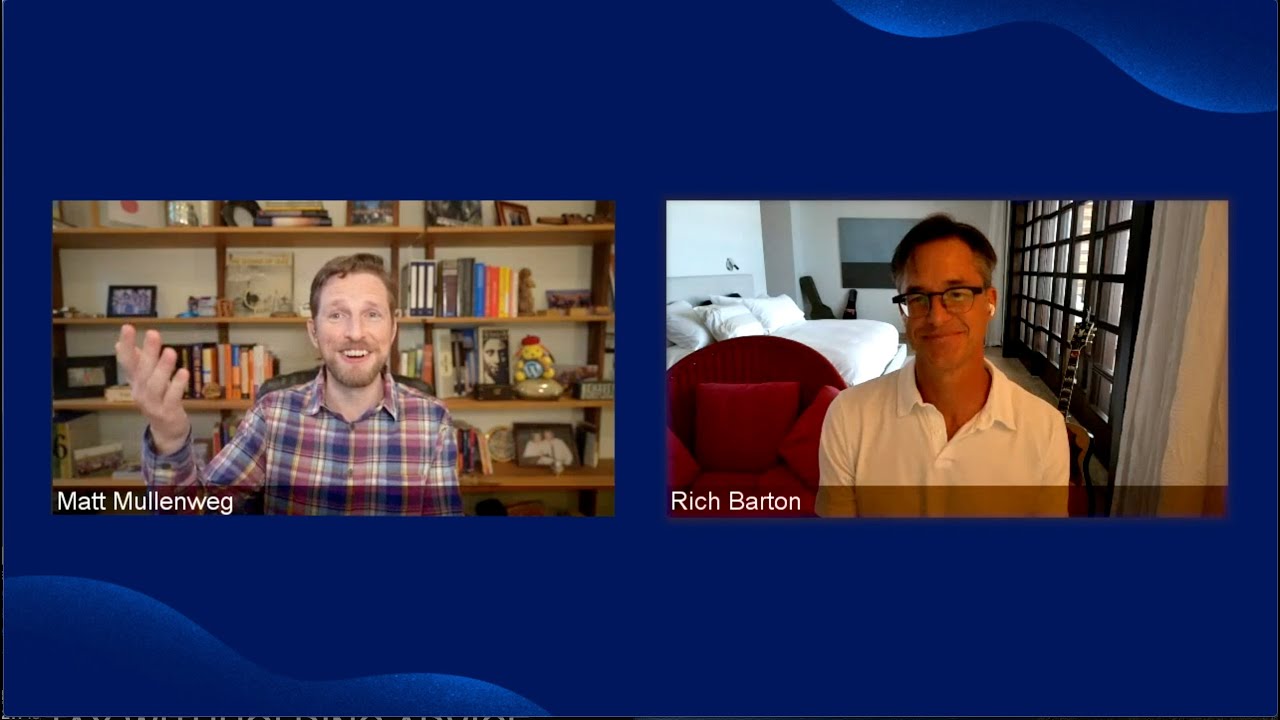
In a Zillow speaker series interview, Matt Mullenweg, founder of WordPress, discusses how a work‑from‑anywhere (WFA) model serves as a competitive advantage for talent acquisition and employer branding. He argues that talent is globally distributed while opportunity is not, and that offering geographic flexibility lets companies "fish in the ocean" rather than compete in a small pond with tech giants. Mullenweg emphasizes that WFA provides employees greater agency and autonomy, leading to higher job satisfaction and, when executed well, greater business output. Success hinges on hiring the right people and mastering distributed, asynchronous collaboration. He introduces the internal acronym API—"Assume Positive Intent"—as a communication norm that mitigates friction in written interactions by encouraging empathy and positivity. Finally, he acknowledges the challenges of remote work, noting his 15‑year experience and the heightened difficulties during the pandemic, urging those struggling not to feel inadequate.
Chapters
We are incredibly excited to kick off the ZG Speaker Series with Matt Mullenweg. As we continue to work differently at ZG, we're excited to bring in examples of leaders who have done really cool things externally in this space.
I'm interested, you've been doing this for a long time. You're a pioneer in this work from anywhere concept that's now become just, obviously lots of people are focused on it. Talk to us about how it has been a competitive advantage for you from an employer brand from a branding and recruiting perspective?
It's almost a secret I don't want to talk about because part of the advantage is that companies like Zillow aren't doing it. If you believe, as I do, that talent is equally distributed across the world, but opportunity is not, um, that is just incredible. And so I feel like it, it really brings just better people. The reasons for this, I think, are just that people can have a lot more agency and autonomy over their work. Which gives them a lot more job satisfaction. And, um, and then you can accomplish more as a business. That has a lot of assumptions. Assumes you're hiring the right people, assumes you can work well together in a distributed, asynchronous way. A lot of things built in there. But when you get it right, it's like, uh, fishing in the ocean instead of the same small pond that Microsoft, Facebook, Amazon, everyone else is fishing in.
I like that. I like that.
We have an acronym called API. Which doesn't stand for programming interface. It actually stands for assume positive intents. Particularly as a lot more communication goes written, it's so easy to kind of bring your own insecurities or worries or mood or whatever into the words on the screen, which are usually kind of neutral. And it's easy to read the exact same words. It's like, you know, Rich says like, "Hey Matt, did you get to that report yet?" "Hey Matt, did you get to that report yet?" So if you assume positive intent with every message, it actually just, you know, greases the communication in a way that removes a lot of friction, removes a lot of misunderstanding, and allows you to respond from a place of empathy and positivity.
This has been great. This has been really, really fantastic. You clearly are a much, you know, a much longer-term vet at this work-from-anywhere thing, given how unbelievably crisp and well-lit and how you sound in your background compared to what I have.
First, I'll say that I've been doing work from home for like more than 15 years, and this has been hard, actually, you know? So if you are struggling in this current environment, don't feel bad. This is not normal, work from home.
Thank you so much for sharing your expertise. This has been the number one hot topic for— at work amongst employees since we began this shelter-in-place thing. Your expertise is unrivaled. Thank you, Matt, for sharing it with us.