Getting Sober For Yourself vs. Getting Sober For Someone Elese
Amber Hollingsworth argues that any reason for sobriety works, whether it's protecting your marriage, being a better parent, or avoiding prison. Failures usually come not from weak motivation but from underestimating what recovery demands: accepting powerlessness, cutting out enablers, and committing to complete abstinence with no cheat days.
Chapters
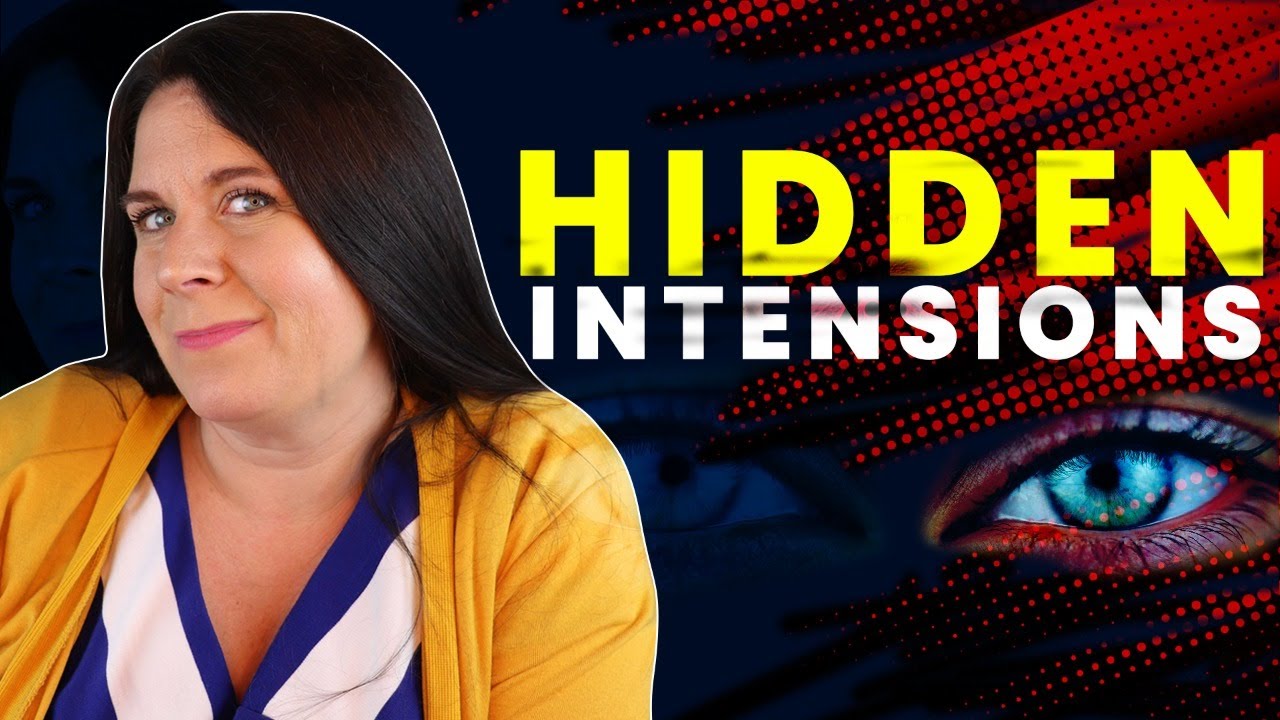
Do you have to get sober for yourself? Does it ever work to get sober for someone else? That's what we're going to be discussing in today's video, and I hope that you join the discussion because that's exactly what this is. It's a discussion. Earlier this week, one of our viewers left a comment on one of my videos, and I can't even remember what video it was, but the viewer, I won't say their name just for confidentiality reasons. But the viewer had said, I tried so many times to get sober before, and I even tried to get sober for my kids, and it just didn't work until I decided to get sober for myself. But the viewer went on to say, but the confusing thing about that is I don't really know why, because I would give my life for my kids. My kids are everything to me. Why? And basically the viewer was saying, why wasn't that enough? And it really got me. To thinking. And I'll tell you what I ended up responding or some more messaging that went back and forth on that comment. But essentially, I hear people say that all the time, like you have to get sober for yourself. People talk about the motivation behind why you get sober being such an important thing. But as controversial as this is, and totally feel free to disagree with me here, but I don't really think The why is so important. I'll tell you what I do think is important in just a second, so keep listening. But I think getting sober for someone else is a good reason. Like if you're getting sober because you don't want to lose your marriage, I think that's a great reason. If you're getting sober because you don't want to go to prison, I think that's fantastic. If you're getting sober because you want to be a better parent to your kids, I am all for it. In my mind, there's no bad reason. To get sober. Like literally any reason is a good reason if you ask me. Sometimes I've seen people get sober because they're like, I'm spending all my money on this. This is ridiculous. I don't want to spend all my money on it. That's a fantastic reason. There's no bad reason. Now there is a reason why people think that it doesn't work trying to get sober for someone else. And it's because they, when they've done that before, they've had some failures. But I want to challenge you to think about Maybe the reason you had the failures isn't the why, or it wasn't like the motivating factor. I think maybe it was something else. I think maybe the reason why it feels like it doesn't work to get sober for someone else is this. A lot of times in our early attempts at getting sober, we still don't fully and truly and deeply Acknowledge our powerlessness over the addiction. We don't really, really, really in our heart of hearts, deep down in our bones, know that we got to give it up like totally for good, like go absolutely sober. None of it. Because here's what happens when we, in our mind, we're getting sober for our kids or for our husband or for whatever. We think there'll become an opportunity where we decide that we just want to sneak just one. We're going to have this one. They're not even home. They're like at their grandma's for a week. Maybe if it's your kids or something and you think, I'm going to sneak this one. That doesn't mean really that you care about your addiction more than you care about the person. Although it may feel that way to your family, that's not really what's happening. What's happening right there is not a problem with the motivator. What's happening there is a problem with an understanding about just how powerful the addiction is and about exactly what it takes to get it under control. Because we go through these periods where we constantly tell ourselves like, just this one time or just a little bit, or I'm not going to let it get back to like it was before. That's what keeps pulling you back in. It's not because you got sober for the wrong reasons. It's because you don't, you're not accepting powerlessness. Now I'm using that word, but y'all know that you don't have to work some 12 steps to get sober in my opinion. But you do have to like understand that when you're addicted to something, it means that you can't use the substance and have manageability in your life. And it can be really confusing because there will be times when you use whatever the substance is and nothing bad happens to you. And that's like the worst possible thing in my mind because then you go back and you're like, oh, see, see, it was fine. I just used a little bit. It didn't get out of control. And you get kind of, I call it overconfident. And then it sneaks up on you and it bites you in the butt. It will get you and the unmanageability will come back. So in my mind, I think that's what the issue is. It's not because I put my addiction over these other things. I think when someone gets to the point when they're saying to themselves, I just did it for myself, I think the thing that really comes along with that is this feeling of exhaustion and this feeling of just doneness because there's a deep Real realization that this doesn't work for me anymore, which is slightly different than I need to do something about this because it's causing trouble in my life, or I need to rein it in, or I need to back it down, or I need to give up this, but I can still do that. Those are the stages that I call the bargaining stages. And when you're in those stages, like you get that the substance is causing you problems and you get that you need to make a change. But you may not fully get the real deal truth of the situation is, which is like, you got to let it go completely. And not only that, even worse than that, even more than that, you got to change your lifestyle. So it's not even, you just have to give up the substance, but you're probably going to have to give up some relationships and some people, places, and things, as we say in recovery. And it's when you come to terms with that, That you will actually find success in long-term recovery. It's really understanding that there's no sneak days, there's no cheat days, that when you do that, when you open the door to it, then you've literally put this little crack in the armor for the addiction to get in there. And once it gets in, it's going to break the dam. It may do it on day 1 or day 10, but I promise you it is going to do it. And once you understand that, then those sneaky thoughts about, I can get away with it, or they're not here, or just this one time. Once you really get that on a deeper level, those thoughts about trying to manage it or about trying to tell yourself it'll be different this time, those thoughts will go either completely away or almost all the way away. Because even when that sneaky thought jumps in your head, you know better. It doesn't work on you anymore. You're like, I done been down that road 55 times and I know what's going to happen if I do it. So to me, what do you guys think? To me, it's not necessarily about the why, it's about the how and the what is it going to take. It's about a deep level understanding of it. And most of the time I just think that that comes after a lot of trial and error. You know, we tried to get sober because we got in trouble. We tried to get sober because a relationship we care about was in jeopardy. And the thing of it is, is we wanted to fix those things, which is not a bad thing. Those are good things, but we just weren't being honest with ourselves about what it was going to take. Now, if you relate to what I'm talking about here, give this video a thumbs up so I know that I'm on the right track. Or let me know in the comments or in the chat, what's your experience with this? When I talk to people who've been in recovery for a long time, when anyone talks to them, you'll hear people tell their story. They'll say things like, I got sick and tired of being sick and tired, which is true. But a lot of times when you get sober and you've been in recovery for a while, I think we get a little far past it and we forget exactly how it happened when we first got sober. Because people that are in the early stages of it, they talk to people who've had it in recovery. And I think Even though we're trying to like give them good advice and wisdom, sometimes we do an injustice because we don't tell the story exactly right. We're just like, I just got done with it. I just decided to do it for me. I just got sick and tired, sick and tired, and I just put that stuff down. It's kind of a romantic way to remember that. And hey, maybe that happened that way for you, but I've been on the front lines of this for a long time and I pretty much never see it happen that way. It's not just this smooth awakening. It's more this trial and error. back and forth rocky road that leads to exhaustion, that leads to the, okay, fine. Just like a tapping out of like, okay, I get it. I get it. I get it. Like, it's just not going to work for me. But it's usually paired with being backed up against a wall somehow. It's usually not really what you want to do, but you finally come to terms with the fact that, hey, like, I gotta do this. Our viewer that initially presented this question, she's on here, Emma. She says I can say her name. Hey, Emma, thank you for the topic. So tell me, what was it like for you? Those of you who are on here who are in recovery, who've gotten sober, or maybe you're struggling right now, but you did it in the past. How did you do it? Was it just one of those like all at one time moments where you were just done and you walked away? Or was there a lot of trial and error? Were you backed into a corner? Where did you have some external pressures on you? I bet there was. And I think it's good to tell that part of the story. It's important to remember that part of the story because it makes people that are in it at the moment feel like they're not going to get it because they're not ready, or they, they're not doing it right, or they're not doing it for the right reasons. And it's almost like a self-fulfilling prophecy because we say this all the time to people, like, you have to do it for yourself, you have to do this or it won't work. And then we've planted that seed in people's head and that Kind of sets in motion this failure process, right? When I'm like, when people tell me like, yeah, I had 10 months sober, that was a few years ago. And you know what? I just didn't even do that for myself. I did that for my wife. I'm like, no dude, you got 10 months sober. You did that for yourself. You don't get 10 months without meaning it. But we like to trick ourselves. We like to say, I must have not meant it. Or I must have been faking it. But that's not really true. That's not what went wrong there. Because you just, I talked to somebody who I said, have you ever had any sober times? Like, yeah, but just seriously not very much. I said, well, have you ever had 2 days? And they're like, yeah. Have you ever had a week? And they were like, yeah. And I said, what usually happens? And they said, well, I come out of treatment and then I use. I said, well, okay. Have you ever been out of treatment 2 days before you Yeah. Have you ever been out of treatment 3 days before you use? Yeah. Then you meant it because you didn't get 3 days sober out of treatment by accident, right? You were trying for those 3 days, but we trick ourselves or our addiction likes to trick us and say things to us like, you're not ready. You're not doing it for the right reasons. It's not going to work for you. You never going to get this. You always fail, but you have to stop listening to that because I'm telling you, you're setting yourself up for failure with those negative, distorted, untrue, irrational beliefs. Let's hear what you guys got to say about this topic. All right, let's see who's with us here. We have a lot of people. Hey, Patty. Patty says she learned a new word, intention. She must be— Patty must be talking about our thumbnail because I put hidden intentions. Yeah, that's the hidden intention there. It's the Okay, I'm gonna stop because I don't want this to impact you anymore. But I don't realize that if I even open the gate a little bit, it's gonna burst in and it's gonna cause problems anyway. We've got Michelle on here from the UK and Buddy who says it sucks not to be clear-headed. Luana's from Florida. We are the I am. Man, that's kind of— I had to, I had to really squint and look at that for a second. Who says it's really tempting when other people drink around you? It sure is. Eventually, if you're trying to stop drinking, that doesn't bother you so much, but it really does for a while. So in the beginning, I'll say make it easy on yourself. Keep yourself away from it as much as possible in the beginning. There's no sense in being a cowboy about it. Sometimes people try to prove how strong they are. They're like, I just need to prove myself I can do it. I'm going to put myself around other people using, I'm not going to do it. I'm like, that's a bad plan. You don't beat addiction by being tough. You beat addiction by being smart. It's like a chess game and you got to get ahead of it, which is our goal here, is to get you 5 steps ahead. Valerie says, I broke up with my boyfriend of 6 years because he kept relapsing. I hope I did the right thing and he'll choose to get sober. You know, Valerie, it comes a point when you're in a relationship with someone that has addiction that you have to back up for yourself. And I always tell people, you don't have to break up with, divorce, kick someone out because you think it's going to help them. But there may come a point when you have to do that for you. That's just what we have to do. Green Jelly Bean says, love your videos. Hey, thanks for joining us. Let's see here. Dion says you can't have any lurking notion, no matter why you get sober. I'm right there with you, Dion. Uh, he's— Dion says, I could care less why you're getting sober. I'm gonna do what I can to ruin your drinking career. There you go. I like it. Says she just says that the other day. Michelle says that she is done. Good for you, Michelle. I like it. We have someone here from Canada. We got Pamela, Emma. Um, Buddy says it was a smooth awakening for me, like a rebirth once I let it go. I hear you, you know, and I see that too. I tell people all the time, I say, you're gonna get to the point. So I tell my husband, so you're gonna get to the point. It's not going to be fun for you anymore. You're not going to have any fantasy left about this relationship you're having with this substance. And you're going to feel actually totally different about letting it go because you're just going to be like, this doesn't work. This doesn't bring me nothing but pain. And it's like all of a sudden you start seeing clearly what this is. It's like being in a really bad relationship for a long time and you keep thinking it's going to get better and it doesn't. And eventually you really come to grips with the fact like, This isn't working. Eventually you see it for what it is. And when you do, it's easier to let go. And the reason it's easier to let go is because you don't feel like you're withholding from yourself. You don't feel like you're giving something up or you're missing out. You feel like a relief, just like Buddy was saying. You feel like, thank God, like I'm getting my life back. I'm getting to have control over myself again. Like I get to experience joy again. I don't have to be held hostage. And once you reframe your thinking like that, It changes the whole ballgame. Let's see. I just don't want to end up alone with myself to blame and lying to myself again. I'm doing the best, but every day my triggers catch me in the corner of my eye. When you say you're lying to yourself, you're doing your best. What is it? What is it that you're saying to us? Is it like deep down inside, you know that there's That there's another thing you need to do, because that's commonly the case. There's like a holdout. Like sometimes it's like a relationship you need to let go of, or it's like, I know I'm going to have to get a sponsor and work them 9 steps and I'm just resisting it. Or it's like, I know I'm going to have to deal with my PTSD and I just have not wanted to do it. A lot of times there's a holdout and deep down inside, that's the piece, but you just have not wanted to. And once you do it, it's just so much better. You'll think, man, why did I hang onto that so long? Emma says it's like having a baby. You forget your labor because of your sober baby. I hear you. Ask a lady in labor how beautiful it is. That's right. We— it's like a human defense mechanism. We forget how bad it was and we start tricking ourselves into thinking it's going to be different this time, and we just remember all the beautiful parts. When we can get it in our head that it's not going to work for us, it's done. It's over. And you will feel differently and it'll feel more like being let free, more like a relief, less like a punishment. It's just, it's a mindset switch. Lucas says, I relapsed because I've been pretty lonely and isolated. So Lucas, for you, that may be that one thing is, you know, that you have to keep yourself around people and maybe you haven't. You know, when I say it's like the one thing you haven't been doing, sometimes when your addiction can't get you to relapse, it'll get you to get one step closer. Like it'll do things like get you to get yourself around people that are using or get you to get yourself around or away from people who you know are good for you to be around. It kind of, it will get you alone and isolated. I say it's like a lion who runs the pack of gazelles until there's one weak baby gazelle left and it's the vulnerable one and then it Matches you. That's what it's like. And it gets you by yourself and then it's got you because then you just, you got nothing but you and your thoughts. And that's not a good place to be when you have addiction. This isn't working. Amen to that. I'm sick of replacing one habit for another. Yeah, you do. You eventually do get sick and tired and sick and tired of it and you get done. But But remember, you guys who are sober and have been for a while, or who are getting sober right now and who are going to be helping somebody else one day, remember that it wasn't a smooth journey. Remember that it was a lot of ups and downs and that you didn't get it on the first try. And you know what? And spread that message and tell people because they think they're doing it wrong and they think they're never going to get it. But the truth of it is, that's kind of the way it happens for everyone, right? There's a lot of ups and downs and it doesn't happen for anyone on the first try. If it does, probably not addiction. All right. Yes, I imagine a serenity of being high in life alone. That's right. It's a switch of thinking from feeling like you're missing out to feeling like you're being given an opportunity and getting something. And then when you have that switch of thinking, The little things in life that maybe would've knocked you backwards before, like having an argument with a boss or a breakup with a boyfriend or girlfriend or something, those things that would've set you back before, you're a lot less vulnerable to relapse during those because you don't see that substance as this thing you've been missing out on, right? Like in our group, We saw a group member and he used to say, listen, let me tell you what, there's nothing out there that alcohol cannot make worse. So whatever your situation is, alcohol can and will make it worse. And I have to say, I completely agree with that. If you are currently trying to get sober, what I want you to hear is you may have had 100 ups and downs, but if you're watching this video, you're not done. You're still in the game, obviously. And so don't give up. Don't think that you're doing something wrong. Don't think that other people figure this out and that you didn't. I've been doing this a long time and I've seen a lot of people figure this out. But let me promise you, it wasn't all at once. They didn't just figure it out immediately and walk away from it. They did a lot of trial and error too. Okay? So don't feel like it's not going to happen for you. I don't care if you've been to treatment 100 times. If you're still alive, you're still in the game, right? And you can do this. Don't listen to those irrational beliefs. Don't listen to what other people tell you. Don't even listen to yourself when you're telling yourself you can't do this or that you're never going to get right or that you're doing it for the wrong reasons because there's no wrong reason. I mean, I think it's best if you have a whole ton of reasons, but I'll take any One of them. If you're like, I'm going to quit drinking because it makes my face bloated and I just don't look as cute. I think that's a good reason. There's no bad reason. All right, everybody, thank you so much for joining me. In the description, I have a link to all kinds of other free addiction recovery resources. For those of you who are out there on this journey right now, feel free to click on that. There's probably some things there that might be super helpful for you. And for the rest of you guys, up next I'm going to have more recovery resources for you, especially for those of you who are on the beginning of this path and you're trying to figure it out. Watch this video next because it's the next step that you need to take.
More from Amber




Addiction Turns “Me vs. Drinking” Into “Me vs. You” #addictionrecovery #addictionawareness

They Admit Everything Except the Addiction #addictionrecovery #addictionawareness

Stop Trying to Make Them Admit the Truth #addictionrecovery #addictionawareness


You Caught Them…So Why Are YOU on Trial? #addictionrecovery #addictionawareness


Sobriety and Recovery Are NOT the Same Thing #soberlife #sobercurious #sobrietyjourney

Addiction Changes More Than Just the Addicted Person #addictionrecovery #addictionawareness