How To Practice Self-Care When You Have An Addicted Loved One
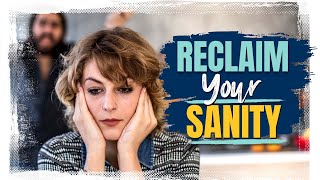
Amber Hollingsworth explains why families of people with addiction develop trauma-like symptoms and obsessive checking. She recommends containing rumination, planning distractions for vulnerable times, setting enforceable boundaries around rent and household contributions rather than treatment choices, and using behavior-first approaches to rebuild your own well-being.
Chapters
You are an emotional wreck. Your emotions are all over the place. In fact, it's so bad you can hardly even recognize yourself anymore. You've stopped doing all the things that you used to do. Everything you are still doing in life is just stuff like going through the motions because all you can think about is your family situation. Your family is going down the drain. Addiction is consuming everything and it is difficult to think about or focus on anything else. If you can relate to that feeling, raise your little hand. Put me a little hand emoji in the comment section. Because that's what it feels like to have an addicted loved one. And then to top it off, as you're going through all of the trauma, and let me tell you, it is trauma that you're going through through everyone in your life. Counselors, friends, family, alanine, sponsor, everyone is telling you, well, you have to practice good self care. It's important to take care of yourself. And you're probably thinking, what the heck does that even mean? I guess maybe that's what I think when I hear that. What in the world does that even mean, take care of yourself? And even if I knew what it meant, how am I supposed to even like think about regular things? How much was to take care of myself when like literally, it's almost like the house is on fire? Because that's what's happening. You're watching your whole family system self destruct and people are telling you to not think about it. And that doesn't make any sense, does it? Because it's not natural. When there's a crisis going on, an emergency going on, our brains are geared up to think about it and obsess about it. And that can go on long. So long that you completely lose yourself at Hope for Families. We sort of have this theory, you won't find it in a textbook anywhere. But we have this theory that when you go through this issue and this a close loved one, like a spouse or child or parent or something like that, you, you can develop trauma symptoms that are kind of somewhere in between, like complex post traumatic stress disorder and obsessive compulsive disorder. Because you can get into this obsessive, like checking behavior and trying to find out what's going on. Behavior because you know something's wrong, you're trying to prove it, they're telling you it's not. You're trying to find the evidence and you get stuck in this traumatized state. And if you let that go on so long, it's almost like it resets a lot of Your neural pathways. And then you're just sort of stuck, stuck in that mode. There's a lot of grief that is involved. You know, you feel sad. You're the way you had your life planned out. Now it doesn't look like it's going to happen that way. This is huge. You know, going through this is huge. And it's not just a one time traumatic thing where something really bad happened one day. This is the kind of thing that goes on for days and weeks and months and years. And before you know it, you learn lose yourself to it. So today we're going to be talking about how to get yourself back. Now when I was thinking of the title for today's video and I was thinking about doing something on self care, I kind of have like all these mixed feelings about it because I don't. I think I'm just sort of adverse to the term because it feels so cheesy and counselory because I'm just not that kind of counselor. I know you're thinking, yeah, we know that. Amber, you're so sassy. Whenever I go to like counselor, like workshops and retreats and you know, counselors are all about the self care, which is good. But you know, they'll say practice self care and let's do meditation. Now y' all don't, y' all don't kill me about meditation, okay? I believe in it. I think it's great. But it's not my favorite thing. And I kind of, when that kind of talk goes on, I usually go in my head and it's kind of like womp, womp, womp, like Charlie Brown listening to a school teacher. I don't know why, it just feels cheesy. And I think it's just because it's like when you're in the middle of crisis, it's like, I don't want to think about that. I can't think about that. There's nothing natural about that. And what the heck does it mean anyway? Does it mean like, go get a pedicure, get your nails done, get massage, like what does that mean? So I was, I was a little reluctant about using that term. Although I am very aware that there's a huge need to get back control of yourself when you're this dysregulated over your loved ones addiction because it's not just what it's doing to them, it's what it's doing to everyone. And if you're not careful, it will change you forever. And it can be hard to come back to yourself. But there are some ways to damage control this. There are some ways to contain this. They're just not going to be ways that are going to feel natural for you. But I want you to hang in there with me and, and I really want you to kind of like focus on doing this. Because if you don't, you're going to be stuck being this person that you don't recognize anymore. Like this person that doesn't have impulse control, this person that can't sleep at night. This person that like barely gets it together and brushes their hair and gets to work and focuses on their work. You don't want to live like that any long, right? You want to get back control of yourself. And not only do you want to do that for yourself, but also because you know, because you're watching my videos, that that is what you need to do to help your loved one the best. Because the more you chase them, the more they're going to chase the substance. And that's not helpful for anyone. So do it for yourself. Do it for the other people that care about you and need your attention. And do it for your addicted loved one. There's no downside to doing this, but it is difficult because it's so hard to turn off that obsession in your brain. Because we're programmed to do that. We're programmed to protect ourselves and to protect our family. And when there's danger out, our brain obsesses about it. It's nature's way of making sure we deal with the problems. So it's a natural thing that's happening to you. It's just not productive in this particular situation. So the first thing that I want you to do to start doing a better job of self care is I want you to stop torturing yourself. So the first thing you gotta do is stop making it worse. So let's talk about what you're probably doing to make it worse and how to get that to stop. And I didn't say this at the beginning, but if you are watching live, I see we have a lot of people watching live. We will. I will be allowing a guest to come on. We've been doing that recently and it's worked super well. So hang in there. After we get through our lesson, then we're gonna, we're gonna have a guest on. One of you guys are gonna get to come on and talk about your situation. All right? So stop torturing yourself means stop letting yourself go down the rabbit hole. I call it the dark rabbit hole. Vortex of obsession. You're gonna have that instinctual thought, and then you're gonna start running it over and over in your head. You're gonna. Or smiling or looking or remembering or questioning something. And I want you to contain that. And I. And the best way to do that is to distract yourself from doing that. It's so tempting because it's almost like an itch that you just want to scratch, but the more you scratch it, the deeper and darker and uglier it's going to get. So the key is not allowing your thoughts to. To go down in that rabbit hole. And you have to take some pretty active steps to do that at first. Like, there are times when it's just easier to get in that mode. Like at night when you don't have a lot going on, or like when you're driving in the car and there's not a lot to distract you. So you may have to plan things to either the activities for yourself to do or other things to think about. Like maybe you listen to a podcast or maybe you watch your, you know, favorite show. You have it dvr. That's the time you let yourself watch your favorite Netflix show or whatever. But plan for those times that you know that you tend to get in your head. Maybe you're more of a morning person. You get in your head in the morning. Gosh, if you are, that's a terrible way to start your day. Because every time you have one of those anxious, fearful, scary thoughts, you. Your body reacts to that by producing more anxious, fearful, scary brain chemicals, which then makes your physical body react differently. So you're setting your day in motion and you're sort of setting the stage in a way that's going to make for kind of a crummy, crummy day. So I want you to set limits on how much you allow yourself to think about it, even to the extent. Can't believe about to say this. Set limits on how much you let yourself watch my videos. Can't believe I just said that. I don't want you to let this thing consume you. You do have to think about it some. And hopefully watching these videos is a more productive way to think about it. Because on these videos, we talk about the solution a whole lot more than we talk about the problem. So this is a more productive way to think about it. It's not as dark as just going in that rabbit hole and doing the whole what if thing and the resentment game and all that kind of stuff. Just don't go in there. But don't allow yourself to be consumed with it all day, every day, and don't talk about it all day, every day. Not only are you not helping yourself when you do that, but you're traumatizing everyone around you and you're running them off because it's heavy for them too. And you're going to notice people are going to start wanting to, like, avoid you because they can't. They don't know what to tell you. They feel bad about it, but it's like bringing them down. So limit the amount that you talk about it. I hear this from, like, spouses a lot. Like, especially if, like, the. It's the son or the daughter that has the addiction, one of the spouses wants to talk about it all the time, and it drives the other spouse crazy because they feel this enormous pressure and they can't escape it. And so you have this dynamic going on where one's just constantly talking about it, ramping their own fear up and sort of triggering the other spouse and other spouses like, I don't want to talk about it. And then the spouse that wants to talk about all the time feels like they're just not even being supported, reported, or heard or listened to. But I'm telling you, don't. And if it's a situation where you need to talk to someone else about it, set a limit around that and make it productive conversation. Like, if you're talking to a counselor about it, fine. If you're talking to a recovery coach about it, fine. If you're talking to a family member about it, fine. But make it productive conversation. Going into the dark rabbit hole of resentment and frustration and venting is therapeutic, but only in tiny small doses. After that, you're just reinforcing negative thought, negative thought, negative thought in your head. And you need to give yourself a break, even if you don't want to give yourself a break now, the next thing you need to do to help yourself do that is you need to start doing things again. Because I know you stopped all your hobbies and your things that you could get away with stopping because it's hard to think about those things and because they don't even feel fun anymore and maybe because even want to go hang out with all your other friends because they talk about their. How great their kids are and the great thing their husband did or something, and it triggers you, and so you've been avoiding it. But you've got to come out of that dark place. You have to give yourself permission. And if it helps, think of it like this, What I'm telling you to do as the family member is exact, 100%, exactly the same thing I would be telling you to do. If you're trying to, to conquer an addiction, stop thinking about it. Get yourself busy. I know those things don't feel fun, but I want you to go do them. Because behavior comes before feeling. We wait often times until we feel like doing something we like. I just don't feel like hanging out with my friends. I just don't feel like doing that thing I used to do. I don't feel like going to yoga class or spin class or bar or whatever it was, you know, like. But you're not going. That feeling is not. You're not just going to wake up with that feeling one day. If you've been stuck in this trough, Campbell calls it the trough, you're going to have to start the engine and then the feeling will come. So do it even if you don't feel like it. And you may not even like it the first time, but you will come back to yourself. Think, what would I be doing if I didn't have this problem? And I want you to start doing it because it's going to reconnect you to yourself and it's gonna force you to take a break from thinking about it and being consumed with it all the time. And then the next thing that you can do that is self care is just work on your own personal growth. So instead of constantly focusing on, you know, what your loved one is doing or not doing and are they going to their meetings and are they focused on their recovery and did they call their sponsor and you know, are they lying to you because, you know they're drinking or whatever, you know, like, instead of being so preoccupied with that, I want you to sort of back up and focus on your own self growth and recovery. And there are so many ways to do this. Tons of ways to do this. You could take a new class and learn something interesting. You could have your own sort of recovery coach or counselor. You could take some class because you're thinking about a whole different career or learn a new hobby or an interest. There are lots and lots of ways to do this. Maybe you get more involved with your church, but focus on growing as a person. And the key to that is doing things that are going to make you feel proud of yourself. And I talk about, I talk about that being proud of yourself thing a lot for people trying to conquer addictions because not just because this counselor, you know, I don't like them. Counselor, you like to cure yourself. I'm not corny like that. I'm saying it to you for a reason. And the reason is because it increases your serotonin. And when your serotonin gets better, your. Your brain chemistry altogether feels better, those depression symptoms start to lift and you start to feel more like yourself. So do things. Not just things and activities, because you do need to do those. That was number two. But focus on how you can become a better person, because then you're going to be proud of yourself. Because, let's face it, even though this addiction that this other person in your life has, it's not your fault and you didn't make it worse, it has sort of pulled you down to the place where you've done things that you don't feel good about. I know you have. You.
You.
Yeah, I know you have. Because every time I meet one of you guys in real life or have a phone consult with one of you guys in real life, the first thing you tell me is, I did all the wrong things. And you tell it to me like you're confessing, you know, and then I just kind of giggle and I say, it's all right. You're doing what you're doing what naturally you would do. You feel guilty because you've been lying and spying and sneaking almost just about as much as the other person. And you said some nasty things, and you've done some things you wish you wouldn't. And so just like the person that has the addiction gets filled up with shame. And that shame only fuels the addiction. So does the family member. And it's that shame and that resentment that starts to consume you. And you want to start. It's like. Think of it like a detox. You want to detox that stuff out. Just like a person who's coming off of drugs or alcohol. You got to do that very same thing. So you can do that by doing things that make you proud of you. Maybe it's volunteering. Maybe it's building something. Maybe it's taking on some kind of really cool project or Pinterest idea or something. Something that makes you feel good, not just busy, but good. Those are the things that you need to do to reclaim yourself. And not just one time, not just today or once a month, like on a regular basis. You have got to get back to doing regular life, even if it seems crazy, even if your brain is telling you that the house is burning down, because all you're doing is sitting in the house while it's burning down, thinking about it burning down. And it's not it's not helping anyone. So give yourself permission to walk away from it. And I know it's going to get in your head sometimes, and I know you're going to think about it, but you don't have to spend all your time thinking about it, okay? Give yourself a break. Walk away from it. From time to time, tap out. A lot of the families we see, they're so scared they won't go on vacation. They won't take a trip because they're so scared if they leave, like this bad thing is going to happen. And so it's 247 every day, all day, all consuming, and that is how you lose yourself. Now we are getting ready to take some of your questions and. And we will do the pick a number thing to bring one of you on. If anybody wants to do that. I always think, I'm always surprised that somebody even wants to do that because this is public. So what's going to happen is, is you're going to pick a number from 1 to 100 and so you guys can go ahead and start doing that. Only pick one number. Don't like going there and pick like 10 numbers to increase chances. Let's be fair. Let's act right. Pick a number. If anybody wants to do that, go ahead and start doing that now and I'll put the link up and then you're going to click on the link and then you'll be up here live with me. So I need you to understand, like, this is public now. You don't have to talk or say anything you don't want to talk about or say. I'm not going to force you to go anywhere you don't want to go. So you don't need to worry about that. But I do want you to know, like, this is public. So sometimes people will go on our Facebook page and they'll put a comment and then they'll realize, like, oh, my God, like that was on Facebook now, my mom saw it or something. So I. I want everybody to be clear and know that. So. All right, now, as you guys are putting your numbers in, because there's a little delay there, I do want to tell you about one really awesome thing that you can do to help you take care of yourself and to help support this channel starting next week at the end, or we're going to open the registration next week, but starting in the beginning of October, we're opening up our memberships, and these are going to be channel memberships. Now, we have previously had, like, the spouse group and the Parent group. We're going to do something different. We really wanted to create something because we're hope for families and we want the whole family to be united and come back together. So we've, we've created a way to help support this channel, but also to focus on yourself because as a member, you're going to get weekly content. And the cool thing, the thing I'm most excited about is that Campbell and Kim and I are all coordinating to do this. So you get to all of us and you're even going to get like a live call once a month at end of the month. So if you're. If you're interested in that and it's going to be really inexpensive, like way less extensive than even the parent group or spouse group was. So we're super excited about it. I have put the link in the description if you're interested in that. You can't register for it yet, but you can put your name in it and so that you can get notified when registration opens for that. So that link is in the description. And while we people put their numbers up, I'm gonna take a couple of questions or comments that are up here and then we're gonna pick a number. All right, let's see who's here with us today. Hey, Debbie. Hey, Star. Mh, sl I got a lot of initials today. KM Melissa's here. And Diane. Nancy. Hey, Nancy. Let's see here. I see a Kim, Melissa. We said Star. Daniela. Oh, I like that name. Daniela. And Danielle is from Brazil. That sounds so sophisticated. I like it. All right. Diane says is so true. After 30 years with an alcoholic, I just started to find me. It really does. It just changes you and it wears on you. And then you're just like, what the heck happened? So I'm super glad to hear that you are back in the game. Diane. Hey, Janet from. Is that Wisconsin? Glad to have you here. And Lydia, Melissa says hello all. My addicted husband tells me, I don't treat you badly. I don't hit you or call you names. I shouldn't have to tell him that there is more to treating loved ones well. This is actually really common. Right? Like, you should just be glad I don't hit you or whatever. I've heard that a lot is it's not even that dissimilar to people telling me, well, I don't really have a problem because I don't do this. I don't do that. Like, I don't pawn stuff or I still work. It's a way that the Other person is justifying in their head that they're not that bad. Now, usually they're telling you that in response to. I don't know if you're doing that or not. I'm not even saying, Melissa, that you are. But I'm just saying usually when someone's saying something like that, it's what they're doing is they're being defensive because they feel like you're trying to tell them something negative or be critical of them in some way, and that's the way they're sort of coming back at you. Yeah, well, at least I don't do this. At least that you know. And they're trying to minimize what's happening, minimize the behaviors and sort of justify their actions. So I can completely hear the frustration in your voice, Melissa. And I don't blame you because you're right. Just because you don't beat someone up doesn't mean that you're showing up in the relationship the way that you need to show up in a relationship. 100 agree. I have a lot of people I see because I, you guys know, I usually see one with addiction. They're like, I don't even know why it bothers my parents. Not them not hurting them, not hurting my spouse. I'm not hurting my brothers and sisters. But it does, it does hurt them. And even if they don't see it, it still hurts them. Because if they don't see it, what does that mean? It means they don't see you, and it means you're not present and that hurts them. Them. So there's no way to kind of let yourself off the hook with that. Let's see if we have any other questions. Star says, I'm not a fan of the self care thing. I understand the concept. I've lived with alcoholic for 40 plus years. I don't even know what marriage would be like if it didn't include the chaos of addiction. I hear you, Star. Does anybody else feel like Star, like this has been going on so long, it's my new normal. And I don't even. I don't even know what life would be like without it. Let's see here. Melissa says 247 worry. I hear you, Melissa. All right, let's get down to picking one of our numbers. All right, let me get my phone because it has the random number picker. See here we got. Does that work? So I'll just shake it up. And that gives us a number. Our number is 22. So you guys tell me who's closest to 22. I'm looking at Lydia here, who's 28. Is anybody closer than Lydia? There's 10, it looks. Oh, thank you, Debbie, for the super sticker. I appreciate that. Looks like it's going to be Lydia. Did I miss anybody? You guys, tell me if I'm looking at that wrong, because there's a lot of comments up here. All right, Lydia, I am going to put the link in the chat box there, and all you have to do is click it. And now what you're going to need is enough light so that we can see you and decent Internet. Other than that, you can do it from your phone, from your laptop, any kind of device that connects the Internet. You should be able to do it. All right, and while we wait for Lydia to hop on with us, we'll see who else is here. Hey, Michaela, Audrey. First time getting to watch me live. Hey, that's cool. I'm glad you're here, Audrey. Let's see here. Hey, Nancy. Nancy says you're watching on Facebook in the description. I think on Facebook they put like, the description and title and stuff at the top. And on YouTube, I mean, above the video is what I mean by on top. And on YouTube, they put it below the video. And sometimes you have to hit that. See more so that it opens and you can see all the text that's in there. But you should be able to find it in there. If you don't, just let me know. All right, Lydia, you should be having the link. All you have to do is click that link that I just put in the chat and it should let you come right on here. Beach Girl says, my husband started Anti Anxiety Med, and I think he's still drinking. I'm concerned for his life. I feel responsible with no idea what to do. Beach Girl, when you say Anti Anxiety med, I'm wondering what you mean by that, because sometimes anti anxiety means a lot of times people take an antidepressant for that, which would be like Zoloft, Wellbutrin, Proac, Lexpress, something like that. But sometimes when people say anti anxiety med, they mean like a benzodiazepine, which would be a whole different story, which would be something like, like what my grandma would call a nerve peel. And if it's a benzodiazepine and they're still drinking on that, then you really have. You really do have an escalated problem. If it's just antidepressant, it's not good to drink on antidepressant. And it's probably going to render it ineffective, but probably not as dangerous as the. If it's a benzodiazepine. So I don't know which kind of medicine it is, but it definitely makes a big difference. All right, Lydia, I'm going to give you a couple more seconds to hop on, and if. If you can't or you change your mind or something, then we'll go with our next closest number, which I think was 10. Oh, here goes. Lydia. Okay, good. Here we go.
I'm. I'm kind of nervous, actually.
Hi.
So I have. Yeah, I am, because I just. I don't know, I thought, well, what are the chances? And if it's meant to be, it's meant to be. Can you hear me okay?
I can hear you. Wonderful. Perfect.
Okay, perfect. So I. I took a while because I actually had to come outdoors. The lighting inside was really horrible. So first, I want to tell you, Amber, how much I really appreciate. I mean, I found you about four or five years ago, and you are my go to. Like, you're holding my hand through this process. So I'm really grateful. Yeah. Oh, for sure. So what I want to say about.
Your situation, and we'll see if we can't talk through it together a little bit.
Okay. You kind of answered my question. I left a really crazy question, which you managed to. To decipher. So congratulations. It was to do with, you know, if you know that there's criminal activity or behavior, like, how does that change the equation? And so you said, basically, it doesn't. You know, at first you said, well, it depends on what you mean. Like, is somebody stealing out of your purse or are they selling meth out of your house? And then you said, but it's just the same. So.
So that. Interact with the person. Yes, it really. Because. Because pretty much anybody who has a drug or alcohol addiction is probably doing something illegal. So. Yeah.
Yes. And that's what you said. And that's actually. Amber. What. I know. I know because, like, my. So I'll tell you, my son has been at this for about 6 years. First started with weed, and now it's opiates. And. And so, you know, the part that I have difficulty with is that it doesn't, like, none of his activities align with my values. So, of course. Of course I'm really trying to use the craft method because I've used other methods, and it's not great confrontation. And so craft is great, but when something really goes against your values, it's really hard to practice compassion and hard to. So that's. That's really where my stickler point is. I'm so stuck on that. I just wonder because I don't really want to disclose too much, but.
Yeah.
You know. Yeah.
Can I ask you this? Whatever sort of criminal behavior or thing that's happening, is it put just him in jeopardy or does it put you in jeopardy or both?
Well, we are, you know, we're in the position that nobody wants to be in, which is your. Your act. You're policing your own house. So of course I find things. And then, you know, this is where I do use the craft method. So take a deep breath, use a calm, neutral voice, and you know, nothing. I don't explode or anything. I'm doing the Amber thing, which is like, keep your cool, you know, don't go crazy.
Yeah. Yes.
And so, you know, so. And then of course, there's a promise made and, you know, it's it. That. That it will get, you know, taken care of and so on, and then it doesn't. And so then it has to escalate a little bit. So then you make. You make the consequence. Well, if I see it, you know, it's just going in the garbage. That's it. You won't. I won't have to tell you again. And it's exhausting. And. But the problem, the real issue that I have with self care is actually the trauma that I feel around certain. Around this for sure, but also around. Around. So I left you a little note. I said, son uses. He uses anger to manipulate me into submission. And he uses ugly words as you. He talks ugly to me. I know that's your phrase. You know, he talks ugly to me and he does very often. And I'm kind of get like just stuck. I freeze and I'm frozen for maybe two, three weeks sometimes, depending on, you know, if you're called the B word, the C word, certain threats are made. You know, it really. It really is. So it's. How do you practice self care when you're frozen?
If someone is emotionally abusive, which I think is what you're telling me, then to practice self care, you. You don't have like. Does he live with you?
Yes.
Okay.
But that's. Yeah, yeah.
To me there's. There's a few no go zones. Right. And it's any kind of abuse, physical or emotional or any other kind, stealing, you know, there's certain things that are just going to come with having somebody's addicted. Like they're not going to be predictable. You're not going to be able to count on Them, they are going to have substances in your house, they're going to be moody. I mean there are certain things that are just going to happen, but there are some no go zones and abusive behavior is a no go zone. And so if what you're telling me, Lydia, is that he's mean and nasty regularly and it's abusive to you, there's no amount of self care that you're going to be able to do that's going to undo that. And so what that means is it means that it's a boundary issue. It means you're going to have to, you may have to make like a hard call because you can say all day, you can't talk to me like that. Like sometimes people say things like that. But what do you mean? That's hard to, that's hard to control. What you can say is, I'm not going to have someone living in my house that talks to me like that. That's kind of the, the whole sort of like your side of the street. There's our street. So it's kind of hard to differentiate because I know anybody has an addiction probably can be ugly and be mean and say nasty things and even in families. But, but you probably are aware if it's the difference in abusive or he got mad and cranky and was just kind of grumpy. There's a difference. Right, Right.
So what it is, and he told me it's, well, it's having problem with authority figures and because he's been in so much trouble with the authorities, he looks at my husband and I as authority figures and he takes his anger out on us. And does it happen regularly? You know, is like six times a year regular? I don't know. But it's ugly enough that it's really sticks with me for too long. And yes, I have, you know, I have drawn some boundaries. That day that it happened, I told him he simply couldn't stay at our house. He had to find for that night somewhere else to sleep. But then he really apologized in a proper way, which is putting his anger into that context of, of being feeling. He did. He was violated by the authorities. Like he was, you know, he was, whatever, just, you know how they treat people. Yeah, he was mistreated. So I asked him to take anger management courses because otherwise I'm not really going to feel comfortable being around him. I don't know when the next time he's going to get triggered will be and then I'm going to be a victim to his anger again. And I Brought it up again this morning and he said, you know, this is why he can't. We can't get along because it's. Everything's all about me. I don't know how that got turned around, but he felt like just writing his anger out, like writing a letter to the cops outlining, you know, all their misdeeds was enough. And I didn't think that was enough. So, you know, that's. So I really want to get through self to the point where I just pivot out of the. The sadness and the, and the, and the being stuck, you know, and, you know, and I don't want to. I look at my face and I think like, boy, that person looks devastated, you know, and that's not how I want to show up for anybody, you know, my husband, anybody. Like, nobody needs to look at a person who looks, you know, distraught. And so yes, I'm starting to practice self care, volunteering and all that. But I have to say, you know, some. The way that some addicts use their. Like my son also told me he needs to vent and that makes him feel better. So if he's feeling pain, he wants me to feel the pain like as much as he feels pain. So I'm just wondering how you practice self care around someone who's really, who's really just sort of trying to put them in your. In his cycle of addiction, in that pain zone all the time.
Well, I think that he either has to figure out another way to deal with that because I don't care what happened to him. It's not okay to do that. Just like he mistreats you. But if you were on here, I wouldn't give you permission to mistreat him back. It doesn't work like that. I understand. Like, so I get that bad things have happened to him. Not saying it hasn't bad things have happened to you. But you can't use that as a justification to mistreat someone else. Right? So you can understand where he's come from. You can have empathy for whatever happened to him, but you can also hold him responsible for his behavior. Just like I would you and you would me and we would anyone else. That is not okay. Venting isn't really therapeutic. It doesn't make you feel better. Actually makes you madder. The more you talk about what you're angry about the matter you get, the more you write about what you're angry about the matter you get. So he probably really, when he says that he probably. It's not so much he's Lying to you. It's maybe just because a lot of people think that like just say it and get it out and you'll feel better, but you don't. You really just remind yourself what you're not about and it just makes it bigger, you know, it's like what I say you think about, you think about it and just you get madder and madder and madder about it. So you're probably right. He needs some better skills to process that. But you can't make him go to anger management or counseling because that's like a his size street. But what you can say is you either need to figure out how to do that or you can't stay here is what it's going to come down to.
Yeah, and it's kind of come down to that. I, I've actually said to him, you know, not, not exactly like related to his anger. I just stuck to the anger. But I told him like if he wasn't willing to get a job and if he wasn't willing to go to therapy and there's, you know, there's an opportunity and as I'm calling from Toronto, Canada, so there's an organization in Toronto that's willing to train people with lived addiction experience to do with incarceration and train them in harm reduction to get a part time paying gig. So I, that's a great thing. Isn't that amazing? I mean it really it's, it is and it's a great opportunity for people who are ready. My son. So I told him if he wasn't willing to enter that program then he would have to, you know, find another place to live like and I gave him till the end of November. So he is half heartedly going into this. I can tell it's half hearted because he's doing it I think to, to, to not have to be right, right to be compliant. And so, so I'm just interested in your thoughts. Is it a waste of time or would you just allow that to happen or would you still draw that firm line around? You know, if he can't get his emotions in check then he needs to find another place to live or if he can't get his, his.
I think, I think you're close on having the good boundaries but I think there, there's a little tweak we need to make with them because the thing that's happening is, is you're, you're telling him solutions to fix the problem which is anger management or this program, which both would be great ideas. I agree with you. But to me, those are his side of the street. And your side of the street is how he treats you. And whether or not he contributes either, like, financially or with household things or stuff like that to be. Because I'm guessing he's a young adult. He's old enough to not be 25.
Yeah.
Okay. That's what I thought.
Okay.
That he should be contributing in that way. So he has a responsibility to handle himself well enough to do that. But it is his prerogative on how to do that. So to me, it kind of comes back. So for you, it's like, if you want to. If he needs to have a job, then you may want to say you need to pay rent. If. If the. I'm not a big proponent of telling people they have to be kicked out because they have an addiction, but if someone is abusive in the house, that is a reason, not that they should be kicked out, but that you should protect them yourself, if that makes sense. So.
Right. Because what I'm hearing is you're saying that no amount of self care is actually possible under these circumstances.
It is, but it's like. It's like there's a giant hole in the boat and you got a bucket, you know, and the water's coming in faster than you can get it out, is what's happening. Because, you know, he. He's. What's happening is it's not just the addiction. It's more. Some of those other things that happen, which is he's not being responsible for himself financially, he's not being responsible for himself emotionally, he's not being responsible for any young adult, anything. Right. It does sound like. And that's where the issue is more than his choice to use drugs. Even though you may feel like these things are coming from that the. The drug use is his choice. Whether or not you are treated badly is your choice. And I know that's hard because the reason it's hard is because it puts you in a bad position.
It does. It makes the craft thing kind of difficult to practice in a lot of ways. You know, it just throws it out the window. And actually that's, you know, a lot of the work that I've been doing. Like, there's a group here in Canada that's called Far Families for Addiction Recovery, and they practice the craft method. I'm part of that group, and I feel like a fraud, you know, because I've started volunteering for them and I'm giving them the advice, you know, to practice compassion and. And understanding and to you know, water the flowers. So whatever behavior you like, you put a little bit, a drop of water on. And I think you said that too. I remember that. And actually, and that's something that that program teaches us as well. So I just feel like, I don't know, I feel, you know, sad that I can't really fully. Because I do realize that do those things.
And even if you have to draw a hard line, it's best to do it with empathy and kindness and you can even help him. But there's a. There's just a couple of lines. You cannot allow him to be abusive to you, and he has to be held on some level accountable for something. Otherwise he's just never going to feel good about himself because. Right. Because after he acts like that, like you said, and then he realizes he feels bad about it because he knows. It's like he even told you that he, he knows he's, he's taking it out on you, something that's coming from somewhere else. So you're not, you're not doing him a service by allowing that. And I hear kind of what you're saying. Part of what's hard about it is it's kind of sporadic. It's not like every day or even once a week. It kind of comes here and there, and I don't know the severity of it either.
It's. It's a tornado. It's a tornado when it comes. Yeah.
And does he use that anger? Is it just like a venting or is it. Because last week on our live, we talked about using anger as a manipulation tactic, like as an intimidation factor to force you to do or not do things or something.
Yes. That's also all woven into it. And I do think that, you know, some, some addicts are easier. They're more, you know, underneath, they're more compliant or people pleasing. But if you get someone who you know is a bad patient, let's just say that it's very difficult to. I don't, you know, so I'm really, I'm really struggling with just aligning myself with the craft method right now and aligning myself with the self care. And I'm, I have to admit, you know, all the things that you were mentioning, I am doing that, you know, wanting to take tennis lessons with my husband and I play table tennis daily. We, yeah, I'm really like, honestly, you are, like, you are the guru, like, and I listen to you so much that I feel blessed that I've gotten these skills, but I don't feel like I can effectively use them in my situation. It just makes me sad.
The thing of it is, it's not a, it's not an all or nothing. And what you're, what you're, what you're saying, you know, craft method is about positive reinforcement. It's about empathy and compassion. But I don't think anyone, no matter what method they practice, would tell you to allow yourself to be abused. To me, that's the, That's. To me, that's the worst thing going on. Like, I don't know what you're saying. You know, if he's smoking marijuana, he has it in your house, and that's against your value system. Okay. You know that that's his lifestyle choice and your lifestyle choice. That's different than some of the things that you're saying. So I'm definitely a big craft method person, but I'm not 100% in that because there are some boundaries to me that have to be held for you and for them and, and you have to be somewhat practical. Right. So I would hold him accountable. Not by telling him he has to go to anger management, not by telling he has to be involved in that program, but by focusing on your side of the street. So if it's, you need to pay rent, that might be something to kind of bring in and you can phase it in. You know, you can give them way notice. It doesn't have to be a lot, but that's what's going to motivate him to have the job.
Okay.
Yeah.
All right. And, well, thank you very much for that. Amber. I can see where you're going with this, which is just allow, like, tell him what your sort of, what your parameters are, like, what you need. I need to feel, I need to feel safe in my house. And however you, whatever you need to do to regulate yourself so that I can feel like I'm, I'm. I'm not going to be like berated or anything. So that you need to look after that and, and just say, you know, and you need to get a job, which is what I, you know, what I did say.
And you say you need, you don't say you need to get a job. You say you need to take care of your responsibilities. And then you put some responsibilities. That's the more natural consequence way because, because not you need to get a job. It's, you need to take care of yourself. You need to start supporting yourself. He can figure out how to do that. Maybe he gets a sugar mama, I don't know. But he Needs to figure out how to do that.
That's very helpful actually. I mean, yeah, I think that little tweak is a big deal. Yeah, you need to be responsible.
You're not trying to control him. And that should help too with the authority. I'm not trying to control you. I'm not trying to tell you what you can do and how you have to do it. I'm just trying to stay in my lane and control me. And the other one last thing that I will tell you here, Lydia, is because I know you said it sounds like he's kind of more like a. A willful one and a slightly more stubborn headed. And he said he's like a bad patient. I'll tell you this, I get clients like that all the time. And honestly they're a pain in the butt up front. But they usually are more honest with you, which I really appreciate about them. And because they're so willful and stubborn headed, once they get on the right side and they come to terms with it and they shift, they stick better than the people pleasing, pleasing ones. So the people pleasing ones are like easier to deal with up front but they're harder to get to really stick because they're weeble wobbly and they please this person and that person and they won't pick us out of the street. Whereas like what you're talking about, yeah, they'll, they're hard up front but they, once they make up their mind, they. They're stubborn and they stick. And that goes in recovery too. So it's not all bad. It's just different way you deal with this than that.
I wanted to say something, Amber, to you because it really holds me high or my hopes up high. I remember you talking about that and you're saying that once an addict is in recovery or is a recovered, they are your favorite people. They're, they're true, they're honest, they're. They're deep, they're, you know, sincere or they're just. And so that, that gives me a lot of hope. I wanted to thank you for that. I remember thinking, just having a vision that my son will get there and that he will be one of those people that I will really enjoy talking to, you know, down the line. So it really helps like those, those kinds of videos that you put out.
So they really do get better, Lydia. And just this week I just like in the last few days I think I talked to like four clients. If you would have told me a year ago, they would have been doing good. I'd have been like this guy is all for real and they're doing wonderfully so it is just like night and day. So I do want you to feel hopeful and I do want you to practice craft method but also once you take care of yourself.
Thank you so much. So yeah grateful beyond belief for your channel.
Thank you for coming on everyone.
I'm sure I speak for for everyone. So you're doing amazing work. Very, very grateful. Thank you Amber.
We appreciate you coming on here and sharing that. I know that's not easy. All right everyone. Thank you. Thank you. Thank you so much for joining us. You guys let Lydia know send her some support and love because I know you know where she's coming from. I know you can kind of feel the pain because you you've been there yourself. And we will see you guys next week in the description for the membership in the description Facebook up top YouTube download. Bye everybody.
More from Amber




Addiction Turns “Me vs. Drinking” Into “Me vs. You” #addictionrecovery #addictionawareness

They Admit Everything Except the Addiction #addictionrecovery #addictionawareness

Stop Trying to Make Them Admit the Truth #addictionrecovery #addictionawareness


You Caught Them…So Why Are YOU on Trial? #addictionrecovery #addictionawareness


Sobriety and Recovery Are NOT the Same Thing #soberlife #sobercurious #sobrietyjourney

Addiction Changes More Than Just the Addicted Person #addictionrecovery #addictionawareness