5 Referral Reward Mistakes to Avoid (For Customer Referral Programs)
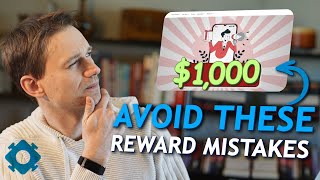
Mica Longanecker breaks down five mistakes in referral program design: generic rewards instead of high-value or tiered ones, ignoring what your audience actually wants, rewarding only the referrer instead of both parties, poorly structured caps that exclude power users, and failing to promote the offer. The number-one reason programs fail is lack of visibility.
Chapters
In this video, we'll show you the five biggest reward mistakes we see businesses make when designing customer referral programs and what you should do instead. Mistake number one the boring reward Offer Rewards must grab your customer's attention and stop them from scrolling at a glance. Your offer must overcome the invisible is it worth my time barrier? A lackluster generic reward isn't going to cut it. Your reward should be so amazing that customers can't help but take notice. Here are a few ways to stand out with your reward offer. 1. Give a higher value reward, but if that's not sustainable, make it a gateway reward which is a larger Reward for the first referral and then smaller rewards after. 2. Issue a bigger bonus reward after three to five successful referrals. We call this the milestone reward. Great for high volume businesses that want to encourage ongoing sharing. 3. Give stacked, also known as tiered rewards. They get increasingly larger as more referrals are brought in. 4. Offer multiplier rewards with higher values based on the purchase amount. For example, get rewarded per the number of units purchased or when someone buys a more expensive product. 5. Provide something unique that they can't get anywhere else. We call this the VIP reward. Examples include a wine club giving a free bottle of exclusive wine. The goal is to make people feel special. Remember, rewards are meant to get people excited to share your business. Use active language with numbers and dollar signs to make your rewards stand out in your messaging only. Considering monetary Rewards yes, everyone likes money, but there are other ways to reward. Think about your audience and your brand. Examples that consider both audience and or on brand include more storage on your Dropbox account or offering a free service upgrade. So consider non monetary rewards that might better align with your brand. They can be just as effective, if not more so, and in many cases are actually cheaper for you. Mistake number three Forgetting about the friend, your audience or your brand. You know your customers best, so think carefully about what matters to them. What type of rewards do they care about? Are they intrinsically or extrinsically motivated? For many businesses, cash or gift cards work great, but for other businesses it can experiences or donations work better. Your rewards should connect with your audience and represent your brand. You should also consider if it's important to give the friend a discount or unique gift. Not only does this help create urgency when purchasing, but it makes the person referring them feel good, their friend got a special offer and they're less likely to feel guilty about getting rewarded in return. Mistake number four Poorly planned reward structures. Too many businesses don't think through the implications of their reward structure. Instead of designing rules that work for their business model and sales process, they copy someone else's program. Add complexity to combat unrealistic fraud concerns. Oversimplify rewards to make it easier for the program manager. For example, only offering rewards to the first three referrals, which greatly handicaps your program as it eliminates your power users. Reward all referred leads regardless of quality. This opens you up to fraud and abuse, and it's much better to reward for new customers. Instead, offer recurring rewards in perpetuity. This might make sense for some affiliate programs, but never in a customer referral program. Give discount rewards when customers don't purchase. Often it's better to offer cash or something that they can use right away. No one needs a stack of coupons. Use Referral software like ReferralRock to help prevent fraud and create reward structures that are easy to manage. Mistake Number five Not including the offer in your program Promotion rewards are meant to grab attention and get people excited to share your business. You'd be surprised how many businesses built a great program only to say, join our program in their messaging. Why do all that work to make a compelling offer if you're not going to tell them about it? This leads us to the biggest mistake and the number one reason referral programs fail not promoting your program in the first place. For more reward ideas, check out our Reward example database. Review our best practice guides or get in touch with any questions and I'll see you in our next video.