Why Kids Follow Those They Like The Missing Link in Parental Influence
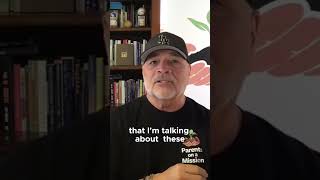
In this talk, Richard R. Ramos argues that many parents unintentionally diminish their influence over their children by positioning themselves primarily as disciplinarians and rule‑enforcers, especially in the age of social media. He introduces the "liking principle" – the idea that children are more likely to follow adults they feel a genuine, relational connection with. Ramos outlines two core “weapons of influence”: (1) building relational rapport by sharing interests, laughing together, and avoiding judgment of a child’s hobbies, and (2) leveraging the power of social media to model positive behavior rather than merely policing it. He provides concrete, low‑effort tactics such as watching movies together, sharing jokes at dinner, and actively participating in a child’s passions, emphasizing that these actions create a sense of being liked, which in turn increases parental influence in a healthy, supportive way.
Chapters
More from Richard

Juan's story is a powerful reminder that where you come from does not have to determine....









