Rick Smith of CrossCut Ventures - Startup 2.0 Ep. 12
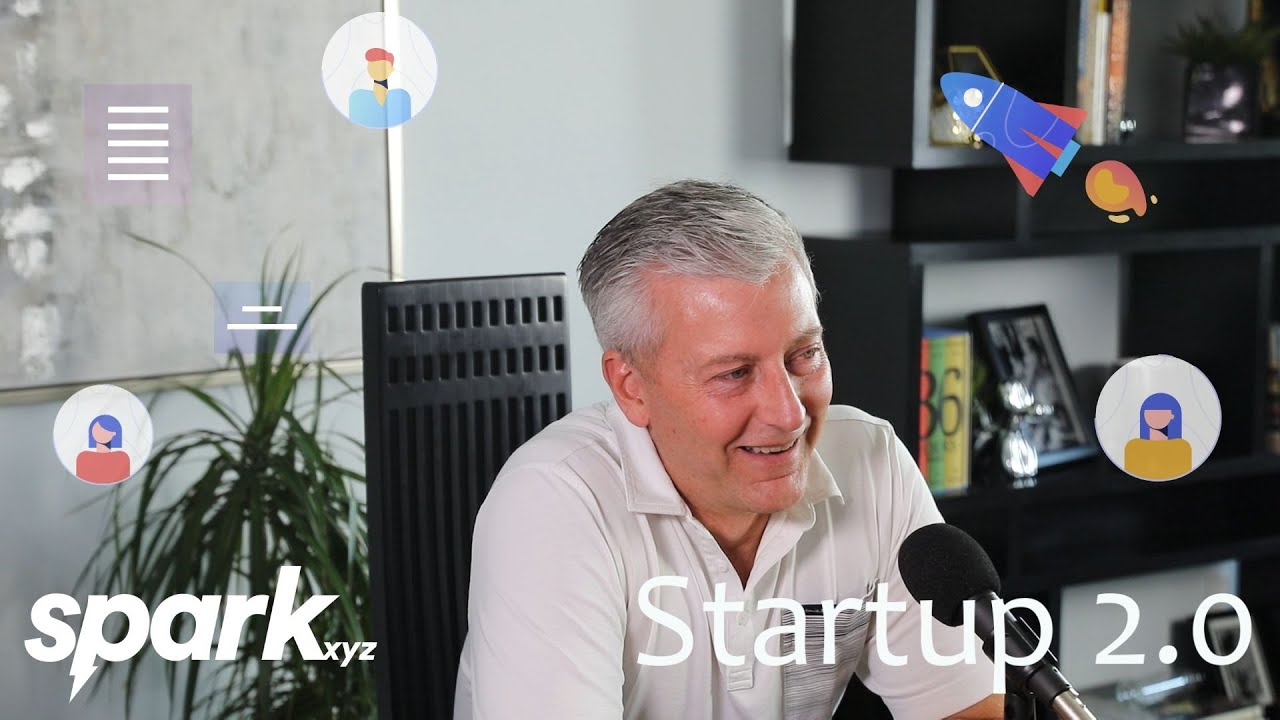
Rick Smith of Crosscut Ventures leads $2-4 million seed rounds from a $125 million fund. He looks for founders with grit who can iterate fast, not board control. Portfolio wins include ShoeDazzle, Fabletics, and BlackTux.
Chapters
Moving the needle on founder failure one conversation at a time. I'm your host, Justin Gordon, and welcome to Startup 2.0 by Spark XYZ. Join us each week as we give you access to some of the top investors and entrepreneurs in the country to help you think through and overcome the top challenges that startups face.
I, I think there's no better place in the country to be investing than Los Angeles.
What is the problem that you're solving and for who? Like, what is that specific pain point? Sometimes when a company is not listening to its customers and just thinks it knows better than its customers, it has a really, really hard time finding product-market fit. I want to see somebody that isn't going to stop. You know, this person, you just feel like they're going to make it work. Today's guest is Rick Smith, who is a co-founder and managing director of Crosscut Ventures, which is an early-stage venture capital firm located here in Los Angeles with over $200 million under management. Rick, welcome to the show.
Thank you. Good to be here.
Yeah. And with Crosscut Ventures, what areas is the firm focused on today?
So, you know, we're pretty broad. We're within technology. We've been investing really across the technology spectrum for quite some time now. I think the areas in which we're investing have grown along with Los Angeles. We're based here in Los Angeles, but we spent a lot of time looking at companies in SaaS, software as a service, serving enterprise customers. We have invested in esports early and often. We were there before it was cool. It's hot right now. LA's become an international home for esports right here. under our noses. My colleague Clinton Foy has been leading our efforts there. He's been in gaming for 20 years.
Yep.
We invest in frontier tech. We invest in big data. We really have been— if it has technology that touches it, we still invest in e-commerce and ad tech, which is how we kind of got our start and made our name for Crosscut— excuse me— back in 2008. I mean, I really say that we invest in great entrepreneurs first. At the end of the day, if we can find great entrepreneurs, and there's a technology component to it, we want to invest. And for us, technology— I think for a lot of people, but what we're looking for is just hypergrowth. And one of the things that technology does is allows companies to grow at sort of hyperspeed.
Yeah.
Whether it's software that's being sold, whether it's the esports rise, it's going after these big and emerging markets. That's, that's why we all invest in technology. We don't do it just because it's fun, although it is. Yeah, it's a heck of a lot of fun. But it is also areas where we think we can drive the most growth. We're investing in very risky companies and we want to be rewarded for that risk.
Yeah. And with that too, then what is kind of a typical check size or what amounts you're investing in these companies?
Yeah. So sweet spot for us is what the industry would call a 2 to 4 seed round, which is Nomenclature sort of shifted over time here, but that's a $2 to $4 million round. We're putting in half of that, maybe 2/3 of that round. We're happy to be leading it. We're happy to be following. All we really care about is having a great relationship with the entrepreneur.
Yeah.
That we think we can add value. We think we can work with him or her. And that's more important than sort of who's technically on the board or not.
Yeah.
I think we used to be much more dogmatic about it. I think as an industry, We used to be more dogmatic about, well, we have to be on the board. I can tell you, I've been doing this for 22 years, investing in venture capital. I've only seen a big decision come down to a board vote one time in 22 years.
Wow.
So, to me, we need the relationship with the CEO. If we have her respect and we're able to work with her and help her achieve the dream, that's what works for us.
Yeah.
Actual control on the board level is not that important.
Yeah. And you kind of touched on this already, but with the— in terms of your investment thesis, I'm curious as to what that is now and kind of how that has evolved since you've done obviously multiple funds now.
Yeah. So, we're on fund 4 right now, sort of finishing up the last 4 or 5 deals in fund 4. So, we've been at this for 11 years. I would say our thesis hasn't changed. It really is— it starts with us, with the entrepreneur. We all as an industry, we've said that, but we've done enough deals now where we, we know that's the case, right? When we, when we like the entrepreneur and love the concept, we just haven't had a lot of success in those deals. But if we love the entrepreneur and, and we like the concept, we'll take that dynamic every time. You know, you have to have a little bit of a screw loose probably to do startups and maybe to invest in startups, right? You have to have a screw. Both sides have their screws loose everywhere here. I'm surprised that the plane stays together and sometimes it doesn't. But, but, you know, if you have that, you know, you're going to have to— that entrepreneur has to convince people to come work for him or her.
Yeah.
When they have nothing, right? They have to convince themselves, first of all, that this is worth doing. And then they get other people to leave good-paying jobs, come work for them, give up, you know, cash and benefits and all that kind of stuff and tell their spouse or significant other, hey, I'm leaving this to go to a startup. You have to convince that person to come work for them. They have to convince the first customer to take a chance on them, the first partner to work with them. At the end of the day, it's that entrepreneur that we are betting on. Some large percentage of our companies do some kind of pivot.
Yeah.
Make mistakes fast. We need an entrepreneur who can figure that out, who not necessarily has been there before. We do a lot of first-time entrepreneurs, back a lot of first-time entrepreneurs. But we do need someone who's not afraid to sort of make mistakes, learn from those, and pivot the company.
Yeah.
They all have a finite amount of resources, especially at the stage in which we're investing, the seed stage. You know, you have about 18 months, right, to get this done. So that means you really have about 12 months, maybe 13, 14 months to kind of get some proof points that the Series A folks will find attractive. At the end of the day, the number one job, our job, is just get to the next round. And that's— and help the entrepreneur. What's it take? What milestones are necessary to hit that next round? Yeah, we have the advantage, right? We have companies, we have over 100 Crosscut investments we've made now over the last 11 years. So we have companies at all stages out there raising capital. So we have good information. We understand what the Series A or Series B folks are saying. What they want to see, and that does change over time. So our job is to really sit down with the entrepreneur in advance and say, you know, what milestones do you think we can hit? And then along the way, help them achieve those milestones if we can.
Yeah.
But, you know, getting back to the entrepreneur, they got to do all that stuff, be told no 99 times out of 100 by, by, you know, VCs who are not the easiest lot sometimes to deal with, or at least to communicate with. And so, you know, it's At the end of the day, our thesis is let's find great entrepreneurs. 70% of our deals are in Los Angeles. We're based here, but we do do deals in New York. We do deals in San Francisco. We've done a deal in Minneapolis that's doing really well. So, you know, we'll go where the great entrepreneurs are, but, but, you know, we're just really big fans of what Los Angeles is producing right now.
Yeah. And I want to dig into that too in a little bit. But first, I want to go back because you've raised multiple funds now, and that's something that not everyone does, obviously, because you have to have successful ones to get to the next ones.
I mean, how do you approach that process of raising a fund, and how have you kind of looked at that over the years across Yeah, I mean, I think we probably take the same approach we'd recommend entrepreneurs to take, and that is, you know, we try to find investors who we think are aligned with our interests, think about risk the same ways we do, think about the long term. You know, this is a long-term game, really long term.
Yeah.
You know, this is a get-rich-slow business if you get rich at all on the venture side, so you have to be patient. It's a marathon, it's not a sprint. We look for investors who have that same kind of mentality, who are looking to invest with us for the long term. We spent a lot of time in the last— and resources the last year or 2 in particular, investing back into our platform. We've hired a head of platform. Nick Kim came to us from Berkeley undergrad, Wharton MBA, but more interesting to us, was head of product at Warby Parker, the home try-on product.
Yep.
And so he brought a very, product-centric approach to our business, which tends to be, you know, we've had, you know, some success over the years in raising our funds and in deploying the funds, but it's been somewhat ad hoc. We now have a more systematic, holistic way of viewing our business. And, you know, I credit Nick for that. But also, you know, that, you know, we tell our investors we want to invest back in our platform. We're going to, you know, take the new management fees out of the new fund And put that back in what we think can help build the foundation and platform for success for Crosscut for the next several years.
Yeah. And with that, too, obviously, you have different sizes of funds. And the first one, I'm sure, is different, perhaps, than the one you just— the fourth one. I mean, how do you decide on that in terms of the size of it? And you're still staking early stage. How do you decide on that as well?
Yeah. So I'm a big fan of early-stage investing. I think the earlier you go, within reason, the better, on a risk-adjusted basis, the returns are gonna be. There's more risk. I happen to think in the market we're in right now, sitting here in late 2019, the Series A, B, and C prices are relatively high. We've seen seed prices go up, but not at the same level as the A and the B, so I think that risk premium that you get paid, right, we get paid to take the risk that we're taking.
Right.
I like where we are in the seed level. So if you like that, that sort of informs then what size fund do we want to have. And for us, our current fund's $125 million. We think that's the right size to be investing in the seed level. We have 4.5 people investing. We have 4 managing directors. We have Maureen Klawicki, who joined us from Techstars, Cedars-Sinai, who's doing investing across the board, but Especially in health tech. And so we have, you know, 4.5 people investing, $125 million sort of feels like the right size. We invest early, we reserve $1 or $2 for every dollar we invest, but we still want to be in the seed. So for us, that puts an upper limit on how much money, you know, we can raise and deploy and feel like we're still at the seed level and not competing with Series A and B folks up north.
Yeah. And you mentioned obviously the founders, that's what you're looking for, just looking for great founders. But in that, what does that due diligence process then look like for Crosscut?
Yeah. So, you know, it's a courtship. Uh, it, uh, in, in better times, we have even more time to spend with the entrepreneur. These times are certainly entrepreneurially friendly in that sense, is that, you know, you have to move faster. You have less time to kind of try before you buy.
Yeah.
So, you know, it's a fast courtship, but almost all the deals in which we're investing, almost all the entrepreneurs in which we're investing, we have some relationship with them or someone that knows them fairly well.
Yeah.
I mean, it is, you know, we have the luxury of having been here for— I've been investing in venture for 22 years in Los Angeles. So we have, you know, deep networks. Brian Garrett, my colleague, one of my colleagues at Crosscut, he and I have worked together for 18 years. We have a, you know, a good feel for, you know, where the great entrepreneurs are in LA and where the next ones might be, right? We know where the current ones are. Like, we're always trying to find the new ones, pockets where the hot pockets are, right? And, and, you know, one of the greatest sources for that are other entrepreneurs. But it is— we're looking for, you know, people who bring to the table, you know, the drive and the grit and the sort of determination it takes to build these startups and You know, we, we, we, we don't respond to cold— we may respond to cold emails, but in 22 years, I think we've done one of those.
Yeah.
We did do one, but for the most part, you know, find a way to get to us.
Yeah.
And, you know, that's the best way to get to us because it is, you know, these things last longer. The successful ones last longer than the average marriage. Right. This is, you know, we're in the foxhole with you. We're—
Yeah.
We're fighting the good fight with you for several years, right? We invested in GumGum in our first investment we did with First Round in 2008. GumGum's doing great, right? But it's 2019 now.
11 years later.
Right? So, you know, these are— we look at these as long-term partnerships. We are patient investors. We want, by the way, our investors to be patient as well. Don't expect a 3-year turnaround on seed-stage investing. If we get it, that's great. That's unexpected, and we're all lucky, and we should And we should be high-fiving. But this is still a 7- to 10-year turnaround, for the most part.
Yeah. And do you see that process— like, now, more well-known, clearly, Crosscut is now compared to 2008. I mean, how has that change been? How was it early on when you were at Crosscut and trying to get that deal flow and looking at companies versus now, 2019? Yeah.
So in 2008, it was the personal networks and reputation that Brian and I and Brett Brewer, co-founder of Crosscut, Brett co-founded the parent company of MySpace, sold it to Fox for about $700 million. So he was known as an iconic, optimistic entrepreneur in town. Brian and I had our reputations for investing at our prior fund. We were investing really in the plumbing of the internet then, and that was sort of what late '90s and early 2000s offered up. What we saw back then was the emergence of LA and more of that consumer internet that was happening here. Now, you see a much broader array of companies here. We're constantly— back then, it was relying on our own networks. Today, we do get a lot more inbound. I think we have a lot more— the Crosscut name is known certainly broadly within LA. I think it could be Even more elevated nationally, but we we see good deal flow from New York and San Francisco because of our reputation. And by the way, the reputation I I like to say I mean we we do ten or twelve deals a year, but our reputation is made on a thousand interactions we have a year with entrepreneurs. You know, yeah. How do we treat the ones that we say no to? You know, do do we get back to them in in a timely manner? Do we Do we explain sort of why we're passing? Do we offer to help people even when maybe it doesn't do us good right away? We do a lot of things. We do podcasts. We show up in videos with collared shirts on when I didn't know it was going to be on video.
And we do this— And we love it.
And we love it. But we do these things because— I really thought it was an audio. But we do them because we want to give back to the community. Because I think that's the right thing to do. But I also think that over the long term, right, we're often in a position as venture capitalists, all of us are, to take advantage of the situation, right? Company needs an inside round or like, I know, you know, you don't have another, you know, option out there.
Yeah.
New company other than us. We still have taken a long-term view. This is an industry, in my opinion, it's still the most inefficient place to be investing In the United States, yeah. I you know that public markets are very efficient. It's really hard to find an edge there. You know bonds, stocks, even leveraged buyouts go to the highest bidder. In seed stage investing, the nice person, and that means the person who's going to be helpful to you, the person that is responsive to you, the person that that is reaching out and helping you before they even invest, that person can actually win. That's not necessarily based on price.
Yeah, right.
It is. If you think we can add more than 10 or 15% more value than someone else, then yeah, maybe we'll get in at 5 or 10% less price. We do have to be conscious of price because, you know, we have to make returns for our investors. But it is, you know, we can— that inefficiency in the market is where You know, any VC's, venture capitalist's reputation comes into play. And if we've done the right things over the years and we have the right people saying good things about us, that will allow us to win the deals that are most competitive. And most of us want to be in the deals that are most competitive. There's more VCs vying to get in those deals.
Yeah. And then, yeah, obviously people are finding you through podcasts, the other things as a media component, but also Silicon Valley, the show. How did that How did that come about, Rick?
So we were— I don't even know what you're talking about, unless you mean episode 7, season 1, about 10 minutes in.
That's the one?
That may be it.
Maybe you heard about it.
I don't know if you heard about it. I've heard people talk about it. No, we had Dave Young, who's a lawyer at Cooley. He's done a lot of work with us. Dave was consulting for the show, and the director, Mike Judge, wanted a— he was doing TechCrunch. And to his credit, you know, he wanted real VCs and real companies in the shoot.
Yeah.
And we walk in there and sure enough, it's like, you know, 100 companies in there and a few VCs and most of them are actors and most of the, you know, but there are some real companies there and there's us and they just picked us out and I was there with Brian and Brian will tell you why he— why they picked me. I have my own view of why they picked me as sort of the lead person in it. But we had a great time. And I will tell you this, during it, it took 27 takes for the, for the minute and 15 seconds or whatever it is that we're on there. It took 27 takes and 3 hours. When other companies there, the real companies, found out that we were real VCs, Yeah. we were literally getting pitched You know, between in between takes. In between takes, because oh, I didn't know you're real.
You're actually a VC.
You're actually a VC. I'm Rick. Not just playing one on TV. But I tell you, other thing that's great about that really kind of shows how people consume media these days.
Yeah.
You know, there there was the the expected spike of phone inbound phone calls when my friends and and colleagues you know saw me on there. But I still hear about it when people are just. discovering Silicon Valley even today and binge-watching it, and they see me. And I can't tell you how many people have been sort of drinking their beer and almost chipping their tooth when they see me walk on there. But I'm still hearing from those people today. So yeah, you know, it is interesting as, you know, we can consume content in so many different ways. We didn't know if Silicon Valley was even gonna make it that first year. We filmed that before—
Yeah.
Before the show was even first aired and It was a fun little, a fun little thing to do over time. And again, something for my kids to see someday.
Of course. And now we'll take a quick break and hear from our sponsor, Brex. A big heartfelt thank you to Brex, who without their support, this show would not be possible. We've seen firsthand the difficulties accessing basic corporate credit without providing a security deposit or personal guarantee early on. As companies grow, managing expenses has become more difficult and time-consuming, which is why we've partnered with Brex to offer a corporate credit card that is not personally guaranteed, offers higher credit limits, provides auto reconciliation, and integrates with ERPs using receipt capture. Brex is the credit card of the startup ecosystem, and we highly encourage you to check them out. And back to the show. So, Rick, you mentioned obviously entrepreneurs, that's your focus. That's like you're trying to help them as much as possible. What are some of the problems you see them facing or the challenges they're facing that you can help them with?
Well, you know, we're investing at a pretty early stage, and I think at the early stage it's really the basic building blocks that any company needs to, you know, whether they need our help or not, that they need to do some way or another. Yeah, it's hiring the first few employees. One of the advantages of being local, being in this market, having a lot of friends and investors in this market and a lot of contacts in this market is that we can help find the first few critical employees to come join the company, or maybe it's advisors that might join as a board member or advisory member. I think helping the entrepreneur think through how they crystallize the plan, the go-to-market strategy. We've had a lot of experience with companies that have been successful, even more experience with companies that haven't. And so I think we're able to impart some some wisdom there, at least how others have done it, without trying to be dogmatic about, you know, this is the way you should do it. But this is what we've seen be successful in other areas. We're putting together— have put together a seed to Series A playbook at Crosscut that we give to entrepreneurs that helps them figure out sort of what does need to get done during, during the seed round to track to Series A. We have a lot of conversations about what milestones that they need to hit. We can be helpful in getting the first partner or customer. Again, we have several investors who have an interest in helping our companies, but we just have a great network in town. I think there's a lot of leverage that comes with an early-stage company. Let's say it's an enterprise SaaS company. The first customer or two they get, or the first few customers are key.
Yeah.
If we can be helpful in that, that's great. We can't go fishing for them. They're gonna have to learn to fish themselves, but we can certainly help stock it up initially. And that's one thing that I think any good VC can do, just using their normal contacts and relationships.
Yeah, and with that too, I mean, there's— you said the playbook, so like, is it something that you're kind of just constantly evolving, constantly like adding things to as you learn from the startups you've had before, or how does that kind of work?
Yeah, yeah, it is. I mean, it has, you know, it is— we're always learning. I mean, this is a— yeah, I think it's very much a pattern recognition business. It's one of the reasons why we can invest in an energy company and a, and a space satellite company and, you know, a consumer company out of New York, whatever. We can do all those things because there are some basic building blocks, I think, of how you build the business. You know, make sure the compensation structure is done right initially. Yeah. It is kind of easy early on to say, well, God, we really need this person. We'll pay more than maybe they deserve to be paid. Yeah. And yeah, okay, we got them on board. But then, okay, now you're hiring someone else at their level or below and you're paying, you know, or above maybe, and you're paying them less. And, you know, I think some of those, some of those early learnings, some of the foundation, if you will, the building's got to be put down correctly in order for the building to kind of be built and, and, and survive, you know, the storm that is, that is startups. Yeah.
And for people who maybe don't know with Crosscut, I mean, what are some of the maybe 1, 2, or 3 portfolio companies that have done really well? And then also on the flip side, maybe some that just didn't do as well. I don't know if you know as to why maybe for those too.
Yeah, well, we've never had a company fail. We're 100 for 100. It's amazing what happens. We are crushing it. So, you know, I think our early success was in and around ad tech and e-commerce. So back in 2008, we had a very successful investment in Brian Lee at ShoeDazzle.
Yep.
Fabletics is one of our investments. That was back— Adam Goldenberg back in 2008, 2009 started textile. That's done well, obviously, you know, billion-dollar revenue. We invested in BlackTux early. Narvar is an e-com— SaaS e-commerce company out of Northern California. We have investment in Jive right now. That's doing great. Just signed a major contract of multiple hundreds of millions of dollars. That's in the really distributed labor market space.
Yeah.
Taking goods from the back of the grocery store, putting them in the front. Just signed a major contract. We invest in a variety of different companies across the board. And, you know, I would say, you know, a common sort of factor in all those companies was just great entrepreneurs. I mean, they're really driven. We invest in the nature of our business. If we don't have losses, we're not taking enough risk.
Yeah.
I mean, that's just— we are not swinging for singles and doubles. We're swinging for home runs. And we underwrite every deal we do to at least a 10x return on those dollars that we initially put in.
Yeah.
So we're going to have some failures. You know, we're going after markets that maybe aren't developed yet. We're maybe going after established competitors, maybe with a different twist. We're taking some outsized risks. There are things to learn. The adage is you learn more from your failures than your successes. I guess that's true. It's just an expensive education, both in our dollars and the time and the heartache.
Yeah.
It's tough for an entrepreneur to shut a company down. It's tough on us too. We made investment. We put our time out there. Hopefully, we did our job of trying to help the company succeed. Our job really is to clear the runway and try to help the plane take off. Sometimes, it just isn't able to take off for whatever reason. I, you know, I— in retrospect, the winners seem easy and losers seem obvious, but it really isn't that way at the start. I mean, especially at the earliest stages where it's primordial soup is coming together and it's just so much of the, of the founder's passion is what's going to make it successful. That's why you can't—
Yeah.
That's why we don't bring— I mean, we invest over 100 companies, I think. All but two or three have or had the same CEO in there, you know, either when they succeeded or when they when they didn't succeed. At our stage, you just got you have to have that that that moxie, that chutzpah of the of the entrepreneur to make that work. It's not like we can oh that's a great idea. Let's put someone else in there. It's the mercenary versus the missionary. You know, we need the missionaries. We need people who are gonna. Climb Everest without oxygen. That's it. We can't just pay someone else to go do that.
Right. And then going a little bit deeper on those founders that did succeed so well, like Brian from ShoeDazzle, a couple others you mentioned. I mean, just going back early on to like even you meeting them and those conversations with them, what were they like? Did you think like, oh yeah, obviously invested in them, so you clearly thought they would do some great things, but they much different than others? Like, I'm just curious as to that, having that experience.
Well, I mean, you're mentioning Brian Lee. He's one of the premier entrepreneurs in the United States. States. He's had several successes. Brian's passion, his, his drive, his ability to think through issues, his ability to think about, you know, what's there, what can be. I mean, some people just have an imagination that I do not have, right? That's why I don't do startups. I started Crosscut for sure. That's a startup, but not like, not like Brian Lee and our other entrepreneurs are doing. So Yeah. I think people like Bryan are able to see over the next hill or 2 in ways that just are— and his success rate speaks to the fact that he's really good at that. So yeah, that does come out. I remember meeting— that's just 20 years ago, but this guy came in and was talking out of Caltech and was talking about MEMS. I didn't understand probably more than 25% of the conversation. But— and we had at the time an old fund of ours, former fund of ours, that had a technical guy. And they were talking back and forth. And I'm like, I don't know what he's saying, but I just want to back this guy. He has the kind of forward-leaning— like, you need people who are going to be able to convince others to go into the fight with them. And that guy had that, right? It's like, whatever he's saying, I'm— it's pulling me in. And he seems to be really understanding where the market is and enthusiasm about that, you know? And that's— those are the folks we want to back.
Yeah.
By the way, that company failed, which is part of our— Yeah, that's what happens, right? But if we put 30 of those entrepreneurs in a portfolio, we do 25 or 30 companies in a portfolio. 30 of those entrepreneurs in there, I'll take the bet that, you know, usually 1 or 2 are really successful and return the fund. Another 10 will get us up to hopefully a 3 or 4x on the fund. And that's kind of the way venture's been over the last couple of decades.
Yeah. They're giving the best chance to succeed.
That's all it is for sure.
And then looking to like what you're most excited about in terms of startups, any particular industries or technologies or anything at all that you're really What are you excited about now?
Well, you know, the next great deal, I guess, I'm excited about. We really do get excited about entrepreneurs first. And so, show me— we invested in Inspire Energy. We didn't know anything about energy. This is— when was this? You know, 5, 6, 7 years ago. But Patrick came in and sort of made the pitch of why energy deregulation was going to matter. And sort of the longer-term vision to helping consumers manage energy in their homes. And, you know, we were like, I don't— wait, are you creating energy? I don't know what you're doing, but man, I want to learn more. And back then we had a little more time to kind of, you know, test it.
Yeah.
And then my colleague Brian Garrett met Patrick at a retreat and came back and said, we got to back this guy. And so we did. You know, it's been a very successful company here in LA. driving hundreds of millions of dollars of revenue, and one of the big successes in one of our early funds. That was not an area that we were even thinking about. So I always want to say, we're looking for entrepreneurs first.
Yeah.
But if you look at what LA is offering, esports, a lot of interesting things there. My colleague Clinton Foy started Immortals, helped start Immortals, one of the esports teams franchises.
Yeah.
We like what's happening in frontier tech. The aerospace companies here in LA are have been a driving force for decades in aerospace, but now, this kind of commercialization of it, the privatization of it, is creating some opportunities there for us. We have one investment that seems to be doing really well. We're looking at a couple more. I like what LA's doing there. LA in micromobility, obviously, is offering up some interesting opportunities here. We made investment in Wheels, one of the fastest growing— the fastest growing revenue growth I've ever seen in in a startup, which is competitive with Bird and Lime and scooter companies.
Yeah.
But I think Mayor Garcetti's push to get LA ready for the Olympics is kind of driving a new take on logistics and mobility and sort of just getting around town, right?
Yeah.
So, we like that here in LA. SaaS is coming alive here again in LA. I think that's great. You know, we just get encouraged by the number of different entrepreneurs in different, different areas in Los Angeles. This is, I think, a golden time for L.A. I've been through some of the first cycle of L.A. back in the '90s. The second version of L.A. venture was kind of in the 2000s and kind of the eToys world and some of the rise of PriceGrabber and LowerMyBills. And now you see the diaspora from those companies, and you see a much broader range of companies. The number of big data scientists coming out of USC, your current alma mater, is— that's driving a lot of our companies. It may not even be big data plays, but they're helping drive the intelligence behind some of our companies and what they're offering up. We graduate more engineers than any other metropolitan area in the country. We're a more diverse economy. We're more diverse place to live. I mean, we haven't. We now have an event every year just for people, sea level people moving down from Northern California, just because we see so many people moving down here. Yeah, you know, and it's not just because it's cheaper; it's just a better place to live. It's more diverse. It's more heterogeneous, and I think that drives more diversity in the companies that we're going to be investing in, and and makes for a better place to.
Yeah. And then having started your fund in 2008 and then going through this last 11 years, I mean, where do you see VC going? I mean, how have you seen it maybe evolve since then, but also, like, where do you see it going the next couple years? You have probably a good perspective on that based on the experience level.
Well, yeah, you know, I've been through, unfortunately, 3 cycles of ups and downs. I started investing in '97 and was there for the bust in 2000, which was painful and took several years to kind of get over. You know, we—I think we're always investing as if you know these dollars have to last longer than than anyone thinks. That's why we sort of buffer into our companies. That's why we encourage them to raise more money sooner than they might think because you never know. You know, we're one tweet away from war or maybe some kind of market collapse, and but I think even in general, you know, markets tend to go; they do go in waves over time, and this is one of the longest bull runs we've had. So. You know, I've correctly called seven of the last two recessions. So, you know, I I will be right one of these times. But but but that's not my job. My job is in macroeconomics. My job is help companies grow. But but we can we can help them beware that you know that the spigot can get turned off. So yeah, I think you know a lot of the venture capitalists—it's not their fault. A lot of the venture, a lot of the CEOs that we're backing—not their fault—have not been through a down cycle. All they know is up and to the right. They don't know what a down round is. They don't know what an assignment for the benefit of creditors is, which is a poor person's bankruptcy. You know, they understand, wait, we're not pari passu. What does that mean again? You know, a lot of those things can come into play. At the end of the day, I do believe regardless of economic— whatever happens in the Dow, yeah, right. The Dow just hit a high yesterday. Regardless if it even hit the low yesterday. There's a steady drumbeat of entrepreneurs, many of whom have chosen LA as their home to start their companies, who want to change the world in a big way. And that does not change if the Dow is down 5% or 20% tomorrow. It does not change. They still want to change the world. And by the way, most of them don't have money in the Dow anyway. It's the VCs who go crying, oh my God, the Dow is down. Yeah, so go buy another Tesla or whatever. Oh, you can't. Sorry. Oh, oops. Oops. Sorry. You can't do that. But, but it's the entrepreneurs who just, you know, regardless of what's happening in the macro world, they see an opportunity over the next 7, 10, 15 years to change the world in some significant way. Yeah. Creating the next great thing or make the last great thing better. That, that continues on up and down cycles. So, yeah, you know, we're in a time now where it's good times and, you know, that may change at some point. It is going to change at some point. We know that. LA has seen more funds form over the last few years. I think it's great for Los Angeles. We didn't have enough early-stage funds. We need that. They've kind of replaced or at least provided a bridge because we don't have a lot of angels here. I think one knock on LA right now is I just wish we had more angels who were active investing and help grow the pre-pre-seed companies out there. I think the institutional funds that have been raised in LA that are smaller are kind of helping fill that gap, and there's still a sense of cooperation in LA. I think the landscape here has changed. I think there's no better place in the country to be investing than Los Angeles. There's more opportunities per VC or VC dollar here in LA than anywhere else. I spent a lot of time in New York. We spent a lot of time in Northern California. We see what's going on in Seattle and other places.
Yeah.
Yeah, a great place for us to be, and I think for our community to be investing here in Los Angeles.
Yeah, and then with there being, you know, so many more funds and so many opportunities too to find investors essentially for your company, thinking of the entrepreneurs and from their perspective, from their side, I mean, how should they approach fundraising? What are maybe questions they should be even asking investors who are trying to figure that out?
Yeah, I mean, I think it's very important. I mean, you're inviting someone into your family. To get to know them. I mean, this is a two-way street. I think not enough entrepreneurs probably view it that way, or actually, I think they do view it that way, but maybe are afraid to, to kind of push it. But I, I, you know, I think you're interviewing the VC as much as we're interviewing you. Ask them, you know, why are you passionate about what I'm doing? How can you help me Monday? You know, don't— I mean, don't, you know, don't, you know, save me the this is great and all the stuff you've done. But, you know, give me a list of what you can do.
Yeah.
When we were— we were chasing Shoe dazzle. We were boxed out of that initially and for a variety of reasons. And my colleague Brian made a list of like 3 pages long. So this is what we will do for you if, if you let us in the deal. 3 pages of this stuff. And by the way, maybe it was a page, but over time I say it's 3. I think it was 3 pages.
7 pages.
18 pages long of crazy stuff. And we did it in stone and marble and—
A novel, actually.
Yeah, it's a novel. We wrote a novel on why you should let us in. No, but we, we do that all the time. You know, we pay it forward. Yeah, well, we want to help people anyway. But I think it's a good way for us to say this is what we will do for you. In fact, we'll start doing it now.
Yeah.
You know, we, we, we're in a position a lot and we're lucky to be able to do this. But to say, look, here are 2 or 3 potential customers. There are portfolio companies or people we know, maybe our investors or just friends of ours here in L.A. Go see if you can sell to them and or go see what they say about it. It's great diligence for us. And you also get your first 2 or 3 customers that way. You know, that's, you know, what, what better, you know, real life sort of, you know, battle can there be? But, you know, here's, you know, here's a potential customer for you. They want to help us. They want to look at you. I mean, it's, you know, it's a great, great thing. So find it, find it, find a VC that is passionate about what you're passionate about, who is helping you. And by the way, more than anything, Let me back up. I will start with the is a hipocratic oath. Is that what doctors do? Do no harm. Find a VC who will do no harm. I I have sat on too many boards with Midas Touch, top five VCs in the world, whatever, who are harmful to the companies. You know, just find someone whose whose ego is not going to get in the way, who's not sitting on 22 boards, who's who's going to be there to help you, and isn't going to sort of throw out 16 ideas at a board meeting and then walk away and and and. And go off in their jet somewhere. It is, it is really— that's really, that's really important. I mean, but, but, and I will stop talking, but, but, but at some point, at some, you know, get me going about VCs. So that's the whole point, Rick. Well, I guess. Yeah, I guess that's why this microphone's on. But no, but I think it's, it's, it's, it's do, do the diligence on the VCs. Not that, you know, it's not that hard.
Yeah.
You know, call all of our companies. Call the ones we said no to.
Yeah. I mean, that's what I think— we had some other people mention that same thing, like, talk to the portfolio companies of these VCs. You'll get a feel for what they're actually like.
Yeah.
Because they work with them, you know, on a day-to-day basis.
Now, they may have to say good things, right? But you can read between the lines.
Yeah.
You're gonna go, uh, yeah, he's, he's helpful, you know. Okay, that says a lot.
Noted. Check.
Right, noted. Right, thank you. Check the box.
Exactly. And then, and for you now, I mean, how is your time spent day to day with With Crosscut, I'm sure it potentially has evolved since 2008, but how is it nowadays?
Yeah. So, you know, it evolves over time because we get more active companies. So I would say, you know, a significant portion of my day is still looking for new deals. We estimate that we see about 4,000 business plans a year. We meet with 400 companies, we bring 40 into the partnership, and we do 10. So, yeah, there's just a big funnel that's a constant machine in constant motion. I'm still doing, that's still the lifeblood of what we do, and it's the most fun of what we do, I think, is trying to sort through the maze of entrepreneurs out there who all have their own passions and try to see what aligns with ours. We spend a fair amount of time with our portfolio companies, and that ebbs and flows depending on the company and whether they're raising and what stage they're at in the Kind of, you know, have they raised the A or the B? We oftentimes usually come off the board when the A or B is raised, but our work continues on, relationship continues on. And we sold DocStock. I was a board observer at the end. That was a multi-year cycle for us. And then, you know, we spend a fair amount of time in, in just kind of in the community. We do enjoy giving back. I think it's a It's a real privilege to be able to do what we do.
Yeah.
I mean, it is, to be able to take some money and help people fulfill their dream, to be able to help them achieve that in some way, play a small role. And believe me, VCs are, if we add a lot of value, it's about 1% of the value of a company. It is the entrepreneur's show for sure. If we can be supportive to him or to her and help amplify the skills and relationships and talents that they have, that's our role. We are clearly the coach. We're not the quarterback, but coaches are important. And, you know, we— I cherish that role. And, you know, we're lucky to be in this position to do that and help people fulfill their dreams.
Yeah. And having been in venture capital for a long time, obviously 2008 was when you started. Crosscut, but also even before that, in other deals as well. I mean, what is it that draws you to venture capital?
I still live for the day when I walk in and an entrepreneur walks in and they're pounding the table saying, this is what we want to do. Yeah. By the way, it may not be literally pounding the table. There's lots of different kinds of personalities that work in this business, but figuratively or literally pounding the table and saying, this is what we want to do. This is— it's Business 101, right? It's What's the product or service? You're working on an MBA right now. Yeah. What's your product or service? Who are you competing against? What resources do you have? You know, what's the long-term prospect for this, for this industry? You know what? It's a new— it's a $0 billion industry. That means it's starting. But is it a billion? I mean, it's just that business 101. If you enjoy that kind of competition, that kind of that difficulty, it's a, it's a, you know, it's a, it's a massive multivariate game that we're playing in any of these companies. And our job is to try to figure out, you know, who among all the opportunities we see, you know, where are the 8 to 12 a year that we're going to, you know, place our money and time and resources behind to help them, you know, try to achieve that. That's just a great— I mean, I just love that.
Yeah.
I mean, I don't know how that sounds, but I just love that, and I love just getting enthused about learning about— this job, you have to have intellectual curiosity.
Yeah.
You have to be interested in new areas. We have thesis. We do follow 14 different verticals, and we have thoughts on what's going to emerge and whatever, but you have to be curious about new things that are coming out and be wanting to read and learn and realize that you don't know that much.
Yeah.
One of the best stories, when I first got in this business, there was an angel venture investor named Arthur Rock who invested in many of the big successes in Northern California. And he had called me about diligence on some company or some person he was investing in. I don't know why he was calling me, but some connection I had. And I said, well, I have you on the phone. I'm just trying to get to learn in this business a little bit. I said, What can you tell me about this, that, and the other thing? And he said, Rick, let me tell you this. We were sitting there in 1992, and we invested in disk drives and storage things, and we said, this is it. I mean, venture, there's really nothing left to invest in venture. There's nothing interesting. We all might as well just take our chips and go home. He goes, no one saw the internet coming.
Yeah.
And it was 1993, right? The next year. No one, not one of us saw it. To me, that means that we always have to be—we can have ideas about what we like. We certainly, and we certainly do. But you know, I love the the fact that we have to stay open to the fact that there may be something coming we don't see. Yeah. And whatever we do see may not be you know an area we want to invest in. By time we see it, a bunch of other companies, VCs have probably you know gone in there already. It's just a you know it is a. A lemming. Most investing is so somewhat, you know, follower type, lemming type. You know, our our our job is to try to go the opposite way, and and that's hard. It's hard to do that. But yeah, I think it's you know at the end of the day, it you know this is just there's just not to me not a better job out there. I I'd rather yeah. I used to say I'd rather you know only Clayton Kershaw has a better job than I do in LA. And well. He's had a tough couple of years. Dodgers had a few tough years in the playoffs. But, but, you know, I just love what we do.
Yeah, it's pretty clear. It's pretty obvious that you do, which is, which is great. I love it. I do love it. And where can people go to learn more about Crosscut? And you mentioned obviously finding someone, a connection to get in touch with you, but where can they go to hear more about what you're doing?
Well, I mean, you know, our website will tell you a little bit about what we're doing, about our team, crosscut.vc. I'm— I think my email's out there. It's rick@crosscut.vc. We get a lot of emails. I mean, it is hard to be responsive the way I'd like to be. I come from a small town in central Illinois. My dad was a plumber, a repair plumber. We have the service. I was a lawyer for a few years. We have that service mentality. So I feel bad about not getting back to people, but it's hard. But cold emails are probably not a great way to get hold of any VC and not a great way to get hold of us. But if, you know, if, if you're an entrepreneur and you want to get to us, it's probably best to try to find someone in our network and get an introduction. We're pretty broad. We do a lot of events. We try to do a lot in the community.
Yeah.
We are going to— you're going to see, for better or for worse, more of Crosscut next year. We're going to do— we're actually going to put some content finally on the internet like, like it's 2001. Oh wait, no, it's actually 2020 next year. I have, and I will say, and this is, you guys are obviously doing this podcast.
Yeah.
I had the mentality that whales only get harpooned when they spout. We should be quiet. We should let our entrepreneurs do all the talking. And I don't know that's a wrong strategy, but I think maybe a slightly improved strategy would be elevating our presence a little more.
Yeah.
Because, but only if it's helpful. to our entrepreneurs, right?
Right.
If maybe Crosscut has a higher profile or we're able to give some content back to the, to the world in some ways and maybe some of the things we've learned, or maybe, maybe just highlight our companies in a better way. We have a lot of great entrepreneurs. We have a lot of great companies, and a lot of people may not know, you know, who they are. And they are, they are the true, the true heroes for us. I strongly believe if we're adding a lot of value to a company, Company's in trouble. We're not, we're not, we're not the ones that should be adding that much value. We can be helpful to a company for sure, and we try, but our entrepreneurs are the ones that need to be supported and amplified more than us. And that's been our approach. But we, we do recognize that in this day and age, it's probably good to, you know, open up a little bit more to, to, to the outside world.
Yeah. Rick, thank you so much for your time today.
Really appreciate it. Thank you.
Thanks for checking out Startup 2.0 from Spark XYZ. If you wanna learn more about startups and investing, you can check us out and join the ecosystem at sparkxyz.io.
