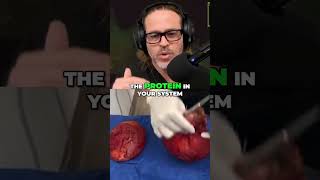
Robert Whitfield MD explains why surgery triggers stress-driven thirst and fluid retention. His protocol: when you feel compelled to drink excess water after surgery, add protein or amino acids to those fluids, then use aggressive lymphatic massage to draw swelling out of tissues.
Chapters
If you're not doing things to eliminate the chronic inflammation drivers, and I drive a big chunk of acute inflammation to do, and you get a big cortisol response, which is part of the stress response. After surgery, all your hormones are activated, your thirst center is activated. You're drinking water all the time, and you swell up like a balloon. So I tell all my patients, like, all right, here's the hack. So each time you want to. And I'll tell the caregivers are with them. Like, each time you want to drink a big glass of water, because your body's thirst center is turned on after surgery because of the stress response, just put some aminos in it or make a shake with it or make a smoothie or do something so that you get more nutritional value in it. Because as you increase the protein in your system, you increase what's called oncotic pressure in your vascular system or your blood vessels. And that's what draws the fluid out from the tissues in conjunction with our aggressive lymphatic massage technique. So you can hear where I'm going with everything we're doing. We're very protocol driven and trying to get your body to do its job. And your body has the best set of systems ever. You just have to support them properly and let them do their jobs.