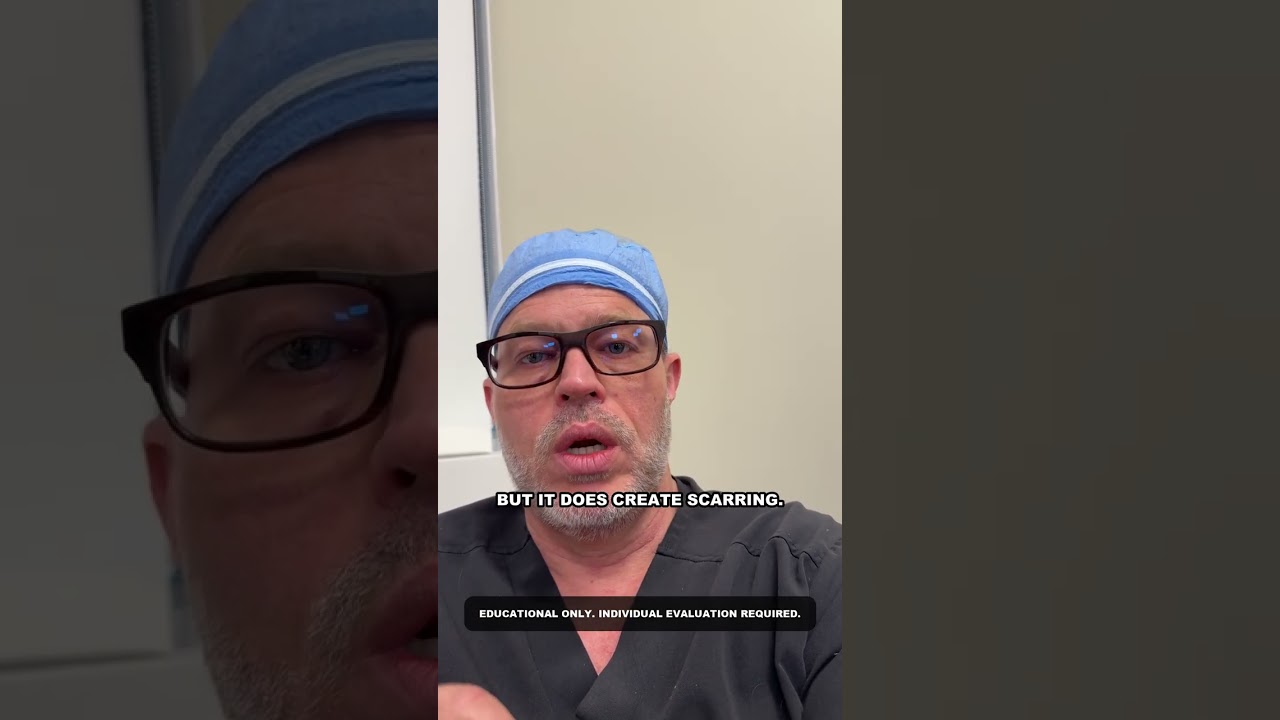
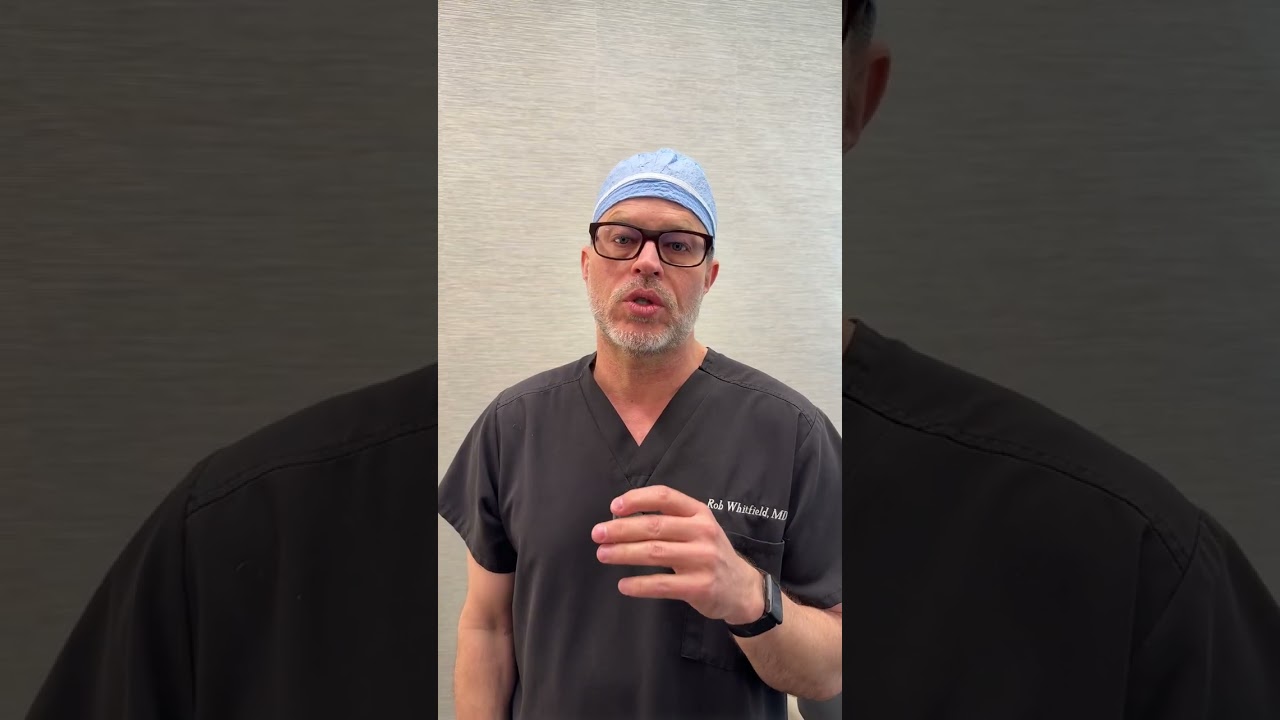
Surgeon Robert Whitfield MD explains why he removes the entire scar capsule during breast implant explantation, not just the implant. In 1,500 cases, he saw implant-associated lymphoma develop inside the capsule, and retained capsule can harbor biofilm that causes ongoing symptoms.
Questions this video answers
About 1,500 cases ("my personal series of 1500").
Within his first thousand cases ("my first thousand, I had somebody have a breast implant associated lymphoma").
Why is it so important to remove the capsule? I feel like there's a whole debate going on of doctors. Some doctors say that they don't want to remove it. You are a fan of removing it? I got mine removed. But what's. What's the deal there?
Yeah. So my personal series of 1500, my first thousand, I had somebody have a breast implant associated lymphoma. So had I not done the operation the way I try to do it and take everything out intact, undisturbed, like I did for you, you could easily leave cancer in your chest.
And the cancer is cancer, specifically from breast implants.
That one is.
Yes.
Not breast cancer, Correct? Yeah. This is forming on the inside of your scar capsule up against the surface of the implant.
So, but let me ask you this. If the person did not have the cancer and you left it in, would it be okay? Or are there other things that it's seeping out into your body with?
So if there's retained capsule, like somebody didn't remove it and they had biofilm, but they'll still be symptomatic.
Got it.
Because the body will still be fighting what they think is a virus or whatever in the system. Yeah, it's there. That biofilm's still there. Now it's retained just like a package. It's just sitting there.
So in my opinion, I feel like if you're going to go through the explant situation, you might. This seems to be to remove the capsule.