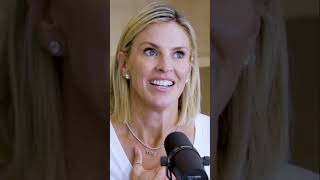
YouTube video (uploaded May 14, 2025) in which a speaker recounts a personal breast implant rupture. The speaker had silicone implants placed and worried about breastfeeding after a nipple incision; she successfully breastfed but later (about 10–12 years after placement) noticed changes and was diagnosed with rupture. Imaging suggested rupture and at explant the right implant was fully ruptured and encapsulated; the surgeon (Dr. Neinstein, New York) removed the implant and cleaned the capsule. The speaker raises concerns about implant lifespan (~10 years), risks such as mold and biofilm when implants remain in situ or are mishandled, and wants to discuss causes and risks.
Questions this video answers
May 14, 2025.
About 10–12 years after placement (speaker says 10 years pregnant; says it had been 12 years when diagnosed).
Through the nipples (per speaker).
Yes — the speaker states she was ultimately able to breastfeed.
Dr. Neinstein (New York).
Chapters
You know what? I knew I was enough aware that there was more risks with silicone than saline. Yeah. But again, when you're doing it for esthetic purposes, you're just like, whatever. I'm just going to deal with the risks. And I was very healthy. Anyways, boobs were great. And then I got. And my one concern was, will I be able to breastfeed? And they went in through my nipples. I was really concerned about that. And ultimately I was able to breastfeed, but I was so big with milk and everything else that something happened. I don't know where along the line, but the right one ruptured. And I wasn't aware of it until. So I think I got pregnant like 10 years into the implants or. Yeah, 10 years in. Then I. Anyways, one started feeling. After I breastfed and stopped, one started feeling like a little hard, but it still felt soft. But I just noticed it was doing something different. I went to get. I've never gotten a mammogram before. This is my personal decision. I'm not advocating for this. Everyone I know recommends them. But I go to saunasine for, you know, this like really high intensity ultrasound. And then if there's a risk, you can follow up with a mammogram and all that stuff. Anyways, she saw that there was probably some ruptures in the right one. And it had been 12 years since I got my implants. I knew they kind of had a shelf life of about 10. So I said, okay, great. Different phase of my life. I no longer want big, you know, big herb boobs. I'm happy to just go au natural within like a month or within like two weeks. My friend introduced me to Dr. Neinstein in New York for something totally unrelated. Like I just wanted to get, you know, like a little Botox or something. And I was in New York and hadn't done it in six months. And she was like, I can get you in tomorrow. And so. And then we ended up. He, like a month later, took my boobs out. Full disclosure, but. But all of that to say when he opened me up, the right one had fully ruptured. I mean, it was like this. And my body had completely encapsulated it. And of course they had to clean all of that out. But he said my body protected me, you know, 99.9%, which is phenomenal. So I guess, like, I'd love to know what your theory is on why it ruptured or, you know, you know, I'd love to, like, and just talk about all the risks, like mold. People don't know that you're. If your implants are in there too long or if they're maybe mishandled, like, they develop mold and biofilm, like. I just want to get into all the risks.