Cancer Survivor Sarah Minick with Dr Robert Whitfield MD
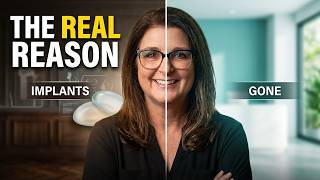
In this YouTube interview, breast cancer survivor Sarah Minick recounts her decade‑long struggle with unexplained systemic symptoms that were repeatedly dismissed as menopause or weight gain. After discovering she had textured breast implants, she learned about breast implant illness (BII) and sought Dr. Robert Whitfield, a plastic surgeon with extensive experience in oncologic reconstruction and explant surgery. Dr. Whitfield explains his philosophy of full capsulectomy—removing the entire implant capsule—to eliminate potential sources of chronic inflammation, bacterial contamination, and rare cancer risk. He describes the autologous D‑flap reconstruction and fat‑transfer techniques used to restore breast contour without new implants. The conversation also covers the clinic’s integrated functional‑medicine program: detailed toxicology testing (PFAS, atrazine, mold), personalized nutrition and supplement protocols, and a suite of post‑operative modalities (lymphatic massage, hyperbaric oxygen, red‑light therapy, Human Regenerator). Sarah highlights the supportive multidisciplinary team (nurse practitioner Violet, nutritionist Chelsea, staff Millie) and the long‑term follow‑up that led to resolution of fatigue, joint pain, thyroid dysfunction, and improved aesthetics. The interview underscores systemic gaps in conventional care—lack of testing for implant rupture, limited discussion of the FDA’s black‑box warning, and the need for patient advocacy—while showcasing the clinic’s future plans for a dedicated SHARP surgery center and more precise tissue‑level testing.
Chapters
I went to a lot of doctors and it was always, "Well, we see you got the symptoms, but we don't know what's going on." I was never going to be the person, if I could avoid it, that missed like a tumor or a cancer or something.
Sometimes things come out and then they become found, you know, they find cancer on them.
Because of my recovery has been so big, the turnaround in me has been to where I'm normal again. You changed my life. You saved my life. I don't know what I'd have done.
Hey everybody, welcome to the show. I have Sarah Minnick with me today. We were talking offline about how she found me, and I'm going to let her pick up the story because I think it's really impactful.
Well, I started— I was on a journey because I knew something was wrong. I, I just— I wasn't right. I'd been going to several doctors and was told my problem was post-menopause. And I knew it was more than that, but I couldn't find any answers. So I was listening to different podcasts about eating clean, healthy eating, um, hormones, things like that. And Dr. Whitfield MD was a guest on one of the podcasts, and I was out working in the yard, so I didn't turn it off. I just kept listening because I didn't know who you were. And I started listening and I literally started crying when I heard you because I knew that was me and no one could give me an answer. And I ran inside and I told my husband, I said, listen to this. And he listened and he's like, oh my gosh, that's you. And I said, yeah. And that really got the ball rolling. And we made a phone call appointment with your office. Talk to them through the website, and then we set up the appointment to speak to you in person. And I know we could have done it Zoom, but I wanted to do it in person. Yeah, so, um, I wanted to meet you and do it in person. And after I met you, I was like, okay, this is what I want to do.
Um, you have to tell them how you got there. That's the best story, is like how you were able to do it.
Well, my husband's pilot, so we have our plane. So he— any excuse for him to fly our plane anywhere.
And y'all are living where? So everybody understands, like, we live in Nebraska and we fly down to Austin. Yeah. And it's your— it's a small plane, of course, and everything.
Yeah, yeah, general aviation plane.
So yeah, I think it's just also though, because my— like, I talked to your husband a little bit. My son, he was actually scared of roller coasters growing up. You know, wants to get his pilot's license and do basically, obviously, um, be able to do that. And I, I, you know, anyway, I just love hearing about y'all jump in the little plane and head down.
We've done it, you and that, twice now. And then we were going to do it because, you know, I was just there 6 weeks ago and we were going to do it then, but the weather just Too violent.
Right, and everybody has to understand, like, you do not fly the small plane in the bad weather. And they have, yeah, they have a lot of bad weather there. And we have a lot of like fussy weather here last night, huge thunderstorms, all sorts of nonsense here. And you don't play around with the rain in Texas. It's crazy.
Yeah, well then you fly through Kansas and Oklahoma, and that's tornado alley.
Yeah, exactly. Yeah. Anyway, that was our departure on the travel story, but I just love the fact that— and her husband is super supportive, wonderful.
He is very supportive. And I can tell you too, he went— when we did the first phone call and we called your office and he goes, well, how do we test for BII? And they're like, well, you can't. So he's like, Okay, um, but he knew I was having problems. He also knew I wanted the implants out because they were hurting, they changed shape. Yeah, um, they were under the muscle, so I just wanted them gone. And then we found out— we did some research on my records and found out they were textured implants.
Yeah, so we can pause there for a moment. Those things, in our experience especially for you, you experience more stimulation or activation at the, you know, in your immune system because that— then the new literature out of Denmark shows that people can experience more, um, think of your cell types, the T-cell, the B-cell, and the plasma cell can get more activated with that, that, that textured forming capture contracture or more tissue irritation. So that makes sense that you were experiencing those symptoms.
Yeah, so, um, I knew I wanted them out. Of course, my husband being the pilot has to say, well, we have to explore everything. And he's an overthinker, and he's like, let's do our research, let's talk to different surgeons, we're not just going to go with the first one we talk to, you know. So we did all that, and as we were going through the process, none of them were saying, we'll take the whole capsule out, you can leave the capsule in, we'll take everything out but the back part, but your body will just absorb the capsule and you'll be fine. And then meanwhile, you're telling us, no, don't do that. If you have cancer cells, that's where they're going to be. And you have toxins, that's where they're going to be. So we were like, no, we need— we know we got to get the whole thing out. So, um, and I also needed to make sure, because of your experience with breast cancer reconstruction, I could go somewhere that I was left in a situation that I could live with. And I know you, you get that.
Yeah, that's a big problem.
You actually got that more than me in some occasions.
I think that's something that your, your case is very specific, and I know there's a lot of women in your position who don't know like where to go, what, uh, to do in turn about this because they haven't been given options or it hasn't as we discussed earlier before coming on, I don't feel like patients get a complete conversation about what's even possible anymore. And so, you know, having trained for 9 years— so 6 years of general surgery, 2 years of plastic surgery, a year just microsurgery and oncologic reconstruction surgery— and then practicing for another 15 years that way, doing the D flap reconstruction, which Before, Sarah, honestly, before I knew what I was doing, uh, with breast implant illness cases, I was taking care of this problem, right? If you came to me in 2006, I would have said to you all day long, Sarah, I can reverse all this by just doing, uh, removal of the scar tissue and the implants and doing D-flap reconstruction and resolve it, because your body will recognize your tissue as your own tissue and it will not reject it. It can't. And then, well, no, but I'm just saying, like, in general, like, that would have been my, um, we call it autologous. But like, we've had that discussion in the office too. Like, the first transplant was done between two identical twins. A kidney from one twin was given to another twin. The only reason that works is because they're genetically identical. And so that's a— essentially, the terminology would be the same as me doing the deep flap from your tummy to your chest, because that's your own tissue. It's an autologous, genetically identical, basically, you know, tissue reconstruction. And that was always— although the operation seems, you know, really complex and maybe hard to wrap your head around, I did that operation thousands of times. I did microsurgery thousands and thousands and thousands of times to be, you know, above a 95% success rate at it all the time. And that's why— and that was my whole, like, like, mission vision in the beginning, was to bring that operation to cancer patients so they had a better opportunity for a tissue reconstruction for themselves. Because I always had this very, very healthy respect for any kind of implant— hip implant, knee implant, breast implant, dental implant, neurologic implant. Cardiac implant, because during 9 years of training, how many times do you think I got called to help with some of those problems? Because every surgeon who puts those in knows they can get infected, and every patient who gets one has to essentially say that I understand that this can get infected. The problem is the signs and symptoms of infection, in this case, AKA illness, are not raising the red flags to say, okay, Sarah has a breast implant infection. And we need to take care of this because the symptoms are always like, um, and you had some of them, right? You had pain, right?
Yep.
But you did not have the standard symptom. You have a red shirt on today. For people on YouTube, you can see her red shirt. But in general, if you came into my or any plastic surgeon's office who did oncologic reconstruction, breast cancer care reconstruction, and you had a red swollen breast with an implant under it Everybody would know what to do, Sarah. There would be no confusion, right?
Right.
But because you come in with fatigue, joint pain, headache, uh, nausea, uh, disruption in your GI tract, skin rashes, or all this other stuff, it quote unquote doesn't fit that. So there's no next steps in that process, right?
Yeah, it was never I went to a lot of doctors. I went to 3 different GPs, gynecologists. I got sent to a neurologist. Um, I, I went to all these places and everything was— oh, and endocrinologist I was at too. And everything was, well, we see your symptoms, but you're fine. We can't see anything wrong with you. You know, we're testing your thyroid and your— we did, uh, I was getting neuropathy in my hands and feet, so they did a test on me to test my response, brain responses. They, um, and it was always, well, we see you got the symptoms, but we don't know what's going on. We don't know. It must be menopause. That was it. It was all the only answers I got. So, and I gained weight and I was fatigued, and then they would say, oh, well, your BMI is too high and you need to eat less and exercise more. And that was all I was ever told. So, you know, you had other answers for me. So, and I can say my husband, from the beginning of this process to now, he'll tell everybody about breast implant illness. He's like, because of my recovery has been so big, the turnaround in me has been to where I'm normal again. He's the first one to tell everyone about it.
You know, he's, um, I think once you see it, like, obviously he's seen the change or transformation you've had, and you feel a lot better, a lot less, um Well, I mean, you can maybe just list the things that have gotten better. So it make— you know, I'm not saying that you obviously know what's gotten better, what's, what's still in process, and things that you need to work on, because there's always going to be ongoing work. I think everybody listening should understand that I am not the person who solves every single problem. I have a tremendous team of caretakers, providers, professionals that work on our functional staff to help patients continue to heal with detoxification and functional medicine testing and supplement supplementation. And then we have surgical care with a nurse practitioner, Violet, who's phenomenal, who's had an explant with us, as several members of the detox team. So everybody cares a lot.
Oh yeah, you have a great team. Great team. Um, I had— well, looking back, it was little things that really were coming to a head. Um, sleep apnea for not— yeah, for years. Fatigue. The fatigue was getting worse, uh, no energy. I went out for a walk one day and my brother and husband teased me that, well, we'll see Sarah 5 hours later, she's going for a walk, you know. And I came back in within 10 minutes and he was like, what's wrong? And I'm like, I have no energy, I couldn't make it to the end of the driveway. Um, it's just losing my hair, gaining the weight I started having thyroid problems. I was in with endocrinologists, um, they were running thyroid functioning tests on me, they were doing bone scans on me. They couldn't figure out really what was going on because my symptoms were more hypothyroid but my blood work was showing hyperthyroid. I was growing nodules on my thyroid and I had my explant in April I saw the endocrinologist in July and my thyroid had completely reversed. She was floored. Um, she says, this hasn't happened. She goes, your thyroid doesn't fix itself. And my thyroid had fixed itself. Um, or I guess—
but I think that's super important, right? Because that's a misconception. Like, if you give yourself an opportunity and your body— our bodies are phenomenal at taking care of themselves if in fact the resources that are needed, either through our food or fluid or air, um, if we have some gap we need to be, you know, helped with, with supplementation, which we do. Like, your, your body can do some things. Like, you have to like give it an opportunity, and once it has the opportunity, it can really surprise you.
Oh, it's— well, and it's interesting, the process takes time. And then when I came back, part of also why I went to you is your follow-up. Like you said, working with Chelsea with the nutrition side and the detoxing and the getting my body back to balance, um, was one of the reasons I picked you. And that was huge. And Chelsea was fabulous. And, um, I would come see you and it was definitely a process. And there were times you could— it's like, you know us so well. You're like, it's okay. You could just see on our faces and you're just like, it's okay. You're doing— you're going the right way. It's going to take about a year before you really kind of get to where— through this process. And it did. It took a year and it was amazing. I just woke up one day, I was like, God, I feel normal. And then I looked at the calendar and I was like, holy crap, it's been a year.
Well, I think—
He was right.
I think if you're, you know, I've been operating a long time. So I started operating, you know, when I began surgical training in 1996. So that's 30 years I've been operating and observing patients. And when you have a problem for a very long time, it's super difficult to unwind. And I believe this, although from a surgery standpoint, I think the deep flap is, you know, that and other, other cancer reconstructions I did is more of a complex, you know, process for me to take care of in the operating room. But doing a proper capsulectomy is very important. But I think all the difficulty and, and problem solving is really down to how do we help you get prepared, if you want to think mentally, physically, emotionally, spiritually, for the process. And then, you know, people are here about a week. And Sarah, you know, people have got on me about that time frame. They think it's, it's too long.
Oh no.
And I'm like, well, I mean, the whole process that what you do before—
we have us do before surgery, it kind of start— kind of starts the process with the change in the diet and taking your supplements and things like that. So that discipline has already started. Before we go in, you know. That's right.
It's—
it changes— it's starting before the surgery even starts, right?
If you prepare better, then everything I do is less of a, um, you know, a burden on your system, right? So this is already pretty tough, and we're trying to get you prepared, and we're trying to do it in the safest, most efficient careful, intentional, you know, manner possible because we know it's a big deal to come here and spend time with us, travel. But in office, we have this, like, a great team that really helps get people, you know, as comfortable as possible. I got, you know, I, I have, like, folks who could easily work at a 5-star resort and how they behave, because every— everybody's very motivated to help take care of you while you're here. And when I read comments about people and their experiences, it's disappointing to read like what I, I read. And because I don't want patients to, you know, come see us or anybody really for that matter and have a tough time. It's already difficult. And obviously, you know, we have things like the Human Regenerator from Germany which helps, you know, calm you down and get you in a nice parasympathetic state. And then you've really benefited from the lymphatic massage with Flopresso and the Nano V at the same time. And, and then because you had that fat transfer, hyperbaric oxygen therapy, super beneficial. And then the red light therapy. I think everybody likes red light because it helps like lower inflammation, helps like improve or balance like your— think of your hormonal situation. So there's lots of things that, you know, people kind of write off and go, ah, you don't need to do that.
Well, oh no, the whole thing is fabulous.
Why don't you talk about like your— you know, I, I know you've shared it with us. But like, your specific case is Sarah had a breast reconstruction for bilateral mastectomies, just had lymph node surgery, and she is the patient I used to take care of all the time from 2005 to 2019. Like, all the time. And there are She can probably tell you I don't say everything out loud all the time to patients either, because I've had a patient recently say that they thought I was, um, overconfident or arrogant. And I was like, I was like, well, I thought about it, and like, I guess everybody can perceive things a certain way, but I have 30 years of surgical experience and I've done many, many thousands of you know, explant cases, microsurgical cases, and observed, like I said, well, you know, whatever, well over 10,000 to 15,000 patients in terms of recovery. So my expertise should never be confused for, you know, arrogance or anything like that. I'm not overconfident. I get humbled all the time by what happens with patients, especially in this process. So just for everybody listening, like, we try to be very intentional and take care of everybody, like, very as much individualized as possible like we did for Sarah, so.
Yep, well, I don't even remember the question.
Well, just kind of from your experience, you came down here with a very specific issue the first time and we did that step. And then we didn't do additional things that we quote unquote could have done. We waited and like you said, you started doing the work? Because it is a lot of work, and my team works with you, but you got to do all the work. So maybe talk about the work.
Well, you know, going in, I knew I needed a change, and the saying goes, if you want to change, you've got to change. Um, but you changed. Utah— I learned a lot. As a matter of fact, my whole family has changed how we eat and what we do. My husband's taking my vitamins now. All 9 yards. But, um, the, you know, constant contact with Chelsea, working through the protocols based on my blood work, based on my toxic screening, based on what I needed. So that was customized to me, and Chelsea held my hand through the whole thing. And I ever had a question or a problem, she was always there. Violet was always there with any issues that I had. You were on my lymphedema issues. You were very good. I mean, you were right away on that when I was post-surgery, when I got some cording. You helped, got me to Carol and addressed that. And, um, and then as time went on, it just kept getting better and better and better. And but it was a process. It was definitely a process. And there were times when it was discouraging, you know, and because I had swelling on one side more than the other, and it was like, wow, is this ever going to go down? And you would reassure me, and Violet would reassure me, it's a process, it's going to go, you know. And it did. And, um, but I did feel, because I was flat, I wanted a little more in my chest just so I'd be more proportional. You know, and so that's why I came back, was just so I wouldn't be so flat on my chest and bigger around my middle. Felt like Winnie the Pooh, you know. But, um, and you know, a lot of women who go flat say that. That's not my expression. So, but, um, but now even my husband, now he says you're looking much more proportional. He goes, I think you're looking the way you want to look. It's been 6 weeks, and because of your protocol, I'm keeping the fat that you moved in. I kept it the first time. I'm sure it went down a little, but, um, I'm keeping it. And because I was able to keep it the first time, I was willing to take the risk to come back in and go through the whole process again. Because I knew you are successful. And if I just do what you tell me and what Violet tells me, I'll be successful. And it is working, and I am seeing changes, and people are commenting on the changes. And so it's gotten me where I want to be. And like I said earlier, one of the reasons I came to you is I wanted to be on the other side of this. In a position— liking how I look, that I, I see horror stories online of women who've had mastectomies and reconstruction and explants, and it does not look good. And I didn't want to be one of those people. And so that's part of why I came to you, and it is playing out exactly as you predicted and told me.
I think for you, you know, I'm not to interrupt you, but that's the thing that frustrates me, like we talked about earlier. Like, that should not be the experience that is happening in this country. And, um, gosh, it's really hard to hear.
Well, these women will ask questions on these Facebook forums and they'll go, well, what about this and what about that, and when do I do this? I'm this many days after surgery and I'm experiencing that. And I'm reading these questions that people are asking and I'm going, well, didn't your surgeon tell you these things? I mean, you provide everything to us in writing. We have SIMPLAST to go in, and you have documents on there for us to read. You're available, Violet's available, Chelsea was available. I could ask any of these questions to any of your staff, Millie, all of you guys, anytime. And, um, and I'm thinking, what— why are these people asking us on Facebook? Why aren't— why didn't their surgeon provide this information for them. You, you laid it out. I mean, in writing, it's right there. And I'm like, how do these people not know these things? I, I feel like it's like after my mastectomy, it's like they do the procedure and then you're just out the door, right? You know, and you don't do that. You, you guide us through the whole process for a year. And if I needed more, I'm sure I could have called Chelsea or Violet or your office, right?
Right.
You would have been there. You weren't going to abandon me at any point.
That's what we're doing now to help support patients further, is we're just running SHARP as an extended period as a health, uh, improvement situation. And I think our patient population is, as you've highlighted, a lot goes into each person's, you know, individual situation. We try to break that down and analyze it and be as intentional and careful about it as possible because everybody has their own genetics and toxicity burden and gut health and sensitivities to things in the environment or their food or their products or whatever the thing is. And stress levels, death in families, separations from loved ones, partners, moving, renovating homes, travel, whatever the thing is, work. Like, it's a pretty complex situation to just be like, "Eh, we're gonna do this and move on." It just, nothing works out like that. And when you tell me about the Facebook, you know, Facebook groups are, There's been several of them that don't like me, which is fine. Yeah.
Well, I've had to leave a couple myself because I was told I was implant shaming people.
Oh goodness. Yeah. Yeah, there's always some unusual thing. I think I resonate with people who want an answer that's in a well-thought-out, logical way. Manner with— I don't give you a bunch of fluff. Like, if you don't like me for being, like, to the point or honest or, you know, not sugarcoating stuff, I'm probably not your guy, and that's fine. Yeah, like, I'm just gonna tell you honestly what I've seen over 30 years of doing surgery. And now we're really super focused on preparation and then helping execute all these really tight steps in the OR, and then the after process, like making everybody's pre-op and post-op experience as tailored for them, as unique for them, as helpful for them. As much as we can figure out to help you, we're gonna— everybody's committed to doing that. I, I applaud all my my team, you know, I, I know how careful Violet is about everything. She's got to be one of the most empathetic people I've ever ran into in medicine, and Chelsea and Gina are as well. Plus they've got this unique experience with all the detoxification and functional medicine that, um, is kind of— it's not even, um, like a, a thing in our practice. We just kind of function that way. That's the way we do things. Like, we have everything incorporated, and I really separate anything. If there's something great that we should have, we try to have it for you.
So yeah, well, I, I mean, you're— I felt like I was at a spa all week. You go in and you're just, you're just pampered, and you have, you know, one person who's with you while you go through, you know, oxygen and the red light and then the lymphatic machine, and then the other, the regen— was it the regenerator? Yeah, my husband and I said I felt like I was on Star Trek or something like that. Exactly, Star Wars or something, laying on that thing. But, uh, yeah, it's, you know, my husband's like, you look like this is like something from Star Wars. But, um, yeah, it was an amazing experience, um, Very calm, I've never had a medical experience as pleasant as your office, you know, it just, you know.
Well, you know, the other stuff is, all of that is great, but I feel like the, it's all important, right? And then we haven't touched on something. I'm just gonna pull up one of your reports to refresh my memory because I just put up something about, you know, toxicity and, you know, toxicity burden and how do we cope with that, what do we need to do. And okay, so you had atrazine. I was trying to remember the forever thing you had and DED, diethyl dithiophosphate. So, you know, we talk about PFAS and forever chemicals and all these things. I know we brought it up in our discussions, but I think it's worth It's one of those things where because it's not like top of mind for everyone, these herbicides and pesticides that are sprayed on our food supply can get in and cause a lot of mischief. And, you know, I feel like that's something that whether it's you or other patients have to cope with, it's, It's, it's such a big challenge. Maybe, uh, I mean, if you can touch on that a little bit. I, I feel like it's a process, right? And it's a poorly understood process. And then as a provider, a plastic surgeon, I'm all of a sudden talking to you about like atresia, and you're like, yeah, why is he talking to me about atresia? Why, why is that a thing?
Well, I mean, overall, I, I didn't even know I had any of these issues until you ran all these tests. Um, I also had— I was originally high with mold, mold problem too. Um, completely changed how I shop, coffee I drink. I don't go into coffee shops anymore. I only make my own coffee. I'm paranoid now because you finally got me— I'm clean, you know, and I don't want to get where I have a problem again. And I'm sharing it with everybody I see. No, don't drink that coffee. Don't drink that coffee. But just the whole process of working with Chelsea through— she went through all these items with me and said, okay, this is what we're going to do. We're going to do this this month and do this next month. And this is what we're addressing. And as we got through every phase, she explained how I was going to feel, what was going to happen, um, what to expect if there was any parasites when I went to the bathroom. But, um, yeah, it just slowly— and I think as I got through that one year, I just slowly started sleeping through the night. My hair was growing back in. My energy levels were up. And then I just woke up one morning and went, I feel normal. I just feel normal again. And I think a lot of it was getting those toxins out of me and those issues out of me. And, um, um, the nutra— supplements you were giving me, I was getting more nutrition. Um, I think one of the problems I had too is I was having trouble absorbing Yeah, yeah, vitamins and things. So I was eating proteins, but I wasn't getting anything from it.
Um, and yeah, it's a really— that's a really good point. I'm glad you brought that up. Like, we switched all of our supplements, Sarah, several years ago just to those liquids for that reason, because I was so worried about you and all my patients who had a tough, tough time with absorption getting the proper amounts of nutrients prior to and after the cases. And then as your body heals and recovers, you know, we work hard to, you know, get you to do a better job with your diet, like you already know. And then everybody knows I'm so like protein, protein, protein, amino acids, amino acids all the time so that it helps you heal. But it is It is a hard thing to continue. You're just trying to be consistent. I think you found like over time, the more consistent you have been, ultimately you got to where you're feeling better. And it was probably just, you know, like you said, more gradual. And then one day you're like, oh my gosh, I feel a lot better.
Yeah, and I looked at the calendar and went, holy crap, it is a year. He was right.
Yeah, it's, it's, it's no small thing to undergo. Like, Sarah is minimizing all the treatments she's had. She's had a very significant surgical history, uh, which many patients who have to undergo cancer-related treatment have, more so than our cosmetic patients. But every once in a while, get a cosmetic patient who's had as much or more surgery than a cancer patient, and I'll be a little bit baffled by that. But that being said, like, it's still, it's all difficult. Like, there's not some like arbitrary line I draw between either, you know, type of case. Like, if you've had a lot of surgery, you've had a lot of surgery, period.
Right. And I, you know, you don't know at the time after you have your mastectomy. I was 45 when I was diagnosed. And I was fortunate, I was caught very early, and I went the mastectomy route on both breasts because I didn't want to deal with cancer anymore, and I didn't want to take tamoxifen, I didn't want to go through radiation and chemo, which I would have done if I had done a lumpectomy. And so I just was aggressive, and I'm like, let's just do the mastectomy. But then you're— it's so emotional, and it moves so fast. And you talk to the breast surgeon and then you talk to the plastic surgeon. And the plastic surgeon, with my lifestyle as active as I was, he agreed with you. He didn't want to do the flap with me, um, because of any potential change to my lifestyle that could have caused me. But, um, he said do the implants. And so you're sitting there at 45, you're sitting in one room and the surgeon says, we're going to remove your breasts. And then you go to the other room and the surgeon says, I can give them back, give them back to you, you know. And then you're— so that's what you do. And of course my husband's sitting there, the thinker, he's like, okay, let's breathe a minute, you know. And what are the dangers of implants? And I'm sitting here thinking, women get implants every day, what dangers? You know, I want, I want my breasts back, be quiet. You know, and the doctor surgeon looks at him and says, well, the only danger is the risk of anesthesia and going in surgery. There's no other risk. So we move forward and it's very emotional decision. And I don't think enough time or information is given. I think the internet now and more things like you getting the word out is helping women because I'm seeing more and more women deciding to go flat. Instead of just moving right into the reconstruction. And I remember after my mastectomy, they had the expanders in, but they hadn't been started the process of expanding yet. And I remembered looking at myself and going, okay, this isn't that bad, I can do this, you know, maybe I don't need the implants. But then I was like, well, the expanders already in process has already started. Women get implants every day. Just move ahead. And I wish I'd listened to my gut. My gut said don't do it. But I've had more problems from the implant than I did the mastectomy. But the other thing that when I would go to the doctors, I kept— it'd been 10 years and I was going to the GPs and gynecologist, all this kind of stuff for checkups and problems that I was having. And I kept saying, well, it's been 10 years, can I get an MRI to check my implants? And they said, no, there's no need because if you had a rupture, we would know. Well, it turns out I had a rupture and we didn't know. So, um, I've talked to a lot of women and a lot of women are like, well, we, we would know if I had a rupture. And it's like, no, no, you wouldn't. Um, but I guess you can explain the medical side of why I didn't go. I know I was calcifying and that's why it was getting hard and why I was hurting so bad.
Yeah, it is an interesting phenomenon, and I would say the issue is Your body has this reaction and I see it anecdotally, which, you know, it's not been studied. I see it more often with texture that you get more of a response of this kind of little eggshell or calcium deposits. And I don't know why. It's just one of those things that it's super frustrating. Like, there's this concept in surgery that we see when people get like orthopedic surgery, like bone surgery, and it's called heterotopic ossification. So like the bone heals but it heals too well. And here there's like this reaction. I don't know what's driving it. But it's like your body's trying to— I don't want to say heal too well in this instance, but it's overreacting to the situation. It's like an out-of-balance response. And I guess for me personally, I'm fascinated by always how your body is always trying to take care of you and how it's trying to surveil the situation and respond to the situations depending on what they are. And this is just another thing that I do not completely, you know, know exactly what's going on, like so many things at the tissue levels. Uh, we talked a little bit about that paper out of Denmark, and I, I don't know why people didn't send it to me because I was writing this capsulectomy talk, Sarah, like why do capsulectomy, what's the premise of capsulectomy, and I was just, you know, researching some papers. And throughout the course of plastic surgery literature, there's papers written about capsular contracture and what do you do about the hardness, the firmness, tightness of the scar capsule around the breast implant. And so I was like, well, maybe, you know, there's some newer things. And I pull up this paper and it says the body is acting like it's rejecting a cadaver organ transplant at the tissue level, basically in the title. And I'm like, oh, well, that's super interesting. So let me, let me—
nobody told me that.
Well, this is brand new. This was last summer's paper. And I was like— and then of course, you know, it's, it's a, a very— it's a super unique paper, uh, I think our immune system is so complex and so poorly understood that it's not surprising we just have very little to say to a patient about what's going on because we don't know what's going on. I'll be perfectly clear about it. I don't know. Yeah, usually, and you usually will hear me say it, like I'll say it in an interview or I'll say it online, I'll say it right now, I don't know what's going on in every situation.
At least you recognize that it's happening. Oh yeah, they won't recognize or acknowledge, and I don't know if it's because they don't know, or I don't know why, but they don't recognize that something is happening. Right.
Yeah, I think that's the problem, is like you go to— like, you got to be curious. I think your point is like you have to be curious about what's going on. If you're not That is the problem.
Yeah.
Then you're not helping.
Other doctors in all these different fields of medicine, and they all gave me the same answer. It's just menopause, and I've gained too much weight, and I need to work out more. And actually, my husband started going to appointments with me because he's like— he actually said, you're lying, there's no way they They said that to you and everyone's saying that to you. And I said, no, they're saying it. So I would go back to the doctors with him and he would hear it and he would be like, what? I'm telling you, there's something wrong. I know my wife, I've been living with her for 30 years and she's not right. This is not just menopause. But every one of those, all the doctors were saying that they just, they never, even wanted to investigate that it could be something else, that there could be, you know, even a reason to look into it. Like, even when I asked for the MRI, it was, um, well, you don't need that, you know, why would we do that, you're fine. And they would check and they'd be like, you don't have a rupture, you're fine, there's nothing wrong, you'd be flat on that side if you had a rupture. But you got in there, for what I understand, for what my husband told me after surgery, and you sucked all that gel off my tissue, you know.
Yeah, we don't talk about that enough. Like, that is not a good situation. And I think it goes to what we don't know. So because there's not some test that Sarah can go to in Nebraska and get tests for at, you know, Quest or LabCorp, wherever, that shows like it's ruptured, leaking, and this is the consequence, like this is the elevation in the, in the marker, whatever that is, right? We just don't have that. And so that frustrates everybody because on the plastic surgery side, they're looking for some criteria to then put somebody through another procedure to help them. And I was always like very aggressive, Sarah, like you. So my mom died of cancer and my sisters died of cancer. And I remember my mom called me and I was a senior, I guess, no, I was starting my junior year and then gonna become a senior. Anyway, she called me and said she had abdominal pain. So it was, it was, I had moved back to do my senior year. She said she had abdominal pain. I was like, well, you need to go and see the GI doctor and see what's going on. Um, and she was, uh, early 60s, so common things would have been you got to make sure there's not a, like, quote-unquote blockage or a tumor or something, right? And It was totally normal. And I remember, you know, after she called me and told me, I was like, well, the next step is to get a CT scan of the abdomen because what a colonoscopy does is look at the pipes, so to speak. It's just looking at the colon. It's making sure you don't have a polyp or some obstructive thing. And it's a good tool, But if that's where you stop, you would miss things. And so she ended up getting a CAT scan, and she had cancer when I was young and had an operation for it, but she had a recurrence, and it was all throughout the lymph nodes in the back of the abdominal cavity. And it took about a year, but she passed away from that. But, you know, that experience and other experience always obviously shape you. And even then, I was never going to be the person, if I could avoid it, that missed like a tumor or a cancer or something. Now I take care of all these cases of ruptures and things like you're describing, and there's all sorts of scar tissue and things around stuff now. So when we've taken things out, sometimes things come out and then they become found— you know, they find cancer on them. Right, that wasn't known beforehand. Or sometimes people come in with, uh, these new bumps and things and they're stuck on the implants or whatever. So there's going to be a series of things over time, and I'm surprised we don't see more problems with me finding more breast cancers after the fact. I mean, I've, I've found a handful, but you know, 1 in 8 women are going to be potentially finding a breast cancer over time. And I'm honestly surprised that in the thousands of cases that we've done for this, we haven't found more.
Yeah, yeah. But it's— I have listened to some of your podcasts and I've heard some stories of, of, um, one of the ladies you interviewed from Texas that—
oh, Tiffany Blackman. Tiffany Blackman, super sweet lady.
She said she wouldn't have found if Yeah, you, uh, hadn't have— if she hadn't followed through with the explant. But again, part of why I came to you was you were thorough. I wanted to make sure— after you get that you have cancer, then you go through the process, and then you're like, okay, your lymph nodes are clear, you're good, you know. And now it's been 10 years and you read something that says Oh, these textured implants could be cause you to have cancer, just a different kind. And then you were like, I'm going to take that whole capsule out and I'm going to make sure there's no cancer in it. I was like, okay, that's my guy, you know, because I don't want to get that phone call telling me I have cancer again, and I'm not going to ignore this, you know. And so I like that you were that thorough in digging into what's going on with us. You know, again, you just didn't do it, take the easy way like other surgeons. Oh, we'll just leave that in there, the body's going to absorb it, you know. And I'm like, well, what if there's cancer in it? You know, no, you know. So I wanted the thorough. That was again one of the reasons I came to you was I liked that aggressive stance you had on that.
Yeah, absolutely. I think the issue is not so much like, should you be doing it? I think the short answer is, you know, if I've shown that 29% have bacterial contamination, that answers the question why you felt the way you felt. All right, so that's, Roughly 1 out of 3. And we have this paper that really highlights what's going on at the scar tissue level in this kind of new understanding of, you know, DNA, RNA, protein synthesis at the tissue level. So that paper I described from Denmark last summer that came out, I think all of the things are finally kind of aligning to make sense, right? So I already published the largest experience in the world with PCR testing on explant specimens. 29%. Like, I don't care if you don't like me, I don't care if you don't want to listen, like, it's right there, right? I didn't make it up, right? It's like, I didn't grasp those numbers out of thin air. And this paper out of Denmark's fascinating. If you told me today that I could go back to do your case and send a little piece and have them tell me like what cell types are, uh, in the highest amounts there producing the most amount of proteins or antibodies or whatever, I would 100% be on board with that every single time to send that for patients so that we, we formed a better, clearer understanding of what's happening at each individual's tissue level. Because that's, that's what you want to know, right? That's what I want to know to help you more, right? So like, why is that even Why is that even a question, right? Why is that a problem? That should be what you want to know.
Yeah, I'm walking to your door telling you I'm not right, I want my life back, and you're like, okay, well, we can do this and we get to the answers to those questions and then I can help you with it. You know, sure, sign me up. You know, that's, that's why I'm here. I want my life back, you know, and, um Right.
I mean, that's, uh, yeah, it's funny, um, that this is— well, it's sad. It's not funny. It's sad that we have to still have this conversation about this as being an underappreciated problem. I think it's pretty obvious, um, it's a large problem with large, um, you know, deep ramifications across the patient population as it pertains to women who've had breast cancer in their situation, have had, you know, cosmetic procedures in other individual situations, and it's not being, um, thought of, dealt with properly, right?
Yeah. And we, as cancer patients, and I'm sure other women too, we're not told all the information. We're not told the truth. And even though implants now have that black box warning on them through the work of other women and going to the FDA, you going to the FDA and all that y'all have done, the black box warning has been put on there. But I have heard like a lot of plastic surgeons won't tell their patients that black box warning unless they're specifically asked, you know, about it. And a lot of women don't don't know. People are shocked when I tell them my story. They have no idea that it's a problem. No idea. And, um, right, you know, it's so emotional. It's— I mean, you know from your personal experience, it's so emotional. Um, one, the am I going to survive Right. And to the, okay, this— what are you going to do to me and what am I going to look like when I'm done, you know? And I'm fortunate that I have a fabulous husband that supports me through all of this. And like this last comeback I did with you, he said, um, you don't need to do this, you're beautiful the way you are, and I said, I know. And he looked at me, he goes, but I know you need it. And so he brought— he's like, then let's do it, you know, let's just do it. And I came back because of the first time and the results I got from the first time. And so I came back to you, um, because I knew I— if I just did what you said, I'd be successful. And plus your staff in the entire experience just is wonderful. I remember my first meeting with you, 'cause it's scary to go in there and talk about, okay, I'm gonna have my breasts taken out of me again. You left the room 'cause you had another appointment, but Millie was in the room with me finishing up, you know, appointments and information. And she looked at me and she said, "You're in good hands." he'll take good care of you and you will get good results. And I remember Millie saying that to me, and, um, and I said, wow, she's got a lot of faith. And she has seen a lot of his patients post-op, you know, and that was big, you know, that she had that much faith in you and was sharing that with me. So yeah, coming back.
I think the thing, you know, Millie's great in, in the office, and she's been here several years now, you know, seeing the patients. And, and most everybody here that we have has been here multiple years in the office. We don't have a lot of— I think one thing that people talk about when they come here is like, I see the same people all the time.
Like, well, yeah, which speaks highly of you.
Yeah, we don't have a turnover issue with, you know, our staff. We have a really strong group of really committed team members. So I think obviously that they're all aligned with what we're doing, which is important, obviously. I was gonna comment about your husband because I think he approaches things with not a, I mean, he has his skepticism, which is, uh, fair, but you know, the, the way you all come in and your family's with you too, um, and I go out and speak, you know, with everybody once we're done, and, um, they're all really concerned. I mean, you're very, you're very fortunate. I wanted to say that you have a really devoted family is what I was you know, point it out.
Yeah, very blessed. Yeah, that— like this last trip down 6 weeks ago, my mother-in-law and father-in-law came with me and they stayed the week there. And luckily my mother-in-law cooked for me. It's not my husband, but, um, yeah, they were all— they were all there. I told her, I said, you don't have to cook for me, but I really like it if you would. That's funny. Yeah, they came down and took care of me the last time, the first day when we did the explant. I stayed a month. I stayed down there until we had the 1-month appointment.
Yeah.
And, um, my husband is like, we're in it this far, let's just go all the way.
And, um, yeah, but that's something that's very different, right? Yeah, that's something that's very different because then you get to see firsthand like what it's like to be around and and be able to do more. I mean, that's—
Yes.
That's a little bit under, you know, let's say that's under the radar. That's not everybody's experience 'cause a lot of people are coming in and out, you know, for the week and—
Yeah. Well, I had complications with already with the lymphedema issues I had coming in. And, um, so you were helping me through the whole process with that lymphedema, you know. So I'm glad I stayed because you did above and beyond.
The lymphedema is a problem.
Yeah. And your interest was more in, we got to make this right for her and have her heal properly. Then, you know, I only told her I'm going to do this. I mean, that was never a conversation. You're like, oh wow, this is going on? Well, then we need to address it. You know, you and your office addressed it. I was never turned away. You know, it was—
I think what, you know, the problem that I found out for time is, one, um, there's an access issue to these tools. Like, we're talking about more lymphatic massage. So we've invested heavily in our clinic to have all these tools to help patients because I know that's what works. And yeah, we have the lymphatic massage devices that we combined, um, you know, Flowpresso is the device, and we combine it with NanoV. And then for specific individual problems, I have Carol, who's a lymphatic massage therapist. She's certified and been doing it decades, and she is wonderful.
So it's wonderful.
It's more about like trying to help everybody and meet them, you know, as Sarah's described. I mean, where do they need the most help and how can we help them? Like, we have obviously a, a large, you know, variety of offerings, but those core things are always like sleep hygiene, nutrition, supplementation, you're getting your diet on point, getting, you know, um, getting up in the morning, get your circadian rhythm reset, come to the office you know, do the treatment modalities to help, like Sarah's talking about with lymphatic drainage. Hyperbaric oxygen helps with healing. I mean, all the things are meant to be synergistic to give you the best shot at feeling better day over day, week over week, month over month. I'm sure if I just had someone trapped here and they had to come in every single day, they'd get tired of us, but they'd feel really good.
Yeah. Oh, I come— you guys came for us so much. My— one of my family members that came with the exit camp was my aunt. She flew in from Florida, and she's a retired nurse. And we're sitting there one day, and she's like, I come out of retirement to work here. This place is— she goes, this place is incredible, you know. And like I said, she was a retired orthopedic It's on the orthopedic wing, you know, a lot of knee replacements and hip replacements.
And yeah, it's not an average medical office.
No, no, no, no, it's not. I describe it to people and people are like, really? Well, no wonder you went to Texas. I'm like, yeah, I'm not stupid. It was great.
Yeah, it's just, um, yeah. And we're gonna have our surgery center opening, you know, relatively soon, and that will be Wow, that has been an arduous process. But, um, you know, we've worked hard to control the pre-op and post-op in our clinic, and now we're going to control the experience at the surgery center level for the first time in my career. And, um, that I guess will be for me the last, you know, element that we haven't really maximized in terms of experience, because we can always do better there. And you can follow the Sharp Surgery Center online It'll be opening, you know, soon. We've had some soft opening work done with the Biohack Yourself team because I'm in the SHIELD documentary, which unfortunately I missed the premiere at the Cannes Film Festival because I was here working. But that will be yet another element that we add to— I feel very— obviously we feel like we have the strongest set of offers to solve this problem. If your problem is breast implant illness or explant surgery or recovery from that, we have all these things that are set up through our programming, you know, for SHARP, like Sarah's discussed, and through my team working remote. I mean, which basically almost everybody does at this point because I have so many people coming from so many places, uh, That's just become the standard for us. So, well, Sarah, is there anything you would like to share as we close up today? I really appreciate your time and talking about this with me.
Well, like I said, one of my concern, first concern was get healthy again. I wanted more than just the procedure and then bye, see you later. And you guys definitely followed through and held my hand through the whole process. And I'm healthy. I'm normal. I go to the endocrinologist and she did a follow-up a year later and she was like, "What's your doctor's name? What's—" You know, like, "He started—" She started reading about you and just— I'm myself again. I'm me again. And, um, and then after this last, it's only been 6 weeks, but so I still have some swelling and things, you know. But my husband told me the other day, he goes, you look really good, you're, you're more proportional. He goes, I think you got the results you wanted. And, um, so to have someone else notice it was like— and then I run into people in town or they're like, wow, you look a little different, what's different? You know, so, um, that's so awesome. I know I'm still getting there. I, I'm only 6 weeks out from that last surgery, so there's more good things to come. But, um, yeah, you changed my life. You saved my life. Um, I don't know what I'd have done.
You know what, um, you're so welcome. Uh, it's, uh, everything's, you know, meant for a reason, and you came into our world and we appreciate having you. So thank you so much for joining me today.
Of course.







