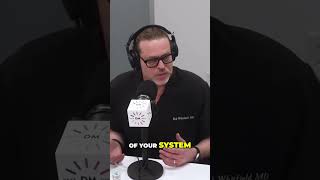
A brief conversational excerpt from a YouTube video where Robert Whitfield MD explains that the body forms a scar capsule around implants (to wall them off) rather than rejecting them outright. He links increased inflammation to preexisting autoimmune disorders and to environmental exposures (water, air, food, mold, topical products) that raise toxic burden and inflammation, potentially worsening implant-related symptoms.
Chapters
I think what I see now in cosmetic patients is many instances where they have preexisting autoimmune disorders. Or alternatively, you know, like you asked me, like, why do I have so much inflammation? Like, inflammation from our bodies reacts in a way that if you put a device in someone, their body immediately forms scar tissue around it. And that's the capsule, the scar capsule everybody talks about. Your body's always going to try to get that out of your system. And then if you have other things from your environment, you know, the water we drink, the air we breathe, the food we eat, the products we come in contact with in our skin on daily basis in Austin, there's tons of mold. These things all add to the basically your toxic burden, and that's what gives you the inflammation.
So what you're saying essentially is when you put an implant in, if you're already having inflammation problems to begin with, or you already have underlying autoimmune, and then you put the implant in, your body is pushing it out like a splin splinter, or is it trying to.
Wall it off from the rest of your body? Yeah, it walls it off. It won't reject it in the. In the truest sense, like in the cosmetic patient, because the tissues are intact around it.