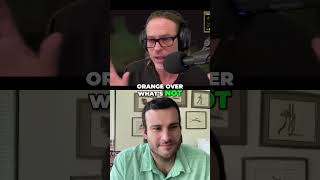
A short YouTube interview led by Robert Whitfield MD discussing whether organic foods are more nutritious and common misconceptions about pesticide/herbicide/fungicide use. The speakers state that organic produce does not have higher vitamin C than non-organic produce and clarify that some approved pesticides/ herbicides/ fungicides are permitted in organic farming, countering the belief that organic means pesticide-free.
Chapters
So in our intestinal tracts, we have bacteria, fungi, viruses, we have parasites. These work in concert. And when that is off. So if our, you know, trillions of bacteria go off in the gut because of overgrowth or imbalance. And so when we look at our diets and we go to the stores and we're trying to buy some, you know, fruits and vegetables, and we're trying to select the organic, you know, orange over the what's not labeled organic. Like demystify that for us in the audience. And I'm peaked here. Yeah.
So we'll, we'll start at the most misunderstood thought about organic food in that it is more nutritious for you. And that is not the case. There is no evidence showing that vitamin C in an organic orange is different than the vitamin C in a non organic orange. Right. So eating organic foods will not necessarily make you get more nutrients or make you feel like you. It's more of a play on the environment. Now, there are some changes, and some of them are requirements in terms of pesticides, herbicides and fungicides. But the second biggest myth is that organic foods are not treated with any of this. And that's completely false. There's actually a list of, of approved fungicides, pesticides, herbicides that are used.