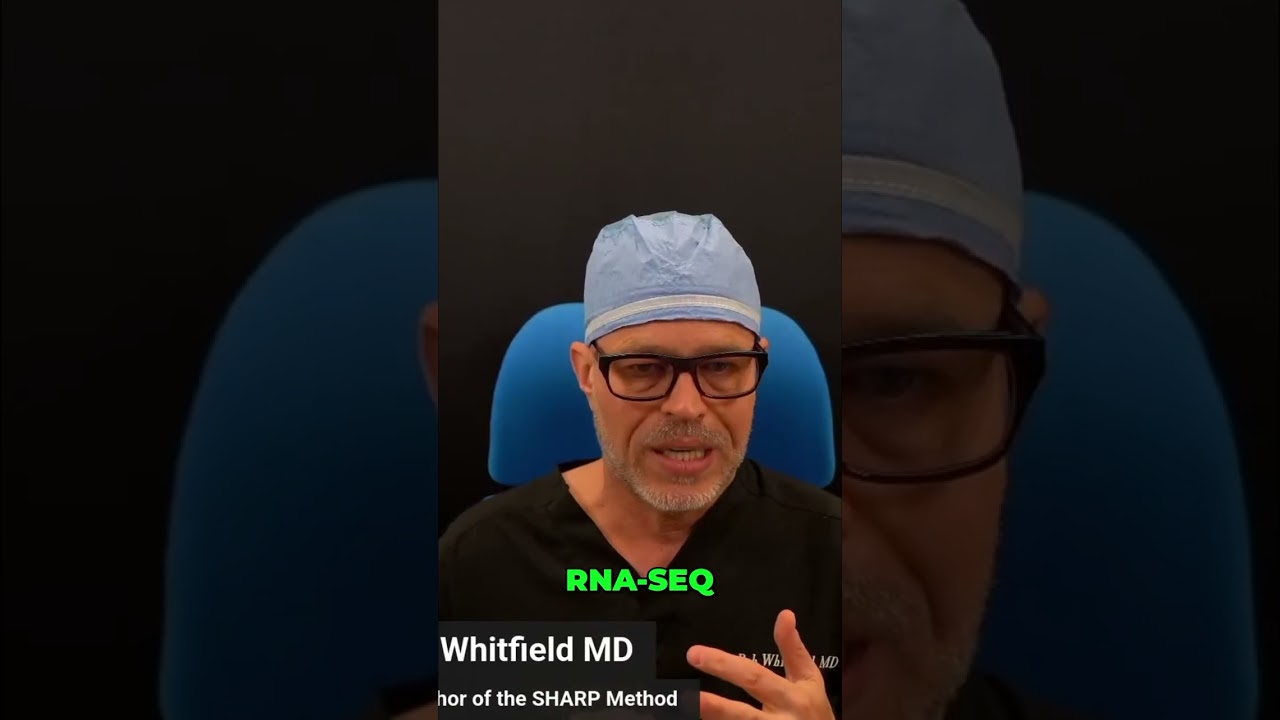
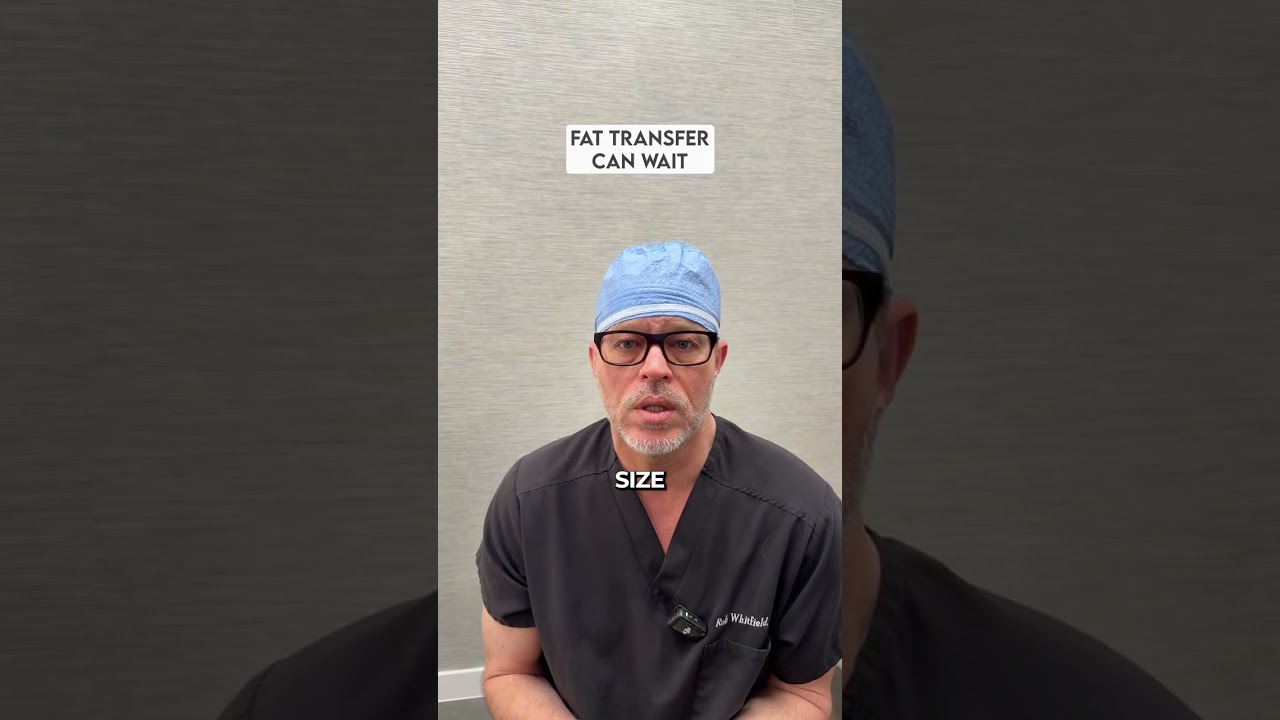
Dr. Robert Whitfield explains how the Larsen study used RNA sequencing to measure genetic activity in scar tissue around breast implants. RNA‑seq shows which biological programs are active at the moment of sampling, but it cannot identify what triggered those patterns. It's a snapshot, not a cause.
Chapters
The Larsen study adds a detailed look at genetic activity in the capsule tissue. So the scar capsule, for everybody here, I have an implant on my desk as usual. And so if I wrap it in this little whitish towel, that kind of mimics your scar tissue. Sometimes scar tissue looks very white like this. I did a couple explants today. and the scar tissue was wider and thicker in one versus another. And so, the key technology here is RNA sequencing, often shortened RNA-seq. Genes are instructions stored in our DNA, of course. When cells use those instructions, they produce RNA transcripts. By measuring RNA across the tissue sample, the researchers can estimate which biologic programs are relatively more active or less active at the time the tissue was The complete pattern of measured RNA is called the transcriptome. Think of it as a snapshot of cellular activity in mixed tissue samples, not a permanent identity card and not a direct movie of everything that's happened before or after the surgery. That distinction matters. Transcriptomics can reveal patterns associated with immune signaling, metabolism, tissue remodeling, and many other processes. But a transcriptomic pattern does not automatically establish the trigger that produced it.