She Was Couch-Bound for 3 Years — Her One-Year Recovery Update Changes Everything
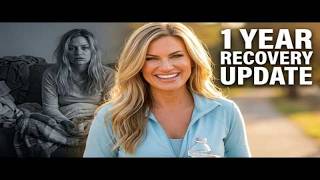
Hannah spent three and a half years couch-bound with brain fog, fatigue, and hair loss before removing breast implants she'd had for 20 years. After a year of detoxification and targeted treatment under Dr. Whitfield, her energy and cognition improved dramatically, though she still manages detox side effects and heightened sensitivities.
Chapters
I had 350 cc's over the muscle for 20 years, almost 20 years. I had been sick for probably about 3 and a half years. I had been to doctor after doctor trying to figure out, you know, what, what was going on. I had food sensitivities, brain fog, extreme fatigue, hair loss. I had lost so much hair. We have spent so much money on tests and doctors and detoxes and, and you're still here. There's nothing. Nothing has changed.
I look at your tox report and it's not the worst one I've ever had, but it's not a good one.
Yeah, it's, it's awful. I couldn't even believe it when I saw it. It's— I guess it's hard because breast implant illness is not talked about enough and they don't know what it is. And I don't think they care to know what it is.
All right, we have Hannah on the show today. Hannah is almost at her 1-year anniversary, so I appreciate her coming on. And Hannah, you're up in Montana still. I am. And so we got to spend time with you in Austin. We haven't had you back. We haven't visited with you for a while, but it's a pleasure to have you on today.
Thank you so much, and thank you, Dr. Whitfield MD MD, for having me on today. It's, it's just so important to share just what you guys are doing in, you know, there in Austin and just for breast implant awareness. And there's just so many women who need what you are doing. And so I just want to thank you for helping me through this journey. And I am a month out as of May 20th, so that's exciting. And, um, I'm sorry, a month out? I'm a year out. It feels like a month and then it feels like a whole year or two.
You said before we started, like, sometimes it feels like it was yesterday, sometimes it feels like it's a year. And so, um, I mean, you came down, obviously, um, uh, you knew— actually, we had a mutual, um, client Lauren Bostic, and you'd heard of us through Lauren's podcast and me appearing on the show and everything. And maybe just kind of recap your story so everybody gets perspective.
Sure, absolutely. I'd love to share that. And, you know, I had been— and just kind of going back, I, I like to go back a little bit because I had been sick for probably about 3 and a half years, and I had been doctor after doctor, um, trying to figure out, you know, what, what was going on. Of course, you know, we have the internet so, um, handy to us, and so I was doing all this research and going down these rabbit holes and trying to figure out what was going on. I, I mean, they thought I was having heart issues. I'd had an angiogram done, um, they had checked. I mean, they could not find anything. My blood work— the, the one doctor, I remember laying in the ER, I'm convulsing And, he's like, "I can look at you. There's something physically wrong with you, but your blood work and what everything that all the tests that we have done are in the black. There's nothing in the red. I don't even know what to tell you." And, at that point, I laid there at a loss and I know my husband was laying there or sitting there next to me and it was such a journey of what next. And, I had food sensitivities, brain fog, extreme fatigue, hair loss. I had lost so much hair, and I've been in the hair industry, and, and that was a— for my entire life, really. And so that was a tough one for me because I, I know what to do to prevent hair loss. And so I was like, what is going on? I mean, I would just brush my hair every day and just— I would lose so much hair. And, um, so I'd come to a point where I had such food sensitivities, the only thing that I could eat was bananas and avocados. I was allergic to everything else. And I'm like, what is going on with my body? And I felt at this point that I was fighting against my own body. There's something going on. And interesting enough, I just— I felt this nudge in me, and I really feel like it's God. I'm a believer, and I felt like God was just like, it's your breast implants. And for the last 3 years, just something was kind of saying, you need to get these out. You need to get these out. I've had them for— I had 350 cc's over the muscle. For 20 years, almost 20 years. And I was just feeling, you know, your body tells you what you need. If you stop and listen to it, it'll tell you what you need, what you don't need. And I'm pretty in tune. And so I value that part of being in tune with my body. And so I just— that was in the back of my mind. And so that nudge when I said, I think it's your breast implants, I remember Lauren Bostic, and she was a dear friend and client of mine out in San Diego for years. And, and I remember her— something had come up over social media, and I didn't watch it. It was— I just remember she had had hers removed. And, and so I got on the internet and I googled breast implant illness. Well, the first person that came up with was you, and I didn't know that that was her doctor at the time. So I was reading all the, you know, all the side effects and, and And, my side effects were actually almost parallel to what breast implant illness was. And, for me, that was the moment that the aha light just went on and it was like, "Now, I need to convince my husband that this is what's going on because he's been, yeah, what's going on now? What supplement are you taking now? What detox are you trying?" The only time that I ever felt good is if I was detoxing. Just gut GI issues like no other. I mean, it was just, it was this point of, the only time I felt good is if I was detoxing and that wasn't even felt good. That was just to get by for the day. And so, when I Googled you and then I put it together with Lauren and I'm like, "Oh, that's the doctor that Lauren saw." And so, I went and listened to her and Michael's podcast. And I was literally in tears because it was the first time that— it was the first time that it actually just all came together at one time, that I knew no doctor would give me the answers I was looking for or go, you know, no one was even pointing me in this direction, right? And that was the first time that I really knew that that's what was going on in my body. And when, like I said, when you listen to your body and you know it spoke to me and said, yes, that's it. And so that was the point where I was convincing John, and I sat him down that night and shared your videos, and I did a ton of research on you and your team and what you do. And I'm just so thankful for the protocols that you have put together for women that are in this situation, because it's not just to come in and get your explant removed, thank you very much, goodbye. It is such a well-thought-out process, program, support all the way through, handheld. I mean, your entire team from the minute that you walk in the door to just even being in Montana and having the treatment that I had, you know, I obviously flew down and was down there for a few weeks and, and, and it's still great. You can still do it if you're long distance because there's a wonderful Airbnb that's set up just for people that are struggling or that are recovering from breast implant illness. And I mean, it was a seamless recovery and process. And just all of the women in there exude such love and confidence and just support and just very genuine. And so that part of it was that made it so much easier for me to go through this process. And And so when I did have them removed, I will tell you, I have never once regretted ever having my ex— or my implants removed. The only thing I've ever regretted is putting them in in the first place because almost 20 years ago, and I did the research because back then they said, well, you shouldn't do silicone, saline is better now. So I did the saline thinking that I was doing the right thing for my body, right? Well, it's wrapped in silicone. So what, what difference is it? And it's a foreign object in your body that your body rejects. So literally, my body was rejecting those. Not only was it— they were just rejecting them, but I was fighting against my own body. And that's why I had so many symptoms and issues. Any supplement— and you, and you know, Dr. Rob, that I'm very sensitive to anything, and I was very skeptical of even taking medication before because I'm very highly sensitive. And And, women, that is one of the side effects is being sensitive to anything that you put in your body. I can tell you to this day, a year later, I don't have those sensitivities anymore. I can take things and not have a reaction or my heart palpitations or think I'm having anxiety attack just to take a pill. And, I know it was a struggle for you. And, I was like, "I am sensitive to everything." And, that was one of the biggest side effects. And, I'm not that way today. So, you know, a year later, you know, it's a journey. And as you know, it's a journey. Those first— I'm going to tell you, those first few months are really tough. And women that come out that, oh, I feel better, I'm great. Well, yeah, you do initially. But then it's the recovery part, right, that starts. And so recovery is— it's a journey in itself. It's emotionally, it's physical. You have to give yourself grace. You have to understand that it's a new normal and you have a new— it's new for me. Again, it wasn't an emotional side for me because I was so relieved. It was my quest was for my health. And at that point in time, it wasn't about aesthetics. I don't care what they look like. I will never even have a fat transfer. Sorry, but I love what you did. And I'm so thankful. And they're beautiful. But, I just, to even go back to that state of mind to be where I am today and the healing process is such a beautiful place. And to get my health back, to not have extreme brain fog. I mean, extreme brain fog that if it wasn't written down, I forgot it. Like, it was extreme brain fog. To have energy again, to have, you know, we're landscaping our yard right now. And, I'm out digging trees. And that would— my husband said, "A year ago, Hannah, you were on the couch." I mean, that's where I was before my surgery. I was so sick that I was on the couch almost all day long and I had no life. I had nothing. I couldn't make plans with friends to even do anything because if I felt good at the moment when I committed, I don't know how I was going to feel that day, then that day that we set a time for. And I would always cancel because, you know, I had no energy. It's an overwhelming feeling of not feeling well. You can't even say exactly how you feel, but you don't feel well at all. And I know a lot of women experience that same thing and are searching for the answers. And I have a lot of friends, Dr. Whitfield MD, that actually They know that that is what is the issue. And I have been an advocate. You got to get them out. It's time. You have to get them out. I'm not ready to do that. They're not ready. They're on every detox. They're in the saunas. They're doing everything that they think is the right thing to heal their body, which if you think about it, yes, it would be. But when you are fighting against that, you're actually harming. You're making worse, by the way. And they're just not ready to go there. And that's the part that I think for women is such a struggle because being confident in your own skin is one of the most important things. And for me, I have found confidence in myself that it's not my looks, it's not my breasts, it's not— that doesn't define me, right? But when that is your definition of who you are, or society tells us that, and social media, and anything that you look at is coming at us, that's just continually in your face. Women have that. And so I understand, and I understand that. But when you find who you are and are comfortable in your skin, and maybe it's my age, I'm 50, so maybe that's just, you don't care what anybody thinks anymore, right? When you're younger, it's more important. But Just the health is so much more important than any look. And to be honest, I actually love the way I look now because I'm not coming out of everything. I had such huge, you know, 350 cc's was pretty big. And I was coming out, you couldn't wear a shirt and just, it was just coming out of everything. It was just so, to me, it was so unattractive. It was just, it's not classy. It just, it looked horrible. And so I'm very thankful for the way that my clothes fit now. And I actually still had a lot of breast tissue. I'm very thankful for that. I wish that I didn't because I wish I was flat as some of the other women because I loved when I was squished and you had just did surgery and I squished. I'm like, oh, this is great. And then they started fluffing up, which is the fluffing that they do over the next year. And I do have a lot of breast tissue, so I still have a lot. So maybe a reduction.
Well, I want to like go back and just reiterate something. You know, one of the main things in the program is looking at genetics because we know that 83% of our patients have trouble with detox, which you mentioned, and then look at your toxicity burden that you specifically were dealing with, which had bisphenol A, or BPA. It had dimethylphosphates, glyphosate, tin, uranium, aflatoxins, fumonisins, ochratoxins in. So Hannah had a lot of reasons to have both sensitivities, a lack of energy, problems with even cognition or remembering, or all these different things she's describing. So that coupled to a device that had a lot of bacteria on it, like Hannah had a lot of reasons to experience life the way she was experiencing it and have the problems she was having. And then I think Hannah, a lot of people feel like it's going to be rainbows and unicorns right after surgery. Part of it is Lauren, you know how gregarious Lauren is. She's trying to do selfies with me in the recovery room and she's like super happy. And, you know, I always, you know, equate euphoria after surgery to a little bit of the drugs you get during surgery. And the next day she came in and she was more gregarious and more energetic. And then the day after and the day after. But hers was because, just like yours, your body was in a lot of conflict with what was going on inside of it. And we removed one of the big burdens. And so hers was kind of day over day, and others are week over week, others are month over month. And now you're at a year, and you're, you know, like you, you stated very eloquently, you're on the other side and feel much better, much more comfortable, and I think part of your success, like many patients' success, is like very strong, um, very now comfortable, obviously, like you said, in your own skin. Like, that's the thing that I can't, you know, predict, like what's going to happen at that point. That's very, very hard, and, and a lot of patients struggle with that.
Yeah, and I think the emotional side of it is a huge factor of the surgery because that's been a part of you for so long. And that's why I love your team and the women in there that have been so supportive and have been through the same surgery and the whole— every step of the way. And it's just such a great support team. And to have that support those few days after surgery is just It's huge. And I think that really helps the healing process. But like you said, the emotional side, I think, is something that, you know, that's something that you can deal with. You're Dr. Whitfield MD, and you're incredibly gifted in what you do. And, but then it's the follow-up. And thank God I had a very supportive husband and family, and that part of it was helpful because he supported me along the way. And I mean, he was tired of seeing me on the couch. Let's just say it. He's just, he's like, I'm kind of over you just doing nothing. You know, and, and, and really to see me now today and with my health so much better and in a different place that, um, he is so grateful. And, and so that part of it was wonderful to have the support system. And I know everybody doesn't have that. So I understand that that can be even challenging, but when, when you are fighting against your own body and you get to that point of, you know, you'll do anything. You'll do anything to feel better again.
Well, I'm glad you brought up, um, the fact that you're— I mean, your husband was super, um, involved. And I, I don't want to say there's, um, there's varying levels, right? Guys can be like super involved, like you're a spouse, super supportive. And then others, it, you know, it's just not everybody's jam to be a great caregiver and, and be super involved that way. And so I don't want to, like, first of all, um, you got to be there to be involved. And whether it's a spouse— and some spouses can't leave because it's a work situation or whatever, you know, they're trying to hold it down at home while, you know, their loved one gets, you know, taken care of here. So it's a big step to come here, and I appreciate everybody, obviously, individually, who can make it, and the spouses and partners and loved ones that support them, however that works out. Yours obviously was very hands-on and here, um, and I find that to be like a big component, certainly maybe as big too, like afterwards, because I feel like that's gonna we talked about a little bit before we get on the ups and downs of this afterwards, and then, you know, having a supportive, you know, loved one, um, partner, spouse, family, like, that's a big deal in terms of how, how your, uh, support system worked.
You know, I, I will say that was a huge help, and, and I know that there— I know there's women that don't even have a significant other, that are single, and that go about and do this on their own. And, right, um, for me, I will say I'm very thankful that I did have that support system, um, that he was. But after, after a while, he's kind of like, I'm over this too. Like, I can only get you, you know, I'm kind of— I, I'm, I'm checking out. Like, he was at that point after, you know, and he was gracious about it, but he was kind of like, okay, I'm over this now. It's time for you to start pulling it together now. And And so, um, I could sense that and I felt bad. You do feel bad because you're, you know, I'm, I'm not that kind of a person. I usually take care of everything and that's just my personality. But, um, but at that point, but so I do feel, I feel bad for women. I will say though, if, if I was in that situation, I don't care what it would take, that I would pull up the bootstraps and, and go and do this because I know the outcome is going to outweigh anything that you have, that you've been going through. And so as hard as it is, it might be harder for some people if you don't have a support system. Find a friend, you know, um, maybe a friend that is gonna go through this and you can take care of them when they go through it, you know, where you just find somebody. And some people I know don't even like to tell anybody that they're doing it, like they keep it a secret. And for me, I was like, I would shout it to the mountaintops because every woman needs to know this is probably your problem. And they were to the point of diagnosing me with Lyme's disease or something at that point in time. And I'm just like, no, I'm not going to take that. I know my body. I take care of myself. That's not who I am. And so that point, find someone who will support you. And I know that there is, and but even if there isn't, Dr. Whitfield, there is, um, it's, it's, um, is it Felicia? Alicia? Um, I have to look back on my text, but I stayed at her Airbnb. She's willing to even help you out. So if you came, and I know that there was a lady that flew international that came down to you and she helped her out. She's willing to help people out. You can DoorDash food, um, when I showed up there, she had flowers and a card for me. She has all the ice packs in the freezer, um, the bolsters, the, the elevating pillow. I mean, she had everything set up that it was— I could have— I wish I would have stayed there longer because it was such a great place to recover and very peaceful. And, and like I said, she would actually help you, um, and caregiver if you need it. You know, you could— you have a nurse, I think you have a nurse on call that can go home with you for those first 24 hours. And, um, so, so really there's no excuse. And, and, and okay, you say you put a price tag on it, right? Well, it's not cheap to do it, but I will tell you that you can't put a price tag on your life and your health because guess what? You're going to pay for it on the other end. You're going to be in the hospital like I was before. I was My husband was like, we have spent so much money on tests and doctors and detoxes, and, and, and you're still here. There's nothing, nothing has changed. And so you can't put a price tag on your health. And, and, um, like I said, you're gonna pay for it either way, so you may as well.
I think that's a good thing you brought up because, um, you know, there is this thought process where, as you mentioned, kind of going down little, little different avenues or rabbit holes once something is, you know, triggered. And somebody's like, oh well, I can do this, and then they'll go do that program, that detox, or the, like you said, a cleanse or something like that to try to really get feeling better. And it doesn't end up serving them. And in fact, sometimes it can make people feel a little bit worse depending on like if they're detoxing too rapidly and they get a Herxheimer type reaction or something like that. And you may or may not have experienced that, but I have a lot of people who do that.
Or going in the sauna thinking you're, you know, sweating it all out. And, and I was guilty of doing all of it. I mean, that was I was— but I couldn't understand when I went in the sauna and would tell John, I don't understand. Usually when I go in a sauna, I would feel like sweated out and, and I would come out feeling inflamed, like my body would inflame. And it was like it was fighting against that every time I went in the sauna. And so I, I listened to my body and then I was like, okay, well, I guess I'm not gonna do that now. And, um, so yeah, you think that you're doing everything right. I will say, um, I want to talk about your detox that you have, the protocol that you have Designed after recovery. And, um, so when you first, you know, okay, you're— this is the journey, right? And, and I appreciate what you have set up because us women, we need— now need to detox our bodies, right? We're not sure how to do that. And, and I know that there's a lot of women out there that have had their explant surgery, feel good for a couple months, and then all of a sudden they're back to square one again. Yeah. Detox. And, and that part of what you have put— even my husband's like, how does he even make any money? Because you have such support system all the way through for a full year follow-up after your surgery with, you know, our detox with Cellcore and, and Dr. Rob's solution, um, all the stuff that you've put together. And, and, and Gina is my nurse who's been wonderful setting up, you know, you have a protocol, but you can also design it specifically tailor it to how, you know, somebody's body is reacting to certain things, and which has been great. But I will say that something that— it's hard. It's hard to do the detox because it feel like you're going backwards again. You just start feeling good again, and then you start doing the detox, and you're like, oh man, here we go again. And so that mental part, people give up and they don't want to finish the detox. And I will say stick with it. Don't stop the detox because that has been, like I said, it's been a year. And I thought, oh, I honestly thought in the back of my head that once I had my explant surgery, about 3 weeks later, everything's going to be fine. I'm back to normal again. And my son, he actually makes fun of me. He's like, "Mom, why did you ruin our whole summer at the lake? And, you know, you were just recovering." And I said, you know, in the back of my mind, I thought, that I'd bounce back. In putting your implants in, that's kind of how it was. It was, you just bounce right back and life's, you know, no problem. And, and so that recovery process— so I will encourage women to continue on with the protocol that you have designed because you've done this for a reason. You, you've, you've done the testing with our body. You see what we need. You see what we need to detox after because just removing the implant is just removing one source of the problem. You still have all those mycotoxins. My body was just full I'm from doing hair and I would do mixed color with no gloves for years and lived in California with all the mold. And so, I will say that you have to stick with that detox in order to feel better. And, the girls said, "At that 1 year, you're going to be like—" There's mile markers all along the way, right? But, at that 1 year, you're just like, "Wow, it feels good to feel good again." And that is because I've stuck with it. And, and I have had some of those symptoms of the detoxing too quickly, and it's not fun. But you, but you know what, they've tailored it back. They're like, let's go slow with you. We'll, we'll just continue to, you know, step by step. And, and that's the part that you have to follow up with, I think, is important, is the detox.
But I feel like, you know, Chelsea and Gina and Melinda Obviously both Chelsea and Gina have explanted with me, and our nurse practitioner Violet has explanted with me as well. So each of them has done surgery and detox. I mean, they're just uniquely positioned to be able to support and understand what you're, you're going through and describing, because otherwise, you know, people would maybe keep pushing or not really appreciate or respond to what you're, you know, giving them in terms of feedback. And the team is really— I'm super fortunate. The, the group we have is great.
Um, they're phenomenal.
Yeah, your TOCS test was pretty bad, so that makes sense. And your, your PCR report was poor. And, and to your point, um, You know, all the things you did over time from a work perspective or where you lived contributed. So I try to let everybody know, like, you can't pick your parents, you can't outrun a bad diet, you can't always, you know, choose where you're working. And, and all the things we get exposed to throughout the time we live and work, and at some point it becomes too much, like it was for you. And I look at your tox report and it's not the worst one I've ever had, but it's not a good one. Yeah, it's, it's awful.
I couldn't even believe it when I saw it.
Yeah, your TEN level is, yeah, 7 times normal. TEN is very neurotoxic for everybody listening, so it contributes to cognitive problems. Where you, you have trouble thinking and remembering. And we already know mold has a whole host of problems, including energy, you know, problems related to mitochondrial dysfunction, gut problems, like all these things, um, in addition to the chemicals like you said you worked with, you know, in your, uh, salon, or just over time doing your private clients' care. All those things, like, they all just You know, it's part of—
oh, it does. And you don't really think that it has like that kind of an effect. And, um, interesting enough to say, you know, I was— I want to share this with you. Um, we went— we were back, we had grandkids this, this in January, and we were back in San Diego. And, um, yeah, and I was there and we had rented this Airbnb. And I think of you because of your, um, what's the machine that you use for the mold and the purifier.
Oh, the jasper or the Swiss light? Yes.
So we had stayed in this, in this Airbnb, and instantly I started getting sneezing, congested, um, throat kind of closing off. And, and it was kind of like slowly over the day I started getting to the point where I couldn't even, um, I was feeling delusional, couldn't see straight. And I told John, I'm like, I think this place has mold in it. And I've never had a reaction to mold, but when your body, when you clean your body up, it's interesting how sensitive that you can be when you actually experience it. And that, and so, and he said, no, we're fine. And so he ended up sleeping in the other room because it had carpet. And I think it was in that carpet. And that next day he couldn't breathe either. And we could not, even— we had to actually end up leaving early because the mold— I was so sensitive to the mold. And, and I forget because living down there, I haven't lived down there in a while. And so in California, especially on the coastlines, and, and you know that sometimes if there's no sun, it doesn't dry up, and the humidity and the mold— you, you don't even realize where mold is. And so when you clean your system up, my point being too is that when you clean your system up you do recognize right away when you're in a situation, your body's like, ah, that's— we don't want that. And so that, that was one of those that I'm like, okay, I'm sensitive to mold because of cleaning the system out. And, and really, you now, you notice it right away. And John's like, what are you not allergic to? And I'm like, I can start eating— by the way, I would like to tell you, because I was at a point I couldn't eat animal protein for 2 years. It was over 2 years that I was sensitive. I would go into anaphylactic shock, actually end up in the ER. I had to carry an EpiPen with me in case I was exposed or had anything that had animal protein in it. And can I tell you, to this day, I'm eating animal protein. I mean, it's, it's huge. I, I cannot believe I was just— and I slowly introduced things. I did— I waited, you know, like a full 6 months. I wanted to slow to slowly introduce things in my body. I wasn't going to just all at once, but I can eat animal protein again. And that has just been a huge hurdle because that was one of the biggest things for me, that when I started being allergic to animal protein, I'm like, what is this? That doesn't even make sense because I used to eat chicken and fish all the time, right? And, and so, so now, you know, I mean, that's another testimony of just being on the other side and hear body healing. Your body is going to heal if you give it what it needs. Your body is designed to heal itself. And even just the surgery part of it, I look at what you did and I'm like, man, they healed so beautifully. And it's just like a year ago, you think back a year ago to what they look like and, and what they went through, and that they've healed so beautifully.
I think you pointed out something super important too, is like you're really aware now when you get into an environmental you know, situation. And that may be that, like, everything— to your point, your body's just doing a lot better. And to me, like, when I look at your Tox Test and I see that really, really high tin level, that really affects your, your cognition, like how you think of it. As maybe that's part of you know, being more aware, like mentally you're, you're there to the point where you're like, oh, this is a problem. I can't, I can't be here. It's, it was major. Yeah. And before you may have not been able to do that.
No, because I also think you're, you're constantly like in distress. Your body's constantly in distress and, and constantly sick, right? So you can't pinpoint one thing. That's why the doctors were sending me to the special specialist after specialist to— I think you need— it was like, you need a GI specialist, you need to go to, um, you know, it was a heart doctor, you need this. And I'm like, for what? They couldn't find anything, you know, that, that was not— and, and the doctor that, um, my, my general doctor, she actually said, have you followed up with a specialist? And this is right before I came down to see you. She said, have you followed up with a specialist? And I said, to be honest, I'm going to— I think it's my implants. Are you familiar with breast implant illness? And she said, I'm not familiar with it, but I'm interested in it, and I respect your decision, and I'd like to know how you're doing afterwards. And so that's going to be my next follow-up visit is with her, um, as soon as I finish my protocol too. I still have a few— I'm a little bit behind on my protocol just because I was slower and had to do, um, they paced me a little bit slower just because my sensitivities. But, um, And I'll follow up with her, and I'm looking forward to that and sharing that with her because she's a— she works with a lot of women, and that's kind of her, her, um, just her avenue of what she, she is and respects that. So I think that's important too because most doctors have no, um, I don't know, they don't respect that. They don't, you know, they kind of— it's— it— I guess it's hard because breast implant illness is not talked about enough. And they don't know what it is, and I don't think they care to know what it is, right? So unless you do your own research, and, and that part of it is, you know, I feel like it can be shadow banned even on the internet too. I feel like, I feel like you might even have, because you're speaking out against something and they don't like it, and, and we, we need to get the word out.
Oh, I'm, I'm beyond shadowbanned. That's, uh, that's a polite term for what's going on. I— it's— they're fully censoring things, uh, yeah, that I do routinely. And, um, I believe it. The way that we've been able to help patients and providers is just speak privately to communities. We have a private, uh, area called Dr. Rob's Circle now where people can just come and ask questions and not be our comments and dialogue can't be censored. This can't be censored because it's, um, on a podcast platform. But if I were to advertise on YouTube, Google, or Instagram or Facebook breast implant illness, it would be completely throttled, if not blocked, because ever since July of 2025, they've adjusted what they call their health and advertising policy, which to me is a, a, uh, kind of a cloaking term for what pharma or others deem as not appropriate. Because implants are owned by pharma companies, and I've never really felt like our country was going back to the '50s and McCarthyism when, you know, people were getting you know, pulled in and, and threatened. And but that's kind of how I feel now. I feel like it's a direct, uh, you know, we've done— what is it? I think we've done over 160 shows, 4,000 videos, written 2 books, and I've made another 60-plus guest appearances, but it was as if Hannah and I don't exist. 100%.
I, I understand and hear exactly what that's And they— and I'm sorry because it's a tough battle because how do you get the word out? And, and, you know, but there is ways of going around it. You can trick algorithms. There's ways of going around it. But still, it's frustrating. And we're in the faith side of it. We have an app called 5 Minute Church and we get the same thing. We, we have— this has been going on for years with us. We're shadowbanned, we're silenced. We could post and I'll even pay for posts, right? And you still get no likes, no views. I mean, it's just, it's unbelievable. And so I, I completely understand what they're doing to you, and it's wrong, and it goes against our freedom of our speech and all the things that I believe that are what we live in this wonderful country for. So, um, but that part of it, I think there's still ways of going around it, and, and I think You keep doing what you're doing because you do such a great job. And it's going to be word of mouth. It's going to be me telling my friends, telling their friends. And that's how that snowball effect really keeps going. And so don't stop. Please don't stop. Just what you've done in my own life. And I want to thank you from the bottom of my heart. Just from where I was, you know, a year ago to where I am today, I just, I'm so thankful. And, um, you're doing a wonderful job and you're helping a lot of people, you're helping a lot of women. And, and please don't stop because you're doing such a great job. And, and you may not always, and I'm sure it's, it's a lot of work and you're working really hard in your, the surgery center and all the things that you're, you do to provide such wonderful care for us women. I know you do it out of your heart because you care, and, and that's the part. It's not— if, if you didn't care, you would explant somebody and be on to the next. You wouldn't, and you'd still be doing implants, you know. And that's not who you are, that you believe in what you do and what you stand for. And, and that part of it is, I am so thankful for you. And you're gonna have haters, you're gonna have a target on your back because you're doing something that is helping people. And all I can say is just don't stop. We won't stop.
And I'm gonna, I'm gonna say like, uh, this because, uh, Hannah said everything that I wish everybody understood. So if you want to have more conversations like this with me or with, um, patients like Hannah, you need to go to Dr. Rob Circle whitfieldmd.com. It's free to join, it's all private, and, or you can go to our website, drrobertwhitfield.com. It is the most comprehensive collection of information and research about breast implants, breast implant illness, explant surgery, breast implant-associated cancers in the world. Thank you, Hannah.
Thank you, Dr. Rob. I appreciate all you've done.







