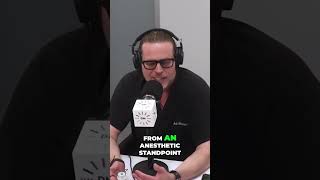
Robert Whitfield MD walks through surgery day from the night before through anesthesia. The night before, you'll take medications to prevent vomiting and nausea. In the operating room, sevoflurane anesthesia is delivered through an LMA mask rather than a tube down your throat, and short-acting pain medication like fentanyl keeps you comfortable during the procedure.
Chapters
Day of you wake up. I Woke up at 6 o' clock and met you at the surgery center. Talk us through the whole thing, how long it takes, what it looks like, complications, all the things.
So. So I will step up and, and we'll talk about the night before. So the night before is really important. And so you're given a series of medications really just to help you get prepared for the next day. So you, you know, Michael has to get you to the surgery center, so the care provider has to, you know, get you there. But I don't want you all ramped up when you arrive. So you take medication the night before for nerve pain, inflammation and nausea. Because we don't want. There are rules, right? No throwing up, no vomiting, no coughing, no sneezing. So we just don't want things that raise blood pressure. So we do all this preventative stuff so that they. You come there, you're pretty mellow, you come get checked in, I get you marked. We had Candace there for you. And then we go back and everything is geared to make the process from an anesthetic standpoint. They're looking at how you're reacting based on what we gave you the night before from our medication profile. And then they're going to run you on typically sevoflurane through an lma so you don't have a breathing tube. Pasture vocal cords, and that makes it easier for you when you wake up, you're not gonna have a sore throat that's bad. Typically you're not gonna have a problem with your voice. And then they use a bunch of shorter acting medication like fentanyl that gives you pain relief until I get the first part done. Now, we did yours through a lollipop.