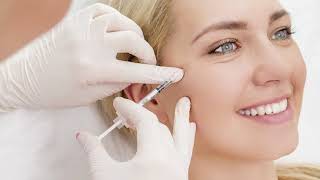
Robert Whitfield MD discusses Botox beyond cosmetics: chronic migraine treatment uses 50-75 units with 60% of patients seeing decreased frequency and severity, while other approved uses include facial neuralgia, teeth grinding, and excessive sweating.
Chapters
The year is 2002. President Bush has called for a ban on human cloning. Salt Lake City has hosted the world's largest Winter Olympics. And the Food and Drug Administration has approved a drug that actually could wipe out wrinkles. You know, Botox. And we all know what's happened with Botox between then and now as far as cosmetics is concerned. But it seems like every year since then, Botox has been used for more and more things.
Very quietly, a migraine will take a huge chunk out of somebody's day or week or life. But it takes about 50, 75 units, which is about twice the usual aesthetic dose. And as it turns out, 60% of patients get a decreased frequency with Botox and a decreased severity. I had a close personal friend who suffered from severe facial neuralgia. The nerve pain was so severe, when he would be in the shower and the cold water would hit the tip of his nose, it felt like his face was on fire. We'll try some Botox and see how you do. And it was dramatic.
Patients who grind their teeth, their faces become rectangular in shape with a Botox injection. Two things you help them from a standpoint of function. Grinding diminishes, significant. And many of them didn't have to use a night guard anymore. And the other thing that you accomplish, the shape of their faces changes, whereby it goes from a rectangular into an oval shape.
And men who are very interested in staying cool and calm in the workplace, they're leaning on Botox for something completely different. They're using it to hide and to stop excessive sweating.
I think those who do, or those who are in markets, either in business or society, where they feel that they have to compete to stay in the.