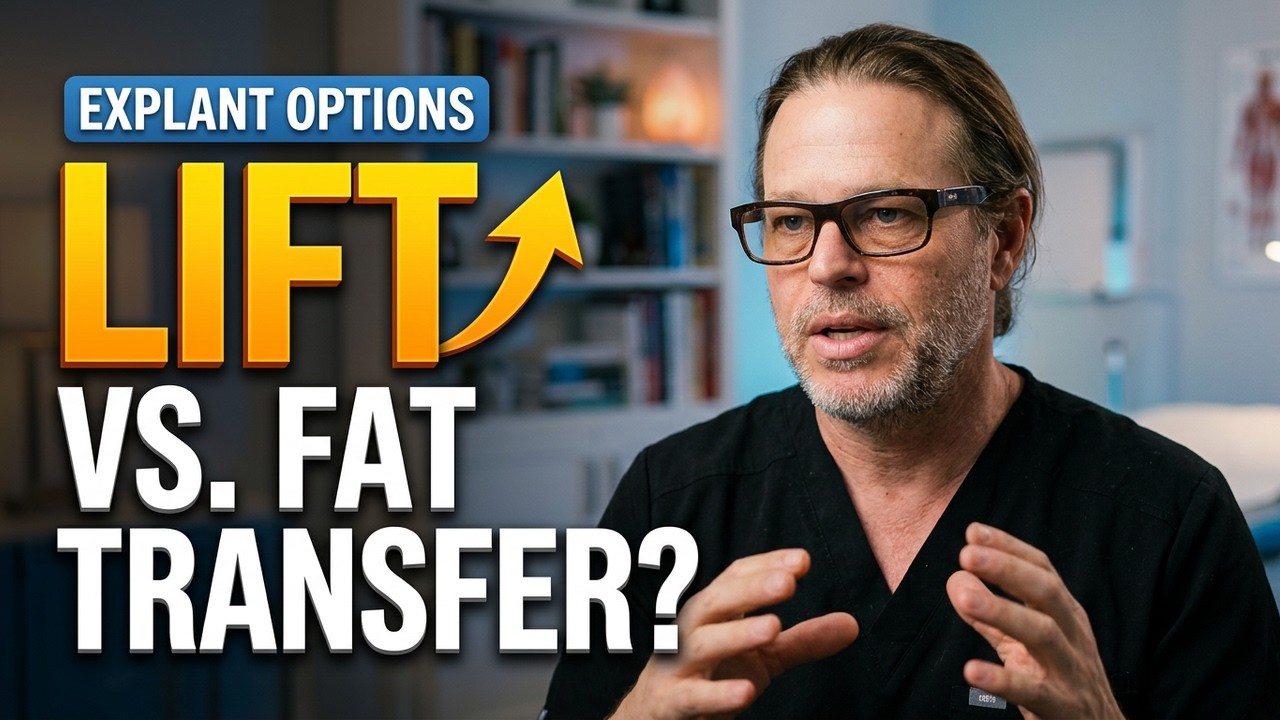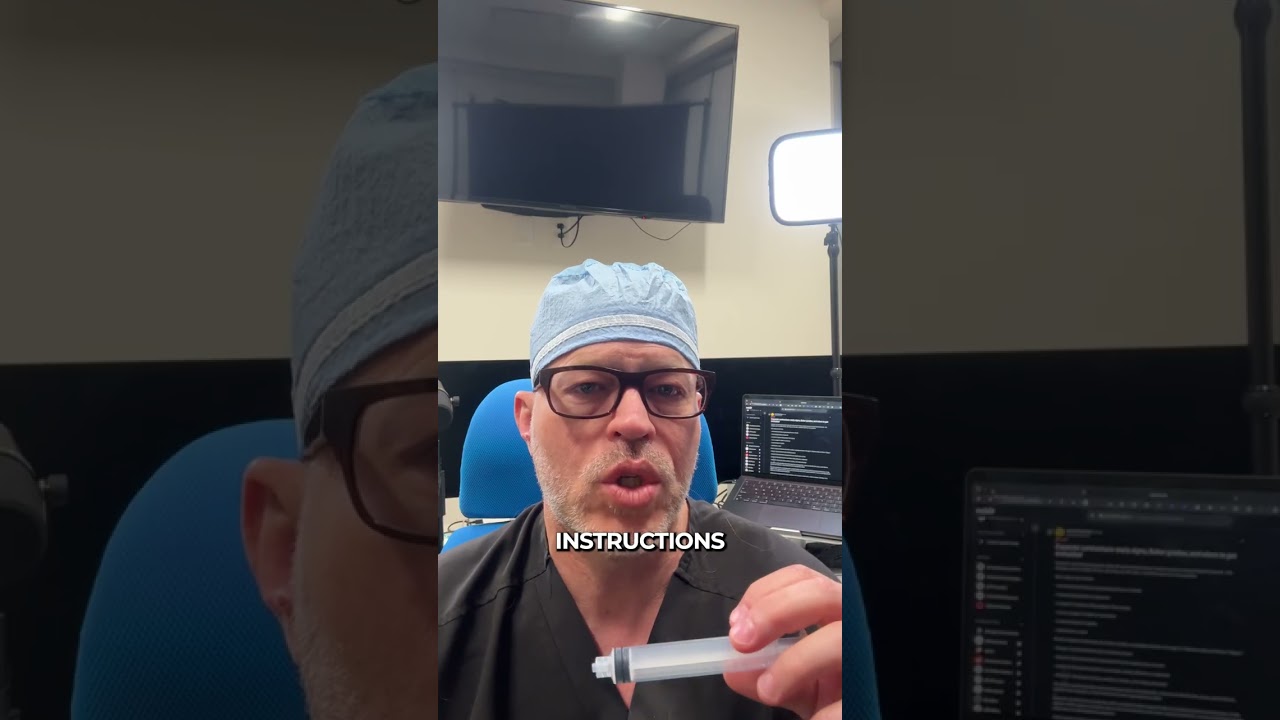
In this video, Dr. Robert Whitfield MD explains why many women are eager to schedule a fat transfer procedure immediately, but he advises a 2–3 month waiting period to optimize outcomes. He notes that only about 50–70% of transferred fat typically survives long‑term, and this survival depends heavily on the patient’s body mass index (BMI), nutrition, healing capacity, and overall health. Fat that survives does so by establishing a blood supply, so the shape observed at three months post‑op reflects the eventual long‑term result. Dr. Whitfield emphasizes that if patients are not in optimal condition, he prefers to delay surgery or split the procedure into two separate operations, giving the transferred fat its own recovery window and improving graft retention.