Robert Whitfield MD explains how PCR testing of breast implant pockets detects bacteria, fungi, and mycobacteria in nearly 700 cases. The organisms living in the scar tissue around the implant, not the implant itself, trigger immune responses.
Chapters
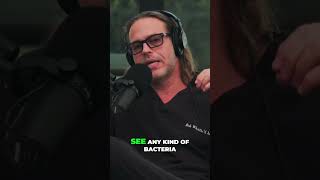
And so we recently submitted a paper for a publication of, I think it's almost 700 of my cases. I have several thousand now of PCR tested samples. Everybody remembers from the pandemic, you go to the antigen test, you get the PCR test like it's now the lingo. So a PCR test is the most definitive way for us to see any kind of bacteria, fungi, or mycobacterium inside the pocket. I don't care about the shell of the implant. That's, you know, not what's important. I want to know what's up, up inside that against your scar tissue. So really what's hugged and, and stuck inside, because that sends a signal to your body. And when your body reacts to that signal, your immune system gets activated.
Do you notice more problems with the different material that the breast implant is.