You Don't Need to Be Sick Enough to Deserve Help with Jessica Brassington
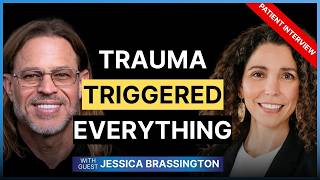
In this YouTube interview, Dr. Robert Whitfield MD speaks with patient‑advocate Jessica Brassington about her decision to undergo explant surgery for suspected breast‑implant illness (BII). Jessica recounts a traumatic personal period, the role of faith and prayer, and how she discovered Dr. Whitfield through fellow patients. She describes the comprehensive pre‑operative assessment at Whitfield’s clinic—including testing for mold, Lyme, candida, hormonal imbalances, and environmental toxins—followed by a CellCore detox program, and the combined explant‑lift‑fat‑transfer procedure. Post‑op, she notes rapid reduction of brain fog, improved energy, and a “glowing” appearance, while also discussing scar concerns and aesthetic outcomes. The conversation expands to Jessica’s broader advocacy: her nonprofit Mama Bears Rising (parental rights, medical liberty, child‑trafficking awareness), her consulting firm Hexagon Strategies, and her efforts to expose pornography‑related exploitation. Both guests emphasize holistic health (physical, emotional, spiritual), patient empowerment, and the importance of sharing experiences to guide others considering explant surgery.
Chapters
I've gone through, like I said, a really traumatic season of life. A lot of what people tell us is, oh, it's hormones or you're in perimenopause. So when I first would look at the symptoms of breast implant illness, at first I thought, well, maybe that's not me. But then as all these little things started adding up, I believe that was the case for me. I needed to address that so that I could start really not only my physical healing, but.
Jessica is a phenomenal patient of ours and tremendous advocates for patients undergoing explant and for dealing with breast implant illness. And she has a really unique story I think everybody should hear because of what she told me. Offline is very important. There can be a lot of things that happen over the course of a lifetime and you never know what thing is going to be the trigger that tips you over to have a lot of trouble. So I'll, I'll let Jessica tell you her story.
Okay. Thank you, Dr. Whitfield, for having me on here. I'm so honored to be able to share my explant journey. So really where mine started. So actually it's. We're right around coming up on the six month mark. I was thinking about that this morning since my explant and I want to start by saying I'm just, I'm so thankful I did it when I did. A lot of my things I'm going through behind the scenes and personal that you won't see if you, if you connect with me on social media. Media could have made me say, oh, I'll do this when, right when my kid, my last kid's grown, when I'm through this phase of life or this season. But I'm so glad that I did it when I did because as we'll probably hear later on in here, I needed to address that so that I could start really not only my physical healing, but healing in some of the things that I'm going through personalized. So I want to start by that for sure. So had my explant in June of this year with Dr. Whitfield, as he mentioned. And so my story is a little bit different in the fact that of other stories I've heard on the show in that, or at least what people have shared in that I've gone through, like I said, a really traumatic season of life, really this last three to four years. But also being 48, a lot of what people tell us is, oh, it's hormones or you're in perimenopause. But when I heard your episode, Dr. Whitfield, about sometimes a traumatic event, and maybe not as traumatic as mine, but it could be birth. You know, giving birth. It could be a life changer move can really exaggerate the symptoms. And so for me, I believe that was the case for me. I heard about you, Dr. Whitfield, through Crystal Jones first and then Allie Jansen. We were. I used to be a faster way coach, and that's how I initially connected with those women. But that's why it's so important for me to share, because if Crystal had not shared and then me seeing that Ali had gone to you too, I may not have known about you. So I'm very passionate about just sharing my journey and, and just being in. Letting women be informed and then they can make their own decision.
Right. I think, you know, and we talked about it a little bit offline, is we do all this just for educational purposes. I mean, the, the fact that someone arrives at a conclusion and you know this as well as anybody, I don't go into rooms and say, hey, Jessica, you should explain. Like, that's a decision you've arrived upon on your own after doing your research and, you know, reading and listening and kind of, you know, looking inward, if you will, and deciding that that's know what you want to do. And then certainly, you know, Ali is a great example. We have tons of patients who have been very open with sharing things as you have, which I really appreciate because you're the most, you know, powerful in terms of sharing your experience. That that just helps other people.
So for me, I'm a Christian. My faith is very important to me. And so as I'm going through all these different trials in my life, and then also the health symptoms that I had, on top of that, I really was praying and asking God to show me, you know, what, what is this? Some, some things I'd heard about breast implant illness along the way. But because, and I share this at the beginning, I'm one of those who, after talking to a lot of people who've experienced this, my symptoms were not debilitating. Right. Like, I was able to go on with life. I was able to do these things. So, and obviously that's a blessing. But then also I feel that a lot of women can be deterred because we feel like, oh, well, I'm still my life. I'm able to, you know, move around and do the things that I want to do. I really was under the radar. So when I first would look at the symptoms of breast implant illness, I. At first I thought, well, maybe that's not me. But then as all these little things started adding up and I began praying and asking the Lord for guidance, he just started connecting the right people and in places. And then that's where I saw Crystal Crystals post. And the really cool thing is, and I share about censorship and a lot of different things in my advocacy life that you may or may not be familiar with, but I. So a lot of people, I even reconnected with someone literally two weeks ago and said, jess, I don't know what happened to you since 2020. I never saw you online. And they. She started seeing me again. But my point of that was then I saw Crystal's post and I hadn't seen her post. Who knows why? From the algorithms.
Yeah.
So I just, you know, like I said, it truly is a blessing that I found you. And. But what I do in my advocacy work is I'm here to inform because at the end of the day, we can't abdicate our health to the government or, you know, professionals, you know, in the healthcare industry, because we're the ones left with the consequences. And so, yes, I arrived at this on my own accord. I had breast implants 15 years ago. But, you know, one of the things is, I think a lot of people don't think about when we're on the front end of that is they tell you they're going to have to be replaced. Right. But I think they get busy, life goes on, especially if we have children. And so I just want to share for people to think through these things that I wish I had been told or had someone to really help me think, think through these things and ask those questions of myself.
Yeah. You know, and so what we did for Jessica was what I would like to provide in terms of alternatives for patients where they've probably not been told about or informed about the. The risks and benefits of doing a fat transfer. And I had done several thousand fat transfers for cancer patients prior to focusing on and, you know, kind of expanding, you know, explant and understanding, you know, through our programmin, what can contribute to breast implant illness, whether it's, you know, environmental toxicity or genetic predisposition or chronic inflammation from the device from bacterial contamination. All the things that we've already, you know, discussed on our show and appearances I've made on other shows. But to circle back, there's a group of patients who probably have explained about what a fat transfer can offer initially that would have been fine in many instances for patients, a, you know, fat Transfer with or without a lift is not a complicated thing for me to do or someone like me to do. If, in fact, you know, that was discussed with you, probably wasn't. But then when we did your surgery and did an explant and uplift and a fat transfer, it's a very, you know, it's a hard set of variables to control, to change the shape of the breast, to take out a bunch of volume, add volume back all at one time. And so I. I feel like a lot of providers don't want or don't feel like they can offer that all at one time. Now, you know, about my, you know, program in place, and all the time and effort we've put into trying to not just create the best experience for the patients, but really try to identify, like, preoperatively, what should we do to help Jessica have a better outcome? And, you know, once you've made the decision, like Jessica made the decision, then what kind of things, you know, are in play to help you get the best outcome? Because I want everybody to have the best outcomes. I. I don't want anybody to, you know, make that decision and then feel, you know, stuck or they can't get, you know, what they want. And obviously, there's a lot of things that go into it, of course, but, you know, maybe touch on that, because a lot of people don't. There's a lot of things that have to go through your mind as a patient before you ever get to me. And then, you know, in a discussion with me, and you're like, all right, this guy's not completely crazy, but, like, what. What can he do? Actually?
Yeah. So, well, talking on the fat transfer, that option was not made available to me. But so back to. Back up a little bit, when I had my. My breast implants, I have three daughters. They are now 21, 20, and 17. And I breastfed all of my girls. And I like to say that I told you this, Dr. Whipp, but I think when I went in for my consult, it really. I just felt like my third child really did a number on my breasts. You know, she would be nursing, and my toddlers would run in, and she would, like, yank my nipple with. With her to look and see who was coming in the room. So it was a lot of interesting times there. And so I really felt like. And I would joke around and say, I just feel like I have two chicken nuggets with nipples hanging off, you know, and it was like, I. I think, you know, I. I didn't. I actually got the exact same size I had most people friends when I shared about my explant, they were like, you have implants. They had no clue. So I think one that's a lot of misconception that people that, you know, all women that get implants get very large ones or they get them, we get them for all different reasons. So.
Right.
For me, I just wanted to feel a little bit more feminine again. And I'll go in a minute and share now on the hindsight of how I do see femininity. I see it in a much different light, but so I wish that would have been shared, that option would have been shared because I had some fat to spare for sure. But now back to what you were saying. That is another reason I chose to go with you because I have mama bears rising and that's advocacy and I do legislative things. But before that I was unprocessed. Jess live life less processed. And I've shared about GMOs and things in the sky and our water, which are thankfully very popular now becoming mainstream, if you will, with Maha and RFK Jr. And so that was very important to me. And so when I started looking after finding you and binging your podcast and loving that we could geek out as much as we wanted on the science or just go to like day to day talk about it, I love that you took that approach because as you know, and I knew in holistic health, it's all things interconnect. So it's not enough. Yes, obviously, you know, take, take out, get to the root and take out what's causing the symptoms. But then it's your emotional, you know, your spiritual, your physical relationships, all of that. So when I really dug into you and your team, that is what did it for me. Because you're sharp. I started with the sharp, you know, buying your sharp book. And it just really spoke to me and my values in alignment. And so I started with Cellcore Detox. I think it was actually in January and my January, February, and my surgery wasn't until June. And so like you mentioned, it's not just a fix. All right. We like a lot of things in life we didn't get here in a day, and so it's not going to be fixed in a day. But I love that approach. And you truly took a holistic approach. And then also as I made the decision to get the explant and started looking, there's a lot of people, you know, that you could say, oh, well, I could have gone to someone. You know, I live Outside of Houston, I could go on to so and so outside of Houston. But for me, it was important to go to a surgeon who does not do implants any longer. And this is just my personal preference. And that, you know, and so also that looks at everything else because this is, it's physical, but it's also an emotional, very emotional process. So I just really wanted someone who could support those different aspects and help set me up for the best surgery possible. And so, yes, I started on cellcore January or February. I'm on phase four now. And so that's all of that factored into why I chose you and your team.
I think those are important components. I don't, you know, from outside in, people don't know how we run. So we'll, you know, we have 20 full time employees, we have a whole group dedicated to taking care of patients preoperatively. So unlike, you know, how I was trained or, you know, most surgical training is where you see a patient, they have a problem, you want to provide a solution to that problem for them surgically, and you set that up. They go through their basic blood work or heart workup or whatever, you know, preoperatively. That's traditional. Ours is, is, you know, that, you know, 10x basically, because what we're trying to do up front is identify what are the things in addition to what you're coming to me to have done surgically have got you in this predicament. So is it a chronic stress situation? Is it a environmental toxin situation? Is it a mold exposure? Is it Lyme? Is it parasitic? Is it candida overgrowth or Sibo? Is there some kind of serious problem with your diet? Do you have dysregulated eating? Do you have all these other things in addition to maybe being Perry or postmenopausal? Are you experiencing, you know, a lot of hormonal imbalance? Like if you start to unravel all the things that can contribute to why somebody feels as bad as they may feel, then and only then, I think will you make a, a substantial impact on them, you know, personally. Because me doing surgery is not going to solve all your other problems. I know that. So I don't, you know, I don't spend any time patting myself on the back that I'm going to solve all this with a case
and everything's better. Why not? Come on now.
No, no, better than that. Especially this case. This is a tough one, as you already can share with patients. So to Jessica's credit, she's not saying the, you know, the quiet part out loud, and that she spent a lot of time working on herself before she showed up to my clinic and my team to then go through a surgical procedure. And the more time maybe you spent, you know, working introspectively and trying to get things in order, you know, that helps you then in the period after surgery and in the period where you're recovering, be better positioned, you know, mentally, you know, emotionally, just to handle the change. Because it is a big change, obviously, and it's. Jessica knows that, and everybody should know this. Like, almost at every level of my clinic, our nurse practitioners had an explant done by me. My detox team has members of the team that I've done their explants. And administratively, I've done explants in our clients. Every level of our clinic has somebody who can share a firsthand experience, not with just having had an explant procedure, but had had it done by me and then was taken care of within our system. So that they can explain to you, like, okay, this is why we're different. This is what we do, and this is how we expect you to be able to come in, be taken care of, to, you know, get back to a state of wellness that, you know, we hope and want everybody to be able to accomplish, you know, new work. As, you know, obviously, we have a lot of people working all the time with patients to help them so.
Well. And I also want to say that back to what you were saying. It. It really is so many, so often, and a lot of times, not all the time. Everyone has their own story. And. But for me, it was aesthetics, right? I wanted to look back to how I was and. And even then, I mean, I didn't. Looking back now, I didn't look how I was totally the size was similar, but it. Now that I don't have implants, I'm like, oh, it's not supposed to be two, just balls stuck on your chest, you know, I was like, and I really want to. I want to talk to this, because I think a lot of women will be fearing this, like, what is it going to look like? Because I honestly didn't really know what a woman in her 40s, like, a breast would even look like, because the implant obviously is. Is rounded on top. I did choose to get a lift and fat transfer when I. When I went in. And I will say, and I know that your office said, like, it's. I'm only six months in, but I love my breasts. I love that they're, you know, it's A natural shape for me. And you said, it's only going to get even better. And scars, I was mortified of the scars because when I had my implants, they went in through the underarm, so I didn't have any scars. But I'm gonna say honestly with that, I mean, they are in my case, and everyone's different, but I was just scared to death about that. And honestly, my scars are doing great. I'm doing what I. I just listen to your office and do all the things that I need to do. But when you were saying also about the process, I think at least on my journey, a lot of people will say, oh, my goodness, the price is so much more. But back to my point of saying, a lot of it's aesthetics, but what about investing in ourselves? So it's very interesting seeing the coming out right from the going in part. It's like a lot of people will spend money on our face and cosmetic surgery, and that's okay. But then when it comes to the other side, and it has to be internal and maybe some things we can't see externally, and it's a big deal and people are hesitant. But I just want to encourage people to take this and invest in yourself, because this is your health, this is your longevity. And so to me, yes, it was a lot more expensive than if I just went to some surgeon who still does implants and can take them out and just do that. But to me, it was the whole experience. And then also, not everyone is in. Like you said, you, and you're so good about this in your podcast, is being emotionally ready not just for the physical, but the emotional experience you go through. And in my case, I didn't have, you know, a supportive partner who really, you know, believed that maybe it was connected to this. And so I chose to invest in myself and do that. And I have a great support system. And I think it's so important. And, and really knowing that your team had. Had explants from you, that's reassuring as well. So I just encourage people listening that if they are going through this, to reach out, find support and invest in yourself, because your health, without your health, you know, what do you have? And so also when I said believing about the right time, the right place, and God, just really bringing me people a little bit. After I had met, done my consultation, I connected with Brigid Rasmussen. So she was RFK Junior's chief of staff and then founder of maha. Wonderful lady. And so I'd mentioned you to her, and she told me about we just kind of talked through that as well. And so that's important to me, you know, and so I felt like God was just showing me, like, different people in my life. And I connected with Andy Liu, who had had an ex girl plant. So, you know, I just encourage people, whatever you're going through, I just think society so much is on the outside and the aesthetics of things, which are important, but these are so many things that you may not be able to see on the outside that will transform you when you're given the chance to be healthy. And when I did your. Is it the total talks burden? I just want to say I was floored at the levels that I had of toxicity because, like I said, I shared about GMOs years ago, and I thought I lived a pretty clean, you know, lifestyle, but living off of golf courses throughout my life and just different. Just environmental toxins, I think that was something that was so important. And I would do blood work. And actually thinking about it now, like, when I knew that my symptoms were getting worse, I had done blood work, I think about four months before I came in to see you, and she had asked me. I remember her asking me, oh, you know, I know you're going through a stressful time. Have you been drinking more than usual? And I said, well, I don't drink alcohol, like, at all. And she said, okay. And she was like, well, it's okay if you are. And I remember saying, I know, I'm an adult. It's okay if I drink, but I don't consume alcohol. And she starts telling me about my liver levels, stuff with my liver and different things. And. And so she. There were some other levels that were off. And so she was offering supplements and things. I just remember thinking, okay, I want to get to the root of this. I mean, that's what I'm part of, what I'm passionate about. So I think even if you live a quote unquote healthy lifestyle, you can have toxins. And then it's one of those, duh moments. When you think about it, this is the only thing that I'd done that was not natural. Right. I don't do anything with my face or different things, but it's kind of one of those almost with embarrassment, I think, or shame and guilt when you're in the holistic space of like, yes, duh. Obviously, it's not a good idea to have something foreign in your body, that silicone. But it's just, you know, we live and we learn and grow, and I wasn't on My health journey when I got them. So I just want to. I think that's important, too, Dr. Whitfield, to share. Like, there can be shame and guilt, right? Especially with the mahogo and mainstream. It's like, look, we're all doing the best we can, and just when you know better, just make those changes. So.
Yeah, and. And to your point, I. I think overall, we're in this period of time where what you're saying is becoming, you know, more and more the norm, where it's not in alignment. You know, it wasn't in alignment for you, and it wasn't. And it's not in alignment for a lot of people now. They made decisions, you know, 10, 15, 20 years ago they wouldn't make now because maybe they were told something different or just doesn't make sense to them now. And to your point, like, you had two hyperic acid, methyl hyperic acid in there, which is from a pesticide. And there's all these reports that keep coming out about people being, you know, more susceptible to different illnesses if they lived in proximity to golf courses. And I think, you know, overall, everybody just has to be acutely aware of there are herbicides and pesticides, and these things get into us either through our skin or we inhale them. But it's not like you're intentionally going out to get a problem. I mean, it's just part of living, and you get exposed to different things. Now, the reason, you know, we spend so much time working it up in our clinic is we want to make sure that we guide Jessica and all of our other patients, and the best way to either get that out of their system through, you know, homeopathic detox with Cellcore, or if we have somebody with a bad mold exposure, we have a specific pathway for that and then have all these patients just as good like you that want to come and have a fat transfer. So we have to be very critical of who we offer, how we offer, what our expectations are, trying to really set everybody up for success. Because it used to be you could only take advantage of our programming by coming here and being my patient. You know, now, I. You mentioned my book. I published the book about the Sharp method, and I published the book about, you know, breast implants and explant surgery and breast implant illness so everybody can understand more of how we have, you know, the work we've done and what we have, you know, to share. And now we share Sharp programming, you know, remotely. Because, like, to your point, a lot of people can't come and Travel, it's too difficult. They have no help or whatever the situation is. So now people can come basically visit us by just doing it virtually and working with, you know, my team, you know, Chelsea and Gina and all of our providers that run the detox program. So it is more accessible now. So that, you know, what Jessica's doing with cellcore is a very important component of how we feel. Patient should recover, because if you don't, like, she wouldn't know that she had this chemical in her system. And then I don't know if you would ever, you know, quote, unquote, achieve the same amount of wellness if you didn't know that and go through the process. So I think it's important that you try to, especially in this time frame with as much going on, as much as there is in the, you know, growing literature in the health movement, that we look at these things and then try to do our best. Like you said, I mean, it's just. It's a lot.
It is a lot. And I think with everything just given today's just our world, you know, whether it's our political climate, our social media, all the things that we're doing, everything is a lot and overwhelming. And so if you can do one thing to start getting you down that journey, and there's so much we can't control, but then there's also a lot that we can control, right? We control ourselves. We can control ourselves and what we do and how we choose to make our health a priority. And so I just think of all the money over the years and even the last couple years that I spent just one offs, right, buy this and you have a symptom, and you buy this or buy that. And to have a total complete picture of me specifically, I'm not just shooting darts and hoping it's something for me, but I really felt through this process, and I still do with your team, that this is designed for me and what I'm going through. And I just feel like it's such. It's a better outcome that way because we. We have so much information come out coming at us on the daily that it's important to say, okay, this is customized for us. And I've sent some friends to you, actually, like you said, just for the blood work and the. And the cell core. That's definitely worth it as well. And so I do want to share too, though. Even I'm thinking three days post op, you know, I stayed there in Austin and I started feeling. My brain fog just started going away. I would Say that was the first noticeable thing I had gotten to where I would try to say something, I'd look at someone and the word would not come to me. So that was really scary to me. And then also I started seeing people after my recovery and I've had people I didn't know and people that I've known just said, jess, you're glowing. So it's like, I don't know if it's, you know, I'm thinking, well, yes, that's obviously having this out because I believe you said I had. Is it called gel bleed you found? A little bit, yeah, you know, gel bleed. But not just that, but I think really just the transformation of myself, it gave me so much more courage doing this to really open myself up to that new season stuff I knew God was calling me to do, but were holding me back. And I truly, my countenance was glowing. And so that just showed me, yes, this was the right step for me and it's only going to get better from here. So I wanted to share that because I know it's not an easy decision. It can be costly. You have to think of time if you have children or pets, you know, I, you know, had to do all of those things, but I don't regret it one bit.
So I'm glad you showed it that way because I'm super respectful of all that. And you know, I too have a 17 year old daughter and a 20 year old son and it would, it would be a lot for us to have to do things and organize, you know, the logistics and, and that is a big deal and we've tried to make it so that, and what you're describing, the transformation you've had is exceptional and that's certainly why I wanted to have you on to discuss it because I know you're extremely rooted in faith and you're very, very open with your experience and your journey where I, I think it's hard for some to share, obviously, I think, you know, and I don't get online and beat the drum about how we have the best this or that or the other. I think, you know, we just let the work speak for itself and the patients who we take care of, we let them share because I feel like that's really the best way for things to, you know, be done. I don't, you know, I, I'm very proud of you and your journey and our other patients who have shared and the folks who haven't been on that we hope to have on who have been our patients and Advocated for the program, of course, and advocated for this for women to improve their health and wellness.
Yes. Thank you for that. And then that is something that, as I've started sharing, women that I didn't know, a lot I've known, I believe have already visited you and had surgery and some others will be visiting, but women that maybe saw where you've, you've shared my stuff on your, your social media, that we've connected and just to be able to reach out to them and have someone who's gone through it and now I can pay that forward to them, is huge for me. And they've had, they've all had the same experience that I've had. Once they've had the explant, they're so happy that they did. And so, yes, I mean, we have the power to share. Right. With all the negative things about social media, there's so many wonderful things. And so that's what's important for me to share and just connect and, and just to know that there is, you know, once again, in today's climate, you know, there is kindness and humanity that's being used for good. And I'm just so thankful that you're willing to be a big part of that and go. And sometimes we can, you know, for what you're doing for health and for all these things. We know that we're no stranger to attacks or to stuff that's been miscommunicated, but we're truly just doing what. What we're meant to do to make an impact. And so I appreciate that because it's not easy.
Just got to keep, just keep putting in the work. That's all right.
Let your work speak for itself. And, and I think you're doing an amazing job and so is your team. So thank you because y' all have truly helped me. You've played a big part in transforming my life. And this new season of life I'm going into with what could have been a really, you know, hard time saying it's not what I thought life would look like, you know, now starting a new season and being, you know, a single and doing something new. And it's even given me courage to do a new business and, and to help others. So thank you so much.
Yeah, let's. Can you just enlighten us about all those things? Because certainly you have been with Mama Bears Rising and your advocacy work at the forefront. What are your newest ventures to help with that? I know you're involved with a lot of non profits and consulting.
Yes. So thank You. So Mama Bears Rising is definitely my give back. That's my philanthropic arm. And it's, we do a lot of advocacy for. It's parental rights and freedom here, medical liberty, as well as just helping parents navigate the systems, whether it's issues that they're having with their children and the legal system, and also behind the scenes doing a lot of stuff in the child trafficking area. So those are a lot of heavy topics. Right. They're necessary and there's so much that goes on behind the scenes. And so that definitely is my philanthropic give back and I'm passionate about that. But through that journey, I've been able to meet some amazing people, some of whom I've mentioned already on here. But just seeing behind the scenes and knowing that it's not easy to navigate. So after this, in my new season of life, I was approached by someone and they said, jess, you know what you're doing, a lot of it is advising. You're just doing all this for free. And I was like, okay. I mean, I'm passionate about it and, and I will continue to do that. So I have started a Hexagon Strategies and it's consulting and advising for government relations and business strategy. And so I'm looking forward to making an even bigger impact in the lives of founders and non profits and corporations who are mission driven and want to make an impact, but they're starting to see it's, it's not always an easy path. So like I said, this has truly given me the confidence to step out and take that next step.
Can you. Because there are a lot of, and I've been exposed to recently, many, many nonprofits and entities supporting, you know, exposing human trafficking, exposing pornography and how it affects children. And I mean, can you just speak a little bit about that? Because I don't think there's, it's not that we need to raise awareness about it. That, that's, that's basically, you know, it's, it's a horrendous set of circumstances that, you know, children and women who are most vulnerable, teeny, tend to get exposed. I don't want to say it's only women and children because young males are particularly susceptible to pornography online. And that leads to all sorts of other problems. So maybe just speak to that for the audience because I certainly want to shed as much light on that and provide support or exposure wherever I can.
Yes, thank you for that. And it is, it's one of those things that it's uncomfortable, right? It's uncomfortable to talk about. There's a lot of guilt and shame carried around that. But if we don't expose the light, especially me as a Christian and a believer, we are called to shed shine light on the darkness. And so there are great organizations out there. No trafficking zone. Jacqueline Aloto is one of my very dear friends. You can look them up there. She's started outside of Houston, doing great work. And then Yaakov Booyens Ministries does a lot. He's out of Dallas, but does stuff on a national scale. But you know, when you're talking about it's not, it's not just for women or children, it's for men and young men as well. I have, like I said, a daughter that's 17, and I was just talking to her and some of her friends about it, that, hey, if you're ever in a situation, please let me know. And because we, we just heard of a young man, a young teen male that, you know, committed suicide because he had been approached by people online. And what they do is they have them and male and female do things online with them. And then they say, if you don't give us money, we're going to tell your parents, we're going to share this. So it really is a very serious issue. It does not know, you know, doesn't know geographic bounds or socioeconomic. It affects everyone. And I think one of the main things to know is that it doesn't just look one way. It's not always sometimes, but it's not always just you're taken and then trafficked. And that does happen. But it can also look like, you know, a quote unquote relationship. And that's hard for people to get their minds around. And that's what's called a Romeo, where they pose as their your boyfriend. And then once you're attached to them, they end up trafficking you and it's hard to get out. And so I think it's important, just like the topic we're talking about today, to just talk about this and learn more about it. And especially so parents can be comfortable talking to their children about it because they're targeted online and they're not always. Most of the time they're not even looking for, like you said, porn or looking for these things. But they know who to target. And porn has just devastated so many relationships. I shared about that before Mama Bears Rising, I had a podcast called Naked Talk with Jess. And I would just have very candid conversations. And porn, in case you don't know, it's not real sex. You know, it's A movie. It's, it's put together.
Right.
I talked about, you know, I would talk about the, your. I did a whole series called love your labia because if you've ever watched porn, you don't understand that a lot of them have been, you know, had plastic surgery to their genitalia or if it's bleached. And so that really affected me when I did watch porn in college with one of my boyfriends. I thought, hold on now, like that doesn't look anything like mine. And it just really, it just really made me think, you know, what is my body supposed to look like this? So right.
Further distorting body image, which is already
a problem and it's not even real. Right. You don't understand that as a viewer. But now that was me in college. So now think of a child that is watching that and what it's put in their mind. And so I think just like we said earlier in the show, we have so much, so many negative things about social media and we're so connected let yet we can feel alone A lot of times it's just something we need to bring, bring light to and have these conversations as adults and then with our children.
Yeah, I mean the, you know, I said I have a 17 year old daughter and I'm just like those types of things are as a parent have absolutely mortifying. And you know, I felt terrible that young people and their parents, you know, obviously have to, to deal with that is very all disturbing. But got to talk to your kids, you got to have relationships with them and you know, be transparent, you know, if they're having trouble, like they should feel like. And that's, that's the thing that bugs me is they don't reach out to their parents and then that happens and then it becomes, you know, obviously very difficult situations.
So, and that's what My daughter, my 17 year old, she had friends giving at her house. So we had about, I don't know, 15 or so kids, teenagers there. And that's what she told me after she was like mom, I would go to you with that. And I said, well, but it could be because I'm so open with a lot of things, just body in general, you know, our bodies and health and that she knows I do this. And so yeah, I mean I think there needs to be a lot more conversations for adults. One, so we understand it and two, so we know to talk to our children. And when I had my naked talk with Jess podcast, one of the questions I would always get from parents is like, well, I think my kids are too young to talk about certain things. And I said, if your child has access to social media and, or any other friends who might have it, like, you know, do you want them to hear about these things from you, who loves them more than anything in the world, or from people that are maybe, you know, seeing it on social media? So I think if we can, as parents look at it that way and then get some resources, obviously age appropriate. But just like you said, Dr. Whitfield, it's so important that our children can come to us and that they, they know that they can trust us.
So absolutely, you have to like, I can be a hard ass, but like, my kids can always tell me anything. I mean, and I' listen, I'm certainly like that kind of, you know, circumstance. It's easy, right? You can see how it happens. It's very people vulnerable and then, you know, they feel like they're going to get extorted for money or threatened with their family's reputation or what. It just becomes like, obviously very easy to see how that you go down the rabbit hole very quickly. So.
Yes.
Well, I certainly admire you for all that work and, you know, encourage everybody to reach out to and follow Jess. So Jessica, what is the best way to follow you for that work and on your sharing on social media?
Okay. On Instagram, I'm Jess J. S S Brassington and that's B R A S S I N G T O N And I'm on there pretty much Instagram for now. I am going through some personal rebranding and things like that, but I'll be sharing a journey on there. And then also you can find me at Mama Bears Rising. And it's M a M A Bears with an S Rising.
Awesome. Thanks for coming on today and Sharon, I really appreciate having you on Jessica.
Thank you. Thank you, Dr. Whitfield.







