The 49 Questions Film Crew Asks Me (After 25 Years Producing)
YouTube video transcript of Rob Perkins (producer, ~25 years) answering the 50 most common questions film crew members ask about getting rehired, career development, and managing irregular freelance income. The speaker gives rapid-fire, producer-perspective advice covering set behavior, mindset shifts, budgeting and investing, networking, and problem-solving on set.
Chapters
After nearly 25 years of producing commercials, documentaries, films and more, and hiring thousands of film crew members across the country, I've noticed something. Almost every single person asks me questions from the same 50 questions. How do I get rehired? How do I make my money last between projects? How do I build wealth when work is so unpredictable? So today I'm answering all of them. Rapid fire, straight from the producer's point of view. You asked me for longer videos so that you can listen in the car while you're cooking or packing your kit for the next shoot day. So this one's made for you. Just turn it on and let it roll. I created this channel to help film crew get more work, build wealth, and actually enjoy the life you've worked so hard for. So grab a coffee or keep driving wherever you are, because by the end of this video, you're going to have answers to the 50 Biggest Questions crew ask me every single week. Lets take action. Question 1. When a big check hits, what's the first thing you do with it? Well, I break it into buckets, taxes, essentials, which includes utilities, credit card payments, gas, groceries, then my freedom fund for Amazon purchases, dinner, entertaining, pizza, of course, and then savings and investing. I treat savings and investing just like a bill. I would not ignore my power bill, so I don't ignore my savings and investing. The faster you separate it, the longer it lasts.
How early should you really show up before call time? 15 minutes early is the sweet spot. It shows you respect the job and gives you a buffer before the chaos starts. But don't show up too early and accidentally wake up a location homeowner or start the clock on the soundstage. Recently, an ambitious grip got to set super early, flipped OMs and lights and started organizing cables. Unfortunately, he started the clock on the soundstage and the stage went into overtime even though the shoot did not. I respect that ambition. But ambition has to be slowed with situational awareness. Question number three. How do you stay motivated when work slows down? I treat downtime like pre production for my next opportunity. Organizing contacts, learning something new, staying sharp. Here's a pro. I reach out to people that could potentially hire me while I'm busy, so I never have to sound desperate during a lull. Question number four. What's a mistake that makes people lose? Callbacks, Overstepping. There's a fine line between initiative and interference. Help without hijacking. What's one small move that actually gets you rehired? Anticipate problems before they happen. I tell the members in my coaching Program to look outside your lane and help others quietly. Producers remember the people who make the day easier, not louder. Question number six how do you make a great first impression on a new crew? Just be helpful and kind, jump in where you can and make the department's life easier. The best impression isn't what you say, it's how fast you make the day smoother for everyone else. Question 7 what's the best way to recover from a bad first day on set? Whoa. Well, you gotta own it fast. Don't make excuses, acknowledge it, improve on yourself and show up early the next day ready to roll. People respect recovery more than a cover up. After hiring thousands of crew, I can tell you the recovery matters more than the mistake. Question 8 How do you deal with imposter syndrome on set? I feel it sometimes, even after 25 years. The trick is remembering everyone's figuring it out as they go. You don't need to know everything, just how to solve problems fast and stay calm when others panic. On bigger sets, that calmness is what separates the pros from the pack. By the way, this channel is really turning into a community, so feel free to comment or ask questions. We are all just figuring this out together. Question number nine what's the one mindset shift that changed your career? I stopped thinking like an employee and started thinking like a business. The day I treated myself as the product with value, strategy and systems, my career took off. Think about it this way. You're not looking for work, you're running a business. Question 10 what's one boundary every freelancer should set early? Don't text producers or anyone else for that matter about work at 11pm or 6am you should know that one already. So I'll say don't take jobs that drain you just to stay busy. Protect your time and energy. It's your most valuable currency. Question 11 how do you keep confidence high when you're not booking that much? I remind myself that every slow period is temporary. I don't reach out to people during the lull because I did that when I was busy. Instead, I spend time with family, update my systems and learn something that will give me an edge. But my bag's packed, so when the right call comes in, I'm on my way.
How do you deal with ego or bad energy on set?
Stay calm, stay kind, and let your work speak louder than the drama. The pros always remember who kept it together. On bigger sets, this gets amplified because the calm pros are the ones who get rebooked. Question 13 what's the biggest money trap freelancers fall into early on thinking that the next check will fix everything. It never does. What fixes everything is building a system before the chaos hits. Budget, savings, automation, all of it. Question 14 how do you stop comparing your income to other crew members? That's easy. Remember, you're running your own race. You don't know who's drowning in debt or working 80 hour work weeks. Focus on your version of stability, not their highlight reel. Don't let Instagram posts fool you. Question 15 how much should I keep in savings between shoots? This is one of my favorite topics. Enough to cover at least three months of expenses at minimum. Work towards six. That cushion turns panic into patience when the phone goes quiet. Believe it or not, you can actually save too much. If you're saving and not investing, your chances at wealth are slim to none. Oh, and make sure you're managing your credit card and other high interest debt along the way. Question 16 what's one mindset shift that changed your career? I think it was the idea that investing is not gambling. It's a plan. If you have a simple, well thought out diversified portfolio, it's the opposite of risky. I've taught this to so many crew you don't need to pick stocks, you just need a system that grows quietly in the background. I learned this late, which is why I'm so excited to share what I've learned to make the film business a better place for all of us. There's nothing better than showing up on set with the confidence that you don't need this paycheck to pay the bills. Question 17 Do I really need a budget when my income's all over the place? Actually, no. Surprised to hear me say that? Don't get me wrong, you need to know your numbers, but the detail some people put into budgeting is overkill. Know your income, know your expenses, and follow my 50 30, 20 rule. You don't need to make a meal out of it. Question 18 how do you negotiate rates without sounding greedy? Well, we really don't negotiate rates in the film crew freelance world. But when you're ready for a bump, organize your reasons and just state your case. If you're well liked and easy to work with, you'll be heard. Check what others in your position are charging. You want fair, not foolish. 19 how do you deal with ego or bad energy on set?
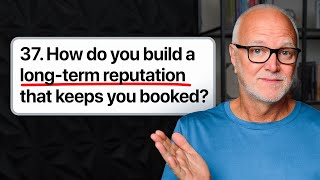
Didn't I do that one already? Question 20 what's the right way to ask for feedback from a department head? Keep it short, respectful, and after wrap, say something like Hey, I really value your opinion. Anything I can do better next time? That humility sticks. And it's a big part of what I teach in my Download the free First Call framework because the way you handle feedback is part of how you get called first. Robperkins.com Firstcallframework for your free download question 21 what's the fastest way to move from PA to your dream department? Figure out which department you want to be in and then start helping them now. If you're a PA who helps the camera team rap faster or grab sandbags for the grips, they'll remember proximity gets you promoted. Be clear with the production manager, though. Let them know you're here to do PA duties first. But when you're between tasks, you'd love to observe the department. Stick to your word. Do what you were hired to do first and foremost. Every jump I've watched happen started with clear communication, no surprises. Question 22 was something that instantly earns trust with a producer. Just be dependable, proactive and calm under pressure. That's the trifecta. Producers remember crew who solve problems without adding noise.
What's the best way to stay in touch with producers after a shoot? Keep it simple. A quick text like, hey, great working with you. Hope the edit's going well or has our project aired yet? I'd love to see it. That goes a long way. Stay on their radar without hovering. Better yet, learn something personal about them during the shoot. If they were, say, planning a vacation or buying a new car, you can ask them about it later. It shows that you listened. And here's a producer secret we remember Thoughtful follow ups more than generic. Keep me in mind. Emails24 how do you say no to low budget gigs without burning bridges? Thank them for thinking of you. Explain you're on hold for another project, but still hear them out. You know, I once got a Facebook referral rare right to produce a short film in the Florida Keys. Every instinct said don't do it, but something about the camaraderie felt right. We wore a few hats, we pitched in like family, and it turned out to be one of my favorite experiences. Question 25 how do you bounce back from rejection or ghosting? You just have to accept it, learn from it and move forward. The fastest way to bounce back is to book your next win. Don't take it personally, take it professionally. And maybe we do never fully bounce back, we just get better at making peace with it. Number 26 how do you get recommended for jobs when you don't know the producer personally. Be unforgettable to the people that you do know. Treat every PA coordinator and assistant camera operator with the same respect that you would give a producer. Referrals often come from where you least expect it. Number 27 what's a small thing you can do on set that makes department heads remember you Anticipate what they need before they ask whether it's a tool, a C stand or a bottle of water. Showing that awareness tells them you're ready for bigger responsibilities and be their first call if you are not already. Number 28 should crew members have an LLC if you're working regularly, probably yes. It keeps your business income separate and adds a layer of protection and makes taxes simpler. Just make sure it's worth the cost in your state before you jump in and ask a qualified accountant if it's right for you. If you'd like a video specifically about this, leave a note in the comments and I can see if I can make that happen. Number 29 what do I track for taxes and write offs? Anything that supports your career mileage, meals on the road, software equipment, even subscriptions that help you work. If it touches your job, track it. I even count every book I buy and online courses too. But talk to your accountant about anything that could be a red flag. If your accountant doesn't understand kit fees and per diems, find one who does. Do I need a separate bank account for my freelance income? Absolutely. Mixing personal and business money is the fastest way to lose track of what's yours. Having a dedicated account makes budgeting, saving and taxes so much easier. More importantly, and this is a game changer, have separate credit cards for business versus personal. There's nothing more annoying than going through a single statement line by line, when you could have two clean statements to choose from. Don't commingle business and personal expenses. Question 31 how do I pick the right accountant or tax pro for freelance life? Ask if they understand production. If they don't know what a kit fee is, keep looking. You want someone who knows how our world works, not just a tax person. One of my first accountants talked a big game, but it turned out he just liked movies and found his way into our business. Question 32 Should I charge late fees when clients pay late? Well, you can, but I usually start with a friendly reminder first. Most producers appreciate a polite nudge. I never have no sense in adding fuel to the fire for 50 bucks. Ask how you can help and stay on them. It's not often the fault of the person that you have contact with anyway. Pressure them though, to pressure up the chain where the problem started. Question 33 if I can only invest a small amount, where do I even start? A crew member I coached privately nailed this. He started small. I helped him with a Roth IRA and set up automatic deposits. And I showed him my simple three fund portfolio. You don't need to trade stocks or time the market. Just start automate and let time do the heavy lifting. 34 what's one thing you wish more crew understood about producers? That we're juggling a thousand moving parts, budgets, schedules, clients, egos, all while trying to make the day happen. But we're crew too. We like to chat, grab a burger or get invited to a birthday party. I know you don't always want to hang out with the boss after a shoot, but give it a try. You might be surprised. Proximity keeps you on the radar longer than you think. Number 35 was something you've seen crew do that instantly earns respect. Showing up with a great attitude every single day. Skills matter, but consistency, positivity and awareness earn respect faster than talent ever will. Number 36 what's next? After you've become the go to person in your role, start mentoring others and thinking long term. Maybe it's building a side business, investing or teaching. Being the go to is great, but building legacy is better. That's why I started this channel to help crew level up both on set and off. Question 37 how do you build a long term reputation that keeps you booked, Keep your word, treat people well and stay humble even when you're in demand. Reputations aren't built on big jobs. They're built on the way you handle the little things. Number 38 how do you recover if you make a mistake that upset a producer? Well, just acknowledge it right away. Don't disappear or get defensive. A simple I see what went wrong and it won't happen again. Earns respect faster than excuses. Owning it immediately has salvaged more relationships on my sets than any perfect excuse ever did. There's more strategies just like this in my First Call Framework. It's a free download and the link will be in the notes below. 39 what's a red flag you watch for when hiring crew? Anyone who complains more than they contribute, Attitude spreads fast and negativity spreads faster than walkie chatter. Question 40 what's the best way to network without feeling fake? Stop trying to network and start connecting. Ask people about their projects, their family, how their puppy training is going. Remember the details and follow up because you care, not because you need something real. Curiosity feels genuine and it's unforgettable. Number 41 how do you prepare for your slow season so it doesn't stress you out? I treat busy months like I'm prepping for hibernation. I stack cash, I pay off debt, and I plan creative projects I never have time for. When the slowdown hits, I'm already way ahead of it. I work on the same mindset with the crew members I coach privately. Learning how to recharge is part of the job. Question 42 how do you handle burnout after long back to back shoots? Well, you stop pretending it's normal. I schedule decompression time like I would a call sheet. Sleep workouts, family time, something creative that isn't work. Reset or you'll hit a wall. Question 43 what's one habit outside of work that's improved your career the most? I'd say exercise, eating better and becoming financially responsible. I keep my body moving, my head clear, and I have an emergency fund that can get me out of about anything. You can't lead, create or stay positive if your energy, mind and money tanks are on E. Question 44 if I'm between jobs, what should I be doing to stay top of mind? Don't disappear. Post little behind the scenes images from past shoots, update your website or crew profiles and check in with the people you already know. Not to ask for work, just to stay visible, invite co workers out to lunch or just hang out. Don't forget crew recommend crew too. Question number 45 how do you know when you've outgrown a market? Well, when the jobs you're getting don't challenge you anymore or your rates don't line up with your skill set, that's usually the signal to expand, not necessarily move, but widen your circle. I moved from Orlando to Miami to la, then back to Florida when I was known nationwide and at that point it didn't matter where I lived. Question 46 what's your rule for saying yes versus no to a project? It's simple. If it pays well, challenges me, or connects me with great people, I'll take it. If it doesn't hit at least one of those, I'll politely pass. Question 47 what's the best career decision you ever made? Honestly, teaching what I've learned coaching freelance film crew reminds me that most crew never get this kind of inside perspective on money, reputation and mindset. Helping them see what's possible has been one of the most rewarding decisions of my career. Question 48 how do you build a long term plan in an unpredictable career, you plan for what you can control. Your savings, your network, your habits. The rest is staying adaptable. Predictability comes from discipline. And you're in the right place for that right now by having subscribed to this channel. Question 49 what's the best piece of advice you've ever gotten? Someone once told me, don't just build a career. Build a reputation that pays you back. That line stuck. Jobs come and go, but a great reputation pays dividends for decades. And one more that's guided me ever since. Plan your shoot. Say it with me. Then shoot your plan. It's not just about filmmaking. It's about life. Question 50 why does all this matter? Because your film career is short compared to your life. You can't buy back time, but you can buy freedom through smart money moves, great relationships and consistency. Watch this video next to see the true cost of waiting to learn to invest, stay focused, stress less, and build wealth. That's a wrap.