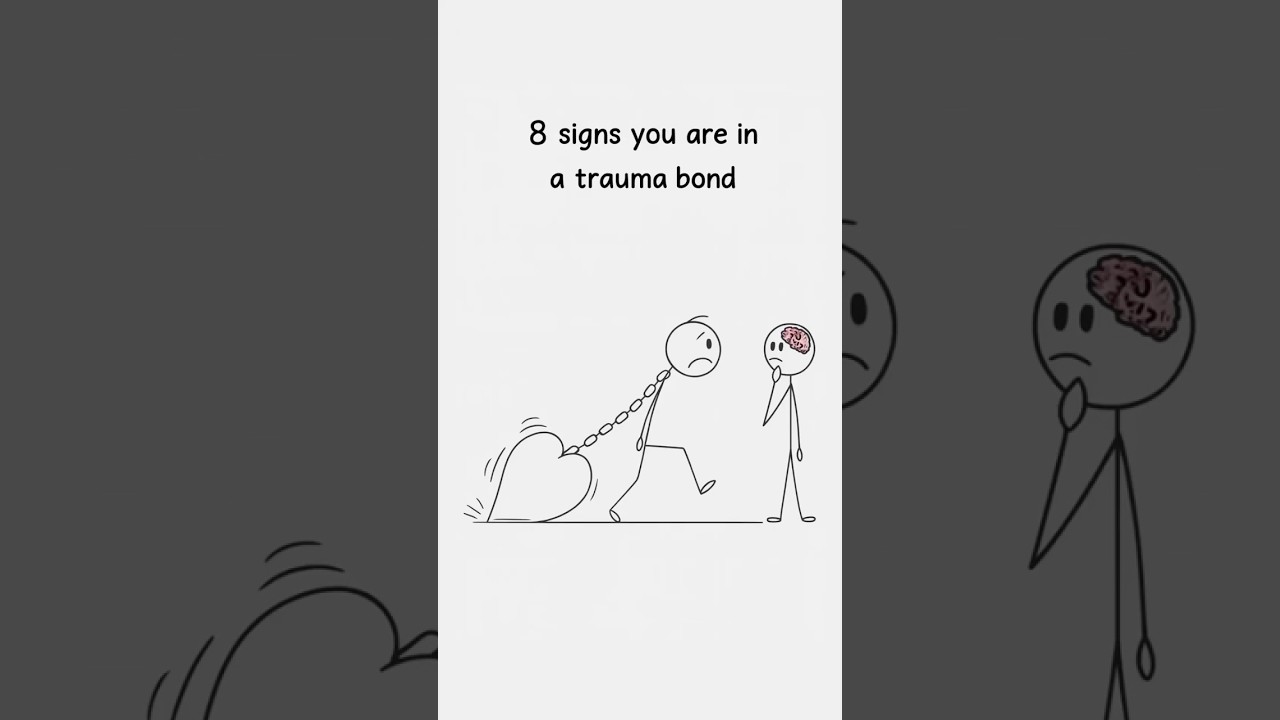
Healing trauma means validating your feelings instead of denying or obsessing over them. The speaker argues that conventional therapy targets thoughts rather than the bodily sensations where trauma lives, and recommends tools like tapping, breathwork, and meditation to process feelings without trying to change them.
Chapters
And it'll be starting here in a second, so bear with me, guys, as I thanks a lot for joining. I got two lives going on, so if you guys want to join. I'm gonna stay tight for a little bit. Um, I'm gonna be starting, uh— hey guys, how you doing? Can you join? Of course you can join. Jamaica's in the house. I got 2 lives going on, I got 2 phones going on here, and so, uh, bear with me as, as folks are getting on both platforms. I think, uh, Let me make sure you can hear me fine. Um, I'm not sure if you guys can hear me fine or not, but I'm gonna be talking about, uh, healing today. Um, I had a couple of posts I sent out. I made a couple of posts earlier this, uh, this week and around specific topics. And so I thought that I, I thought I'd joined this morning. I'm not going to be on for hours on end. It's not going to be like one of those days today. Uh, guys, man, what is— I gotta ask a question, okay? What, for us that struggle with our mental health, why are we so mean to people that don't line up to what you might believe? Like, I just got off a Instagram thing where this lady was just absolutely just murdering me, telling me I'm unqualified, telling me I'm fake, telling me I'm— I don't know what I'm talking about. Like, I'm like, like, really? Like, if you don't agree with me, that's okay. Like, okay, you don't agree with me, I can understand that, but why do you have to like try to put me down and try under undermine me and try to say I have no— basically people that work with me that she feels sorry for. Like, what? Why? What is up with people, man? Like, hurting people hurt people, and it's really— it's, it's, it's just sad, man. It's just sad. Especially when us that struggle with our mental health, like Mommy, it's not true. She basically didn't agree with what I was saying, um, and that's okay. You don't have to agree with everything I point to and everything I say. I, I get it, I understand it, um, but then going into like, people that work with you are stupid because they don't know what they're doing and they're working with an unqualified person, and really talking about the people that work with me, they're really talking about you guys, um, basically saying you guys are flipping idiots, um, for working with me and those types of things. So it's just Man, people, people could be flipping just downright mean, and it's sad. Really sad. Yeah, just because we get triggered doesn't mean that you have to, like, you have to, um, prove your point, right, by putting someone down. Like, I don't get that, especially when you struggle Or when we struggle with mental health, right? I think that a lot of us— listen, guys, I struggle with anxiety. I struggle with depression. I struggle with trauma. I struggle with everything that I talk about, everything I point to. I'm pointing to myself. And so a lot of times what happens to us and kind of dovetails into what I want to talk about, a lot of times we— I need something more. I made a post earlier this week around, um, basically saying, uh, when we deny our traumas, we can never heal. And when we talk about our traumas, we can never heal. And I basically said, are you confused, right? Are you confused on being— talking about your traumas? And I say talking about them keeps you stuck, and then I say denying them keeps you stuck, right? So it's very— it's It's kind of confusing when I say the dichotomy of the two, right? And so I think a lot of times what happens to us is we— let me kind of explain that to you guys. Um, is my music too loud? You guys can hear me, right? Can you guys— is my music too loud? Let me know. Um, But so let's talk about, let's talk about the trauma for just a second, okay? And why I say that living like, like denying it, you don't find healing, and talking about it constantly, you don't find healing. No, it's, it's, it's fine. Okay. Um, no, it's fine. Thank you. Okay. All right, so let me, let me talk about the dichotomy real quick, okay? Um, and then I'll talk about what we can do as far as the healing part of this. What happens a lot of times is we— I don't ask for help. There's, there's one side of the coin where a lot of us have manifestations of the trauma, right? So we have the manifestations of the trauma and we deny the traumas because we think that we haven't gone through trauma. And so what we tend to do is we tend to try to We cope through the— we cope through the manifestation. So a lot of us struggle with depression, anxiety, uh, bipolar, borderline personality disorder, uh, social anxiety, OCD, intrusive thoughts. Like, we could— we can name them, name them, name them, name them all day long. Um, we can name the diagnosis. And so what we do is we, we can— we, we confuse the manifestations of what we're going through. and deny the root causes, right? So we deny the reasons why the root— why the manifestations are happening. Because the fact of the matter is, a lot of us that struggle with our mental health from an emotional perspective, from an anxiety perspective, from a depression perspective, the anxiety and the depression is really not the problem, right? It's really, it's really not the problem. It's the root causes that are causing the manifestations, right? It's causing those emotions and those feelings that we have. And it's typically coming from deeper-seated issues. Now, the key word I say there is typically, okay? That doesn't mean always, right? It's typically rooted in some type of trauma. And what happens to us is we invalidate ourselves by not understanding that the root causes of our problems are, are really our problems. And so what we do is we try to cope through Through the anxiety and the depression. So we learn coping mechanisms, um, through trying to change how we think about the anxiety. That's called CBT. Um, so a lot of people do CBT type of stuff, cognitive behavior therapy, when the problem is we don't have a cognitive problem. We have a feeling problem. And I'll get into the specific— I just made a post on both my platforms around complex anxiety and general anxiety, and I'll explain that. a little bit more in depth, um, here in a second. But a lot of times what we do is we, we tend to spend years, right, trying to cope with our feelings, never getting to the root causes of our issues. And so we constantly have these manifestations, right, the manifestations of anxiety, the manifestations of depression, the manifestations of all of our mental health issues. And so That's the, that's the part of us that denies the traumas. Now here's the thing about traumas is a lot of people are confused on what trauma is. Everybody thinks that, oh, um, now maybe I call them big T's, right? The big T's in our life, the big traumas, the sexually abused, the emotionally abused, the physically abused, the spiritually abused. Those are big traumas. Those are Big T's. And people are a bit happy— I mean, I'm sorry, I saw, I saw a lady over here saying happy. Um, people are a bit, um, uh, they're a bit mindful of having the big T's in our life, right? Right. But what we fail to understand is the little t's in our life. And the little t's are things like having a physically present dad who's emotionally gone. Right. Or having a, having a mother that was so worried about losing her marriage that she spent all her time, um, uh, uh, uh, placating or placating to the husband that she wasn't there for you emotionally. Um, bullying is a trauma. Uh, going through a divorce is a trauma. Your parents divorcing is a trauma. So I think a lot of times what happens to us is we We undermine the small traumas in our life. And since we undermine the small traumas in our life and we never heal those small traumas, those small traumas become big T's. So the little t's over time become the big T's. And when that happens to us, the manifestations of those things— let's say your parents got through— let's say your parents had a divorce. Hypothetically, your parents got a divorce. How that's traumatizing is you don't have a— or we don't get a, a clear picture of what a, what a relationship, um, working through the pain of that relationship looks like, right? And so a lot of times— now I'm not trying to, I'm not trying to justify or nullify the fact of pain within a marriage, right? Don't get me wrong, I'm not saying I'm against marriage. I mean, I'm against divorce. I'm not saying that. What I'm saying is divorce is a traumatizing event for everybody involved— for the wife, for the husband, for, for the kids. It's just a traumatizing event. And so since it's a traumatizing event, we live out that trauma, right? And what we do is we tend to not heal from that trauma because you really have to grieve a divorce, right? Grieving— grieving is a process you need to go through divorce. So grieving is the, is the activity, um, or the healing process you need go through once you have a divorce, um, or your, or your mother or father went through a divorce. We have to work through those things. Since we never work through those things properly, they continue to live in our emotions. And since they continue to live in our emotions, they surface themselves through anxieties and depressions and other issues. So we invalidate ourselves by not understanding the traumas or, or Or validating that we've gone through some traumas and they manifest themselves in the anxieties and the depressions and those other mental health issues. Okay? So that's one side of it. That's the side of denial. The other side that I see a lot of times, and this is where, this is where folks piss me— piss— where I piss people off and they get mad at me and they send me hate messages and they hand me hate mail and all that kind of good stuff. Is when we constantly live in our trauma, we constantly live in our story, we constantly justify our behaviors based off of our story. And so what we do is we, is we, we act in such a way, we behave in such a way, and since we behave in such a way, We justify— we, we justify our behaviors based on the traumas. So we constantly live in our story, and when we constantly live in our story, it becomes— we become stuck in our story, and then we justify our behaviors based off of our story. So we say, oh, I act this way, or I am this way because of my And the story that we have constantly keeps us stuck. And so we have to have this— this fine— this medium between the two, this medium between our traumas around denying them and living in them, right? Or, or, yeah, living in them, because a lot of us do that. A lot of us have these tendencies to either deny what we've gone through or totally live what we've gone through on, on a continuous basis. Both of those spectrums lead to the same manifestations, right? So both of those spectrums, when we live in those both of those spectrums, the same outcome of both of those spectrums is the anxieties and the depressions that we can't stand. Right? So now what we need to do is everybody's okay, okay, you are all right. I what do I do now? Right? Is how do I how do I how do I first of all if you if you deny yourself you validate yourself right? If you deny yourself you validate yourself. If you if you've living in your trauma. How do you get out from living in your trauma is you validate yourself. So both, both spectrums have the same mechanism for healing, but that healing comes from a place of validation, right? Because the folks that, the folks that live in their story, um, don't validate themselves either, right? They don't validate. How do you validate yourself? You validate yourself by sitting with yourself. How do you sit with yourself? You sit in the— you sit with the feelings, not in the feelings. Let me, let me explain that. So what happens a lot of times for us that struggle with what we struggle with, when we're in the middle of a struggle, we have triggers that come to us. Well, let me— here, let me explain really quick the, the general anxiety and the complex anxiety. Okay. Let me Let me, um, let me explain this too, because a lot of us don't understand that we have— so what is, what is general anxiety? I kind of coined this as general anxiety. I know in the mental health community there's general anxiety. I get that part of it. But this— but I've coined general anxiety to say that general anxiety is when you think Right? You're constantly thinking about the what-ifs. What if this happens? What if that happens? What if I lose my job? What if he leaves me? What if she leaves me? Um, what if I can't pay my bills? What if, what if, what if, what if, right? So we live, we think about the what-ifs. We're constantly thinking about the what-ifs. Now, 95% of us that struggle with anxiety think— we think that we have the What-if anxiety. We think that we have the general anxiety. And so what we do is we, we go for help and we try and we tell the helper, hey, I'm thinking about what-ifs. Hey, I'm constantly, um, ruminating. I'm constantly pontificating. I'm constantly thinking about the what-ifs, what-ifs, what-ifs, what-ifs in my life. And so what happens a lot of times is we think it's the what-ifs, and so we try to get help Right? And that helper says, oh, okay, well, you, you have a problem with what you think, right? So your problem is the way you think. Let's use CBT to fix the way you think, right? Because you have a cognitive problem, right? Your problem's the way you think. And so you go get help. You spend weeks, months, some of you years, um, with the helper because they're trying to get you to change the way you feel. on the way you think, right? And, and, and that is— that don't work. That's coping, not healing, right? So when you learn how to cope, you learn how to try to change the way you think to change the way you feel, and that always keeps you stuck in your, in your pain. The problem with 95% of us that think that we have the what-if anxiety The general anxiety actually have what I call complex anxiety. Complex anxiety is when you feel, right, you feel the what was, right? So one is thinking about the what-ifs, keeping you stuck in the what is, and the other is the feeling of what was. That's keeping you stuck in the what is. So a lot of us are getting the wrong kind of help. A lot of us are stuck because we're, we're working with the wrong type of people. We're not getting the correct help, right? Because we're trying to change the way we feel on the way we think. And I happen to think it's the reverse. You change the way you think by working on the way you feel. That's the key to healing. Healing is validating your pain by sitting with your pain. What does sitting with your pain mean? Sitting with your pain means to feel those emotions that you feel, feel those feelings that you feel, and just allowing yourself to sit with that feeling. It's very uncomfortable. It sucks. It's it's not intuitive, right? Because most of us what we do is we we get triggered, right? We get the trigger. We get triggered. Thoughts start producing, right? Thoughts start coming at us, and as thoughts start coming at us, we start thinking about our thoughts, right? We start thinking about our thoughts, and as we start thinking about our thoughts because we want to give it meaning. We start feeling our thoughts, right? And as we start feeling our thoughts, we, we, we, we don't like that feeling, right? We, we, we hate that feeling. And since we hate that feeling, we tend to go and try to get rid of the feeling, right? We try to drink it away, we try to smoke it away, we try to snort it away, we try to buy it away, we try to sleep it away, we try to isolate it away, we try to sex it away, we try to relationship it away, we try to work it away, we try to exercise it away, we try to do everything we can, everything we can to try to get rid of our feelings, right? And so since we try to get rid of our feelings, what we resist will persist, right? And so what we try to get rid of constantly keeps on coming at us. And as it constantly keeps coming at us, it, it, it becomes worse. So I always tell people that, first of all, what you refuse to feel, you can't heal, right? So what you refuse to feel, you can't heal. And what you resist will persist, dot, dot, dot, even get worse. And so the, the, the running away or trying to ignore it or trying to distract yourself from it will Always keep you stuck in it. It will always keep you stuck in it. And that's why people continue for years, their whole life, struggling with depression, suffering from anxiety, and all of these other things, because they're not doing the proper work. They— yeah, let me give you— let me give you a classic example of this, okay? So a lot of us have what I call an anchor, right? We have an anchor, right? We have an anchor of trauma or an anchor of anger or anchor of whatever. We have an anchor. And so we, we anchored in the trauma, and but we're up here and we're doing stuff, right? We're going to therapy, we're going to counseling, we're reading books, we're reading, you know, we're taking classes, we're going to master classes, we're doing All types of different stuff. And so we're kind of just, we're kind of just moving, right? We're kind of doing stuff, we're doing things, right? But we ain't going nowhere. We're not going anywhere because we're anchored. We're anchored to the trauma. And so we're doing things thinking that we're actually, we're actually moving. We're moving, but we're not going anywhere. We're just kind of just Floating around, right? And so we never get ourselves out from under our emotions, or because we're rooted in our traumas. And since we're rooted to our traumas, we can't— we don't go anywhere. We're on a treadmill running our flipping asses off, thinking that we're doing something when we ain't doing nothing but running in circles. And so the key to get ourselves out To get ourselves moving, sailing again, is to get— is to get the anchor uprooted. We have to get the anchor— we have to— we have to get that anchor up, right? And we have to get that anchor up. When we get that anchor up, then we can— then we can sail through life. Does that— does that mean sailing through life that you don't have the waves and the turmoils and the storms of life that come at you? No, that doesn't mean that. But you're going through the storms, you're going through the waves, you're going through life. You're not being anchored and being tossed and turned by the waves and being tossed and turned by the storms of life because you're not— because you're anchored into your traumas. Guys, this is why I tell you that you can heal from these things. This is why I tell you that you can get yourself out from over under these things. That doesn't mean that life is not going to come at us. It doesn't mean life is not going to be not difficult. It doesn't mean life is not going to have its storms and have its turmoils and have its waves of life, and it's going to be overbearing sometimes. And that's not what this means. What it means is that you're sailing through life and you're not being anchored by your trauma. That's what's— that's what That's what's key. That is what— that's what healing is all about. Healing is going through the pain. And as you go through the pain, it gives you meaning of the pain. You have to allow yourself to get yourself out from under that in which is keeping you trapped. And that's typically trauma. So when you start to really understand that— so first of all, a lot of us are getting help. But it's the wrong kind of help. And now, am I telling you to work with me? I am not telling you to work with me, right? That's not what this is about. Um, do I think that I do things a little bit different than other people? Yes, I think I do things a little bit different than other people. Um, and the, the, the, the, the people— my— the people that don't like me are typically therapists and counselors that don't like me, and psychologists and psychiatrists, because I'm They don't get to this, guys. They don't get to the roots. They don't get to the anchor. They keep you up here. That's just a fact, man. I did this for 20 years of my life. 20 years of my life was stuck up here. It just stuck. And I just kept— I was doing things. I was spending money and going to places and reading books and seeing gurus and But I wasn't— I didn't— I had the anchor that kept me in place. Um, so I'm not going to get into that because I get hate mail from people all the time, especially if you're in therapy or counseling. You got— you guys just send me hate mail, but you tell me that you've been there for 30 years and how, you know, how do I help? And anyway, I'm not going to get into that. Um, but this is not about me. This is about you healing and you getting the right kind of help. Um, What's the right kind of help? If you, if you are seeing a helper, what I would encourage you to understand, that is, if you— if that helper is not working on the way you feel, right? And the fact of the matter is, most helping modalities, especially psychology, because psychology tries to get you to change the way you feel On the way you think. Psychology, right, um, gets you stuck in your, in your trauma, your story, because they work on the way you think. The CBT on the way you think. Um, if you're getting help and your help is not working on the way you feel, you need to find someone that knows what they're doing from a feeling perspective. Now, what's feeling? I do something what's called feeling work, right? I do what's called feeling work, and feeling work allows you to explore those feelings in your body, right? Um, I do— I— someone mentioned on— I have Instagram and, and you guys going on, so someone on Instagram mentioned tapping. I do tapping as a modality. I do, I do EFT tapping, TFT tapping. Um, I do some MCBT kind of stuff, everything, you know. mindfulness type stuff. Um, I do some breathing therapeutic, um, hypnotherapy kind of stuff. I do a lot of what's called mirror work, like getting mirrors and, and looking at yourself and becoming vulnerable with yourself. And so it's those types of things. I'm not really down with, uh, uh, Reiki, Reiki, Reiki, so to say. Um, I'm not really down with that. Uh, But, you know, if Reiki works for you, great. But tapping does work. Um, tapping is a great modality. But for tapping to work, tapping— you gotta first allow yourself to feel those feelings, right? I think tapping is a phenomenal modality that you can use and you can work with. Um, tapping is basically tapping certain points of your body, but first you have to allow yourself to identify the feelings in your body and sit With your feelings and sit with those, those feelings in the body. When you can sit with those feelings in the body, um, that will allow you then to go and tap on those feelings. Um, there's also an NLP technique that I, that I do. Um, tapping stresses you out? Yeah. Then are you sure, Lily, you're working with me? Have we tapped before? Um, So first you have to identify the emotions in your body. Actually, after you identify the emotions in your body, that's sitting with you, right? That's sitting with your emotions, sitting with those feelings. When you sit with those feelings, then you can tap on them, right? You can tap on them, you know, and there's basic modalities that you tap. I actually have started combining NLP, which is neuro-linguistic programming modalities or techniques, alongside of the tapping modalities. So we'll do some, we'll do some, um, we'll do some modalities from an NLP perspective, and then we'll merge the, the NLP with the tapping. So, but it starts with validation on both sides. Validation on both sides starts with sitting with yourself, and one of the hardest things to do is to identify these feelings in your body and sit with those uncomfortable feelings, especially when you are feeling panicky or, or, um, anxiety, or— but you have to get deeper, right? You have to allow yourself to get deeper into those feelings, right, around jealousy, guilt, anger, shame, um, regret, uh, um, And those things, those emotions will come up. They're feelings in the body. Heavy chest, something in the stomach, my head, my, my whole body. Um, people say, I feel numb, I feel nothing, right? I feel, I feel numb, I feel nothing. Um, the fact of the matter is numbness is a feeling. And so if numbness or emptiness is a feeling that you have, then focus your attention on the feelings of numbness and emptiness. So again, I, I really can't get into like specifics, but what I'm trying to tell you is if you are seeing someone that is not working on the way you feel, the feelings in the body, the sensations in the body, you need to find someone that knows what they're doing. Um, especially if you have complex anxiety, right? Because complex anxiety Anxiety is all about the way you feel that's driving your thinking. Listen guys, you behave a certain way because you believe a certain way. You believe a certain way, you behave a certain way. These beliefs come from and are rooted in your life experiences. Your life experiences, if they've been traumatizing, has developed false beliefs in you. So you believe a certain way, you act a certain same way. How do you change beliefs? How do you change these beliefs, right? You change these beliefs by working on the way you feel. When you work on the way you feel, the sensations in your body, the feeling will change the thinking. As the feeling changes the thinking, that will change your, um, your, uh, That will change. I'm just— I did something over here. That will change your, um, uh, beliefs, because your behaviors will start to change, your habits will start to change, your actions will start to change. Everything about you will start changing when you start working with your feelings. Now, um, feelings are hard, man. They, they are super hard to sit with, man. I get it. I totally understand it, especially if you've had Coping mechanisms, right? Especially if you had specific coping mechanisms that you did. And, um, because we tend to run to those coping mechanisms. And so since if you tend to go to those coping mechanisms, right, it's very, very hard to sit with those feelings. Um, I'm just fixing something over here. Um, and so I get it, those feelings are hard to sit with, but the key to healing is sitting with those feelings. Uh, let's take some questions if you guys have some questions for me. I'll take questions for about 10 minutes. Uh, what questions do you have for me? I got 2 lives going on, so I'm just kind of looking at both of my screens here to see if you guys have any questions. How do you deal with procrastinating? Okay, so how do you deal with procrastinating? Procrastination is a— that is a fear of failure. Right. I'll, I'll explain NLP in a second. So, um, the procrastination is a fear of failure. The fear of failure comes from a place of self-worth anxiety. So if you procrastinate, you are scared of failing. You're scared of failing because you probably most likely struggle with, like, what I call self-worth anxiety. You attach who you are to what you do. Right. And when you attach who you are to what you do, and if you fail at that what you do, that means you're a failure. That comes from a place of self-worth anxiety. Um, and hey Tiffany, how's it going, girl? Um, uh, girl, you can ask me that when I see you in a couple couple weeks. Tiffany, hold on to that question. Procrastination comes from a place of failure. A place of failure, scared to fail. Procrastination, um, is a place of, of self-worth anxiety. Self-worth anxiety says you are what you— you are what you do, right? And so if you fail, that means you're a failure, and you don't want to fail. And feel like a failure. And so that's why you procrastinate, right? So you constantly procrastinate. That's, that's what happens. Um, guys, I'm in Georgia and I got bees. I got bees about this big. Like, I live in Georgia and the bees are like that flipping big, and one is like right there. What the hell? That thing is gigantic. Holy moly. Um, so that's, that's, uh, that's procrastination. Yeah, I will, um, Instagram, I will, I will repost this so you can watch it when I'm done. Um, sitting with feelings while having to still be present with the kids and they push the anxiety up. Uh, yeah, girl. Um, so here's the thing, Tiffany. I got a question. That sitting with those feelings when dealing with the kids, how do you do that? Um, you— oh yeah. Oh girl, you might— you may not like this one. Um, but you sit with the feelings, right, in, in controlled environments so you can now utilize them in uncontrolled environments. So what that tells me is you most likely are not sitting with your feelings when the kids are not around. Um, so when the kids are around, you're trying to implement those things that you should be doing when they're not around, right? So a lot of this is— this is the thing about like panic attacks and stuff like that. The things that— guys, to get yourself out of a panic attack is not when you're in a panic attack. That's not the— that's not the time to try to get yourself out of the panic attack. You practice You practice mindfulness, you practice breathing, you practice the things that you need to practice while you're not in a panic attack so you can utilize them when you're in a panic attack. You sit with your emotions when you don't need to, when you are feeling good, right? When you, when you're not triggered and when you're not feeling the feelings, that's the best time to sit with them because now you're practicing them when you don't need them. To implement them and use them when you do need them. That, that's— so what that tells me, girl, is that you're not practicing them when you're feeling good, right? You're feeling good, you're like— Guys, the times to practice this stuff is when you're feeling good. The times to not practice this kind of stuff is when you're in the middle, in the thick of your shit. That's not the time to practice this stuff. That's where people get it wrong. People like, uh, you know, I'm in a panic attack, what do I do, what do I do, what do I do? You, you gotta sit through it. That's what you need to do. But you practice going through a panic attack when you don't need it. Hey, my man, how's it going, brother? God, if you guys don't follow JS, uh, uh, my man JR, you need to follow my man JR over here. So, you know, Tiff, it's, it's— you're probably not practicing it when you don't need it, right? Um, and you and I have talked about that, and we'll probably get into that a little bit more. Um, but I'm gonna do some— we're gonna start doing some tapping and some NLP stuff. Had a question over here about tapping. Um, I mean about NLP. Did I have a question on NLP? What NLP is? Yeah, we people, we don't, we don't face it when we feel good, and that's the problem. That's why when you guys— that's why when we— I don't hate you guys, I don't like to say you guys— that's when we are in the thick of what we— in the thick of our anxiety and thick of our depression, the thick of everything that triggers us, we're like, what do I do? What do I do? What do I do? And you do, and you're not doing it. Um, Because you're not, you're not practicing on it. Yes, okay. Uh, so I have a question on PTSD tapping. I have a question on NLP tapping. Uh, NLP. NLP stands for Neuro-Linguistic Programming. NLP is a thinking modality. It works on beliefs. It works on patterns. It works on, um, language patterns. It works on the way people talk. Uh, I I'll give you a little secret. I gave a little secret out this past week. When I'm meeting with someone and I'm, I'm talking to them and I'm— they're like in a session with me, uh, for you that work— for you guys that work with me already, um, I know when you're lying to me. I know when you are remembering memories. I know when you are constructing the memories. I know when you're feeling. The memories. I know, I know, I know, I know stuff when I'm meeting with you and I'm seeing you and I'm working with you. Um, thanks, brother. I appreciate it, my man. Love you, my man. Uh, uh, JR, man, follow JR over here. All right, Lily, be good. Um, so I, I know because of my NLP experience, when you're visual— when you're visualizing stuff, when When you're hearing stuff, when you're feeling stuff. I know when you're constructing things like that, like it's really not happening. You're trying to make sure things make sense. You're trying to, uh, construct it visually based on how you are, um, communicating with me. And so, so I, I can see those things and then I know where I'm going, right? So if you're trying to construct something visually that didn't happen to you. You're trying to give meaning to yourself than what you're feeling. And so if you're, if you're trying to construct something, um, in your mind from a visual perspective, you're trying to give yourself meaning. And when you do that, I know that you're trying to construct it, and so it's really not, it's really not real. And that helps me understand what modality I can use to give your, give your feelings some meaning. Um, So yeah, that's NLP. NLP is Neuro-Linguistic Programming. There's different, um, submodalities and pattern techniques and all that stuff. It really works on the way you think. So I look at it from a holistic perspective, um, on the way you feel. I work on the way you feel. As we work on the way you feel, then we start working on the way you think. And as the way you think, that starts to change your, your beliefs about yourself. Okay, what questions did you have? Zen, if you can send me an email— I mean, send me a message, uh, the question again, I'll try to answer it. Thank you, Doc. Uh, Thank you, Dr. T. I appreciate it. So I'm looking for questions on both my platforms. Uh, talk more about constructing. Can you give an example of tapping? Oh yes, so tapping here, let me give you an example of tapping. I think someone asked me about tapping. Uh, music happy driving you nuts. Sorry. All right, so I have social anxiety, I have tapping. Okay, my music is driving you crazy? Is it because it's rap, or— and I'm, and I'm close to 50 and I'm still listening to rap? Thanks, Deborah. All right, so here, let me give you an example of, um, tapping. So what I do with people is I allow them to kind of feel their emotions, and then we're gonna tap on certain points of our body, right? So tap on the eyebrows, side of the eye. What the hell is that under? Someone give me a globe. Uh, under the eye, under the nose, chin. This is trauma. Trauma area is this place, right? This is all trauma. I don't want to be a puppet. Oh, it's just too much to listen to? Yeah, it is kind of emotional stuff. Sorry, but I gotta— I gotta— I have to listen to my music. I'm sorry. If you guys don't know, um, Ivan B, if you don't get his latest album, Frames by Ivan B, the dude is outrageously good. Um, I'm almost 50 years old and Uh, I still listen to my rap when I was 8, when I was breakdancing in New York City. Thanks, JR, brother. I appreciate it, my man. Um, uh, what was I going— oh, tapping. Um, so tapping, tapping, you identify the feeling of the body, and you get— once you identify the feeling of the body, you start tapping on certain points of your body. To start working on the way you feel. Um, tapping is a mechanism that— there's a hippocampus thing going on, there's the amygdala that's firing off all the emotions, all the neurotransmitters in our body, and the tapping allows you to calm that amygdala down that's firing off all of those, um, all of those neurotransmitters that are making you feel the feelings that you feel. So the tapping, the tapping allows you to Decrease that by tapping. So certain tapping points on your body. There's a Tapping Solution app. If you go to the Tapping Solution, you can find it on the iStore or Google Play. You can find the Tapping Solution there. It's very good for general type stuff. I don't like it for specific type stuff. So if you're dealing with certain traumas or anxieties and things like that that are specific, It's very general, so I don't like it because it's so general. But it is a it is a it is something you can use. So yeah, that's tapping. Thanks, brother. I appreciate it, man. Deborah, this one's a good too. Yeah, you can look up— there's probably YouTube channels for tapping, those types of things. Like, but I like, I like, I use tapping as a modality. Um, uh, so Dragon, I'm really not down with the, with the chakras type stuff. Um, I mean, people call it chakras. I don't, I don't see it as lifelines and those energy points and all that stuff. I don't see it as that, um, or energy blockages. I don't, I don't, I don't come at it from that perspective, though some might. Uh, I come at it from tapping into not so much the energy but trying to decrease the The hippocampus and the amygdala. So some people call it energy points. I really don't look at it from that perspective. So is genetic family trauma real? Definitely. Um, so I had a question on genetic family trauma. Definitely yes. Um, definitely. Um, trauma is— trauma is hereditary. Um, it's generational. It is. You can see that, um, in our own— in the US, you can see that in our own communities with the, um, American Indian. American Indians have generations of traumas. And so a lot of times, um, the American Indians have— were traumatized. I don't want to get into politics and all that kind of stuff, but they have— they've been having generational traumas. Ever since we've come over here. And so you can see in their community, a lot of them deal with alcoholism, a lot of drug addiction, those types of things. And a lot of that stuff is environmental, but the environmental that causes those, those, that trauma to be happening comes from— are you ready to go? Whenever you are. Go in the— you can see the white thing right there. You see the— my— have you guys seen her? Hold on a second. Wait, no, hold— no, no, I want to show you. I want to show you. Look at her. Look how beautiful she is. That is my lovely wife right there, man. She's beautiful, guys. If you don't know, man, I flipping love my wife. I am absolutely 20 plus years. I've been married, almost got divorced nine times, and I'm just I can just look at her all day long. I just I'm so in love with her. She's I'm just I'm just so in love with her. Twenty plus years we've been married, so. There is hope. 20-plus years. Um, almost got divorced, almost got divorced 3 times. We separated twice. Uh, she took the kids from me when I almost committed suicide, um, back in 2011. She took the kids from me for 9 months. Um, and I almost ruined it. I almost, I almost ruined it. I'm sorry. See that? See, I'm feeling it. See, I'm feeling it. I'm feeling it, right? I'm just allowing myself to feel it. You know that pain of regret? You know that pain of, uh, thinking back of your mistakes and thinking back of what, what life could have been if you didn't live, didn't, didn't work through your Mistakes. Right, I see. I'm giving you a live example of just sitting with it, just sitting with it, just feel it, just sit with it. Just sitting with it. Um, yeah, okay, all right, sorry about that. Um, 5 minutes. What's it— what's it at? Yeah, it's probably another couple weeks. Oh, not a couple weeks. I say midweek. Oh, okay. A couple days at 80, it'll hop up to 75. Okay. All right, sorry guys. Um, yeah, sorry about that. Um, but I gave you kind of a, um— see, now, see, now my brain is going. You see, see what happens? See, my brain's— I feel it now. My brain's going. Um, so I'm a live example. I love when I can give you live examples, um, of just sitting with your feeling, man. Just see the regret hit me. See that? The regret hit me. And that regret hit me, um, because of what I almost lost. And so that regret hit me, and that— and as that regret hit me, uh, I just allowed myself to feel it, right? I just allowed myself to sit with it. So Yeah, I almost committed suicide in 2011. My life was in shambles, guys. My life was— I was anchored to my trauma, man, and I thought I was doing life. And but yeah, it was— I was— I was— anyway, what helped me do what I got? what this whole thing was about, Reddit. Getting myself unhinged or get myself out from under my trauma. Get that anchor in my life— that anchor was— it was drowning me. It was killing me. Um, so, uh, yeah. All right, uh, 2 more questions. Uh, medical PTSD isn't spoken of much, but it's— Yes, medical PTSD is a real thing. Um, so yeah, uh, medical PTSD is a real thing, uh, and so— but it's trauma, right? And so anything, any type of trauma is what you need to work through, right? And so yes, medical PTSD is a real thing, um, and it's real trauma, um, and just like any other trauma, NLP works really good for that particular trauma, um, just like any type of Trauma, you have to work through it by the way you feel about it, right? That's the way you got to do it. So our last question, how do you feel— how do you fall asleep when your mind is racing? You don't, Zebra. Um, yeah, I'm gonna— I'll put from an Instagram perspective, I'm gonna post this on my, on my stories, and so you'll see. You can go to my stories and, and watch it there. Um, The— when you fall asleep, the key to falling asleep is you can't think about it too much. Um, you have to allow yourself— I think meditation type stuff is a good way for you to fall asleep quickly. Um, I know it wasn't your question, um, but you saw you have the same question. Uh, so, uh, falling asleep, we get consumed with trying to fall asleep, so we try too hard to fall asleep. When we try too hard to fall asleep We don't fall asleep. And so if your mind is racing when you're— when your mind is racing when you fall asleep, again, this is a clear indication that you're not practicing when you need it to implement when you don't need it. Um, um, it's not like I don't really— it's not like I don't like helpers. Um, I don't like People that go to helpers for years on end when they get no help. Um, so what I would say is if you're having problems sleeping, you practice, practice your doing some meditation type stuff. Practice your meditation type stuff when you don't need it, right? So you sit with those uncomfortable feelings. And really, meditation is not around Controlling your thoughts. Meditation is around allowing your thoughts not to control you. So if you want to learn how to meditate properly, you can reach out to me. We can do some work with one another to teach you how to meditate properly. But meditation is not about trying to control your thoughts. People got that all wrong. Uh, meditation is about not allowing your thoughts to control you, which is happening when you're trying to fall asleep. Right. Um, that's what's key. So you do meditative type work when you don't need it to implement it and use it when you do need it. When you calm your— if you have going— if you have stuff going on inside your brain, that tells me a lot of what's going outside of your brain. So if you're— if your internal life is going cray-cray, you're out— your external life might be going a little cray-cray. So some of this is environmental, some of this is situational, some of this is relational, some of this is, um, hereditary, some of this is generational, some of this is psychological, some of this is, um, physiological. And so we have to figure out and work through all these different elements to understand exactly what's going on, but it's typically rooted in trauma. Um, that's what it's typically rooted in. So So again, I wanna, I wanna end this saying thank you guys, um, for joining me. If you need help from me, you can find me at beatanxiety.me. If you want to work with me, you can reach out to me on beatanxiety.me. You can message me. Um, I have, um, some healing courses on trauma, on journaling to healing. Um, I'm even on money anxiety. So if you have money issues or you have money anxiety. There's— I have a course on money anxiety. I'm coming out with a grief course. I'm going to be doing, um, a live coaching, um, 8-week course. I think I'm just trying to figure out a platform where you can get me live. You can come and join me live, um, on either a Facebook or another coaching platform. And so you can join me there, um, within the next couple— probably within the next 6 weeks I'm going to start Um, uh, marketing that a little bit. Have— I'm gonna try to get like 50 to 100 people on that particular one, and I'm gonna be doing a 6-week course on, um, on anxiety, depression, and other mental health issues. So look for that. If you need help, reach out to me, and we'll talk to you soon. Take care, guys. It could be you, you know, hitting my stomach. I'm not changing.
More from Ryan
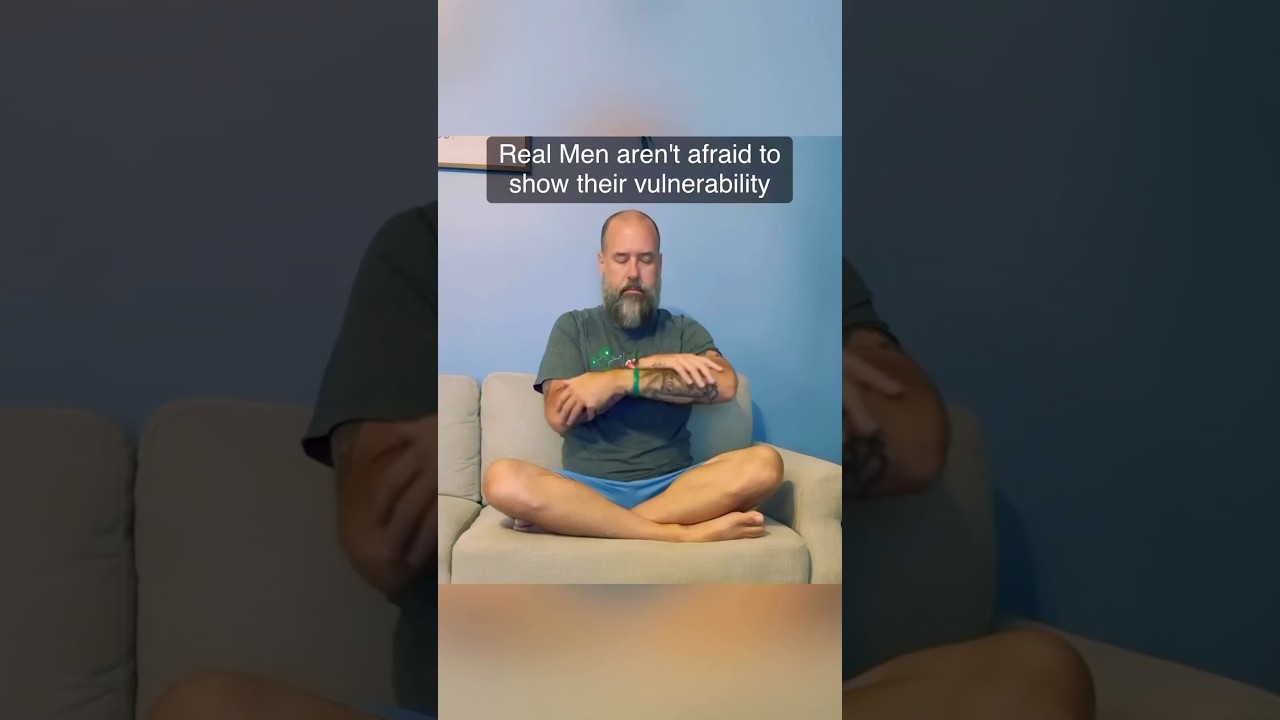


Your Triggers Aren’t Random — They’re Reminders of Where You Still Hurt #stressdisorders

You’re not drawn to the #narcissist because you’re weak — it's because they feel familiar.
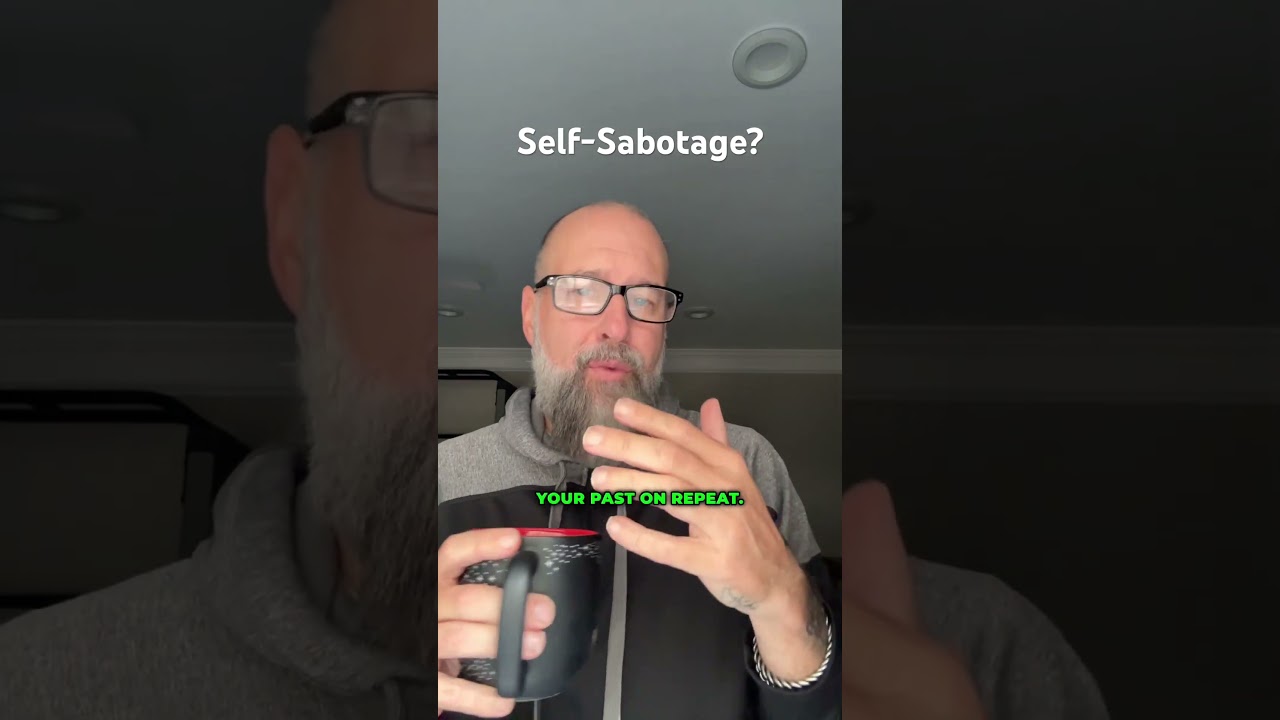
You say you want peace but every time it shows up, you start a war. #selfsabotaging
When the anxious attached explode, it isn’t rage—it’s the protective self stepping in out of fear.