Ryan Light maps how anxiety spirals: a trigger sparks a thought, which creates a feeling, leads to an action, becomes a habit, and reinforces the original thought. He traced his panic attacks and health anxiety back to trauma and toxic relationships, then broke the cycle by confronting those beliefs instead of just managing symptoms.
Chapters
Hey guys, how you doing? I get a lot of questions around my anxiety cycle, so I thought, you know, let me try to— let me get out a video on this. I know I've been, um, looking to do this for a while. And so I thought maybe just let me put together, um, IGTV. Let me put a video out, um, kind of explaining at least my theory on anxiety, where anxiety comes from, how do we heal it, and what do we got to do to fix it. So, um, I kind of drew this out. If you followed me at all, I talk about this a lot. I do. I love whiteboards. I love visuals. I love things. I love things like that. So I thought doing this and putting this on the whiteboard, I'm going to step away for a second if you want to take a screenshot of it, and then we're going to come in and talk about it. So, um, if you want to take a screenshot of it. Okay, great. So this is what I call the anxiety cycle. Whatever, if I coach you one-on-one or you hear me talk about this all the time, um, this is what I believe, uh, where anxiety comes from, what anxiety is. So the anxiety cycle What typically happens for us that struggle with what we struggle with is we have triggers. We have triggers. Something comes at us. Um, typically we see something, we smell something, we feel something. Uh, it could be a numerous amount of things that come at us. Uh, for me, smells, places, things like that, they trigger me. And so I get triggered. So we have the triggers. Those triggers, what they do is they produce thoughts. Now our thoughts come at us, right? We're reverted back to some type of trauma. We're reverted back to a situation. We just, we have the thoughts that come at us and the thoughts just bombard us. Those thoughts then produce feelings. And those feelings, we feel it, especially for us that struggle with anxiety or any other kind of mental health issues. We typically feel in our stomach, um, the neurotransmitters start to come at us. We feel panicky, we feel anxiety, we feel all these different emotions. So we have the thoughts that come at us and then they produce feelings. What happens is anxiety can become— anxiety really is just a normal response to a situation. However, um, when we don't really take care of it and really start to do the things to work through it, it gets chronic. And so we have false alarms, we have false thoughts that come at us, then we have false alarm feelings. And this cycle goes like this, right? So our thoughts come at us, our feelings, and so on and so forth. What happens over time chronically is now feelings— we, we start to feel things even without the thoughts. That's panic, things like that. Panic, uh, starts setting in, things— mental health issues like that start setting start settling in. What happens though is feelings over time can create actions. We do something, right? For us to have the thoughts that come at us, we have the feelings, we do something. We typically run, we typically isolate, we typically, uh, try to ignore. We typically do these unhealthy coping mechanisms because we think that if we can drown the feelings and the thoughts, that those things will go away. And that's not how it works. As a matter of fact, when we use unhealthy coping mechanisms, it only makes those thoughts and those feelings even worse. So we want to do healthy coping, not unhealthy coping. Uh, unhealthy coping can be sex, drugs, alcohol, uh, people, codependency. It could be a number of different things that we, uh, use as unhealthy coping. Anyway, what happens is we have actions, we do something. Those actions over time Create habits. So now we, now we won't— now we isolate ourselves, or we won't go to a certain place, or because we, we start to fear the fear, right? So as we start to feel the fear, um, fear drives what we do, and that then creates habits. What happens then is those habits then drive the thoughts, right? So we have the actions. That then drive habits. Habits then drive thoughts. Thoughts then drive feelings. Feelings drive thoughts. And you get into this perpetual cycle just like this. Um, this is what I call the anxiety cycle. Now, what happens a lot of times for us that struggle is we look for answers for the manifestations, right? So we focus on this. We focus on the manifestations because that's what we feel. However, anxiety gets much, much deeper than that. Remember, most of the cycle starts from triggers, right? So we get triggered. Where do those triggers come from? Those triggers come from beliefs, right? Most of those triggers— belief— we feel we're unsafe, or we— whatever the situation might be, but they come from beliefs. Those beliefs were produced by abusive situations, trauma situations, bully situations, toxic people situations, uh, workplace, workplace bullying, school bullying, uh, name-calling, siblings, toxic family relationships, bad marriages, bad friends. I mean, the list goes on and on and on and on. So what happens is we want to— and most, most doctors do this actually— when you go see a doctor or a psychologist or, or a therapist, they want to focus on these modalities on this. They want to find— they want to cure this. And I get it. I'm not against doctors. I'm not against therapists. I'm not against psychologists and psychiatrists. I'm not against those types of people. They're limited on their scope for some reason because In the book, the DSM book, it says, "Oh, Ryan has fear. Oh, he must have panic." What do we do for panic? We we do CBT, right? Or I give him a pill. So they want to focus on on this. They want to focus on the manifestations when you want to you want to you want to you want to get over this. You want to you want to get over this cycle. You want to get out from under. Um, that rock, so to say, or in that hole that you're in. How do you do that? You do that by healing this. You do that by focusing on the things that produce the triggers, right? If you don't get triggered, most of the times the anxiety will subside. What's interesting about me, what happened to me over time, is I focused my attention on this, right? I had thoughts. There were crazy-ass thoughts. Those thoughts would produce crazy-ass panic attacks. Uh, I struggled with OCD, um, Puro-type thoughts. Um, now, uh, a lot of people call it health anxiety. So I have sensory motor, which is just another form of OCD. Um, sensory motor is a subform of OCD, which a lot of us call health anxiety, which means we are hypersensitive on our Uh, bodily functions— breathing, blinking, swallowing. Uh, it could be a number of different things, but, um, a heart— I feel stuff. That's really called health anxiety. People call it health anxiety, though it's a subform of OCD. Let me get that out of the way. Anyway, I focused all my time on this, right? I focused all my time on— I went to doctors, I went to therapists, I went to psychologists, I went to I went to counseling. I did this, I did that. I mean, spent thousands of dollars, decades of my time learning how to manage this, right? No one really— no one really taught me how to change the way I think. No one really taught me that if I want to change the cycle, change what I do, right? No one taught me that to create good habits, I have to change my habits, those types of things. No one taught me this stuff. Um, they always focused on this, they always focused on that. Interesting enough, what happened to me is when I started getting real and really getting help with this, right, as I started, um, understanding the abuse that I would— I was under, understanding the trauma that I had, understand that yeah, I got bullied in school and by my peers and my family. So on and so forth. I was around toxic flipping people all the damn time, um, and I had a litany of other things that was going on. When I started dealing with this, when I started healing this, this started to change. My beliefs about myself, my self-worth, my understanding of myself, my understanding that what I did— what, what I did or who I was is not who I am. When I started understanding self-care and self-love and self-acceptance and understanding those things about myself, I started to really heal this. This started to change. My beliefs started to change. As my beliefs started to change, the triggers that would— the triggers that would get at me started not to affect me so much. Now granted, I still struggle with anxiety. I still struggle with these things. However, The, the, the— this is greatly diminished, right? And as this greatly diminished, the panic attacks, I still struggle with those. The anxiety, I still struggle with those. I still have intrusive thoughts. I still have all those types of different emotions that we all have that struggle with this, though it's greatly diminished. So what I tell people is we heal this as we focus on the right thing in our life to overcome this. What will happen is the velocity at the attacks will decrease and the voracity, the intensity that they come at us will decrease. So instead of a panic attack that lasts 5 hours, I have a panic attack that lasts 5 minutes. Instead of having a panic attack every day, or I have a panic attack once a month because I'm still healing, right? I think the key to this Is it's a verb and it's healing. It's an ing. It's it's doing. It's the actions. It's an ongoing process, especially if you have deep-seated trauma, abuse, bully, all this other stuff that you need to heal. This, my friends, is what needs to heal. And as you heal those things, I promise you with time, with consistency. And really understanding it, really get into a deeper understanding of yourself, this will diminish. Like always, if I can help you, um, I do coaching. As you, as you know, if you follow me at all, I do coaching on this, um, where we really focus not so much— I have modalities and techniques that you can do, um, to help you manage this, but to really heal it and overcome it, we really focus on this. That's that's my my my end is helping you kind of manage this type of stuff, but really where the healing really comes into place is is overcoming this. So if I can help you, please reach out to me. You can go to my site beatanxiety.me. You can find contact information on there. I have a host of blogs on there as well that can really really be helpful. Again, if I can help you in any way, please reach out to me. And I look forward to hearing from you. Thanks. Take care. Thank you.
More from Ryan


Your Triggers Aren’t Random — They’re Reminders of Where You Still Hurt #stressdisorders

You’re not drawn to the #narcissist because you’re weak — it's because they feel familiar.
You say you want peace but every time it shows up, you start a war. #selfsabotaging
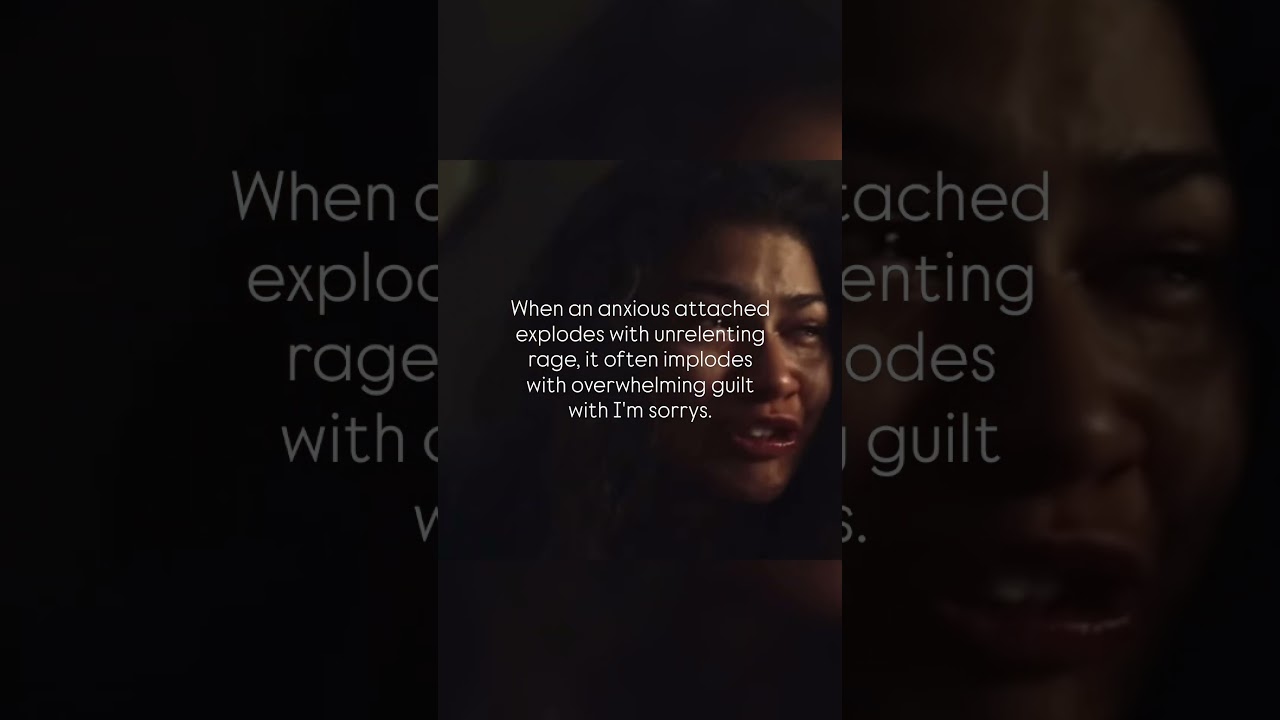
When the anxious attached explode, it isn’t rage—it’s the protective self stepping in out of fear.