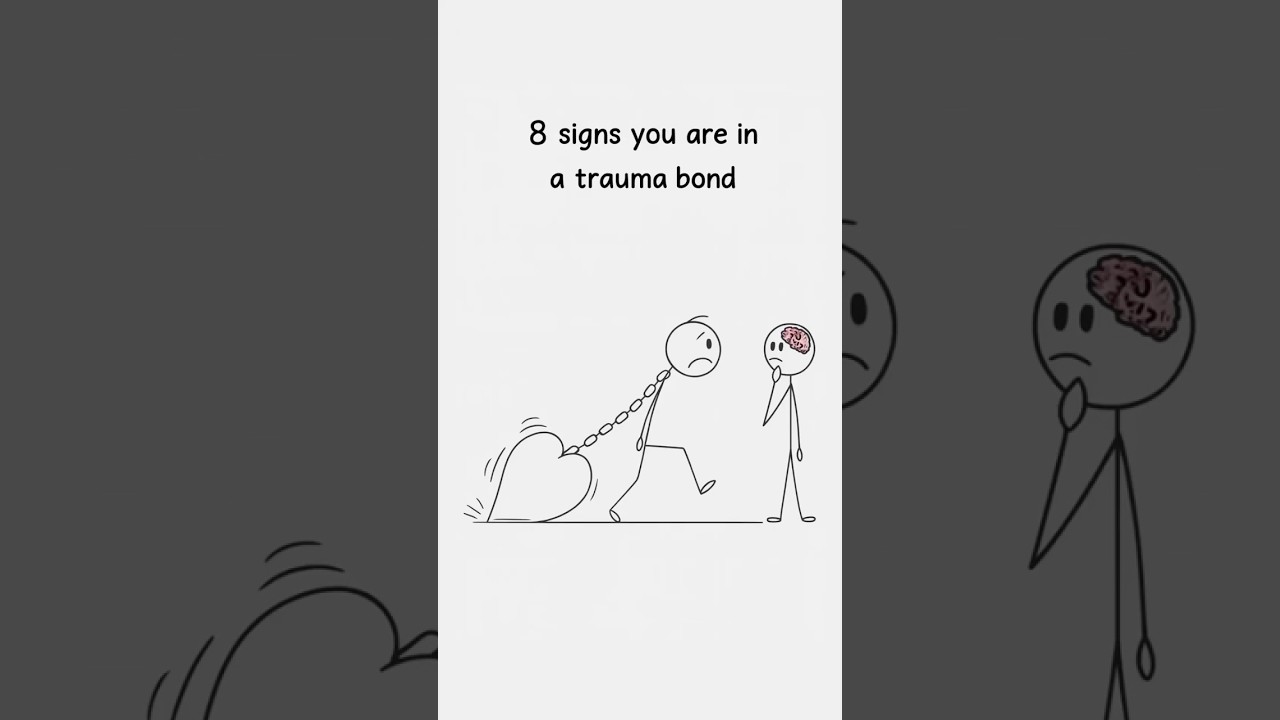
Unlocking the Secrets of Anxiety: Conquering and Healing Your Inner Battles

Ryan Light shares 30 years with anxiety and depression, arguing they stem from unprocessed trauma stored in the body. He distinguishes between major traumas and smaller ones like emotional neglect, and says the fix isn't changing thoughts but feeling emotions through breathwork, tapping, and body awareness. Three traps keep people stuck: over-relying on trauma stories, obsessively labeling symptoms, and unhealthy coping.
Chapters
And I think we're live. Hey guys, how you doing? This is Ryan Light from beatanxiety.me. And I wanted to introduce myself and let you know that this was my very first YouTube Live. So kind of bear with me as I kind of go through this process. I've done many, many other social media lives. Um, I got quite a following on, uh, the other social medias. You can check me out at beatinganxiety.me if you're on, uh, Instagram or, uh, TikTok or, um, even Twitter. Um, I wanted to, uh, jump on here and start really kind of bringing you on my ideas around anxiety, depression, mental health, and other things that so many of us struggle with. As you're new to my channel, my theory on anxiety and depression and other mental health issues is not really a common theory. And not a lot of people believe like I believe when it comes to these things in which we struggle with. A little bit about me. I am, I'm 30 years into this track record. I always tell people that I've spent 20 of those years unhealthy coping. 10 of those years healthy coping, or what I call healing. Back in 2011, my mental health issues, the anxiety in my life, the panic in my life, the struggle on a daily brought me to a place where I just couldn't take it no more. And so I was contemplating taking my life back in 2011. And what birthed out of that experience for me was a place of kind of getting real with myself around really diving into those things that I was feeling, things that I was struggling with, uh, things that I was really coping through, um, particularly unhealthy coping mechanisms for a good 20 years of my life. Um, I finally made a decision to kind of really dig deep and start working through those things. Now, what are those things? What I found quite interesting to me, what I found quite interesting in my journey is I spent a majority of my time, again, 30 years into this track record, 20 of those years really trying to figure out what's wrong with me, the way I was feeling, the way I was acting, what I was doing. I spent the majority of that time trying to figure out what the hell is so wrong with me. And I realized that, that, that anxiety, um, the anxieties in our life, particularly for me, what I found now doing this work for a good 7 or 8 years now, what I have found is anxiety is the manifestation. Um, anxiety is, is the manifestation of deeper-seated issues. Well, now what are those deepest— what, what are those deeper-seated issues? I always tell people that You can heal. You can heal anxiety. You can heal depression. You can heal these things. And I always get asked, how do you— why can't you— how can you say that? What makes you say that? How can you say that? And the reality is you can heal those things because anxiety, depression, and as a matter of fact, other mental health issues, they are the manifestations of what's really happening, what's really deeper seated going on. And those deeper-seated issues that are going on are those traumas in our life. So for me, what I, what I realized was that I was, I was working on or trying to change or work through my feelings, right, or the way I was feeling through the way I thought. So I would go to a lot of counselors and therapists and psychologists and psychiatrists and doctors. And they said, oh, you have anxiety, You have anxiety because the way you think, the way you think is a problem, right? You're feeling feelings and you're acting off those feelings based off the way you think. So the way, the way you think is a problem. And so again, I spent a lot, a lot of my time trying to work through and change the way I think, when in reality, it was really my issue was on the way I felt. So it was the feelings that I was feeling that I was manifesting those feelings. And I was manifesting those feelings. I was calling it anxiety. I was calling it depression. That was what I was calling it, right? But in reality, what it really was, what at the, at the core of what it was, was trauma, was unhealed, unprocessed trauma that I believed time would heal. Now, after doing this work for a good handful of years now, what I realized is people believe 2 fallacies. People believe that time— give it time, time will heal our wounds. And time doesn't do that. What time does, time eventually reveals our wounds or manifests our wounds. And interesting enough, relationships exacerbate our wounds. So a lot of us that struggle with anxieties in our life, or for that matter, depression in life, time doesn't heal those things. Time doesn't heal those traumas in our life that are manifesting themselves in time. And so what really happened to me was I realized that I needed to work through those traumas. I needed to work through those feelings that I was struggling with. And when I did that, when I started working through the way I felt by identifying my feelings, where I feel those feelings in my body, sitting with those feelings, validating those feelings, and then working through those feelings through tapping and breathwork and journaling and the things that I do now with people that I practice with. When I started working through the way I felt by, by first feeling my feelings, what was, what was interesting to me was the depression and the anxiety started to lift in my life. And I started to realize people are faking themselves out. People are completely faking themselves out. People think, right, people think that they, if they, that they need to change, they need to change the way they think, because the anxiety is in their life due to the overwhelming thoughts that they have. So we believe it's a thinking problem, when in reality, it's a feeling problem. It's based on the way you feel. Right? So again, when you start to work through those traumas in your life, Right now, what is trauma? Trauma is trauma is a wound, right? It's a wound that we have that time doesn't heal. Now there are basically two types of traumas. There are big T's and little t's. Big traumas are those are those let me are sexual, emotional, physical. spiritual, financial abuse. Those are the big T's in our life, and a lot of us don't have the big T's. What a lot of us have— and I got some of the big T's, um, but a lot of us, what we have is we have the little t's. And little t's is this: little t is having a, having a physically present father who's emotionally checked out in your formable years of life. typically between 6 and 13, those are the formative years of life. And you need— and you needed, you know, you're coming of age, you're coming, you're going through puberty. Do you like girls? Do you like boys? What's the pecking order of the family? How do you fit society? You know, the school dynamics with friendships and all of those things. Um, and, you know, in, in the formative years of life, there's, there's bullying, there's being picked on, there's the, the black sheep of the family. There is those things that we don't really define as traumas, but are actually little t's. And what happens is, because time doesn't heal these wounds, those little t's over time become big T's. Take for instance bullying. So your bullying in 6th grade gets manifested in your work environment when you're 35, right? Because a bully in work or a over possessive boss or a, or a perfectionist coworker or whatever, right, triggers you into those deep feelings of being bullied, of being picked on, of being whatever due to what happened to you in 5th grade is now affecting you in, in your 30s. And so what a lot of people don't understand is that these traumas live in your body through the way you feel. I always tell people this: You behave a certain way because you believe a certain way. You believe a certain way due to those life experiences in your life. And those life experiences live in your body through the way you feel. So actually, you feel a certain way, you behave a certain way. So any inkling of those feelings, any of those triggers, right, they come at you. And when they come at you, they call— they actually cause you to have those reactions. Right? Either you tend to— I, I find people do this. They either are the attackers or the isolators. So either they, they attack, they go on the offense, or they go on the defense when it comes to these types of situations in our life. No, that's just a small example of a, of a small T in our life. Um, there are countless amounts of small Ts that over time become big Ts. And so it's really working through those traumas within the body that, that are manifesting themselves in what we call anxiety and depression. That's what we call it, or better yet, that's what they call it, right? That's what we and they call it, right? Because that's the manifestation. But at the core, there's pretty much trauma. Again, there's the big T's in life, and there's the little t's in life. So once you become aware of that, once you understand that, once you become aware of that, Then you can start working through the process of dealing with it and healing it, right? You cannot heal what you refuse to feel. So one of the first steps in the healing process from an anxiety perspective is don't run from it. Don't ignore it. Don't try to escape it. Don't try to sweep it under the carpet. Don't try, don't try to get yourself out from under it. Sit with it. Feel it. Feeling is healing, and you have to allow yourself to feel it. When you feel it, there's a— there comes a level of validation of that feeling. That's the validation of the hurt, trauma, or inner child in you that is getting exacerbated by the, the stimuli that's coming at you. So you validate it without doing the actions and the behaviors to get ourselves out from under it. Through that validation comes a level of acceptance, and through that acceptance comes a level of release, and through that release comes a level of peace. Everybody wants the peace and release, but they're not willing to sit with those uncomfortable feelings that we feel, right, to validate, validate that side of us that is manifesting it because of the hurt in our life. And I'm telling you, when I finally did this in my life, and I finally really started working through those core deep wounds of mine, the anxiety in my, in my life started to lift, the depression in my life started to lift. And so when you start doing that, identifying that it's not anxiety, anxiety and depression is not your problem. It's a manifestation of the problem. And when you start working through and dealing with the real problem, the manifestations start to lift. Um, so this can be done, guys. It really can. Um, now there's things that you can do dealing with it and working through it and healing it, right? That's where modalities come in place. That's where somatic therapy comes in place. That is where feeling your feelings come in place and working through those feelings. Interesting enough, I do a lot of trauma work with people But my emphasis is not on the trauma. It's not on the story. It's on the—it's on what's happening within the body because of the story, right? So it's really working through the way you feel in relation to your story, not so much regurgitating your traumas as we talk about it. That's one of the things I people—I see people stuck in. I p—I see people stuck in their story, right? So they constantly regurgitate their story every. week they go to a therapist, they constantly talk about what happened to them. This happened to me, that happened to me. And then we tend to blame it on the relationships that we have currently— work environment, marriage, partners, boyfriends, girlfriends, friendships. We tend to regurgitate our traumas through what's happening relationally in those weekly sessions. We never really work through the way we feel. Um, and, and what's happening from the trauma in our life coming out, um, that's getting exacerbated in those relationships. And so a lot of people regurgitate their traumas through their relationships that they have because they never really worked through those core wounds. And the second fallacy that people— first fallacy people believe in is time will heal all wounds. The second fallacy that people believe in, second fallacy that people don't realize, is that relationships exacerbate those wounds. So when you're in a relationship, what typically happens is they typically trigger those core wounds, and then we start labeling it. We start trying to, trying to label what we're dealing with and what we're feeling— codependency, anxious attachment, um, narcissism, trauma bonding, um, anxiety, social anxiety, depression, OCD, intrusive thoughts. We tend to label it. That's the second thing I see people stuck on, um, is their labels, trying to obsess over, over calling it something. It gives you some awareness of the label, but then we find ourselves locked in and obsessing and finding and becoming the very thing that we try to get ourselves out from under within our identity. So now a whole— our whole identity is caught up in that label. Um, the other third thing I see people stuck in is their coping mechanisms, right? They, they're running, they're ignoring, they're distracting, they're, they're isolating, they're, they're, um, eating a bunch of stuff. I can't go into the litany of different coping mechanisms that people have, but I've literally seen people try to Try these feelings that we have. I've seen people try to sex it out of them, eat it out of them, work it out of them, buy it out of them, TV it out of them, social media out of them, isolate out of them, relationship out of them, sex it out of them, work it out of them, run it at them. I mean, the list goes on and on and on what people do from a coping perspective, because what are they doing? They're cope— they're trying to— they're trying to escape from what they feel, right? And what that does— those, those 3 areas— your story, your label, and your coping mechanisms— are keeping you absolutely stuck in life. How do you get yourself out from under this? How do you work through this? How do you get yourself unstuck in life? You work through those core wounds that are getting exacerbated due to relationships or time. That's how you get yourself out from under this. If I can help you do this, please reach out to me. Again, I have a lot more insights on what anxiety is, how do you work through it, how do you deal with it, and how do you heal it. If I can help you do that, please reach out to me. I'm going to do a lot more of these videos over the next couple of months. And so you'll start seeing me kind of dive into specifics around depression, What I did, what I believe depression is, um, how you really deal with and work through the traumas in your life. So be looking for these over the next couple of months. Other than that, if I can help you out, please reach out to me, um, beanxiety.me. Uh, love to see if I can help you. Um, thanks guys, we'll talk to you soon. Take care.
More from Ryan


Your Triggers Aren’t Random — They’re Reminders of Where You Still Hurt #stressdisorders

You’re not drawn to the #narcissist because you’re weak — it's because they feel familiar.
You say you want peace but every time it shows up, you start a war. #selfsabotaging
When the anxious attached explode, it isn’t rage—it’s the protective self stepping in out of fear.