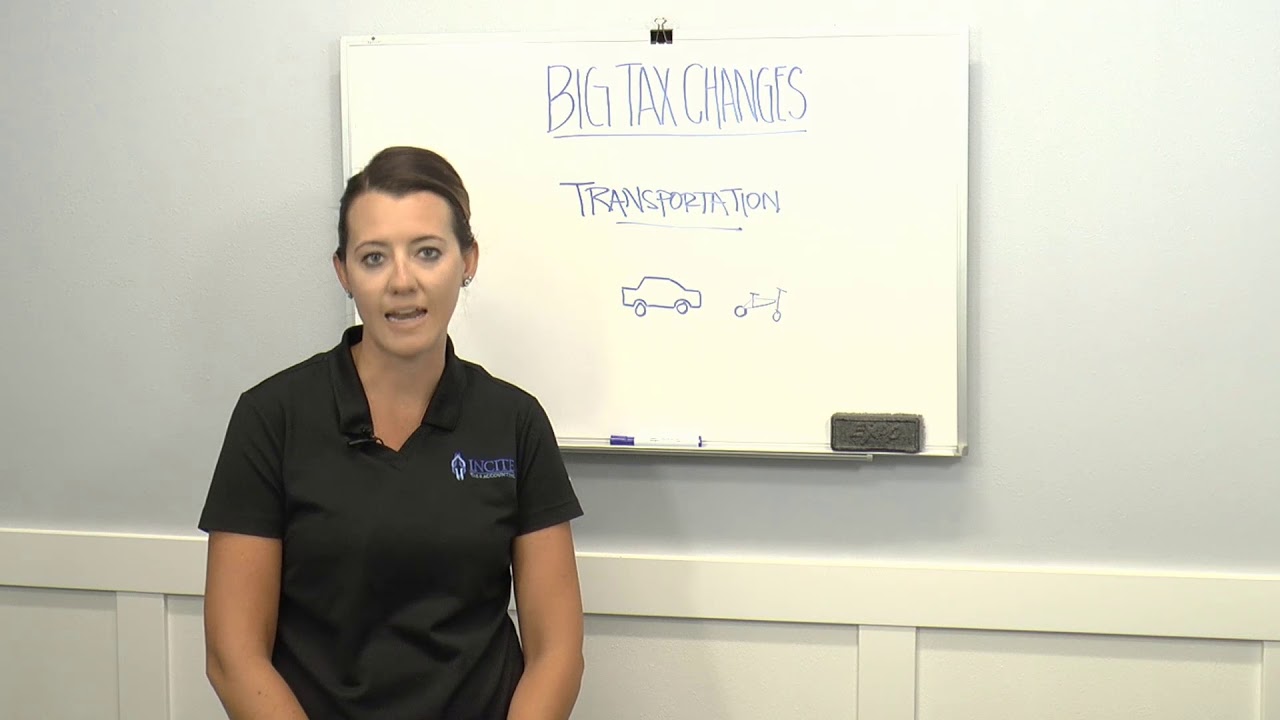
Employer-paid transportation benefits like commuting reimbursements and parking permits now must be reported on employee W-2s, though employers can still deduct the expense. Improper reporting could trigger audits.
Chapters
Hey guys, it's Mandy over at Insight. We are touching base on another tax reform change. We wanted to make sure that you guys as business owners know what to be expecting. So a red flag that's going to come up is if you're currently paying your employees transportation costs, whether that's commuting, you're paying for their parking permits, anything for them to commute into the office. When you're providing that benefit, It now has to change. So before, you could just pay them. It's a benefit. It's an expense on your side. Well, now you cannot just pick that up as a deduction. You must add it onto the employee's W-2. So you can still compensate them. So if the parking permit is $100, you can still pay them $100, but now they must be picking it up on their W-2. So just a couple extra changes. Nothing's changed on your guys' side. How you report it has, but you still get the deduction. But we just need to make sure you are reporting it correctly so there are no red flags. Tax reform is a huge mess, and there's a lot of different questions and everything going around it. So hopefully this has helped you guys, and if you do have other questions, feel free to reach out to us. Thanks, guys.