From self-doubt to self-aware with Jessica Kolahi
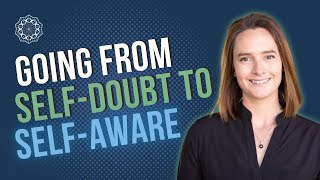
Jessica Kolahi, a physician assistant and acupuncturist in San Francisco, combines Chinese medicine with functional medicine to treat women's hormone imbalances, fatigue, and autoimmune conditions. She uses tests like GI-MAP and DUTCH to personalize treatment, and is launching group programs for moms and perimenopause focused on sleep, hydration, and mindset work.
Chapters
All right, it looks like we are on. Welcome, my friends. Welcome to Perfect Practice today. With me I have Jessica Kolahi. She is a physician assistant and she is a root cause detective. Her goal is to help her clients get to the bottom of what's going on and educate them and empower them through self awareness so that they can recover their, their health. She's also an acupuncturist, a herbalist and a professor. So teaching is a big part of what she does. And she's really passionate about it and she's incorporated that into her practice so that she can help people, you know, find their deepest healing. And so I'm so excited to be sharing her story with you today. I hope it inspires you, if you're a practitioner, to really find your calling and find your passion. And if you're somebody who's looking for help, you, you're a woman who's looking for help and looking for an integrative practitioner who deeply cares, who's extremely passionate, then I know that you're in for a treat. So Jessica has actually 20 years of experience. You're doing something right because I can't imagine just looking at you, it looks like you're probably still in your 20s, it looks like from here. So 20 years of experience, which is amazing. And I love the fact that you have a full spectrum women's care solution. You combine traditional and modern medical diagnostics. And her goal is to help people get to the underlying mechanisms and provide them with the best interventions and treatments that are natural, that are holistic, but also integrative. So combining the best of what the medical world has to offer with the natural and, and holistic world has to offer. And her clinical experience comes from really being a detective, really getting to what's going on under the surface and supporting women with fatigue and insomnia, hormonal imbalances, gut dysfunction, autoimmune diseases and inflammatory conditions. And we all know that these are far more persistent than they've ever been. So we definitely need people like Jessica out there that are helping people find their healing path. She stands against the practice of giving power away to the medical system, knowing that every woman has her innate inner wisdom. I love that. Such an important thing for women to tap into. And men, I would say it's important for all of us to tap into that inner wisdom if we can get quiet. I love this. Jessica is also a mother, a dog devotee, an avid kite surfer and ocean worshiper. I love that she regularly leverages radical self care practices to recover from her love affair with water sports. She believes in the intrinsic power of all people and that they have to heal themselves with skillful investigation and guidance. And her practice is based out of San Francisco. So without further ado, welcome. Jessica. Thanks for joining me today.
Yeah, thank you so much for having me, Sachin. I'm really happy to be here.
Well, I'm excited for our conversation because I know we're going to. We're going to be focused on your journey and how you help people by. But I'm also curious as to some of the stumbling blocks that have come up, the obstacles that have come up, the challenges that you've overcome, because I know that getting to where you are right now, I'm sure, has required you to function outside of your comfort zone, grow yourself in various different ways. And in fact, just being totally transparent, one of the things that you shared with me is that I want to become a better public speaker so that I can share my message far and wide with people. So I'm excited to be able to, you know, share your message with. With our audience today. And I hope that this is one of many hundreds, if not thousands of videos that you do to spread this message out with the world, because I know that millions of women need your help and need the guidance and the wisdom that you have to offer. So what I love to know is, where does your, you know, functional medicine and integrative medicine journey start? Why don't we start there?
Oh, gosh. I guess I have to owe it to my mother. Actually. My mom has been a healer for as long as I remember. She was trained as a physical therapist, but then started getting into energy modalities and visceral manipulations and is sort of an energy intuitive, I would say. And so I saw this growing up and at first I thought, like, oh, that's so silly. What is she doing? But being around it, I just absorbed what she was doing and I saw great value in it. And I. I started my journey into healing with getting my Reiki certification when I was late in high school, early college. And that was sort of my dive into helping people through medicine. And I would have to say my mom was the inspiration for that.
I love it. Our moms are such a. They play such an important role. And, you know, you probably work with a lot of moms in your practice and you probably recognize how valuable they are to their families and how important their health is to their families. And hopefully the women that you're helping and supporting are also inspiring their children to Follow their dreams and follow their passion, which is something that you've done. So you have a background in Chinese medicine and you're also trained in Western allopathic medicine. What inspired you to create this shift in the way you practice?
I first began with acupuncture in Chinese medicine. I had this gut instinct that I needed to learn, changed my life dramatically. I had a very bad accident when I was actually in acupuncture school, and nothing was helping me heal until I found the Chinese herbs. So I had my own really powerful relationship with Chinese medicine. And when I graduated, I started my own practice and was helping women through acupuncture alone. There was a period of time my husband was in medical school when I started my practice, where I started to get a little envious of what he was learning. I just realized that there was so much more out there and that there was language I didn't quite understand. And I wanted to know how to see the whole picture so that I could advise people on the medical care they were getting. Like. Like you had mentioned, I think that a lot of people give their power away to medicine in the medical system, and that's not where true healing comes from. But not really understanding the medical system very well on as a whole. I felt like it was in my journey, in my next step, to be able to have that information, to share it with others.
You know, there's. There's value in obviously, allopathic medicine, there's value in Chinese medicine and Ayurvedic medicine. So there's so many paths towards healing. I'd love for you to maybe compare and contrast philosophically the difference between Chinese medicine and allopathic medicine, and perhaps share with us how you incorporate both of these, perhaps through a case study or an example that you can share with us.
So I think that when I went to PA School, physician assistant training school, my thought was that I would exit as an undercover Chinese medicine practitioner that now had the inside scoop. But like all trainings, I was changed by it. And so I was changed by it. I incorporated it into who I am. And so I now understand the true value in allopathic Western medicine. There are definitely diagnostic tools and certain medical tools for very ill people that are invaluable through allopathic Western medicine. And there's a very interesting way of thinking through allopathic Western medicine where you are creating a differential diagnosis with many different items and you have to systematically rule them out. So the way of thinking for allopathic medicine has a very interesting edge. I originally Coming from Chinese medicine, really love the fact that Chinese medicine and I don't practice Ayurveda, but I've heard it's very similar, that you're looking for patterns. So how do you rule something in? How do you find the connections between everything that's going on in a person, in their body and their symptoms and their lifestyle, in their history? And so you're trying to bring the picture together, while in Western medicine you're trying to rule things out. So when you bring them together, you get this very interesting way of looking at a person where you see their whole past pattern, but you're also systematically ruling out specific underlying causes. So I find that actually the underlying fundamental way of thinking for both of them has. I've brought that together in a way that really serves my patients.
I love that. So can you describe to us how you integrate that? Like if I, if somebody, if a woman's, you know, if a female patient is coming to you, how would their experience be different? Like, what would that look like for them?
So this is actually. You had commented on how I've had different iterations of my practice. So my current practice is actually fairly new. I've done just an acupuncture practice. Then I was trained in Western medicine, and now I'm in the beginning of bringing it all together. So as a provider, I have years of experience, but bringing it together is also something very new to me. So I've been learning along the way and I've actually found functional medicine to be the key in bringing things together, because functional medicine agrees with a lot of the finding of patterns and the real holistic way of viewing people. But you also now have access to these foundational labs that are looking at a whole host of conditions that we don't necessarily look at in traditional labs. So I have found that functional medicine is the key to bringing them together. But I will still sometimes incorporate acupuncture or traditional herbs. But I'll also help people with their medications, titrating up or down or getting people off of certain medications and can help advise them on what their other specialists are telling them about their health to try and bring things together. I find a lot of times in our medical system, people get hyper specialized. They see this specialist and this specialist and this specialist, but who's going to bring all of that together? So I'm finding, people are finding me to help integrate all of the information and find a holistic plan for them.
I love that. What's. What's something you often hear your clients saying. To you after they go through this process with you.
I am finding that they are grateful that they have an understanding of how their body works. Now, a lot of times, if you have a skin condition, for example, you go to a dermatologist and you end up with a cream and a diagnosis. And then maybe you go to a gastroenterologist and you're told that you have IBS and you're given a medication. But if you go to a functional medicine provider, we will find the connection between them to help you heal your skin through your gut, for example. So I love working with people and helping them understand how their systems are connected. And I think that is the most empowering thing for my patients and what they really enjoy getting out of working together.
Yeah. And, you know, not to take anything away from dermatology because there's obviously specific skin conditions that you, you know, if you've got burns or like melanomas and, you know, there's a whole list of things but, you know, just ingest. But in all seriousness, too, a gastroenterologist is a dermatologist without knowing it, because the skin and the gut are so intimately connected with one another, and embryonically, they come from the same tissue. So it's really fascinating when you look at it from that perspective, that they've been connected all along. And now science and modern medicine is connecting it. And we're starting to see that the research that's showing it, the anecdotal evidence that's demonstrating the connection between the two. And, you know, a lot of people, because of their conditioning or their preconceived notions about medicine and, and their symptoms, we've got to educate them right, about how to connect the two. And when you look at. And you tell them that, hey, your skin condition might be coming from, you know, what you're eating or from your gut microbiome, that can be a bit of a stretch for people, especially if they're. If they're not conditioned to think that way. So how does your, you know, your teaching background and your love for education, how does that help you in your practice in terms of helping your clients bridge the gap between those two things?
I love to simplify things as much as possible. A lot of health problems come down to inflammation. So if we have an. An inflammation in the body caused by something going wrong in the microbiome or from foods that we're eating, that inflammation is not just housed in the gut, it is housed in the whole body. And so it will affect many systems. So I love to Geek out on how all those systems are working together. I work a lot with hormones, too. So talking about how all of the hormones regulate each other in addition to what's going on with the gut and what's going on with the inflammatory condition in the body. So trying to find the simplest pattern between them, just like in Chinese medicine, to help people understand why we're looking down this path and why we're making these very specific changes. The body's obviously much more complex. But I think as much as we can possibly simplify our understanding of what's going on, we can find motivation to get and get down and do the hard work to make the changes necessary for healing. So I think in finding ways to tie the systems together in a simple way as possible.
Yeah, I'm sure you use a lot of metaphors to get your point across. Is there a favorite metaphor that you have that perhaps if. If somebody's listening to this as a prospective client of yours or even as a practitioner might be helpful to bridge that gap?
Oh, gosh. So I think I used a lot more metaphors when I was talking about Chinese medicine with my patients, because Chinese medicine is this whole different way of thinking that a lot of time people didn't come to me because they wanted Chinese medicine. They came to me because nothing else had worked. And they. It was hard to wrap their mind around what I was doing in general. So I relied a lot on. On metaphors to. To work that out. There's a common condition where people really overwork themselves and they get super inflamed and agitated. And in Chinese medicine, that's called yin deficiency. So I used to talk about putting a pot of water on a kettle on the stove. And our kettle is our body, and it's full of everything that nourishes us. But if we tap out all of the body, if we take out everything that was really important for nourishing and the fire is still going, that pot starts to burn. So I would try to find metaphors like that. That was one of my favorite, that we need to keep putting things into the body to nourish it so we don't get tapped dry.
That's a good one. I'm going to have to use that. With your permission, of course. You mentioned hormones a little bit earlier, so I love for you to shed some light on. You know, you work with. A lot of women have hormone imbalances. So what does ideal hormone balance perhaps look and feel like for somebody? And how can somebody know when they're out of Balance.
So I love talking about hormones because it is far more complex than we really realize. I. A lot of times when you think of the word hormones, people are thinking about sex hormones, they're thinking about estrogen, testosterone. But we have so many more hormones in the body. We have cortisol, we have thyroid hormones, we have melatonin, we have a whole host of hormones, hormones that are doing this intricate dance in the body. And some of them, honestly, we don't even understand how they function together completely. That that's part of medicine. We're still uncovering how things work together. So in all honesty, having hormone balance means that you can fall asleep easily and stay asleep. You have good energy throughout the day. If you're a woman, you have regular, easy menstrual cycles without pms, you are generally more pain free. Of course, there's other things that can contribute to all of these, but hormone balance is a key in having just good energy and mood and normal cycles in the body.
Yeah, I mean, I know I've worked with women and men with hormonal imbalances, and when you start reminding them that cortisol is a hormone, insulin's a hormone, and there's this whole orchestra that's happening inside of them, you know, they really, it opens up their eyes right, to, you know, to all the intricacies of their body. And are there particular hormones that you tend to focus on? I, I know that, you know, there's like, for us, for example, like cortisol and insulin, you know, that's like the, the keystone hormone. Because if cortisol and insulin are not a balance, then it's hard for everything else to get out of balance. Is there, are there hormones that you've identified? Maybe it's those same too. But is there somewhere that you start with people to create that domino effect for healing?
I agree that cortisol and insulin are really foundational. And I think what's amazing about working with those hormones is that you can completely heal those hormones with foods and supplements and lifestyle. Because I also am a prescriber, I love to geek out in that world as well. So I tend to work a lot with thyroid imbalances, which can be healed with botanicals, but also getting some support through medications. And then because I do women's health, I see a lot of patients with progesterone and estrogen imbalances. So working around detox pathways or figuring out ways to boost those hormones to be in a, in a more natural balance with one another. I think because of my ability to prescribe. With my license I have, I end up with patients that want support in those as well.
Okay, are there, you know, we mentioned functional medicine testing and with your unique background and perspective, are there specific tests or particular tests that you tend to lean on when it comes to assessing people's hormones?
I love to, I love to work with a good stool test like a GI map or the GI effects. I want to know what's going on with the microbiome. I know that oat testing can also give me that. I'm honestly just diving into the oat testing world, so I'm sure that I'll be incorporating that more. But because I have women patients and mostly women with hormone imbalances, it's a toss up whether we're working with the gut first or the hormones first first, depending on their symptoms. So I also love the Dutch complete and seeing the balances between the sex hormones and the stress hormones. So really it's who's coming into my office, how are they presenting? And it's not like every person's getting the same test. It, it depends on how they're showing up.
Okay, so you're assessing their lifestyle, assessing their nutrition, assessing their symptom presentation, and then coming up with an individualized game plan for that person to know. Okay, where do we start? Do we go upstream or do we go downstream? Do we get a baseline and then remeasure a little bit later? So it's really a unique protocol and process for each person.
Yes, and it's even more than that because sometimes it's about motivation. Sometimes people want to get to the foundation. And sometimes people are like, listen, if I don't feel better, I don't care about the foundation. And so we learned this in Chinese medicine school that there are root causes and there are symptoms. And you have to be able to gauge the person. Do they, are they motivated for the long haul or do they need to see some instant results before they dig in a little deeper? So sometimes it's just assessing the person's motivation and understanding and knowing that rapport comes over time and I want to help them get what they want. But also I see what's going on, what's going on on the deeper side. And I my own agenda to help with that deeper healing. But sometimes you need to get people to understand where they're the process.
Yeah, that's so true. Right. Because people are coming to us usually at their wits end, at the end of their rope perhaps it feels like to them and all they've wanted to do all along is feel better. And sometimes the last thing they want to hear is, hey, we're, we're going to get to the root of this. And they're like, okay, yes, but I need to feel better so I can show up for my family, I can get this project done, or, you know, I can't get out of bed. I need to do something about that so that I could even show up for these appointments. Right. I think there's definitely value in that for clinicians to take away and also important for clients who are watching this or prospective clients who are watching this to know that it's finding that balance. Right. And of course, depending on how acute somebody's issues are, we want to get rid of the acute stuff first, get them feeling a bit better or a lot better, building that trust and then working with them for the long haul and really addressing the foundational things as, you know, the patient's schedule and mindset and things like that permit. Am I understanding that correctly?
Totally. Yes. You put it in perfect words.
Awesome. So I know that a couple of things that you're working on right now is you're launching a group program to support moms and also eventually those who are nearing menopause and releasing inflammatory weight. I know you've got a great protocol for that. What inspired you to do group programs and add that into your kind of one on one practice?
Well, I found that I was saying the same thing to people day in and day out. And yes, there's a great place in this world for functional medicine testing. But a lot of times, if people shifted their diet, if they shifted their lifestyle, if they made these tiny, incremental, simple, but not necessarily easy steps, changes to their diet and lifestyle, they could completely heal their bodies. And so I was recommending similar diets to people. I was recommending that everyone go to bed at a certain hour. I was recommending that people shift the way that they talk to themselves. And there are some people in this world that really love that one on one relationship with their provider. But there are also many people that feel they get more support and community and they can learn a lot from one another and it's hard doing a journey alone. So I want to make what I was telling my patients more accessible, more cost effective, and also more collaborative. So it's also no secret that I've been learning a lot of these protocols through you and your amazing group. And they really resonated with me and helped me and I felt like I just couldn't keep it to myself, quite honestly, I love that.
I love that you're taking this and running with it and supporting your community. I learned an interesting fact yesterday, which I kind of knew, but I didn't know the numbers and that is that when if you can find an inspiring community that holds you accountable and loves you and holds space for you, it adds about eight years to your life. And I don't think anything that I'm aware of adds eight years to your life and something that's so pleasant and joyful, right? So finding the right people and you know, finding people who may have similar challenges as you, people that inspire you, uplift you and compel you to show up is, is medicine in and of itself. And that's something that's missing in, in our modern, you know, medical system and even, perhaps even in the functional medicine world because everything seems so unique and hyper individualized. And you know, while that's important, in some instances, many people are not even doing the most basic things that they should be doing. And they need that foundational information, but it needs to be fun and they need to not feel so alone. You know, the last couple years, many people have experienced what it feels like to be alone and isolated. And that has shaved years off people's lives. I mean, some people commit suicide because they feel so alone, right? And they feel they don't feel understood or heard. So being in a community of people has so many benefits because now people don't feel like they're the only ones struggling or suffering. And you know, it gives them a voice in the community as well. And sometimes people as part of the community may just want to listen in and absorb the information. So it's great that you have both a one on one process and now you're developing this group process because you're taking, you're taking things that you've proven that, you know, work timelessly over and over again. And now you're making your systems and the way you deliver that so much more efficient. So I'm proud of you for that because I know that there's so many people that need your help and it's great that they have different ways to work with you. And there's obviously people with different budgets as well, so. So it's fantastic that no matter where people are on the spectrum, they can afford your services and have access to your amazing wisdom.
Thank you. And I have to say that another motivation for me was the fact that I have more recently become a mom. I have a 15 month old and there's something so lonely about becoming a new mom. You're isolated. Your entire body, mind, spirit, everything feels like it's completely shifted, and it's just a very lonely place. So my first group program is going to be for moms and not necessarily new moms, because that's not the time to necessarily jump into huge other shifts in your body. But I just thought having a sacred, safe container where people that are also a little lonely and want some support and community can lean on each other and feel that love that we all want. And I think that creating that container can help motivate people and give them that love as well.
That's beautiful. So what are some teasers if you. If you were to share with us? Like, what are some of the things that you teach in your programs with your clients?
So the. I mean, the Food is foundation. I think that we have learned as a society certain ways of eating that don't promote longevity and good hormone balance and normal metabolism. So certainly an understanding about food and also why we are making certain choices about food. But I am lucky that I'm going to be actually running my program with my mom, who has now continued her training to become a women's transformational coach. So along the way, we will be focusing on mindset and emotional mastery, because true, lasting change requires us to dig into our core values. What is most important to us? Who is it that we want to become? And then what are the steps to that person? So digging into just the understanding of who we are at our foundation is what allows all other change to happen. If I tell you to change your diet and leave it at that, like, nobody's gonna change their diet. Nobody cares. But if you understand that you are creating this new person, it's not just this person that eats boring food, you know, of course the food isn't boring, but maybe it feels that way at first. But you're this new person that makes these food choices that allow you to go and spend even more time with your family and have more energy and feel inspired and just have the strength and fit to keep up with your children and to travel. So I think diving into who we are as holistic people is what allows for these major shifts to happen.
It sounds like what I'm hearing is that before you change your diet, change your identity.
Definitely. Yeah. You need to know why you're changing it.
Yeah. And who you are. Right. I think a big part of it is, like, when I hear people say I am statements. Right. It could be, I am tired, I am fat, I am lazy. I am. I can't do this. Right. And what they're essentially doing is they're. What they're telling us unconsciously is how they identify themselves. And so rewriting that story that I am story is, is so foundational because, you know, I had. I was talking to somebody yesterday and he says, I'm a smoker, but I quit six months ago. So I said, you used to smoke. You're not a smoker anymore. You've got to create that new identity as somebody who used to smoke, not somebody who smokes anymore. And same thing with food. Right. It's so important for us to re establish that new identity because that creates almost automatic behavior change for individuals. So I'm so grateful and glad that you're incorporating this into your programs and, and working with your mom. Like, how cool is that? The person that inspired you to be of service to people is now somebody that is partnering with you to work together and transform amazing lives. I love that. How's that been so far?
It's been great. I love technology and creation and generation of ideas, but I don't have as much experience in creating those containers for groups, and so that makes me very nervous right now. So I love that I can lean on that being her strength so that we can come to together and create this together. Because for her, it's technology. She's like, no, thanks. And for me, it's large groups and speaking in front of them, that's scary. And I'm like, no, thanks, but, oh, I guess I need to. So we're working together so that we can lean on each other's strengths.
Yeah, perfect. Business marriage, right? We always ask people to evaluate what's half, what's hard, annoying, lame, and frustrating for them, and what's easy, lucrative, and fun. So my, my mentor, Joe Polish, always says, like, like, you know, you should be spending 80% of your time doing things that are elf easy, lucrative and fun, and only 20% of your time doing things that are hard, annoying, lame, and frustrating. But if you can find someone who can do some of those things that are maybe not yet a skill that you've developed or something that just makes you nervous or something that's half for you, then the best person to hire or work with is somebody who loves doing the things that you may not love doing or has skills that you may be in the process of developing so that the mission can continue to move forward. So I'm sure that makes for an amazing dynamic and it must be so awesome for your clients to get to Experience that container of safety and you know, I know how important it is for people to hold space for one another and feel and really create that container for people's healing to take place. So wonderful. Kudos to both of you.
Thank you.
So who's your favorite client to work with? So look, if you describe like a home run client, who's that person?
Gosh. A home run client is a woman that knows that she has capacity to heal, but isn't quite sure the journey there, isn't quite sure how to get there, and wants to understand maybe what is going wrong in her body or what is out of balance so that I can help educate and investigate and then she can take that information and run with it. Because I'm not healing anybody. They are healing themselves. But I have certain skills that allow me to help uncover underlying causes and help provide certain tools. But then it's up to her to run with it. So I think that every provider would love to have completely motivated patients, but I think I would love patients that are curious and open minded and have that willingness and know that there is something in their power that they can shift and I can help inspire them along the way.
Beautiful. Now looking at your bio, there's a lot of cool things that you do. I love that you love the ocean. I was taking an ice bath and sauna down by the lake the other day, just yesterday actually. So I'm a big fan of water. What are some of the things and ways you celebrate your body? So having this knowledge, having this self awareness, having great health, how do you celebrate your body? What does that look like?
For me, I love to move my body in a joyful way. And for that, for the last 10, 13 years, that's been kiteboarding. So getting out on the water, being in the sunshine, there's something really meditative about just having wind power you and being able to move your body and feel the strength of that. And it is like a meditation. So I love to have that as my alone time. And then I would say everyone needs a little bit more oxytocin and parasympathetic nerve support. So cuddling with my daughter and my family on the couch at night and just leaning into those moments of connection and really soaking it up. So there's the, the yin and the yang, you'd say right there.
Yeah, it's all about balance. Right. So what are some. If you could give like maybe three to five tips for people to maybe things that you do to help keep your body in balance. I know you mentioned Having that balance between yin and yang. Right. What are some. Some tips that you like to share with people that have been impactful or beneficial for you in keeping your hormones in balance.
So sleep is, I think, a number one thing that gets overlooked. My goal is eight hours of sleep every night. And I know that can be really hard for new moms, but finding a way to get that as much as possible, because your thyroid hormone, your cortisol, your melatonin, all of those really heavily rely on just having normal sleep patterns. So anything you can do to promote natural sleep. I know that going to bed at the same time every night is really helpful if possible, reducing exposure to screens in the evenings or wearing blue blockers, but finding ways to create normal, healthy sleep habits. And then I find that a lot of people don't drink enough water. So the. What people say is that you should drink half your body weight in pounds and ounces of water every day. So if you're 150 pounds having at least 75 ounces of water, and I think when I lay things out in simple terms like that for people, they're surprised. They're like, oh, I drink plenty of water. I have four or five glasses of water in the day. But water is important for all cellular functions, and it's important for detoxification, it's important for metabolism. It's not just something we put in when we feel a little dry. Every single cellular process relies on water to fun normally. So it's so easy to just add a couple more glasses of water every day. So making sure that you're having enough water for sure. And then I would say staying away from processed foods as much as possible. So, I mean, I think everyone says that, but even before you get into the habit of being more strict and understanding of your diet, I would say pick up every single box of something you're eating, and if it has a label on it, don't just read the nutrition facts, but read the ingredients. I think it takes a while to really know what healthy foods are. And even if you don't know and you're starting from scratch, reading the labels and having a clear understanding of what you're putting in your body, even if you don't know what all the words mean, if you know the more words, the more processed in general, but just getting into the habit of reading what you put in your body, because everything you put in your body is creating new cells and it's creating a pathway to greater health or not so great health. And I think just. Just adding that one little habit of reading everything so that you are aware.
Yeah. I think it's important for people to also understand that there's chemical processing of food and there's mechanical processing of food and, you know, simple things like, you know, eating foods that are not mechanically processed, engaging our jaw, chewing it more. Right. You know, those are, those are things that are also important for us because helps our digestion, it helps, you know, cellular function. And. And of course, we want to avoid things that are chemically processed because, yeah, that might make the food taste good because it's artificially spiked with flavors. And of course, there's chemicals that are required to do that. Jessica, how can people get to learn more about you? I really enjoyed this conversation and I want to make sure that anyone who's watching this has an opportunity to connect with you. I have one more question in relationship to that is do you work with people just locally or are you working with people online as well?
So for my one on one functional medicine practice, that's for California with a physician assistant license, I'm bound by just where I'm licensed. My group programs, there's not a one on one aspect. We're really relying on the community and coaching and my mom's support with that. So that is available for women across the country. Because I'm not giving medical advice, I'm sharing information about how food can be healing and helping inspire people. I don't want to undermine that by saying that's not important. You can have dramatic, dramatic, dramatic shifts. And you probably would never even need a one on one functional medicine provider if you really went through these programs. So I would say both, depending on what sort of level of support you need.
Awesome. So where's the best place for people to learn more about you? How can they get a hold of you? How can they connect with you?
So I, like you've said, I'm a little afraid of public speaking. So I kind of stayed out of the public eye for a while. But I'm starting to understand the value of the social media presence. So I am on Facebook. I think it's Jessica Kalahi. I'm on Instagram Jacalahi, and through my website. My one on one functional medicine website is Integrative Women's Health SF for San Francisco.com and my group program is at reclaimforwomen.com awesome.
We'll be sure to share those links in the show notes so people can connect with you. Jessica, the floor is yours. What's the message you have for women.
That are listening Right now, you know, I was looking up some quotations before this and I wish that I had the, oh, this was it. I was thinking about why I'd wanted to do group programs and what is so important about creating community and leaning on your tribe. And I love the quotation, if you want to go fast, go alone. If you want to go far, go together. I've typically been going at it alone and now I'm, I'm leaning on my mom and I'm to go far. And I'm creating programs so that women can go far as well, because we really weren't meant to do this alone.
So beautiful. You know, we, we thrive in community. We thrive when we surround ourselves with people who are on a similar journey and path. And yes, you're absolutely right. I love that African proverb, right? If you want to go, go fast, go alone. But if you want to go far, go together. And you know, it's so powerful. And you know, somebody who runs group programs, myself, who coaches practitioners in a group setting, I can attest to the power of community. And so it's, it's such a great honor to interview you today. Shed some more light on the wonderful work that you're doing. And I am thrilled to see what this, you know, next few weeks and months and years have in store for your in person community, but also your online communities. And really, all the best to you and your mom. And you know, I'm so grateful to be able to work with you in a capacity that helps you serve more people. So thank you for being such a great mentor to your community and also thank you for being so teachable as a student and as a mentee of ours as well. Thank you so much and lots of love to you and thank you for everyone who tuned in today. Be sure to check out the show notes, connect with Jessica, learn more about the work that she's doing. If you're in need, she's there to help. If you know someone who needs the help and support, then she's also there to help as well. Have an amazing, amazing rest of your day. Thank you so much once again. Lots of love. We will talk.
More from Sachin








Your Doctor Won't Prescribe This… But It's the Most Powerful Medicine on Earth

