Hypertension, Obesity, and Your Kidneys: What You Need to Know
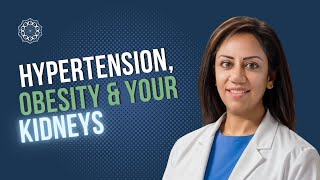
Nephrologist Neetu Sharma explains how high blood pressure and obesity damage kidneys, and why you should watch your urine for color, foam, and blood. She recommends less than 1 gram of protein per kilogram of body weight if you have kidney disease, and notes that African Americans carry genetic risk factors like APOL1.
Questions this video answers
Over 15 years.
Less than 120/80 mm Hg.
About one in three.
About 1 in 10 people.
Between 2 to 3 gallons per day (as stated).
Chapters
Hi Neetu. How are you doing today?
I'm good, Sachin. Thank you so much for having me.
Well, I'm super excited because I never thought I'd say this, but I'm really excited to talk about the kidneys. As a nephrologist, as a functional nephrologist, you have so much insight into an organ that I feel doesn't really get a lot of attention. And maybe we'll talk about why you feel that might be the case. But the kidneys play a very essential role in so many areas of our health. And I like love to dive into that with you a little bit today or a lot and really plant the seeds of, you know, how functional medicine practitioners and holistic practitioners can really give the kidney the time of day that it needs, so to speak. I know we have two, maybe that's why we take them for granted. But as many people know, kidney disease is on the rise and I don't think there's any signs of it going away anytime soon. And you know, if our clients are coming into us and they have dysfunction in one area of health, chances are that their kidneys are an important part of their healing process. And of course we want to make sure that we're doing whatever we can to create systemic health and, and make sure that they're achieving the health outcomes that we want for them. And of course, the kidneys play a very important role. Before we dive too deep into this, how long have you been in practice for?
I have been in practice for over 15 years now.
And when did you have your kind of awakening, so to speak, to look at the body more holistically?
You know, it's been going on for a few years and with the epidemic, it came to me more profoundly that we need to make some adjustments, some changes because kidney patients, they are very complex patients. There are a lot of things going on. They have a lot of comorbidities, they have, they are very fragile. So I lost tons of, you know, patients who were on dialysis, were really suffering during the COVID period. And that really affected me somehow in some sense that I wanted to do something more to prevent the kidney disease to, to that extent that they need dialysis because it's a life altering disease. And as you know, it's a great burden not only for the patients, but for the families. And I started looking outside the conventional medicine and found functional medicine to be, you know, to fill those gaps which we have in the conventional medicine. So fast forward, I did my functional medicine fellowship with ifm, Mark Hyman is a great example. He's a great physician and he has brought so many changes in the lives of his patients. So I'm applying the same principles and hoping that I can make a bigger impact on the kidney patients as well.
Yeah, I'm sure you will and I'm certain you already are. One thing that was fascinating to me with COVID was that the number one comorbidity for hospitalization was hypertension. And when we think hypertension, I don't think the average person thinks kidneys. So maybe you could build that bridge for us, the connection between hypertension and kidney function.
Yeah, that's a great question. Actually, hypertension is very closely linked with the kidney disease later on. It starts with having elevated blood pressure. According to the GNC guidelines, we should have blood pressure of less than 120 by 80. But you know, there is one in three people in America who have high blood pressure and many of them, they don't even know that they are, they have hypertension as a disease. What it does is it increases the blood pressure, it increases the pressure inside your arteries. And as you know, the kidneys are very vascular organ. They have lot of blood vessels and when the pressure is increased, it disrupts the vessels and causes more inflammation at the cellular level. And when that happens, it leads to the fibrosis and scarring over the period of time and you start losing your kidney function. And by the time you see that effect on your kidneys, it's already too late. So it's very important. Like in Covid, as you mentioned, hypertension was a great comorbidity for the patients to be hospitalized, but there is also obesity. We have lost tons of obese patients because of COVID And the correlation is very clear. The metabolic syndrome, prediabetes leading to diabetes, hypertension, they all lead to effect on your vital organs, including the kidneys. And hypertension and diabetes are the two main leading cause of kidney disease at this point in America.
Scary stuff when you think about it. You know, the, you know, the fact that people who are on dialysis have to essentially depend on machinery. When I'm grateful that they have these tools and, and equipment to keep people alive. But it's a big burden when the kidneys don't work. And I think that we take them for granted because they're so great at what they do and they do it silently and you know, kind of deeply buried within, within our, our torso. It's such a wonderfully amazing organ and organs, so to speak. And as you mentioned very Vascular, they serve, you know, a benefit in filtering our blood, right, Getting our electrolytes in balance. So there's so many things that they do. I'm curious as to what, what is something that somebody can do right now or today to improve their kidney health?
There are actually many things they can do. You know, they don't have to focus on one thing or the other, but small changes they can bring on everyday life can bring a bigger impact later on on the kidneys. You know, they can start with just normalization of their bmi, which is body mass index. That's most commonly. You know, when you go to your doctor's office, they check your weight, and it's very easy to calculate your bmi. And that will give you a nice parameter to compare on your visits with your doctors and see if you're gaining more weight. How's your blood pressure doing? So if your blood pressure is elevated, more than 130 in adults, less than 65 years of age, and more than 140 in adults, more than 65 years of age is elevated blood pressure. So when that happens, that's another parameter they can keep in mind and keep a close eye on to make sure that their blood pressure is not getting elevated, make sure their blood sugars are controlled. And even the stress has its impact on the kidneys. Any kind of stress in the body, the kidneys sense it and they become sluggish. Luckily, those things, they can reverse it by controlling at the very beginning. But once you start seeing other biomarkers like protein, protein in the urine, decline in your gfr, which is glomerular filtration rate, then it's already late in the game, you know, so it's important to look or look at all those markers beforehand and before even you have the kidney disease established.
You know, one obviously byproduct of kidney function is urine. And I'm actually speaking with a, a medical doctor after our conversation today. And we're going to talk about urotherapy. And I've never done this before. I'm curious what your thoughts are, if you've come across any literature or if you have any thoughts on urotherapy. And for people that don't know what that is, it sounds weird when you say it, but you can verify this, that your urine should be sterile, unless obviously you have an infection, but your urine is sterile. And it has hormones in it, it has electrolytes in it, has minerals in it, which can be very regenerative to the body. So I'm curious if you have any, any thoughts on that? I know this is way off topic for what we're going to talk about today, but it just popped up for me.
That's very interesting. You know, in, in India or Asia we have this Ayurveda and they were using the urotherapy long time ago and we really never understood the actual functionality of the urotherapy. But lately what they have found is that our urine has stem cells in it. And you know, it's a, it's a new trend these days and in conventional medicine we really don't have the right answers how urotherapy is going to be utilized because what urine is, is the byproduct of all the waste material in your body getting filtered out by, by the kidneys. But what they found is that it has some hormones and some stem cells which could be beneficial in getting those regeneration regenerated therapy, which is out there now. It's a big trend in Europe. They have been using stem cells a lot and this is also getting utilized in us for regeneration of different organs. So I think that that is the next thing to come in this urine for the, you know, for regenerative purposes.
Yeah. I mean certain medications are extractions from like horse urine as an example. Right. So that we, we do have so much to learn and you know, how, how interesting and fascinating that there are so many ways to heal and, and you know, our, if our body was to produce its own medicine, that would be even more remarkable. So maybe I'll follow up with you on that and maybe I'll connect you with Dr. Gokul because I think that would be a really fascinating conversation for you both to have together and have that discussion.
Wonderful.
Yeah. Speaking of urine, our urine can tell us stuff about our health. Right. And perhaps it's not even on our intake form, to be honest, and maybe not on other functional medicine practitioners intake forms. What are some questions that we can ask our clients about their urine? Perhaps the color, the smell, the appearance that can clue us in into the state of their kidney health.
Yeah. So urine changes are very common in patients who have moderate to severe kidney dysfunction. It's necessarily not presented as initial sign, but as the kidney disease progresses, you will find changes in your urine in the form of like if you have a foamy urine, it indicates the protein leakage in your urine and albuminuria is one of the marker for diabetes, that the diabetes is affecting your kidneys and it will progress to the kidney disease. So that's very commonly used in our clinic. We look at the urine albumin and creatinine ratio. Those are the initial testing we do in everybody who has diabetes, who have obesity, metabolic symptoms, syndrome, so that we can detect it early on because there should not be any protein in the urine. So one is the foaminess and the second is the change in the color of the urine. Sometimes when you have progressive kidney disease, you will find that your urine is getting more darker or you're not producing as much urine as you used to before. So those are the parameters to look for. And the second thing you can find out is that you will have more nocturia, which means you will be up all night going to the bathroom. More trips to the bathroom is also one of the things which is related to the kidney disease. And then sometimes you will have blood in the urine that indicates either the uti, urinary tract infection or kidney stone. So those cases, they present with the blood in the urine and even before they have any pain or any symptoms.
So that might precede it. And then the color of the urine can tell us about our hydration. Can you speak to that a little bit too? I feel like, you know, for the last 20 years we've been told to drink as much water as humanly possible, but of course, too much water is not a good thing either. So maybe you can talk about how, how to pay attention to the, perhaps the color of our urine and if that's in fact any indication of our hydration status or not.
Definitely. So, you know, it's important to look at the color of the urine that gives you your status for the hydration. If it is a darker yellow color that tell you that you are dehydrated, or perhaps you have to drink a little bit more water. And on the other side, if it is too, you know, the clear urine is also not good because that means you are just consuming a lot of water. So water intoxication is real. And we have seen that in marathon runners who are just drinking water without electrolytes, it can cause dilution of your sodium and hyponatremia, which could be life threatening. So, so we don't have to go extreme. But if you are mindful and every time you take a trip to your bathroom, I think it's important just to look in the, in the seat and see the color of the urine. And it should be like a pale yellow with a tinge yellow because of the bilirubin, which is coming in your urine, which is getting excreted through your kidneys. But it should not be Dark yellow or any other color.
Okay, good to know. Talk to me about PH of urine. Do you ever have your clients measure that and what's the ideal ph?
Yeah, they are not looking much into the ph even in my conventional practice. Like when you do the urine analysis, it will have the ph in it. There are different elements which are related to abnormal PH of your urine. If it is more acidic, it will make you prone to get some elements like kidney stones. And in UTI or any other elements related to your kidneys, your ph will be different. But in day to day practice, we don't measure it as indicator for the disease. Yes, it supports the diagnostic workup, but it doesn't used as a screening tool because it, you know, it varies a lot based on what you are eating also.
Yeah, you know, it, it kind of brings me to where this question originated because many years ago, you know, I learned about the acid and alkaline effects of food on our diet. And one of the programs that I was part of at the time had us measure our urine ph first thing in the morning. So we, we do a first morning void and measure our urine ph and we were shooting for about 6.5, you know, on the little strips that we would pee on. And then when I started learning more about breathing, I realized that the breath is really how we, one of the ways we regulate our pH. And so have you ever, have you ever gone down that rabbit hole of the alkaline diet or anything like that and how that might relate to kidney health, if in fact it does?
You know, the kidneys and the lungs are the main organs which control the PH of the body, right. So when you have excessive amount of carbon dioxide in your blood, it makes your PH to be more acidic. And what happens is that the kidneys sense that and then they start reabsorbing the sodium bicarb, the bicarb in the urine, it get reabsorbed back into the blood to compromise for that deficit and it makes our PH in a normal range. So kidneys and lungs, they work together in harmony. And if the kidneys are not functioning well, they will not be absorbing the bicarb in a normal person. And then you will start seeing those changes in your ph by eating more bicarb or alkaline water and all that stuff. I don't think it's going to make much difference when the kidneys are not functioning well or when your lungs are not functioning well. If you have end stage COPD, you will have retention of CO2 and you will see that your ph is declining because of that. So I really don't know the connection. It's not very well established and not very well studied in literature. But I would be curious to know more about it. If you find, please let me know.
Yeah, yeah. I mean, I'm always learning and experimenting and just always curious from experts like yourself who, who eat, sleep and breathe in this world of, of kidney health, just how much of it is, is actually true, how much. And sometimes it might be true, but not studied. Right. Because we may not know what to do with the information. So not often I get to ask a nephrologist these questions. So thank you for indulging me and sharing your knowledge. You know, the other thing that comes up for me with kidney health, obviously is kidney stones, which, you know, they say for men it's equivalent to birth, maybe even worse than giving birth, but I wouldn't know that, of course. But that being said, tell me a little bit more about kidney stones and what perhaps somebody can do to a. Identify if they're headed in that trajectory to create them. Because obviously they're created under certain conditions. And what you find are effective ways to reverse that trend if somebody is heading in that direction.
Yeah. So kidney stones, they are actually, believe it or not, more common than we think. One in 10 people, they have a tendency of developing a kidney stone in their lifetime. So it's not that uncommon. And I see those patients a lot in my clinical practice. Either they are coming referred by urologist because these patients, they deal with kidney stone one after the other, or they have a family history of kidney stones. And now they incidentally found out in their CT scan or ultrasound of the kidney that they have seen small calcified stones in their kidneys. So when the kidney stones are small, less than 5 millimeter, they don't really do much of the harm. And as they started growing more than that and reaches to the point more than 9 millimeter or 1 centimeter, they can actually block the ureters. And these are the pipes and your bladder. So when that happens, it can lead to the blockage and then it affects your kidneys as well. And one second my battery is down, so I have to make sure it is on. Sorry, sorry about that. So when they are big enough, they can cause blockage and cause damage and back pressure on the kidneys and causes kidney disease dysfunction. And the early signs you will see is the blood in the urine. And they can also lead to urinary tract infections and that will lead to, you know, burning and Pain when you pee and more frequent frequency of urination. The kidney stone pain is very, very bad. The patients who have had it, they, they compare it to the childbirth and the typical pain is from your flank going down into your groin on the side where the kidney stone is. So it's usually unbearable. And that leads to the detection of the kidney stone. In most of the cases, if you have small kidney stones sitting there, you won't even realize that you have kidney stone. And there are simple steps they can take to prevent the kidney stone number one is hydration. So usually these patients, they are dehydrated or they are not having sufficient amount of water. So we encourage them to drink between 2 to 3 gallons of water a day and that will flush out those small calcified particles and crystallization which, which is happening in your urine. The second thing they can do is cut down on their protein intake. So usually we recommend them to be below 1 gram per kg of their protein intake a day and stay away from red meat and other, you know, the stick with the lean protein or plant based protein. The third thing is the sodium intake. So if you're eating a lot of sodium in your diet that is also leading to formation of the kidney stone. It just, you know, we recommend them to stay below 2 grams per day of consumption for the sodium. And those are the simple steps they can take. And of course having kidney stone takes a little bit more evaluation on our part. We do 24 hour urine exam and see what kind of kidney stone is there. Because there are calcium oxalate, there are uric acid stones, there is citrate responsible for the kidney stones. So we have to evaluate what is the root cause of the kidney stone and help them with the pharmaceutical other drugs.
All right, so much to know and, and be aware of. Right. I think it's, it's crucial that we have, you know, this excrement, so to speak, or this fluid that can be diagnostic in nature and if we pay closer attention to it, it can give us a good indication of our hydration status, perhaps our, you know, blood sugar status or even of course in later stages the health of our kidneys. I'm curious, what does you, you mentioned 2, 3 gallons a day and you mentioned, you know, kind of lowering the protein intake and there's a big movement these days for eating more protein. So I'm curious because like if you, if you talk to and I, I, I don't eat this, this much protein, I, I can't imagine what it would take for me to get to this level of protein in terms of the amount of calories that would be required for me as a vegetarian. But people say to eat 1 gram of protein per pound of body weight. So I'm curious, from a, from a perspective of yours as a nephrologist, is that too much? Is that the right amount? What are your thoughts on, on protein and the ideal amount that we should get each day?
Yeah. So, you know, it is not set like one size fit for all. It depends on your specific condition. If a normal person can handle excessive amount of protein intake a day because their kidneys are normal and they're functioning well. So what happens is when the kidneys, the proteins break down into the byproducts, those are like the urea, the purines and the other small amino acids. And you know, those are the things which start building up in the kidney disease because kidneys are not filtering properly at that level. And our recommendation to go less than one gram per kilogram of body weight for the protein intake is applicable when you have kidney disease of stage three or more advanced kidney disease. So if you have good function of kidneys, more than 60% are functioning okay, it is okay to take more protein. But in kidney patients, we don't recommend high protein intake. In my practice, you know, I use a special protocol with the amino keto acids. These are the similar essential amino acids which our body need and we cannot get, we cannot produce it naturally. So we need to take that in the form of either supplements or from the food. And these keto acids, they don't have the nitrogen component of the protein because when we consume protein, they break down into those amino acids which are utilized by our muscles. And when these kidney patients, we tell them not to eat much protein, then they are losing their muscles. And loss of muscles is affecting their, their health and their longevity. So we have to maintain those muscles. And what we can do in those cases is we can give them this keto acids, which are deficient in the nitrogen component. So when the byproducts of that does not have much impact on your body and the kidneys are not working hard to get, get rid of those byproducts. So that is one of the options for the kidney patients to maintain that protein intake and maintain their muscle mass.
Yeah, I, I love amino acids. Such a amazing, you know, marvel of modern science because you can, you can increase the amino acid intake of somebody which is basically what our body extracts and utilizes from the protein without having any of the nitrogen burden and, and the waste products that the kidneys then have to process. I think a lot, a lot of people could be using that even with healthy patients, I think, you know, and maybe with your blessing too, because, you know, I think a lot of people are deficient in amino acids. And as people are trying to regulate their weight, they're probably eating a little bit less and cutting back on getting essential amino acids and perhaps even essential nutrients. So that could be a great tool for people. Amino acids are readily available and pretty affordable, especially when you realize how much of them are being utilized. Way more beneficial than drinking a protein shake, in my opinion, from a utilization standpoint and residue standpoint, because there's no waste products that they leave behind.
Correct. And especially, you know, these days, we see a lot of people utilizing GLP1 to lose weight. And what it does is it just. Just making you feel full and decreases your hunger and you're not eating as much. And when you're not eating as much, you are. And some people don't realize that they have whatever food they're eating, they have to be full of these amino acids and phytonutrients. So they are getting depleted in those micronutrients, which your body need. And then eventually in one of the studies, they found that lot of use of this GLP1 in a higher doses can lead to a loss of your lean body mass. So it's not just the fat, but, you know, you will lose your muscles as well if you're not eating and repleting those micronutrients.
Yeah, so true. And you actually work with busy professionals and individuals of all shapes and sizes, so to speak, to help them, you know, with their metabolic health and help them improve their lifestyle and environmental factors that lead to better health. I love to shift gears and maybe we can talk about that. In terms of how you work with clients, I'm curious as to what it would be like to see a functional nephrologist like yourself who specializes in lifestyle and metabolic health.
Yeah, so, you know, I was in practice for over 15 years in conventional medicine and I was trying to find the answers, which I couldn't find in those conventional medicine. You know, having my two relatives falling sick, but the kidney disease on dialysis, and I finally lost them. I was looking for those answers. And in functional medicine, how it is different from conventional is that we are dealing with the problem from its root cause. So we are looking at the root cause of the problem and addressing the underlying issues and not just the symptom or disease management. When the patients come to the clinic, we are giving them medicine in conventional medicine and we are just managing the disease. But you don't find long lasting effects with their health in those patients. And it's very frustrating sometimes. So that's why I incorporated this functional medicine approach in dealing with these patients so that I can find the root cause of the problem. And kidney disease, it is linked with obesity, metabolic symptoms, syndrome and diabetes. Those are the leading cause which lead to ultimately high blood pressure, cardiovascular disease affecting the kidneys. So when we deal with those root cause of the disease, we can, you know, help them. Not only giving them the nutritional plans, giving them the essential supplements and the, you know, the nutraceuticals, but also help them to change their lifestyle so that they can shift gears from their sympathetic nervous system to parasympathetic nervous system where your body can actually heal. So we tell them, you know, about guidance about the lifestyle changes with the nutritional plans, looking in the root cause by comprehensive biomarker analysis. And that helps to, you know, regulate that particular condition and sustain those results for the longer period of time.
When it comes to health, you know, especially metabolic health, what are some common characteristics or patterns or traits that you see in people who are struggling? You know, I feel like most people who have lost weight or most people have tried to improve their health have lost the same five pounds over and over again. So they've lost a hundred pounds. Is the same five pounds 20 times. What, what do you feel like makes or breaks somebody in terms of lasting results and outcomes? Is it, I mean, is, is there a pattern that you see in people who are really successful at accomplishing health and, and maintaining it?
I think the most important thing is, you know, people are looking for quick, fixed and there's no quick fix for your health. You know, I know there are newer drugs which came into market like GLP1 agonist, and those are really, you know, helping you as long as you are on those medications. So it really comes down to the fact that how you manage your lifestyle, how you control your cravings and create the environment which is appropriate for your health around you. And that involves a lot of initial work which we are doing in our practice. So, you know, they say that it's not your willpower, but it's your environment which affects your health. Right. So I also heard you saying that, and that's very true because if we don't create appropriate environment around us, we don't have the support system we are looking for, then they will be in their yo yo diet and they will be you know, gaining that five pounds back and then losing the next time. So really there is no protocol there. So what we work, when we work with these clients, we make their environment appropriate for their health so that they are set for success. And once that is done, we support them with the community. We have live weekly calls, we have Facebook group, so there is a community support which comes into play. And then they can stick to their diet and they can stick to the protocol and they need to, you know, I, I put the patients, make them empowered in their health decisions. Right. So they have to participate as much as I can. I can only do so much. So they have to be committed and they have to know their why. So once they know their why they are part of that community, then they can sustain those results for longer time.
Yeah. And I guess you can't do their push ups for them. Right. They, they have to be willing to do the work. But it's in my opinion the only work that's worth doing is the work we do on ourselves and everything else is, you know, a distant second. So our health is the ultimate wealth. And I'm grateful that people like you have come to the light, so to speak. Right. Understanding, you know, the powerful base that you've built and Created with your 15 years of wisdom and experience from conventional medicine and then bringing the philosophy of getting to the root cause and then furthering that to then personally empower people to be their own best doctor and teach them how to hopefully not only be healthy themselves, but model health to their entire families and the people that they love and care about. And you've systemized it and simplified it and therefore you get predictable outcomes and results. Is there, is there any particular case that kind of sticks out to you? Somebody who's gone through this approach that has benefited and perhaps gotten results they never even thought of?
Yeah. So actually I do have a case where, you know, he was struggling with fatty liver for many, many years and he even had the liver bio biopsy done which showed the nash, which is non alcoholic liver cirrhosis. So his liver enzymes were always high and he was also struggling with stubborn weight gain for many, many years. So when he decided to do this program, he not only lost 25 pounds in about eight weeks of that program was total for 10 weeks, but he, his liver enzymes normalized. So he had a physician visit and he texted me that my physician was actually surprised to see the liver enzymes going down for the first time and was asking me what I was doing differently. So the NASH was all reversed. The fatty liver was reversed and his cholesterol was normalized. He lost 25 pounds.
Wow. You know, I think when people hear weight loss, they probably just think exercise more, eat less, eat less. You know, just kind of going back to the law of thermodynamics. But there's obviously more to it than that. Right. Cause he's not just a thermodynamically, you know, smaller version of himself, so to speak, he's a, you know, bio optimized version of himself. So what are some of the things that he was doing in addition to obviously eating healthy and perhaps moving more because those are essential parts of the pillars of health? What else was he doing that you feel like that was able to get him results that, you know, sometimes, you know, even conventional doctors don't believe are possible? Right. I'm curious, was there anything that, that you'd care to share that he was doing that you felt created that outcome for him?
Yeah, I think the main part was the diet. He was not utilizing the holistic approach to the diet and more carb intake was responsible for fatty liver in his case and sedentary lifestyle. But also I helped with the special protocol with the liver detox and added to the program with it. And having more mindful eating and movement added to the daily routine helped him not only lose weight, but optimize the overall health.
Amazing. What's a question that you wish more people would ask you? What's something that, you know, people really need to know, but they don't even know that they need to know this?
You know, the kidney disease is a silent killer and it progresses silently. And I wish that more people can keep an eye on all those biomarkers at the initial stages and not waiting for the full fledged disease to occur. So catching up early on when you are putting on Maybe that extra five pounds in one month or your blood pressure is increased by 10 millimeters of mercury in couple of months and being mindful about those changes and being proactive into their health and care, I think I wish they become more proactive. And that's what my mission is, to bring that education part to them, giving them those initial insights and education about the disease so that they are mindful about the, the process of the disease and they can catch it early on before it is too late.
Yeah. You know, thank you for sharing that. It kind of brings me to you. Maybe my last question for you today, but genetic, you know, factors. So I know there is genetic testing that you do and there's actually a person you Know that I know from the gym. And I told him I was actually interviewing you today. And he's, he's at 5% filtration rate and he looks younger than me, so he must be in his early 40s, 30s, late 30s. And I'm like, man, how does somebody you know so young end up in a situation like that? So he was also curious, as am I, because I know you, you do the testing on this in this area. What are some genetic factors that come into play when it comes to kidney health?
There are actually a lot of genomics which we are looking at in kidney patients and very commonly utilized test is, is you know, to look at the gene variant called APOL1 gene. APOL1 gene is more commonly found in Afro American population with kidney disease and diabetes. So if you have that variant in your gene analysis, that tells me that we have to monitor the kidney function more closely and more often because you are at higher risk of getting the kidney disease. And also there are different markers we are utilizing. So there is a lot of research which is coming in Nutrigenomics, like how you process the food might be different from the other person and what you're eating, how it's affecting your fat storage, your metabolism. So everything actually depends on your genomics. So when we do this analysis, we are looking at all those genes which could have, have an impact on your chronic condition and makes you more prone to get diabetes and cardiovascular disease along with the kidney disease down the road. So having that knowledge beforehand I think will make a bigger impact and we can monitor those conditions early on before they even prevent pro progress to the disease form.
He was asking and maybe you know the answer, maybe you don't. Maybe we can follow up later. But are you familiar with the genetic disorder HNF1B? Does that ring a bell for you?
Yes, it's very rare, but I have seen I think only couple of cases in my 15 years of practice.
Okay, yes, so that's what he was asking about. Maybe I'll circle back with you separately on that and see if we can support him or help him or point him in the right direction. This has been so enlightening for me. I know our listeners are really going to benefit from this. I'm curious. I think I know the answer, but I'm curious if you've considered doing more education and teaching and bringing this more to the forefront. Because I definitely know more people need to hear what you have to say. And I'm also curious how can people follow you get in contact with you, whether it's practitioners, if they want to learn more about the work that you're doing or if it's clients or patients who are struggling with their kidney health. Maybe you want to lose some weight and kind of have a whole health centered approach. How can people learn more about you and get a hold of you, you?
Yeah. So I launched my online virtual wellness programs at Zeal Vitality Z e a l vitality.com that's my website so they can reach me from there or they can email me@staffeal vitality.com I'm on social media by the name of the kidney whisperer so they can follow me there in Instagram and TikTok on Facebook it's the Zeal Vitality so they can look up and follow me there to get more education.
Amazing. Thank you so, so much, Dr. Neetu Sharma. Much love, much gratitude and here's to great kidney health for everyone for your entire life.
Yes, thank you. Thank you for having me.
My pleasure.
Great conversation.
My pleasure. Well, have a great day everyone. Take really good care of your kidneys. Stay well hydrated, you know, keep your body in balance and you might even have to go back and listen to some of the things we talked about today to really unpack them. If you're a practitioner, then make sure you're not ignoring your client's kidney health. And if your forms do not include information about their urinary frequency, the color, the smell, if there's foaming, you know, just pay attention to that because that could clue us in into if the kidneys are involved in their condition. And I would imagine that everything is connected. So the kidneys are probably always involved in some way, shape or form. I know I'm going to go back and look at my form more closely and make sure we're asking those questions. I invite you to do the same. And as always, we're here to help you up level not only your practice but how you deliver your services. And I hope this conversation was beneficial, insightful and enlightening for you as well. Have a wonderful, wonderful rest of your day. Bye for now.
More from Sachin








Your Doctor Won't Prescribe This… But It's the Most Powerful Medicine on Earth

