LinkedIn Mastery for Functional Medicine Practitioners: Humanizing Social Media with Joshua Lee
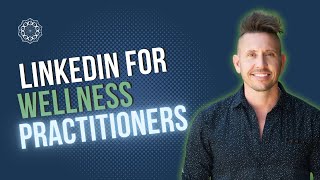
Joshua Lee walks through LinkedIn strategy for practitioners: optimize your headline as "I help X do Y so they can Z," post three times weekly with 70% educational content, and use Sales Navigator to engage before pitching. He says it takes 30 to 45 days to enter the algorithm, but some conversations happen within a week.
Questions this video answers
May 21, 2024
About 21 years (he says LinkedIn has been around over 20 years and is hitting 21 years this year).
~1 billion people on LinkedIn; ~4 million active regularly; ~10 billion content impressions weekly (as stated in the conversation).
About $100 US per month (as stated).
You can connect with about 400 people per month (he cited this as a rough limit).
Chapters
Hello, my friends, and welcome to Perfect Practice. Today I have a very dear friend special treat for you. My friend, Joshua B. Lee. I call him Josh and he is the dopamine dealer on LinkedIn. And if you ever get to know him like I have, you will know that he's one of the most positive, caring, compassionate human beings you'll ever meet. And one of the things that he's going to talk to us about today is the human algorithm. How do we make social media and all the interactions that we have in our life more human? As part of the world traverses towards becoming less human, Josh is taking a stand for humanity and teaching not only entrepreneurs, but healthcare providers like you how to bring that humanness into the algorithm of life, into marketing, into social media, and anywhere else that you can think of. Josh, I am so excited for our conversation today. You just did a bang up job with our mentorship community, so I'm excited to share you far and wide with our podcast community. Thank you for being here. I know how busy you are and I know that you are passionate about helping people. So this is a win for our community and I know a big win for you because you just absolutely love sharing. And I've, and I've noticed that about you and I appreciate about that about you so much. We've had a chance to meet in a variety of different masterminds together. One of them being Archangel with Giovanni Marcico, another one being Amber Spears mastermind. We got to hang out there pretty recently and also through Genius Network. So appreciate you, brother. Lots of love headed your way. I'm excited for our dialogue and conversation today. Thank you for being here.
Oh, man. Let me tell you, the honor is all mine. I've, as you said, you and I have known each other for so many years. I think it was Kevin Thompson that originally produced Potentially and you know, going on and go back there and it's just from that side to, you know, for me, you said like, I look, I've got three kids, I've got, you know, running a business, going through those other aspects and there's a lot of things that I can and cannot make my time for. But for you, brother, I've seen you show up for this world so much, so often for so many that I will always make time for anyone that you are associated with your audience and to be able to have this conversation because that's the only way we're truly going to be able to change this world for the better, you know, to be able to have enriching Conversations that are a hundred percent transparent with guys like you and I, you know, being able to share what's really going on rather than going, hey, look at my car. Whatever. The other marketing BS that they've taught the. I call it bro marketing, right? You know, it's like, come on. Like, you're like, hey, bro, you should be like me. And I'm like them. Probably not. They should be like them because that's more important. That's the human side of it. So I love that. Yeah, man. Lead away. And let's, let's just, let's dive in.
Okay, well, let's, you know, let's talk about you being the dopamine dealer. What does that mean? Tell us what that means.
It's always funny, too, because when I was getting on the, the call with your group as well there, it was like, oh, they're gonna be excited. And I introduce you as the dopamine dealer. I'm like, yeah, well, it's, it's, it's, it's all how you take it. So, you know, you can look at, you know, our good friend Joe Polish, right? Like, he'll be like, oh, well, you gotta watch out. Dopamine being. It's, it's how you actually go through and use it. Like, for me, it wasn't a title. That was. I was like, hey, I'm gonna be the dopamine dealer now. You know, I had actually done a podcast with good friends of mine, Matt Wolf and Joe Fier. And Matt Wolf now is, you know, huge in the AI world now, huge following. But when the podcast came out, I explained what I did on LinkedIn. It was Joshua B. Lee, the dopamine dealer of LinkedIn. And honestly, man, it was just. I explained to them what we do on that platform, which is where most people spam, say, hey, I'm going to send out a thousand messages and hope to get the one sale. When in essence, all they're doing is pissing off 999 people. And I said, you know what? I'm going to take a different approach. I'm going to take the things that my mother taught me how to be able to treat other humans beings. But I'm going to do it online. And by doing these things, it was able to allow me to be able to start conversations, and conversations turned in relationships, and relationships are what really, truly open up massive opportunity in this world. And so that's when I kind of explained themselves, and it was like going through, like, if I'm giving someone and making it about Them acknowledging something they don't, they. They take for granted. Boom. A little dopamine hit, right? Giving them a compliment. Dopamine hit. Asking about them. Dopamine hit. Like, it puts them in a flow state, allowing us to truly have a conversation, which I always call. It's. It's like a door to the couch mentality. Instead of me knocking on the door going, hey, I'm Joshua Lee. Ever thought about using LinkedIn to get leads, you and I sitting on a couch? Because we built that bond, those dopamine hits that we've. We've garnished together, and now it's just two friends having a conversation. That's where. That's what I want to be able to show everyone. Right. Like, it's not about sales, it's about truly coming together to create opportunity, allow that byproduct to be whatever it might be.
Yeah, I love that about you. You know, from the moment we met, you know, there was just this instant connection. And, you know, that was probably like three or four years ago now, at least.
Well, and then you factor in it had to be pre Covid. So, I mean, like, it could have been. We always had that Covid time warp. So, you know, sometimes I'm like, didn't that happen like two years ago? Like, no, that was like five. I'm like, oh, yeah, forgot about that time warp. That happen. Happen in there. Yeah, yeah, it's been a bit.
It was right around the time the world flipped upside down. And it was. It was interesting how you showed up in my life, which was through Kevin Thompson. And we were part of a mastermind together, and we were part of the same pod. And, you know, it was just. You're just a magical human being. And I've. I've enjoyed seeing how you've evolved over these last few years, taking these skills that you have, building multiple different ventures and businesses. And now you've, you know, basically focus. You're focusing a lot of your time and energy on LinkedIn. So the question that's going to come up for a lot of people because we hear about Instagram and TikTok and Facebook. Why LinkedIn?
Great question, you know, and that. I get that all the time. Like, LinkedIn, like, that's that platform that, you know, we put a resume on. I'm not looking for a job, so why do I want to be on LinkedIn? And it's really evolved in it so much more because again, LinkedIn's been around for over 20 years, brother, and it's actually hitting 21 years. This, this year. And so like when you see that kind of evolution of a platform that's been around longer than most, most, I should be honest, along, longer than any other social media platform at this point. You know, there's an evolution of what's happening. And especially with Microsoft coming in and actually purchasing LinkedIn a couple years ago, they really have made that shift. And why LinkedIn? Because the type of people that are on there, they're not going there like other platforms to lose themselves in someone else's life. LinkedIn, the people are actually going there either to be able to add value, to be able to get value, or to be able to understand and be able to look into someone, to be able to go, okay, well, let me see who this Sasha guy is, right? Let me see what he's all about, who he's done, what he's done, where he's been for verification. And so like, that's what the platform's all about. Like when you truly kind of go in there and understand that there's a platform to be able to add value to other educated individuals that are our business decision makers, you know, and honestly, generating a revenue scale that's a lot higher than any other social media platform, it becomes a win, win, win, right? You can actually, truly create a massive change. Not only that, brother, I'm not competing against all these half naked influencers that are out there trying to sell me some sunglasses, right? Like the people that we work with, I call them thought leaders with influence. Because the thought leader, yeah, you just put out there. But a thought leader with influence actually is not only just putting information out there, but also allowing change to happen because of that information. And because of that, I'm able to be able to get on that platform and be able to get massive reach on a platform. There's a billion people on LinkedIn right now. Only about 4 million are actually active on a regular basis. But those 4 million are getting access to 10 billion content impressions weekly. So organically, there's no other platform that I can win on in that kind of scenario with the right people that are really take action with the people that I want to be able to talk to.
Wow. Compelling, compelling statement. Thank you.
You get an AI too, if you wanted, man. Because again, where they're going on the AI side is I was having a conversation earlier today, like what they're doing with OpenAI because Microsoft, let's be honest, Open owns OpenAI as well. Like anyone sleeping on that platform now, like, don't miss out because Again, it will be the future of business and the future of search in the next year or two.
You know, my experience with LinkedIn is kind of what you described. I was probably one of those 999 people that got spammed.
Yeah.
And every time I open up my, my LinkedIn inbox, there's just more of that.
Yeah.
So how do you, how do you stand out and so you don't get categorized as spam? Is there, is there a formula that you have for that?
Yeah, man. I think it's. This is that whole human algorithm. Right. Understanding what that is, because I think that's where it first starts. Because if we actually understand. I don't know if you ever watched. Do you ever watch that Netflix show the Social Dilemma?
Yep.
Came out a couple years ago. I remember my mom watched it and she was like, I can't believe they're doing this to us. They've been doing. I'm like, yeah, they've been doing it for 20 years. And I've kind of had an inside track into that because one of my first clients was MySpace. And so, like, I helped them design one of the first social media ads that a lot of social media ads are based off of today. So, like, I've seen this from a side that most people don't see, and there's a conditioning. You're conditioning us on these social media platforms to, like, comment, share posts, like comment, share, post, be caught up in this pattern that we don't even think about. We stop taking these things for granted. And the one thing I realized, especially post Covid, was there's so much in this world that we do take for granted that we don't pay attention to. And so if I take that kind of same thinking and place it upon that human algorithm that we've been taught online, how do we actually do this on a platform like LinkedIn? Well, for me, it was appreciate people the first part, rather than going, hey, Satya, never thought about using LinkedIn to get leads. Right. Or, hey, I see we're in the same LinkedIn group. Or, hey, I see you're from Canada. You know, I love people that are from Canada. You know, it's always the usual, whatever small piece they can pick up and all of us can tell, okay, we're in. We're in a funnel, and it's just a spam funnel. And they're going to keep on going. But if I reach out and I go, hey, Sachin, ma', am, I saw you looked at my profile. I just want to Reach out and say thank you. You know, too often we don't appreciate that. Love to find out what pushed you to look me up or I saw you like my recent post, I just want to reach out and say thank you. You know, too often we don't appreciate that. Love to be able to find out what push you to engage in my content. Right. We're trying to start a conversation. We're saying thank you for something they take for granted, creates a stop gap in their pattern, allows them to be able to hear us now and be able to have that true conversation because this is something they've taken for granted. Now that's just interacting with people that interact with us. Right. I hate cold call, I hate cold emails. So I never want to be that guy. And so that's my way to be able to go. Okay, these people looked at my profile, engaged my content opportunity. Let's see. Let's explore. The other side of it is we have people in this world like yourself that are posting amazing content on LinkedIn, but the average person gets less than 1% engagement on that platform. And so when we look at that kind of scenario, what I want you to think about is, well, if you posted and let's say you got five likes and maybe two comments, if I go in and deal you the dopamine, become the dopamine dealer, like your post, comment on it and then reach out to be able to say, hey, Sacha, I saw your recent post on that podcast with Josh OB Lee. Man, it was amazing. You know, thank you so much. I learned a lot around LinkedIn. It's different, right? We're starting with that word, thank you. I think that's the biggest thing because usually most people are making it about them rather than making it about the person that's going in. And all that changes from cold outreach to in reacting to someone taking an action first on that platform. Make sense?
Absolutely, absolutely.
So that's kind of what the start of it, right? That's just the cusp. And I'm happy to go deeper into it, but I wanted to kind of show that difference of how that feels, getting a message from someone like that. And I don't care what level you're at, if you're, you know, looking for a job, you're a university student, or if you're a CEO of a company, like, you're taking time, energy and effort to be able to use that platform because it's so different, because it's a light in a dark tunnel opera. The opportunity for you to Be able to engage with that is so much higher.
So maybe you can walk me through a scenario. So if I'm a practitioner.
Yeah.
And I want to be of service and in service of others on LinkedIn. What are some. What. What are some examples of content or ways to outreach to people? Where, where do I start?
Well, first and foremost, I want you to start with your profile. Right. Because again, if we build content or we do outreach without actually going through, to be able to have the right profile fully fleshed out and telling not just your resume, but your career journey, you're going to miss the opportunity. Most people don't go past that first page, your banner and your title. So, like, that's that whole piece option. Like, that's great. You might be a doctor, you might be a practitioner, but that's your title. That doesn't speak to me. What do you do? So I always say, start with your profile and start with your headline that says it's an XYZ statement. I help X or I support X to do Y. So they can have or achieve Z. Right. X Ideal, ideal client. This allows it to be polarizing. This is, oh, that's who I am. Or nope, that's not me. Right. We want to draw on our tribe and push away the people that are aligned. They don't need to have a thousand conversations that aren't going anywhere next to do X. Right. Yes. We have to talk about what we do, but no one cares in the long run how the hamburger is made. Half the time. They just care how it tastes. Right. They care about the outcome. Like if you walked into a restaurant and they were like, hey, you know, I know you ordered that burger, but if you want me to show you how to make it, I'll just charge you a dollar rather than the five. And people are going to take that and they're going to see it and they're going to go. And that's a lot of work. Okay, can I just pay the five now that they paid six bucks for what they could have already started with. But we have to be able to show them for them to understand that value of what you're doing. But truly, we make decisions as human beings emotionally, some degree of. Of love or hate. And so we have to be able to have that opportunity, that outcome. What's that? Emotional trigger. So I help X to do Y so they can have Z. Right. It starts there and then using your profile to be able to tell people where you've been, where you're at and where you're going, right? Just like a storyboard of your life. Because the more you talk about where you've been, like me, like, I worked at a, as a server at a restaurant called Chili's. You know, back in the day was my. One of my first jobs. It allows someone, rather than going, oh, Josh, CEO standard authority. Don't be neither of LinkedIn. And then they're here and every time I tell them about another position I had, that, that gap between me and my audience gets smaller and smaller and go, oh, Josh, you worked at Chili's. Me too. Right? Now we have common eye. Now we have connections. So that's where your starts with the profile. And I think that's where people miss out on because they don't take the time out. They go, oh, I've got to get the content, I've got to get the outreach. But if you do that and you draw people into somewhere and they just bounce, you just waste all your time and energy doing content outreach. That's not going to go anywhere.
Okay, so first step is get your profile dialed in.
Next, Next, you've got to put some content out there. Right now you're not going to just ideally draw your ideal audience, but I want you to be able to contact us to kind of back up that you're the authority in your space. And I want people to be, to be an authority over an expert, because right now in the world of AI, everyone's an expert. And if you're only listening, I'm using air quotes on this aspect because they're like, oh, like, if I wanted to be like, oh, I. I can do exactly what Sachin does. And I'm gonna ask ChatGPT and I'll pretend like I know health and nutrition as much as this guy right here. But like, I guarantee you, I do not. And I will be found out very quickly when people start having that kind of conversation. But people can will continue to try and be those experts now. So we want to be the authority that people go to every single day. And so when you're creating that content, we have to be able to back that up. And I always use Sachin, the October 2070 rule of content, which is 10% personal, right? I need people to be able to understand that I'm a human being, right? I need to be able to build that commonality. Now, I don't need to know, like on Facebook, right? My kids are going to school today, first day of school, but I need to know you have them, right? Like, oh, Sachin, you have kids, Josh, I do, too, right? Boom. That's amazing. Commonality. Oh, we're both dads now. We actually have that. And that's what people look for. So we have to have that 10% personal, that uniqueness that brings you into the picture. 20% of your content needs to be around your company, but not what you can do what you have done. Right? Use storytelling so people can see themselves in those stories and go, wow, I'd love to have that same experience. Right? That's what people are looking for. We only do it 20% of the time because we never want to be that person in the room that. That's always talking about ourselves, right? We don't be like, oh, there's Josh, that you never shuts up about LinkedIn. Like, you would talk about you and I being in all these events that I only talked about LinkedIn all the time. You were like, all right, heard this guy before. Next. And you and I wouldn't be talking right now. But that's everyone on LinkedIn, they're always talking about themselves. So we only do it 20% of the time because 70% of what we need to be doing on LinkedIn is educating and aggregating value for our audience. We want to become a destination website. I want you to be the authority in your field that people go every single day going, man, I don't have to go read all the different blogs, all the different, you know, websites every single day, because Sachin is going to be the one to be able to really look into it as an. As an authority in the space. And you go, hey, Here's a. Here's 50 pages. Here's the 10 lines you really need to be paying attention to right now. That's what I want you to be able to show up on LinkedIn every single day. Because even if you give them everything, my friend, they still can't be you without you. So if you educate them enough that they have a problem or they have an issue, they're still going to come to you for the solution. And so that's that. 10, 20, 70 in regards to content. So we've got the profile, we got the content. Now we're waiting. We're looking up in the air, right? Where's our people? Where's. Where's everyone finding us? Yeah, that's the biggest thing, man. So often so many people just put out content and go, okay, find me. Look it up in there. You have to be active about drawing in your audience. So what we do on LinkedIn is we use LinkedIn's built in CRM system sales navigator. And I don't use it like everybody else because most people go in there and they go, hey, let me just message all the, Hey, I see you're in marketing. You know, ever thought about, you know, whatever? We already went down this path, but I actually use it to identify my audience better than any other social media platform out there. Now it is a hundred dollars US, you know, a month. But usually the people on LinkedIn, the relationship that you can build with one person should be able to equate, if not 10x that investment on a monthly basis. If you're doing the way that I'm showing right now. And so what you actually go through, because here's the thing, you can only reach out and connect with 400 people a month. So if we break that down, that's 100 people a week. If we do a Monday through Friday, that's 20 people a day. So if we're actually using a tool like Sales Navigator to identify our exact audience and then also use this little button that says active on LinkedIn last 30 days, I can get a pretty tight audience. And now I can do what I talked about earlier. I can, I can engage on their content, right? I can like comment their posts, I can reach out, connect with them and draw my ideal audience in to now look at my profile, look at my content. And when I'm having that conversation with them in the DMs, now we create that opportunity and that relationship even deeper.
Okay, that makes sense. How long, how long does it take to start seeing results?
So when we work with our clients, you know, it takes us about 30 to 45 days just to be able to get in the algorithm and to be able to, you know, rebuild the LinkedIn profile, to be able to make sure we're getting content going. But I mean, seriously, once you actually, because like you have to have all those pieces first, some content, the profile done before I start messaging, it is organic. But like I've been able to show one of my other past clients and a good friend of mine, Dan Sullivan, with Strategic Coach, you know, we were able to show him that we're able to have a relationship, conversation building opportunity within seven days from first acknowledging the action they've taken. Remember, it's looked at our profile, engaged in our content, or posted great content online, saying thank you from there. This is the whole thing. We wait for them to connect. Oh, wow man. No problem, man. Happy to be able to do it. I looked at your profile like an X or engaging your Content or whatever it is, they connect from there. This is where most people mess up. That's when they start talking about themselves, they start making it about them. Hey, well, that's great. I'm so glad you connected with me. You want to, you know. You know, have you ever tried functional medicine before? Right. Like, again, you don't know who they are. My mom always taught me when I meet someone new to be able to give them a compliment. Right. You know, again, oh, man, I. You're walking down the street and I love your shoes. I'm a sneaker head, so of course I go to that initially. Or, you know, great car, great dog, whatever it is. Well, on LinkedIn, a compliment is an endorsement of their skills on. On their LinkedIn profile. Now people go all the time, how can you endorse someone that you don't know? The number one rule of my house with my kids is it's nice to be nice. Right. I told you in the beginning, like, I'm doing this to be able to change the world and change marketing, not just for me, but for my kids and future generations. And we have to be able to show them those same ideals we held in our home. We should be able to hold online as well, not just because we can't see the other person on the screen. So again, we endorse. LinkedIn goes, hey, Sachin, Josh endorsed you for medicine, right? Or for functional medicine. Right. Being able to go through. Do you want to say thank you? Well, of course you would. Just hit the button. Wow, thank you so much. Now it flips the entire conversation. You're starting the conversation with me. Oh, Sachin Heyman. No problem. Happy to do it. Hey, by the way, quick question for you. I always love to understand someone's mindset, you know, because people love to be experts, right? They love to be able to talk about what they know. Hey, can you give me what are your thoughts on this? Or. I'd love to understand. I forgot. For Dan and also for Joe with genius, we did the same question. Cause it actually worked really, really well. Understanding someone's mindset was like, hey, the question why I have you as I love to understand someone's mindset when building relationships, do you consider yourself an entrepreneur or a business owner with an entrepreneurial mindset? And what that allowed us to do, my friend, was understand entrepreneur. Okay. Early on in their career or they've been doing it for too long, they're burning the candle at both ends. You and I both know being an entrepreneur is exhausting. You know, we're we're hustling all the time. Business owner with an entrepreneur mindset. They probably have a team around them. They probably been doing this longer. Their mindset is shift to more of a growth mindset rather than, hey, I've got to wear every single hat to be able to make this work. Or I get silent answer. C is I work for somebody else. But however they answer, it allows me to be able to not just lead with value, but provide value. And even if they give you the wrong answer, leave with value. Right? Giving them something that even if they go, oh, I work for somebody else. How do we actually provide the value? With Dan and was with Dan and Benjamin Hardy, we actually were helping them relaunch the book. Who, not how. And so we were giving a free plus shipping book with that. When they answered the question that was, you know, wasn't aligned with strategic coach. And so that's kind of how we do it. And I'll tell you, I've done it in seven days now. It can take longer. There is a long tail and a short tail, everything. Because you're gonna have the people that are on LinkedIn engaging back and forth, and they're gonna have the people, because we have clients all the time that kind of come to us and go, hey, I know. We haven't. We. We stopped working together a couple months ago. Are you still on my account? I'm like, why? They go, I'm still getting messages. I go, well, of course, right? We set that. We set the. The wheel spinning. It doesn't just stop immediately, right? The wheel continues to be able to spin because it's all organic. We're not talking about paid. So that's where that opportunity kind of happens. And as you continue to be able to have These conversations, these 400 conversations a month, that keeps on growing and growing, growing, creating more opportunity.
You know, as. As you're speaking, you might see my eyes kind of like wandering around. It's because I'm on my LinkedIn profile because he's updating and tweaking things as. As you're speaking.
And I love it, dude. You know, it's funny, like, so when Gio and I had a similar. Giovanni had a similar. Same thing. Did the same thing with Evan as well, too. Evan Carmichael. We were going through. I was on one of his podcasts and he's like, hold on, let's just do this. Tell me why I suck. Let's just. Because I'm already looking at my profile. So, like, we're just going to turn this in the podcast, tell me why I suck. And you're going to help me go through your profile. Because it really does. I mean, once you actually start making it about you making it about making it human, being able to tell a story, those commonalities come in and people go, wow. Because there's a ton of people in this world that do similar things to you, but they're not you. And so how do you actually build that relationship? First, because as human beings, we look for commonality in our. In the people that we surround ourselves with.
I love it. I love. I love that you've helped Evan. You know, I've been on his. On his show before, too, and he's so funny because he'll be just like, tell me why I suck. And I'm like, I have to like, Evan, you don't suck. You're a nice human being, dude.
It was so hard, too. I'm sitting there, I'm like, I'm not gonna tell you why you suck, because you don't suck. There's some things that you. We can improve on. But you're right, it's. It's. I think that's why he does it too, because he's like, I think it makes people uncomfortable telling me why I suck. But, like, I think it's hilarious watching them kind of squirm a little bit and go through. So. But yeah, no, it's. It's. It's amazing. But, like, this is. This is that whole piece, right? Like, if you can actually go through. I. I talked about it, right? Being a thought leader with influence. Right now, I'm sharing with you knowledge that I have, and I'm influencing you to be able to take action immediately. And that's what your community needs to understand, too. The power is there. It's not just on podcasts like this. You can do that straight from LinkedIn better than any other platform out there.
I love it. You've got a book called Balance is Bullshit. Tell me. I want to. Not to switch gears too abruptly, but it's not.
It actually. There's a lot of alignment. Yeah.
Yeah. So tell. Tell me about the book.
I wrote the book. I was in a relationship for 10 years. You know, I've run multiple different companies outside looking in. I was considered successful. I was the marketing guy. I've done. In my career, brother. I've done 35 trillion online impressions across my own servers. I've managed over a billion dollars in advertising, and I don't know how many people I helped. And people go, oh, well, you made a lot of money. You're successful. I didn't feel successful. Right. I remember times at my point where I would actually stare, would go in my office, an office that all I always had my doors open. And I always wanted to make sure that as my kids were growing up, they could hear everything that I said. If I couldn't say it for my kids, they didn't want to say it. And I remember those doors shutting at certain points. And I remember staring at the wall and contemplating if I should be on this planet because everyone else in the world for eight hours a day, like, again, it was just like, oh, well, Josh, man, you barely work. You've got all the employees. You got, you know, 10 different companies running six, seven, eight figures. You're crushing it. And I was miserable because I had done and built everything based on a mentality that was old, a mentality that you have to be able to amass as so much amount of money. And money is the driver. Money should be the byproduct of what you do, not the driver. And so I was living this whole work life balance that we're all sold into. And in this world, like, there is no balance. Balance is static. You don't move, there's no movement. You and I both know you have to have movement for growth. It's like saying, hey, Sachin, where are you at zero to 10? Well, someone says zero, they're dead. They say 10, I'm going to say, honestly, you're dead too, because you have nowhere to go. I always want to aspire to be a nine. I always have opportunity for growth, but having that balance is just static. And so, like, for me once, I actually went through and had a good friend of ours, Jesse Elder, actually give me permission to be able to take my life back. I walked away from everything and I reset at 36. And I said, hey, I need to be able to share what I learned. Because if I can't share and I can't be open and vulnerable about what I learned about being in marketing, being a human being, being a father, how are other people going to learn? Because I never want another person to be able to find themselves in that situation. And I'll be honest, when I wrote the book, I was like, I'm going to be a life coach. I had my man bun, my mala beads, my. My pendulum had swung and I was deep into it. But I realized really quickly I wasn't a life coach. And I was trying to forget my past, to forge a new future. And so, like, I Said, like, the book doesn't totally step away from what I'm doing now because I realized I had to humanize the way I was online and be able to shift and change marketing. And once I actually brought my marketing background that I tried to forget because it caused me pain, and I actually realized that it was a driver for me. And then I paired it with where I was trying to be able to go. That's where I started being able to work with men and women that I used to read their books on how to be able to start my own companies 20 years ago. And so that's what it's all about, man. It was like, I didn't write the book for anyone else other than me to go, hey, here's the things that I, quote, unquote, messed up on, didn't make the right decisions, and how I changed and how I. I not only changed it with myself, but within my family and for my kids. And hopefully that inspires someone else. So that's. That's the book, man. And that's honestly why I'm the dopamine dealer today of LinkedIn, right? And why I get to do what I do, because I took that time to be able to share my story, not just for myself, but for others.
I love that. So, speaking switching gears again, going back to LinkedIn, you talked about kind of humanizing ourselves, right? And you know, it's a totally different platform than Instagram, right? Than Facebook. Can you give me, like a. What a week's worth of content might look like for you or. Yeah, I don't know if that's too tall of an order, but maybe, like, what. What's kind of going through your head when you're kind of planning your content? Or do you plan it out? Or is it, you know, just what comes to mind in the moment?
Plan it out. Oh, I. We have three. We always look for three different content pillars. Because unlike other platforms where sometimes like Twitter, AKX, I've got to post every. Every day, three times a day on LinkedIn. If you. Look, man, on average, I post three times a week, right? Because I know the impact is there. I don't have to be able to create tons of content. That's overwhelming. Three pieces of content. I'm not talking about massive pieces of content, right. I needed to have anywhere from two to maybe 3, 400 words, right? Like being able to go through there. And so when I look at the different content, I go, what makes up me? Because I have a lot of people, like, look, I came from A background that I had multiple different companies. People go, why I need I 10 different pages if I have 10 different companies? No, you just need one. Because there's one commonality. You, if you start with that, you and you build that, that human connection. Not thinking B2B or B2C business to business or business consumer. But understand that every person that run is a. Every company is run by another human being. So it's all H to H. So how do we actually build those relationships? How do we build those commonalities? So like my content goes from, I talk about entrepreneurship, I talk about LinkedIn, surprise, surprise. And these days I've been really blessed to be involved in the next revolution. I see coming having some early partnerships with LinkedIn and testing some of their AI beta stuff that they're, they're partnering with Microsoft and OpenAion. And so I talk about the AI and how to actually use it as a, as a tool, not a replacement. How it actually can empower us as human beings, not take over for who we are because it doesn't have those emotional intelligences that we have. And so when I can't think of my content, okay, I want to be able to probably do one picture with some content. Now remember, I don't need overproduced. This cool thing called a phone that we have these days has a massive, amazing, amazing camera. So I want it's real and raw versus overproduced. Because people see overproduced, they're waiting for the pitch. I've been doing this online marketing thing for 20 plus years. There's always a timeframe where we go, okay, we can trick everyone. Remember sponsored ads on Google? Remember when you didn't know what they were? Probably not, but there was a time that we made a lot of money before people realized those first two or three listings on Google were sponsored. Now most of us click past the first three we see sponsor, we go in and we start clicking on the results. So that's that same scenario, right? Like, okay, how do we actually be able to go through there? So like when we're actually creating that content, like I want to make sure that we're adding that value that we're going through. So lost track of where I was at. But like the content aspect of it is I need to be able to have the picture in a post. I need to be able to have. I love carousels. Just like on Instagram. Carousels do really well on LinkedIn. But PDFs, so it's a continuous PDF, right? Like one long PDF each page becomes another set of that carousel because it has the most visibility on the platform. And then now as well, I'm doing anywhere from 30 to 60 second videos because LinkedIn's diving deeper into video again for the, the fifth or sixth time. But I think they're really going to try and stick to it. With everything going on with TikTok and everything else. There's a huge opportunity that we're seeing. I saw, I had a conversation with another friend of mine that's very deep into LinkedIn and knows a lot of the guys over there and like Reid Hoffman and things like that that started LinkedIn and sat on the board of OpenAI and they see LinkedIn learning and they see those videos that are made in there and that's going to be something they're going to start adding into the feed in a way that actually highlights videos rather than just losing yourself in someone else's life. What platform can I go to to be able to watch videos, to educate and inspire and, and draw people in? And that will be LinkedIn. I think that's the point that they will take on the video platform front. And so how do we do that? Right, like write like a fifth grader. Use, use tools. I mean like look, you can use AI to be able to say, hey, does this make sure it reads as a fifth grade level? The average person, this world reads at a fifth grade level. You know, you can use other apps like hemingwayapp.com and again it goes through and tells you but we have to be able to understand that even though we might be brilliant, as I know you are my friend, if we are too brilliant, people will just glaze over and go to the next post. And so that's where it kind of starts, man. It's being using that 10, 20, 70, thinking about the three pillars of content that really make up you, you and then being able to create the content that as is relevant on today's basis and be able to make sure it's. If someone can take it in and be able to process it in a way that they actually get to the bottom. Does that help?
Yeah, it does.
You know, I give a lot of information there and I kind of went on a. I go on my tangents but there's, it's, it's a very loaded question on how to be able to create that content because it's always different. The one thing I will give you before I shut up and let you talk is do you all have the LinkedIn news feed in the right hand corner of your LinkedIn in Canada.
Let me see. LinkedIn news. Yes.
Okay, so you ever hear about trending topics like you talking about Twitter, Instagram, hey, these are the things that are trending hashtags right now. That's your trending topics. LinkedIn is run by their news team. We live in a 24.7news world and this is a platform of experts in every field in the world. News runs this platform. So this is a thing, it tells you the top stories. I'm looking at it right now. You know that one of the top stories on here is how to kickstart a career. Top news 114, 51 readers. It's telling me how many readers are on there, right? Being able to go through when it was posted, right? Being able to go, if I have a way to be able to add value to that, I know that I'm going to get visibility on the platform. So if I can actually look at that and go, oh, I know that topic. Oh, that resonates with my audience. Or I have a, I have a thought, an educated, you know, hypothesis around this. Use that to be able to create one piece of content every single week and I guarantee you, you will not only get more visibility on the platform, you'll be highlighted by the LinkedIn editorial team, which will get you more opportunity as well. So a little pro tip there.
Awesome. So I noticed, like when I, when I scroll through LinkedIn, I notice a lot of the information is kind of business related, so to speak. How do you make your health messaging stand out?
Remember that everyone's human, no matter if it's talking about business. Right. Like it truly, how would you, every single one of these people that are on there, that are running these companies that are selling that are doing whatever, they have health concerns. I've gone through my own, right? Like, I'm pretty open about what I was going through. I mean, like you asked me before we started here, how are you doing? I express some of the things that I'm going through health wise. I had a little panic issue that I dealt with on this weekend and stuff like that. And you know, you offer that support, that how do you do it? You start open up, you're talking about these different things. I just did a post a little while ago about men's mental health, right. And what's going on in this world about, you know, male suicide and what's going on? Like people go, well, that's not, you know, that's not something that would be, no, guess what, there's a whole bunch of men on LinkedIn. There's a whole bunch of women on LinkedIn too, and they all have their own issues. Outside of that, they're going there to be able to look for information on what to be able to do, how to be able to take it, or provide value. Share the way that you wish someone would have shared with you, right? Talk to them like another human being and your post will show up higher than any other thing talking about their, their shiny object. Because guess what? No one cares about your shiny object. What LinkedIn's looking for, that are the people that are actually truly adding value and giving actionable steps on their platform. You have, as a, as a practitioner in the medical field, you have more power than that platform than most people, because guess what? You're not just another person trying to sell them something they don't need, which is what half the people are going through to be able to do. You're actually going there to be able to educate them on what might be going on in their life that they're too scared to talk about.
So one of the things I'll speak for myself, and maybe it's just me getting out of my own head and overthinking this, is that in the beginning, you know, you, you may or may not get a lot of traction, right? And you know, on platforms where I do have more traction, let's call, let's say Facebook as an example. Although Facebook, I feel like I'm being shadow banned on. Is there any shadow banning on LinkedIn? Let me, let me ask that question first.
I haven't seen it yet, but I mean, like, I've, I've, I've heard that there might be, but for the most part, like, I have a, a good friend of mine, she has a huge podcast on child trafficking and, but she's also a very well known movie star. And she's like, on Instagram, I post about child trafficking. What's going on? Trying to educate. I get like one, you know, I get like a couple hundred views, you know, and she's got like 3,4 million followers on there. I post half naked, got no issue. She goes, it's insane. I go, you're not going to have it. And we've been able to show her that on LinkedIn. Like they're looking, they'd rather, they don't want the half naked videos or pictures. They want the value. And so that's that whole piece now. I had the same conversation. Why can't I remember? I've known him forever and I'm losing track we were talking to him at last. Genius. One year. No beer.
Rory.
Rory, thank you. And Roy's like, dude, I can't post on there. Like, who's gonna engage that? They have an alcohol problem and they need to be a guy. I go, you're talking to the wrong audience. You're not talking to the people that have the problem. You're talking to the family members that, that have someone in their life that have a problem. You're talking to the co workers that see someone that has an issue. I go, you have to be able to switch up your messaging because, yes, you might be. There's a lot of people like, oh, yeah, I've got anxiety issues and going through, you know, like, hey, like the post. Oh, thank you so much for talking about it. I deal. People are scared to be able to be vulnerable. You and I both know that. You and I are probably very vulnerable, more vulnerable than most people are used to. And so we have to be able to understand what audience are we talking to? Are we talking to our direct audience? Are we talking to people that surround them? And that's where I would shift some of the, some of your audience that are listening to be able to shift how they actually write their content and who they're writing it to. Does that make sense? I mean, because in my mind it does, but I'm not in your field.
So yeah, that makes total sense. And we can all think of someone who might be struggling with that. And, you know, and to his point. Right. I can see why he would think that way as well.
Yeah.
Who's gonna, no one's gonna out themselves, but.
Exactly. You might lose your, you don't lose your job, being able to go through there. So, like, that, that's that whole aspect, right? Like, I want you all to, to be able to shift again because I've, I've. I've had a lot of people in my world that have had different medical issues. And I will go to look up to be able to find out who can I connect them with, what's going on? How can I support what's going. Same thing when you and I were talking. Hey, whatever I can do. I just had a conversation with a good friend of ours as well, Dane Maxwell, and he's like, hey, who can I, you know, who can I connect you with? Right. When you, when you talk about these things. So people look for those things in this world. How can they be able to actually add value to someone they know is hurting? And if you're actually that, that light that Actually does that. Of course you're going to find the people that go, man, that's me, they'll DM you. They're not going to engage in your content. That's okay, right? Likes and comments, they're just vanity metrics. They don't mean anything. The real people go, how do you actually, you know, track your KPIs? I go on the conversations, right? I, I could get, I could have a post that has, that's 10 likes or two likes, but if it spurs two or three conversations, I have one. I could have another post that has a million. There's a lot of people out there, Sachin, that create viral content. The cat video, hang in there, they get a million likes. How many real conversations do you think are actually happening from that content? Not much. And so that's where I want people to be able to change their perspective. Right? What conversations? How are you being polarizing enough to be able to push someone to love or hate you in a way that is not negative? Right. I don't want people to hate you in a way, like, but again, we have to be polarizing enough that actually pushes them to engage. Right. One way or another. Because if you're indifferent and putting in different content out there, you're not only wasting your time, you're wasting the reader's time. Right. And what's that do? It might give you some vanity metrics, but in the long run it changes nothing on this planet. And it changes nothing for your pocketbook either.
I love it. Always learn something new from you. And every time, every time we talk, I always go in and I make some tweaks and upgrades to my LinkedIn profile. And I will be the first to admit that it kind of ends there. But what I did see when I went on my LinkedIn profile is my wife's posts and her content showing up on my feed. Because she attended your training last week. Yeah, for our community. And she told me how, how she loved it and she's like, oh my God, this is such an untapped opportunity and a new channel. Right. Sometimes the, the channels that we have, not that the well runs dry, but, you know, it's. It's always nice to spread the message to a new audience who may be more receptive to it or maybe hearing it for the first time and spread our wings a little bit. So not only have you inspired her, but me seeing her in there is now inspiring me because I know we can double down and have a bigger impact together. So thank you for that. I appreciate that so much.
Of course, man. I mean, this is what it's all about, people, you know, I'll share as much as I can to the people that are truly adding value to this world, not just trying to monetize it. Because that's how I tried to change this world on my own. Damn near kill myself trying to do it. Only way we can actually truly change this world to make it a better place is for all of us to rise up together and to be able to share that knowledge. And that's, that's what I'm doing, right? Like not everyone has the ability to be able to do exactly what you do and that's a good thing, right? And like that's why you can be able to share everything. And if they understand their value, they're going to stay in their lane and they're going to be able to bring you in to be able to level up together. That's what I want people to understand. That's why LinkedIn is so powerful. Not only for that opportunity, but if nothing else, all your wife's posts now are now only not only showing up on LinkedIn for you and for others, they're also getting indexed highly because the Moz score, the MOZ score of LinkedIn SEO value is at an all time high, 100 out of 100. So it's getting highly indexed on Google. And then now, as I, as I kind of briefly mentioned before, the future search, future business, which will be generative search, OpenAI and Microsoft are using LinkedIn to be able to index that next level of search. And the people that are actually leveraging using the content, putting their content, from their content to their newsletters, to their articles on that platform, are going to show up in all three. And that's opportunity being brought to you rather than you having to expend the energy to be able to go find it. So I'd rather spend my opportunity being a creative and sharing my knowledge, the world and having the world find me, rather than spending all my energy trying to spam a thousand people. I guarantee it's probably about the same amount of energy, but one actually gives energy back.
Love that. Yeah, this has been awesome, my man. Thank you so, so much. Where can, where can people connect with you? Where can they learn more about the work that you're doing?
I mean, of course, surprise, surprise, find me on LinkedIn. Joshua B. Lee. But don't send me that, that blank connection request, everyone. I'm like, look, I want you to connect with me, but tell me why you listen to Sachin. Tell me why you love him. You love his wife, the community. Because not only does that let me know who you are, but it also gives me a better relationship with Sachin. Right. And really being able to build that relationship with him. So please send me those messages and be able to go through. You can always check out my website, standout authority.com. but I'd rather be able to have that conversation that builds that relationship, that creates that opportunity for us.
Thank you, my friend.
Thank you.
Super appreciate you. Super appreciate the knowledge you always share so openly and willingly. And I know I'm going to see you in a couple weeks here in Austin. Looking forward to connecting with you then.
Likewise, my friend. Talk to you then.
Bye for now.
More from Sachin








Your Doctor Won't Prescribe This… But It's the Most Powerful Medicine on Earth

