Living Proof TV with Angelito Marcos Jr. and Dipa Chauhan-Patel
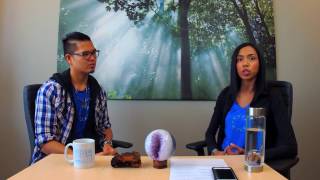
Living Proof TV episode (Living Proof Institute) — host Angelito Marcos Jr. interviews Dipa Chauhan‑Patel about her transition from hospital pharmacist to functional medicine practitioner after personal surgical complications. Dipa recounts a 48‑hour labor that led to an emergency C‑section, hysterectomy, and subsequent small bowel obstruction with a later recurrence. The conversation focuses on gaps in post‑surgical care and practical pre‑/post‑operative strategies: anti‑inflammatory diet, protein/collagen (bone broth/collagen powder), careful use of supplements (vitamin C, chaga; curcumin warned pre‑op), proteolytic enzymes (empty stomach), hyperbaric oxygen (12 sessions reported), infrared sauna, cold laser, Biomat, Clear Passage manual visceral therapy (reported claim: lowers recurrence from 30% to 3%). The hosts emphasise mindset, social support, and individualized pain management decisions.
Questions this video answers
About 48 hours.
Approximately 30% chance of recurrence.
They claim reduction from 30% to 3% recurrence.
12 sessions over approximately a two-and-a-half week period.
Take on an empty stomach, typically twice a day (timing varies by product).
Chapters
Hey, hey. What's going on, people? We are live. We are here live at the Living Proof Institute. And today we are in our special guest's office. We have Deepa in the house.
Hi everyone.
What's up to the people? And yeah, we're super excited to have you guys joining us today. First of all, we just want to thank everybody who's been tuning in for the first past couple episodes. We appreciate all the feedback and all the words of kindness and even what people have been mentioning to us. So you guys are what continue to fuel us to keep doing these episodes to put out this kind of information. So if you guys haven't tuned in, this is living ProofTV. So it's a weekly Facebook live show that we do and we center around different subjects and holistic health. You know, it could be everything from nutrition, personal development, mindset, spirituality, and everything in between. And we feature some guests here who have some amazing stories talking about their journey and. And also we focus around the subject of their interest as well too. And ultimately it's for you guys. So if you just tuning in right now and this is your first time, number one, we ask if you please share. So grab your phone there and hit that share button which we're gonna do right now. So let me see if this feeds live over here. So please share. Cause this is some awesome information that you know, could potentially help somebody out there. So I'll be your host for this show today. And why we're really excited about doing this episode is because Deepa has an amazing story. You know, when I heard about this, you know, I think just interesting at the Living Proof Institute, if you guys don't know, a lot of us basically didn't choose this job. Right. It's a role that we decided that basically found us because we had to learn the hard way. So we have such eclectic group of staff, from medical doctors to functional medicine practitioners, holistic nutritionist and person, the dominant coaches. And the funny thing about you, Deepa, is that she literally was giving people pills. She's got a trained pharmacist background and now she's actually helping people get off medications. So before we dive into, our subject today is speaking about healing from surgery. I'd love for you to share a little bit about your background, your story, talk about that quote that I just mentioned a little bit about your history there.
So I guess for me, I got introduced to functional medicine shortly after I graduated from pharmacy and I got introduced to functional medicine through my husband, Sachin Patel. And I was working in A traditional pharmacy setting at St. Michael's Hospital in the oncology department, which I absolutely loved. But it was very heartbreaking to see these patients who were on all these medications and suffering from pretty much side effects of chemotherapy. And I was getting introduced to a lot of concepts in terms of healthy nutrition and diet. And I really wanted to apply these protocols to these patients, but because they were coming in in such an acute setting that it was hard to apply some of these protocols, especially given the circumstances, being in the hospital and things like that. So that's when I first got introduced to it. And then I guess in terms of my own journey, I guess applying functional medicine principles and more holistic health and healing, it really occurred after the delivery of my son. I had a pretty decent pregnancy, no symptoms of pregnancy. It was very healthy. I was working out three times a week with a personal trainer. So it was a very healthy pregnancy. And then and a lot of complications with my labor and delivery. So it was a 48 hour labor. And then they finally decided to do an emergency C section. And shortly after the C section I was fatally bleeding. So they had to do a emergency hysterectomy. And then pretty much a week after that I developed a small bowel obstruction. So for me, that's when my journey really started with functional medicine. Right.
So talk about as well too, because I know we're talking about healing from surgery today. The first thing I actually want to dive into, first of all is kind of talk about that background of being someone who's going from, you know, from pharmaceuticals and then now using holistic methods to help people. Like, what did you see that's such a big difference in contrast from that kind of setting to what you're doing right now, helping patients in a different way.
So I guess in terms of my own personal experience, what I experienced is, you know, I'm forever indebted to the medical system. They saved my life on numerous occasions. And so, you know, with surgery they do an awesome job in terms of, you know, getting you back, back on your feet, I guess getting rid of the acute problem. But where I saw a lot of, I guess room for improvement is the post surgical care. I didn't have any follow up with the surgeon after both of my hospitalizations. It was just pretty much, okay, go home and you're good to go now. So there was no information on how I could heal from the surgery or how I could prevent reoccurrence. Especially with small bowel obstructions, there's a 30% chance of recurrence once you've had one. And with my first one, it was shortly after the delivery of my son. And so my primary focus was going home and taking care of my son, of this newborn baby that I just had. I was in the hospital for a month and wasn't able to breastfeed. I ended up having an emergency C section, so I really wanted to be able to nurse him and breastfeed. And that was my primary focus. And then I did have a recurrence of a bowel obstruction literally six years after the first one. So when that happened, I was really focused on how I could prevent that from happening again. So that's, you know, that gap in the medical system is what really. And I kind of saw that with my patients in the hospital as well. The hospital was great at really alleviating any symptoms of the chemotherapy or any complications of the cancer or surgery or whatever it might be. But it's the post hospital, post discharge that I feel is really lacking. And people just don't know what to.
Do or where to go, even before diving into actively looking at some solutions. Because I know now, after going through two of those challenges, you experience that you've definitely cultivated a lot of experience for sure, and obviously that's the best way to learn. Going back into that, what do you think you do differently if, you know, now, if I started from where I was prior to the surgeries and everything, what would you have done differently beforehand so then you can start making the changes necessary so you could have had a better route towards healing?
Well, I mean, I believe that everything happens for a reason and everything happens to teach us a lesson. So I don't know if I would have done anything differently because I think that things are just meant to happen in our life at a certain time to teach us specific lessons. So, you know, it's unfortunate that I did have to have a reoccurrence of the small bowel obstruction the second time. But I think that it really taught me that I need to take care of myself and put myself first in order to be able to help other people.
Yeah. And that's the important part as well, too, because I'm sure it must have been so hard on yourself as, like, being a mother, where it's like, look, you just gave birth and now you're almost, like, completely pulled away from your child. Talk about, talk about, like, even, like, the mental, emotional components behind that, like, what were you going through during that time?
Yeah. So short. I mean, I guess right after I delivered my son, I was pretty much put under general anesthesia because they had to do the hysterectomy. So I didn't even have an opportunity to see him. And I guess mentally it was kind of hard because they were throwing out names of drugs which I knew were meant to stop bleeding. So I knew what was going on. And then the next thing you know, I was under general anesthesia. And then I guess the week after he was born, just because I had lost so much blood, I had to have several blood transfusions. I was just so weak and fatigued that it sounds weird to say, but I didn't even have the energy to love him because I was just so drained. Just physically and not even emotionally. I was just physically drained.
How long were you actually in labor for?
It was about 48 hours.
48 hours, right. So on top of you already not feeling your best, you were adding even more stress and pressure to yourself, and ultimately your stores are completely depleted.
Exactly, yeah.
So was that something like, what was going through your mind? Was that something that was really hard on you during the time to, like, being so distant from your child?
Well, it was, but then I ultimately knew I had to get better for him. So that was my drive and my motivation to get better and not feel sorry for myself and just to kind of move on. Which I think, you know, you were asking in retrospect, what would I have done differently? Like, maybe I should have focused a little bit more on myself after the first time that it happened, because, like I said, after I came home from the hospital, I was there for almost a month. My primary focus was was taking care of him. So I didn't really do a lot of the things that we're going to discuss. You know, after my second surgery, that's when I really looked into post surgical care and decreasing scar tissue and adhesions. But it was after the first. The first surgery, when my son was first born and when I first had the small bowel obstruction, I didn't really. I didn't really focus on myself.
Yeah. And just want to clarify as well, too. For some people who are tuning, they're probably wondering, what is a small bowel obstruction? So can we get clear about that? Can you explain what that is exactly?
Yeah. So small bowel obstruction is basically when your small intestine is partially or fully obstructed. So you're not able to eat any food and you're not able to, you know, pass bowel movement. And so for some people, depending on how the small bowel obstruction occurred, it can resolve spontaneously, whether it's a structure that just spontaneously unravels or. But for most cases, it does require surgery. So in my case, I did require surgery because after the C section and the hysterectomy, I just developed so much scar tissue that that's why the small bowel obstruction occurred. And they did give it a chance to resolve spontaneously, but it just wasn't happening. So I did have to have surgery. And it's kind of a catch 22, because the surgery ultimately can lead to more scar tissue, more adhesion, if you.
Don'T make any changes.
Exactly. And so you are at risk of another small bowel obstruction. So it's kind of this, like, perpetuating cycle.
Right. And that's why you had the reoccurrence, because it wasn't properly taken care of.
During the first place. Yeah, probably.
And what would other. Would there be any other reasons aside from surgery that would cause something like this? Because I know there's, you know, there's definitely people out there that may have gone without going through surgery.
Surgical.
Yeah.
So surgery is kind of the number one reason, but there's other reasons, too, if there's any type of trauma, because trauma can cause adhesions and scar tissue as well. So there are other reasons, but surgery is kind of the top one.
Okay, cool. And before we go, dive in and figure out some solutions to share with the people, because this is something I'm really interested about. If you guys are just tuning right now, we appreciate you guys coming into this Facebook Live of Living Proof TV episode number three, featuring Deepa Patel. And her story is pretty cool. You guys can always come back and tune in if you miss the first part. But, you know, she literally was a trained pharmacist as a background before she actually got into functional medicine. So she was giving people pills, and now she's helping people get off them. So, you know, it's great to see, like, her where her passion and fire comes behind what she does, what she does, because she really takes that care and attention, because ultimately, you know, you were working with oncologists and seeing people who are, you know, probably getting unnecessary medications, and you've probably seen their quality of health kind of deterring because they haven't had any other interventions to help offset some of these things that were occurring with them. So, yeah, super cool story. And if you guys please have any comments, questions, suggestions, please comment below. But after we finish speaking with Deepa today, we're gonna do a live Q and A as well, too. So we're happy to take any questions you guys have and coming back into before. I just, you know, welcome to our new guests that are just tuning in. This is something that holds true and dear to me as well, too. Coming for healing for surgery. I've seen many people who could have had better outcomes towards speeding up their healing process, who could have felt better before if they took some specific measures to actually get their body primed and ready. And also knowing what to expect as well, too, because I know, for example, why I have such a deep place for me is a big part of my challenge and my health journey was my own surgery. Right. So a lot of people may not know, but I actually have a metal plate right in my wrist over here. So I got this big scar that's about that long right there. And this was a big part of my challenge because after my surgery, you know, I would, I wouldn't know nutritionally, things I could have done to prep myself and also during what to expect, what kind of emotional issues are going on, like, how can I have a better supportive environment. And also post surgery as well, too, I could have probably taken some sort of supplements or things to heal. And also as well, too, I didn't have the support there. So this surgery for myself led me to a deep, dark depression and tons of anxiety that I felt in my life and, you know, got to a point where a lot of those symptoms even led to a lot of physical stress. Very like, you know, I've had fibromyalgia for like five years before Mapor Ashley relieved it. And it got to a point where, you know, I was so stuck, I wasn't feeling good and, you know, I was taking these medications, feeling so numb and like, I didn't know what to expect, you know. So if people had tools and to better understand, like, what can we do better so that I can have the best possible way of healing and getting back on my feet. Right. Because ultimately that's the whole point of this. The surgery is so that we can address the underlying issue and get the person back to a better state of well being. So let's kind of break it down in sequences if someone was about to get into surgery, because I know regardless if it's small, small bowel obstruction or any other sort of challenge you're going to go through, they're cutting into the body, bringing up some tissue. What would you do to prepare someone to start off? Right. And what kind of things are the best interventions to do?
Yeah. So, you know, if you have a planned Surgery. Some good tips for pre surgical care. Make sure that your diet is clean. So what I mean by that, make sure it's anti inflammatory diet so your, you know, decreasing inflammation. Because ultimately when you have the surgery you're going to have a lot of inflammation. So you really want to be on a diet that's anti inflammatory. So you know, plant based diet, very strong plant based diet.
Okay.
You can even, you know, make sure that you. For me, I didn't know I was going to have a C section but like I said, I was seeing a personal trainer three days a week that gave me a lot of physical strength and stamina to endure what I have to go through. So you know, you always want to make sure that you're, you know, you're prepared physically in terms of exercise, strengthening the body and the muscles before you have the surgery. Because a lot of people focus on post surgical rehab. But I think it's just as important.
To prepping before kind of just like if you're getting a pregnancy, some of those exercises that they do to strengthen the muscles and, and I'm witness to that as well too. My own experience. I, you know, obviously it was a wrist injury right there, but I didn't have any the strengthening exercise till after my surgery and I lost so much muscle tissue. Like this arm was literally like 50% of this one. Yeah, right. Like that's how much like this wasted away as well too. And plus I probably could have got other things going on my body even working aside from the injury in itself because I do notice when certain areas out of function. Right. Usually the other areas will start to compensate for it. So restrengthening your body beforehand is probably different as well too. And so when it comes to the diet as well too, aside from eating high plant based, is there any other things that people should be a little bit mindful for? Anti inflammatory foods?
I think also increasing protein intake. Protein is, is very important for tissue regeneration and you know, wound healing. So you to want, want to make sure you have adequate protein intake as well. So you know, I'm primarily a vegetarian. I do eat eggs, but you can always supplement with things like collagen powder or collagen protein. Some vegetarians are okay with supplementing with that. So Dave Asprey makes a great product. It's upgraded collagen protein which is, you know, really helped me post surgically as well. So you know, but we're talking about pre surgical which is trying to take.
Tooth surgery as well and just getting the body ready for sure. As well. So yeah, I know collagen is one, is one big thing as well too, in particular foods. I know collagen protein is easy way without having to make the bone broth, but bone broth would you recommend as well too?
So yeah, bone broth is another great tool to include pre and post surgery as well.
And the relevancy of this is because of what is containing this. What exactly nutritional benefits are we getting from this that are actually helping with the body?
Yeah. So the collagen protein and the bone broth both contain collagen. So collagen is essential to our tissue regeneration. Bone regeneration, hair, nails. It's great for our skin. So, you know, when they're cutting through your skin, when you have surgery, it's great to I guess regenerate the skin and regenerate the tissue. Okay.
And anything else you'd recommend as well to pre surgery? Anything from like, you know, mindset standpoint, mental emotional health. Yeah.
You want to make sure that you do, do have good mental and emotional supports. It's, you know, if it's a plant surgery, you're able to kind of prepare for that a little bit better. But you definitely want to make sure you have the mental aspect cued in. You want to make sure that you have emotional support system as well. That's very important.
Yeah, yeah. And I know that's an important part as well too, because especially too prior to lean to surgery, that kind of care is quite intense because it obviously calls for that greater attention because it's come to a point where like, you don't really have a choice in a sense, or it's gone to that place where that this is the intervention that needs to be taken care of right now. So I'm sure, you know, at least from my experience, I noticed I had a lot of, you know, stressors in towards the injury in itself, looking at it in a negative way, you know, being frustrated because it took me, I think, like over a year trying to heal the surgery without surgery. Right. So I've already created a lot of like negative thought patterns. I was really hard on myself as well too. So I think it probably for a lot of people it'd be important to, you know, listen to some tools potentially or reading some books that actually shift the mindset, you know, start coming in better communication with the physical body as well. Right. And even visualizing as well too. Right. Because for the most part I remember like that negative mindset that I had. I was just like always thinking about the wrong things that could happen. Like I'm never going to heal. But we have to start physically even visualizing ourselves thinking like we're already healed. We can see the muscles and the cells and the fibers actually kind of growing and feeling better already. Right.
With my first small bowel obstruction, I think that I really, I had a higher purpose in terms of taking care of my son. But with this second surgery, I basically, I basically with the second surgery I felt like emotionally more drained because I felt sorry for myself. Why did this happen to me? So you kind of have to really do a lot of inner reflection and really look deep into, you know, everything happens for a reason. What is the lesson to be learned from this? Right. So I think that's important in terms of preparing yourself that way, making it a more positive spin rather than kind of, you know, playing the victim.
Right, right. Okay. And then when it comes to now, obviously you go in through, you've done the work. Oh well, even talking about well too. Is there any other specific supplements you'd.
Actually recommend prior to surgery? Is there anything that's all into that prior to surgery? You know, that's not, I haven't looked into that too much, but I guess, you know, Chaga is great for strengthening the immune system because there's a lot of post surgical infections that can happen. So that's a great supplement or I guess tea to drink prior to surgery. I wouldn't really recommend things like curcumin too much, which is a great anti inflammatory pre surgically because it can thin the blood. So I'd be wary of some of those supplements. But post surgically there's definitely a lot that you can do. Yeah.
Would antioxidants probably be helpful as well too? Pumping that in the body?
Yeah, like vitamin C and all those things will probably help pre surgically.
Okay. So then finally you go get there, get another knife or whatever your surgery is, finally get the work done. What do you expect out of that? What is the best way? You know, someone's like, okay, good doctor's like, hey, you just need some rest. That's basically usually what they tell you. Maybe you get some sort of pills or medications to help with some of the pain that you're feeling. You know, maybe one thing I understand as well too is is there any recommendations where it's like, would you, would you recommend things that are more holistic and natural, depending on like the severity of pain to like what extent, you know, would you, would you make those recommendations for the individual?
So for me, for pain, I guess it was quite fortunate Because I have a pretty high pain tolerance. So I think I took the painkillers maybe like two or three times after the surgery, and then I didn't use it at all. So they had me on the pain pump and I didn't use it pretty much at all after the first day. So I was fortunate that way that I didn't really have to deal with a lot of pain type issues. They'd come in and ask me every day, what's your pain on a scale of 1 to 10? And you know, it's pretty manageable for me without the medication. So for me personally, I didn't really have to take anything for pain.
So it's personal to like someone's pain threshold.
Exactly. Yeah.
Because I remember for me, like when I got medications, you know, like, I was in a good amount of pain for sure after. And I think, like, I, you know, I tried them for maybe like the one or two days, but like, I just felt so numb that I was like, I don't even like this feeling. I'm just gonna like.
And then for me, it was kind of a catch 22. Because with small bowel obstruction, after the surgery, you have to wait for your bowels to awaken again and to kind of start functioning again. And when you take narcotics and painkillers, that slows down gastric motility. So I was trying my hardest not to take the painkillers because I really did not want to slow down the gastric motility because I didn't want to impair my healing at the same time. So, you know, it's. Small bowel obstructions are interesting because you just, you don't have. You just don't have the surgery. You have to. After the surgery, there's a whole nother aspect of waiting for the bowels to reawaken and work again. And even in terms of diet, it doesn't just go back to a regular diet. You have to work yourself back up to a regular diet.
Yeah. So talk about some of those things that you did, I guess, knowing better during the second, second time. Right. Of like, what interventions you took.
It's funny because the first time I felt like once my bowels started to work again, which is basically when they start hearing bowel sounds, when you pass bowel movement, when you pass gas, that's when your bowels start working again. So the first time I feel like I was able to pretty much dive right back into a regular diet pretty quickly. But the second time around, I felt that, I felt that it was basically took a Little bit longer for me. So I felt really nauseous and I felt, you know, it did take a little bit more time for me. I had to start off with really small amounts of food and then I did look some stuff up on the Internet and we'll get a little bit into it. But I did end up going to a place called Clear Passage down in Gainesville, Florida. I had been in touch with them and they kind of of gave me some recommendations with diet. So with small bowel obstructions they recommend you go on a low residue diet, which is pretty much like a low fiber diet. So avoiding raw vegetables, you want to make sure that they're cooked. Avoiding a lot of the high fiber foods such as lentils, those things that.
Are easier to digest.
Yeah, exactly. So incorporating foods that are a little bit easier to digest.
Cool. So we'll definitely do a shout out to clear passages for sure. If there's anyone actually in particular is looking about bowel obstructions and looking for a place for healing, we'll probably put a link down below. And for anyone that's just tuning in, appreciate you guys coming in. If you are just tuning in right now, we're number three episode of Learning Proof TV with Deepa Patel, background of a trained pharmacist. Basically gave people pills and then now is helping people remove it. And if you guys are enjoying this episode so far, you know, appreciate you guys giving those likes those some of those hearts out there and also share this feed. You know, if you feel this information is valuable, we'd love for you guys to extend it out there into the social media atmosphere and world. And let's get back into particular as well too with regards to post surgical care and the interventions we can do. Starting with, you know, talking about nutrition, let's go into a little bit of supplementation and any of those other things you feel are necessary to help someone speed up the healing process.
Yeah. So for me, I guess like I said, the second time around it was a little bit harder for me to get to a regular diet. It didn't really feel like ingesting anything. It took a while for me to get back to regular diet. So one of the first modalities that I used to help with reducing scar tissue and helping with wound healing was hyperbaric oxygen therapy. So there's a clinic just down on Lakeshore in Fort Credit. It's called Under Pressure. So I did 12 sessions over probably a two and a half week period. And so what hyperbaric oxygen treatment is, is it basically saturates the blood, specifically the red blood cells, with oxygen. And oxygen is very healing. It helps with tissue regeneration, it helps decrease inflammation, helps decrease edema, helps with wound healing. And there are some studies that suggest that it may help with decreasing sparrow tissue. So, you know, that was definitely a therapy that I had. I had implemented right away. That was one of the things I didn't have to ingest anything. Like I knew I could just go there and sit in the hyperbaric oxygen chamber and, you know, passively receive this therapy. So that was definitely one of the first things that I did.
Okay. And then from a nutritional standpoint, what's the best thing to do? Because I know sometimes like when you're post surgery, you know, your appetite's not as strong, you don't like, what kind of food should people eating and should they be kind of like easing into their nutrition, starting a little bit like slower?
So it varies from person to person. And with small bowel obstructions, they do recommend that you go a little bit slowly. You don't want to start eating like full out meals right away. Right. Because your bowels, you know, have just come back to life essentially. So you do kind of like. It's like a baby. You have to start off with like more stopping machines. Like I drank a lot of soups and broths and things like that. Right. And then I just pretty much. It's more about the portions that I could handle. I was eating very little, but trying to eat more frequently. Right. Even having like protein shakes and things like that to help supplement with protein intake. Right. You know, free form amino acids are all those things are kind of what I did in the beginning.
Right. Because those would be a lot easier as opposed to like eating heavier proteins that are harder for breaking down. These amino acids that are easier to absorb through the body. Right. Just to speed up the healing process as well. Okay. Anything else nutrition that you'd recommend as well too?
Well, I guess in terms of supplements, like, I started taking proteolytic enzymes. So proteolytic enzymes really help decrease scar tissue, they can help decrease adhesions. So there's different kinds on the market. So there's seropeptates, there's wobenzyme. So those are some therapies that I implemented in terms of supplements to help recoup scar tissue. I took some curcumin. I know you had told me to, you know, up the chaga.
We love the chaga. Yeah, it's like my go through everything. So I brought a piece over here with a Today.
Yeah. So, you know, those were kind of some of the supplement therapies that I.
Had with regards to serrapeptase or any of those proteolytic enzymes. Is there a best time to take it to make sure the efficiency is best utilized?
So proteolytic enzymes, you always want to take them on an empty stomach because if you take them with food, they're just going to help with digesting food and not really get to the area where they need to get to break up that scar tissue. So empty stomach. So you can take them twice a day? Depends on which type you're using. But typically it's twice a day on an empty stomach.
Right. From my understanding, they kind of just work like scavengers, basically. Because if you take them an empty stomach, then instead of. Because I heard, I remember my friend made a recommendation, I think, to someone taking prolific enzyme, but they weren't listening to when you should take them. And like, oh, my digestion is a lot better. And he's like, hold on, your digestion is better? He's like, when were you taking those enzymes? He's like, after a meal. He's like, oh, okay, that makes sense because it was breaking down the foods that you were eating. Right. So obviously the whole idea is to break down the underlying proteins and scar tissues that are floating around the body, which cause the inflammation ultimately. Right, and eliminating those.
Yes.
Okay, cool. And then curcumin, obviously everyone here is about turmeric and making all that stuff. Curcumin is just the higher, higher potency version. Right?
Exactly. Yes, perfect.
Is there any other thing else you recommend for supplementation?
I know some people use like dmso. I'm not too. I haven't had experience in that area, so I know my friend Brian Hardy.
Yeah, shout out to Brian. He actually introduced me to DMSO as well, too. So I've been using it towards, like, some of the pain I had in, like, my ankle for the injuries and stuff like that.
Yeah. So, you know, I recently did a podcast with of him. It's called Redefining Reality. So make sure you check that out. But he did mention on that podcast his experience with using DMSO topically and I think orally as well. So check that out.
Yeah, yeah. And if Brian, you're tuning in, we love you, brother. Happy birthday.
Happy birthday.
Yeah. And no, definitely the DMSO is one option as well too. And from my understanding as well, of course, any sort of antioxidants, like Chaga obviously is containing lots of antioxidants for sure, but your body has a bunch of free radical damage happening after that. So as much as that, from whether it be superfoods or anything like that to throw into your nutrition would be great. Things like vitamin C and stuff as well too. I know that works well for building up collagen and tissue, right?
Yeah. So, you know, making sure you get a broad spectrum vitamin C. We use. I use C Biofiz, designed for health.
Yeah.
Yeah, That's a great product. So that really helps with T tissue healing and wound healing as well.
Cool. Any other therapies as well too, you recommend that can help with post surgery.
Or wound healing and stuff like that? I guess shortly after this happened the second time, my husband Sachin and the whole team, you guys went to JJ Virgin's Mindshare, and you met Andrea Duffy from sunlighten. So as a, I guess, post surgical gift, my husband gifted me a infrared sauna. So that was great. So infrared sauna therapy uses far, near and mid infrared rays, which help with. Same thing with scar tissue, breaking up scar tissue, help with tissue repair wound healing. So I do try to use the sauna at least three times a week. I have a cold laser, so cold laser therapy, it's low light intensity therapy, same thing that helps to decrease scar tissue, decrease adhesion. So I was using that pretty much every day after the surgery. Now I use it maybe twice a week at least before I go to bed. And then there's also the Biomat, which is infrared therapy once again. So I just. I use that as well. I sleep on a Biomat every night. So that. That really, I think, helped us well. Yeah, like, speeding up my recovery.
Yeah. I can vouch for the Biomat and also that sauna.
Yeah.
I'm so glad that Sashi got introduced to it because since he has one, I'm the benefactor of it. We had, like, a session in that sauna. It's amazing. It's so good. I love how there was actually even. Because, of course, you're under a lot of stress as well too, so you need to completely relax. So I love how, like, there's even, like, the vibration that mixes in with, like, the audios and, like, the meditations there, how there's, like, a monitor and how you can actually fully, like, read in there as well too. Always super sweet, like, very relaxed. I felt so Zen when I got out. You know, I just wanted to, like, lie down and, like, you know, sleep like a baby for sure. So that was pretty sweet as well.
Definitely my sanctuary.
Yeah, that's your spot?
Yeah, that's my spot.
Nice. Nice. And let's talk about even as well too, from a, like a mental, emotional component, you know, personally, and also from support of others. I know that's an important part because I always wish that, you know, that I had more support during my surgery, you know, after as well, because I felt like I kind of just isolated myself. You know, I didn't want to go out. So I'm very grateful for some of the friends that would actually come to me personally to my house and just making sure my spirits were high and making me feel good. Talk about that a little bit. What was your experience?
Yeah, so I'm so fortunate to have such a loving and giving family. You know, my parents, my in laws, everyone helped so much during both surgeries. I mean, especially my first one. My son was literally a newborn and, you know, he wasn't with me at the hospital. So forever grateful to everyone who helped take care of him even after the second surgery, everyone who helped out, taking him to school. You know, I don't know what I would have done without my family. So the support systems are very important to have. Mentally, you know, I have Dr. Patel as my husband who, you know, he's amazing in terms of mentally just being there for me, keeping my spirits up. You know, whenever I felt down, he always kind of, you know, encouraged me to look at the brighter side and, you know, just he's such a great support to have. So I'm so blessed to have him in my life as well. And then of course, my son as well, who, you know, just yesterday it was funny, I'm not sure we were talking about his birthday and he's like, you know, mommy, my birthday wasn't the same this year because you weren't there. So, you know, it was just. He's an amazing little boy. They're also special, but just I'm blessed to have such amazing family and friends, you know, everyone. There are so many people who reached out to me, came to visit me post surgically, which really helped my spirits, so helped me kind of get back on my feet. And so just, you know, it's really important to have those support systems.
Yeah. And it was amazing to see because I was actually witness on the other side because, you know, you disappeared from the clinic for a little bit because you have to go take care of yourself. But it's so important to see, like, how fast you actually get back on your feet and start working, like, very functionally on a great level because you were taking the time to do these therapies take the time to slow down. So, you know, I think it's, it's a good indicator as well too, you know, from, from just the way we're used to normally operating, that we can't compare ourselves to what we're usually doing. Right. And that life really has to slow down so you can speed up. Right. So knowing that like, look, you're, you may have specific limitations, you got to move a lot slower.
Yes.
Right. So the importance of really being with your breath during this time, you know, to it super easy and your body speaks to you, you know, so when you feel the pain and you're feeling like all that stress, you're usually moving in a pace that's way faster than your own. Well, being like is asking for, right? So just being mindful, definitely slow the pace down. Be okay with not working because, or doing things that you're used to doing. Because if you do this right, which.
I know you are, like a constant reminder for me to just slow down.
I always spoke in a deeper, like, hey, slow down. Yeah, so definitely important aspect as well. Anything else you want to share as well too, for healing with surgery or anything like that that may help with people.
So yeah, I definitely want to give a shout out to Clear Passage to Belinda and Larry Wern. So in November, I went to Gainesville, Florida to visit their clinic, which was a great experience. So it was a five day treatment, four hours of treatment for the day, for five days. And they basically do like a manual visceral massage, deep, deep therapy massage. And it's supposed to help along with the home care exercises that they prescribe to you. It's supposed to help decrease your recurrence of small bowel obstruction from 30% to 3%. So I'm very grateful for them and for their clinic. I feel like I made great improvements by going there. So definitely very grateful for being able to go to Clear Pathridge.
Cool. And we're very grateful because you got Deepa back in her feet. We were definitely missing her, right. Mama hen wasn't in the house, so it made everything a little more challenging. But we held strong for sure. Yeah, perfect. And yeah, you know, I appreciate you sharing that valuable information for the people there because I think this is so, so, so important, right? If like, you know, everyone knew this, they had some sort of package or some sort of care, like, look, do these things, you can get it back on your, your feet a lot faster. Right? So yeah, we appreciate you guys tuning in to this episode. It was such a joy learning about your story and going a little bit deeper in it. Like I know I heard a little bit but you know, understanding more of those intricate details are always interesting and yeah, and just sharing this wealth of knowledge, information, you know, like you said, there is never a mistake for why things happen. You know, it makes you, it makes you stronger for other people because then you can share your story to serve other people who are going through similar circumstances. So yeah, I appreciate you even standing up. You know, I definitely have acknowledged Deepa first time on the camera and I think she did a great job. So that's amazing. I know she's definitely been getting, building her self expression muscles and feeling that confidence again. So yeah, I think you did an amazing job and we're here for you guys, the viewers. You know, this is all about you. So the reason why Living prooftv is possible is because you guys continue to win with your support and your questions. And we appreciate every single person out there who shared with, who's like and is coming here to support us. And if you guys do have any particular questions, please feel free to comment and shoot us a message. You know, if there's any areas you guys are wanting to understand a little bit better and wanting us to speak about, we're happy to kind of speak on those subjects and create one of these episodes around that as well too. I'm sure. Deepa, we have, we have a couple lined up for you as well. We want to talk about, you know, raising happy, happy children. I think definitely we got to speak about as well too. And also as well, you know, even mothers during the time of pregnancy. I think this is a subject that definitely needs to be spoken about. So that's really important. And also excited as well too because episode number four is with the one and only Dr. Sachin Patel. Yeah. And from my understanding, we're gonna talk about motivation, you know, and pick on his brain there. It's a big part of why I actually got into Living Proof Institute because of the mindset, you know, around health and wellness and also in our own personal journey to just really, you know, live a liberated life, to live in your full expression and do things necessary to make sure that you're happy and healthy so you can be of service to other people. So super stoked to dive into that next week and as well too. If you guys do have any questions about you want to ask Dr. Patel personally, please comment below. Let us know. Shoot us a message. And we'd be happy to try to answer some of those questions for you guys. Until then, if anyone is still seeking some care, we're happy to chat with you as well too. So we'll put a link for to book consultation with us. You can speak with me or you can speak with Emily. We'd love to learn more about your personal journey and your story, get a better understanding where your health is and see if we could be of service to help you guys out using the care at Living Proof Institute. So feel free to schedule a free phone consultation. You happy to chat with you guys. And until then, you got any words of wisdom? I know you want to share that thing. I think it was really cool.
Before we end this episode, please do I guess I just want to. I guess give a shout out to Marie Forleo. I'm on her email subscription and on August 30th, so my surgery was beginning of August, August 30th I received the email from her email subscription and the title was the Beauty of Scars. So I'm like, let me open this up. So I just want to share a little excerpt from that email that she had written, which really resonated with me.
This is like the synchronistic way the universe is delivering some words of wisdom, right?
Yeah, exactly. So I'll just read it directly from here and share it with you guys. But it basically says how many of us believe that our shortcomings and scars, whatever form they might take, make us weak, ugly, and unworthy? How many of us feel a sense of shame over our perspective, flaws, failings and imperfections? What we do next is attempt to hide, cover it all up, smile and keep our chin up and pretend everything is fine when inside we're not. The truth is, none of us are without scars. None of us are without flaws. But embracing our totality, which includes a checklist of things we consider embarrassing or broken or difficult, is the path to a fully lived life. Our scars build strength. Our scars cultivate courage. Our scars deepen our compassion and widen our hearts to make space, to comfort others. While I don't know the shape or size of your scars and you may not know mine, I do know this. We all have them. Whatever your scars may be, know that they do not diminish you one bit. They don't make you less. They don't make you broken. They don't make you damaged goods. They make you beautiful. Our scars are never ugly. Our scars mean we're alive. So I just want to share that with everyone because I'm sure everyone probably can resonate with that to some degree.
Yeah, for sure. I definitely resonate with that. And I think the biggest part towards healing and well being, regardless if you're in a place of challenge or if you're continuing to just become the best version of yourself, is continue to love and accept where you're at and then use that place for transformation. Regardless if it's challenges you're experiencing or whether it's good things to your life, is to keep bringing that upon yourself. Because when we feel good, we. We heal better, right? And when we feel good, we become better of service. And, you know, we ultimately allow our light to shine. So love yourself. You are worthy. We love you guys, and we are super grateful for you guys tuning in. Until then, episode number four on the way with the one and only Dr. Sachin Patel. And we're out from the Living Proof Institute. Bye.
More from Sachin








Your Doctor Won't Prescribe This… But It's the Most Powerful Medicine on Earth

