The latest trends in diabetes for practitioners, patients, and their families w/ Dr. Beverly Yates
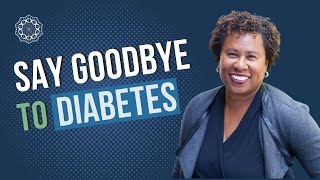
Dr. Beverly Yates, a former MIT engineer turned naturopathic physician, discusses diabetes care beyond medication. She emphasizes testing individual patterns through devices like CGMs, addresses sleep and circadian rhythm effects on blood sugar, and stresses avoiding shame in clinical conversations while tailoring interventions to what actually works for each person.
Chapters
Hello, friends.
Welcome to Perfect Practice. Today I am speaking to somebody who's become a dear friend over the last couple of years. We belong to a mastermind together called the Mindshare Mastermind. And we've been seeing each other in person for many years. And then all of a sudden, corona happened, and now we're getting ready to see each other again here pretty soon. I'm speaking today to Dr. Bever Yates, and Dr. Beverly is a naturopathic physician who specializes and really helps transform the lives of diabetics. The reason I'm excited today is because we're going to be sharing a conversation with you that straddles both sides of the fence. We're going to tell you what's trending from a practitioner's perspective and also what patients and their families need to know about diabetes. As we all know, diabetes is a global epidemic, and it continues to take many, many, countless lives and causes the suffering for millions and millions of people. However, as you'll learn today, there are so many things as practitioners that we can do to help our diabetic patients, even in the way we communicate to them. And there's obviously new trends and new technologies that have been introduced that I hope many of you can incorporate into your practices. And Dr. Beverly is going to be talking about exactly how she's doing just that. So Dr. Yates is a licensed naturopathic doctor, and she actually has a electrical engineering background from mit and she works as a systems engineer, and she's created the Yates Protocol using her framework. As an engineer, I love engineers. Engineers rule the world, as they used to say at my school. And they're always the ones innovating and creating new, cool stuff. Dr. Yates is on a mission to help 3 million people, so no small feat. And she's wanting to help people heal from type 2 diabetes and also pre diabetes. She's an internationally recognized speaker. You'll get a sense of how passionate she is once we get started here. And she's an expert in the field of diabetes and heart disease. She's a published author of Heart Health for Black Women in A Natural Approach to Healing and Preventing Heart Disease. And she's also a co author. This is a cool, fun fact. I learned about her with Jack Canfield, and the book that she co authored was called the Soul of Success, Volume 2. She's been featured in numerous outlets. Before we started recording, she was telling me about all the radio interviews and TV interviews that she's doing. And she's also got an upcoming summit where she's going to be sharing exactly how practitioners and patients can heal either clients or themselves, or at least have a meaningful conversation with their practitioners so that they can move their diabetes in the right direction. Beverly, thank you for joining me today. I'm so grateful for our time together.
Thank you so much, Sachin. I appreciate your warm introduction and your fellowship. You know, you're such a leader in the community and a lot of people look up to you. And I think that in today's world, what we really need are people who have both the facts, the data and information, along with the soul and the passion, the heart for the work. You know, the planetary issues that are going on with all the things with climate, with people's health, etc. Has really given us all a massive wake up call. And so we're answering that call, we're answering the bell to help lift people so that they can be healthier and happier and live long lives and live them well, not suffer as they get older.
I love that I get goosebumps as you say that. So it's very much in alignment with our philosophy and I know your passion to help people and serve people. Before we dive into diabetes, I'd love to know where this, this drive to help people with diabetes and heart disease, where did that start for you?
That's a great question. You know, it comes from two places. One was my observation of the changes in the clinical work I did from the 90s into the 2000s. I started to see this rising trend, like I'm sure all of us who do any work in health is seeing, of increasing numbers of people coming in with diabetes. Typically it was either pre diabetes or type 2 diabetes. I also noticed this trend where adults were showing up with type 1 diabetes, type 1 being the autoimmune onset for diabetes. And I thought to myself, whoa, what's going on? And then you look at the nih, other health sources for information, the cdc, and you say, oh, big trend. And it's in the US and it's frankly many places in the world, and you go, huh? Meanwhile, our tools and our knowledge and information wasn't necessarily at that time keeping pace in the 2000s. Now we've gone through the 2010s, now we're in the 2020s. Thankfully, we've got way more tools and way more information. What I'm finding, Sachin, is that the regular person does not really still understand what are some of the earlier warning signs, particularly for type 2 diabetes or pre diabetes. And even in the case of type one, people are just sometimes Completely surprised that something was wrong. And other people, often with eyes on, will send them maybe to primary care, urgent care, or an emergency room, depending on how bad things are. So to me, between the various gizmos and health tech that's available, and as well as people being clearer around their own symptoms, they might know something's wrong or a family member might recognize and flag it. And then for us as health professionals, making sure we're communicating with people clearly about blood sugar related issues and also validating their experience, not just blowing them off or dismissing them. Because I think a lot of people sometimes are reluctant to come to healthcare professionals because they may have had a series of bad experiences where they simply weren't listened to.
Yeah, it's quite unfortunate. And I don't know if you knew this about me, but I used to actually speak for the American Diabetes Association.
No, I did not know that. Perfect.
So I would go to various locations, they would have me go and speak. And then I quickly realized, and I don't know if this has been your experience or not, but I quickly realized that many people almost kind of succumb to the diagnosis and they just think that nothing can be done for them. And here I was telling them, hey, like, you can actually reverse this. Like, you can actually, you know, trend in the right direction and, you know, really slow things down or, you know, stop them and halt them. Reverse them if you want to. And unfortunately, I also learned that the American Diabetes association is kind of dependent on people having diabetes because if diabetes disappears, then they no longer have an association. Right.
It's a conflict of interest.
Yeah, yeah. So, so I actually stopped. I'm like, you know what? This is actually not where I want to be spending my time and energy. I want to be spending my time and energy focused on helping people who actually want to change, who actually want to create that transformation for themselves. And, you know, you know, I. I realize that sometimes patients who want to change may not find a practitioner who believes that they're willing to make the change. And they don't even get presented all the options because many times, many times practitioners will assume that the patient, this patient is not going to change. So they don't present to them what are the things that they can do to take ownership over their health.
Yeah, yeah, you're right. It's not our job to judge people. It's our job to offer them that full palette, that full menu of possibility, and make sure we have upped our game so that we can deliver that. And if we can't, Deliver it, refer to folks who can.
And just going back to your engineering career. So tell me a little bit more about that. Like how do you make the leap from being, being a engineer from MIT to going to naturopath at college? And how does that spill into the work that you're doing? That way of thinking?
Yeah, you know, it's interesting. I was working literally in Silicon Valley and, you know, at the time, I was just out of school, right? So I had an electrical engineering bachelor of science degree. I was good to go. Silicon Valley was where you should go. You know, this was in the mid to late 90s, and I found that I just was not consumed by the work the way I thought it would be. I've always loved science. I've probably as a kid and as a teenager watched every PBS Nova science show there was, et cetera, right? Like I was that nerd. And my love for science wasn't dimmed, but what I found was the realities. At least for me, as an African American woman working in Silicon Valley at that time in tech, it was just so isolating. My God, you know, literally, it was really hard to make any friends. People did not seem to want to interact with me or talk with me. The isolation just was not right and certainly didn't match the people side of me. Even though I'm a more introverted person, I'm not a zero vert. You know, I do need some connections. So then when we moved from Silicon Valley to the Silicon Forest to the Pacific Northwest, I found that I'm actually quite sensitive to mold. And I didn't know that mold could go on concrete until we moved to the Portland metro area. Portland, Oregon. So, okay. That set up the stage, though, for me to become ill. We had been renting a home. It turned out that house had black mold. We didn't know it initially, and I was getting sicker and sicker, clearly from the black mold. But again, not knowing about the exposure or its effects, I went to see an allergist for a year and he and or his nurse kept shooting me up with these injections. I kept asking what's in it. I'm a science person. I'm not scared by five or seven syllable words, you need to talk to me. And they didn't want to have any conversation. They just wanted to inject me with whatever was in the desensitizing allergy injections. And it wasn't working either. I. I was just as fatigued, headaches, brain fog, not feeling well. And I was used to feeling very vibrant I had been an athlete my entire life, all the way through mit. I played on the women's varsity basketball team, et cetera. So I was like, okay, I have no energy. I don't feel well. I'm having a hard time with clarity of thought. All these other things were affecting me. I was like, and I'm not feeling better after a year of this treatment. And we've got at least a year to go, and I still don't know what's in the mystery needle. So I then sought out another kind of doctor. I asked people questions. And my then fiance, one of his co workers, had said, hey, I'm seeing a naturopathic physician for very similar symptoms, and I'm so much better. And I said, great. I'd never heard of naturopathic medicine before. I was like, I don't care what you call it. If you're feeling better, that's for me. So I went to go check it out, and I was shocked. The man looked at me. He listened to me. He looked me right in the eyes. And we had a great first hour or so, initial consultation, and I saw him maybe twice more. We did some really straightforward things. He gave me some nutritional advice. We did some biofeedback, and we also did homeopathy. I'd never heard of homeopathy. Despite growing up in Philadelphia, which has Hahnemann College of Medicine, that Hahnemann, who founded homeopathy. I had absolutely no exposure whatsoever to it until my own health crisis. And all of those things, despite my complete lack of belief in it, they'd help me. And so I began to realize, hey, I, you know, when something helps you, it helps you. And there's more to this, clearly, than what I've been exposed to. I couldn't argue with how much better I felt. My energy returned. My clarity of mind returned. I've always been blessed with the energy of five people. All five people showed back up. It was great. I was really possessed. I was like, okay. So I decided to not continue the allergy. The conventional treatment continued on with naturopathic medicine. And I was just intrigued. For a year, I did some wildcrafting on weekends, as with wildcrafting herbalists in the Pacific Northwest, which was great. And I was still working as an engineer. So then when I realized I could actually go to naturopathic medical school and become a naturopathic physician, I just shifted career. So I went from problem solving with things to problem solving with people. And I feel a lot more satisfied now. This is a better, better fit for me.
I love That I love that. You know, it reminds me of my younger days when I had the. I had to choose a path. Yeah. And it was either I was going to go into engineering and computer science and solve problems for things as you describe it as. And all of a sudden I realized I really like helping people, and I could apply kind of a similar framework and a same way of thinking and looking at things to solve challenges that people face. And that's what prompted me to go into healthcare. So I love that, and I love how naturopathic and functional medicine is so investigative in terms of looking at the root cause and work together. Really, really trying to find where is this, where is this coming from and what are some of the patterns and trends. So, you know, kind of shifting gears. I know you've got. You've got a summit coming up. And through the process of putting that summit together, you've interviewed dozens and dozens of experts. And I'm sure you've learned a few new things, if not many new things. And what I'd love to do is kind of unpack some of those things. Maybe you can give us a sneak peek or a highlight reel of some of the things that you learned that you're going to start incorporating as a practitioner.
Absolutely.
And some of the things that patients need to be aware of, either available to them now or coming down the pipeline.
Okay, great. I'm happy to give you a sneak peek behind the curtains here for the summit. You know, it's very much an event. Right. So you bring together all of these experts and you have these different topics. And one of the things that I did strategically was to make sure that our diabetes summit was about what's going on now in the world of diabetes and talking about some of the topics that intimately and intricately affect blood sugar control, that aren't obvious. So it wasn't. And it isn't a summit that will be simply eat less and move more, because, one, it's not that simple for most people. Two, it's kind of insulting because people who take it seriously, who have prediabetes, type 2 diabetes, are already doing that. People for type 1, that's not even the conversation they should be in. So instead, we're looking at different aspects about sleep. I tell you right now, there are some new things that are in the summit talking about sleep and circadian rhythms and the epigenetic genetics and genomics around. That said, in plain terms, your DNA, what you've inherited from your mom and dad around your sleep, some of this is determined genetically so there's a groundbreaking session on that. You know, the person who led it did a great job and I certainly learned a bunch in terms of how that expresses and how it determines our sleep, and just as importantly, how it determines your blood sugar levels. Because some people have a hell of a time when they go to sleep. That's when their blood sugar goes nuts. And you need to be able to decode that and unpack it. So now you can take charge of it. Or if you're helping people and you're like, dang, why can I not help this particular patient? This is just a struggle. They seem to be doing everything right, but clearly things aren't right for them. Maybe around 3 or 4 o' clock in the morning, maybe they have what's called the simoji phenomenon, the dawn phenomenon. What can I do to help them with that? This ought to really give you just wonderful insights, probably not commonly known and science back. This is not, you know, it's not magic pixie dust. It's real.
So tell me about that dawn effect. You've piqued my curiosity. Do you want to shed some light on that?
Sure. The dawn effect, also known as the mochi effect, and I'm not sure I could spell that correctly. It's got sz and a Y in there. I know that the dawn effect, the dawn phenomenon, is one of those where in a healthy person, someone who doesn't have any kind of blood sugar issues, right around 4 o' clock or so, 4:35 o' clock local time, assuming you haven't been traveling through time zones, your blood sugars naturally, gently start to rise. Notice I said naturally, gently start to rise. Shouldn't spike. For some people, it spikes. They'll wake up with a fasting blood sugar, meaning that overnight they were asleep, they weren't eating, they weren't drinking, they were fasting. They wake up with a morning fasting, blood sugar that is high, and they're scratching their head going, why is my blood sugar in the 200s when I wake up? Why is it at 180, things like that, when it should be ideally, say, somewhere between 75 to 90 for good blood sugar control, maybe 70 to 90. The dawn phenomenon means that their blood sugar has spiked and then it hasn't really reset to come back down. Sometimes people will wake up and maybe they'll wake up with sweats. Maybe they'll wake up feeling startled. Maybe their chest, their heart is pounding in their chest. That could also overlap with something called sleep apnea, where they're not Breathing, because oxygen isn't optional. We got to breathe. Right. So if your body perceives that stress of not breathing, sleep apnea, apnea, meaning without breath while sleeping, then the two together, of course, your body's gonna release a lot of blood sugar because it perceives threat. It's fight or flight that's been triggered. Here comes a big spike of blood sugar. So you could have the dawn phenomenon independent of sleep apnea, but you could have both. So that sleep session does a great job. And there's another sleep apnea session that we have as well, talking about things to recognize with that, with a lens towards the male and female hormonal systems. Because there's all these interactions. Right. Not to make it confusing, but to make it clear. That way, those of us who are health professionals hopefully can recognize and do a better job of guiding our patients. And for patients and their family and loved ones, people who care about them can go. That's right. You've been saying that you wake up with your chest feeling like your heart's pounding and you're gasping for air or whatever, and recognize there are some really clear clues if you're listening to what people are saying.
Yeah. You know, this as. As my marketing mind is kind of churning here and as my clinician mind is. Is starting to, you know, the wheels are starting to spin. It'd be really interesting. And maybe you've already done this is creating almost like a quiz for people.
Yeah.
Or even practitioners, like a one pager that, you know, kind of asks these type of questions. Because normally when you person goes to see their practitioner, the focus is strictly on the biomarkers. Right. It might be 1C. Or if you're lucky, your doctor orders insulin and then you've got your, you know, your fasting blood sugar. But it's kind of stops there. Right. And maybe they talk about exercise and portion control or cutting out carbs. The obvious stuff. Right. The stuff that most people who are trying to fix this problem are pretty aware of or already might be doing. But they might not correlate what you just talked about. They may not correlate breathing issues with their blood sugar issues. They may not correlate waking up in the morning and, you know, just the spike in cortisol and catecholamines, causing their blood sugar to rise rapidly as opposed to rising gradually. What are some other things that. That people need to know? Or what are some things. Maybe we could phrase it in such a way that what are some new questions that you're going to be asking Your clients, or what are some new questions that practitioners should be asking their clients that can help them kind of put the puzzle together.
Yeah. So one of my latest journeys has been correlating data, health data from various gizmos. Whether it's an Oura ring or it's a Fitbit or it's a cgm, whatever, people are rocking and putting it together. And to get a baseline, I always think it's great to have a baseline, particularly when you can look at what are the days that I'm feeling great, what are the days I'm feeling average and what are days I'm feeling like. Then see if your health data correlates and find out which of the gizmos is most specific, most helpful for you, especially if you already know you have a blood sugar related issue. Right. So to put that together then is to figure out what's the most sensitive measure. For most of us, it's one or two things. It's not five things, it's not 17 things. It's one or two things. I found. For me personally, sleep is a sensitive thing and I have to protect it and guard it. And I've absolutely prioritized it. Right. Part of what got me on this focus for diabetes and heart disease was that my original clinical focus was heart disease. And because I saw so many more people coming into my clinic in the 1990s and 2000s with diabetes of some kind, I thought, geez, you know? And then of course, now I see people who have both and they're doing great because we've been working on all that inflammation. But meanwhile, the technology has moved along. And so in this situation, to make that shift on the background, it turned out my family side, my father's side, which I didn't know, I didn't grow up with my father and his family in my life. I reclaimed that relationship. As an adult, I found out that he and all 13 of his siblings had some kind of diabetes. On my mother's side, the big issues have been cancer of various kinds and heart disease. So guess I'm looking at my own gene situation. I'm going, aha. This was before. And as I was becoming a naturopathic physician, so I was appreciating, I was already on a healthier path. So for people to recognize what's going on, other things that we have for you in the summit is goodies, things for insights here, or as you're putting together your health data, find out what's most sensitive. It's usually going to be one of the Five pillars that are most sensitive, certainly on the lifestyle side, for blood sugar control, for diabetes. Nutrition obviously is the bullseye at the target. Finding out what nutrition works for you. Next on that I would say is sleep. Sleep is the foundation of all health. In order to be healthy, we have to rest. Humans, we just need it somewhere between quality, seven to nine hours of sleep, right? Some adjustments bookends as I call it. Teens and toddlers, they need more like 10 hours of sleep. The rest of us, it's more like seven to nine to awake, feeling refreshed and ready for your day. That carpe diem, you know, seize the day kind of thing. Stress, Stress is a real bugabear. I call it the bully in the room. It could grab you and slam you right up against your genetic vulnerabilities. It just stands people against the wall of their genes is how stress seems to express. It breaks the stuff for which we are vulnerable. And then regular ex exercise that you enjoy, that is comfortable for you. I don't believe in suffering and that makes sense. Sometimes people pound themselves out and they just work so hard and their muscles require so much glucose. And so you could get confused with the data around, let's say if you're using a continuous glucose monitor or if you're testing, using strips with a glucometer and see your blood sugar go up after you exercise. And some people might mistakenly think that that's a bad thing. It should be a temporary rise because you've had working muscles. If you're pounding yourself into the sand and you're working too hard, and many people, frankly Sachin, are working way too hard. If you find your blood sugar is not under good control, you find that you aren't recovering and resting, therefore sleeping well. If you find your appetite has just soared and you're not able to get good weight control, you really have to re examine the kinds of exercise that you do. In the summit, we keep peeling back the layers on the issues around stress, on the issues around sleep, on the issues around nutrition, applied nutrition, as I like to say. We look at the issues with the timing of meals and whether or not intermittent fasting is a good partner in different aspects of that. Metabolic issues, spiritual and emotional issues. We talk about emotional eating, we talk about quitting and detoxing from sugar. For those of us who just habitually add sugar like some people add salt and then looking at processed foods, where you go, that's a real cluster. You know what, that's a mess. You look at the label and you can't easily recognize those ingredients. I actually don't want it. How do you eat out healthfully? We have all sorts of topics here with the idea being to spark ideas and for people to recognize themselves, to get new information, to be able to have downloads and gifts from the other hosts that will be helpful. Insight, clue. And you just gave me a great idea when you're talking about the quiz, because I've had other diabetes quizzes out, but I haven't necessarily had one that wrapped in these things around sleep and all. So I'm going to think about this after we're done with our session because I think that there's an opportunity to help both the public, obviously, with the summit, along with health professionals. I am planning to offer programs for people after the summit ends, both for health professionals and for the general public to get people's awareness and skills level up.
Yeah, I mean, blood sugar is the basis for and really one of the foundational things that we want to track and stabilize. Right. So even if somebody has an autoimmune condition, fluctuating blood sugars is going to cause that to be exacerbated. If somebody's got a cognitive issue, fluctuating blood sugars is going to cause that to exacerbate. And so blood sugar, really, one of the things that we tell and teach our clients is that if we don't get your blood sugar stabilized or under control, then you're going to have this constant battle between insulin and cortisol and these two hormones, excessive amounts of them can be disastrous towards our health.
So they are powerful.
Yeah, exactly. And they're great for survival mechanisms. Right. Like storing fat and. Yeah, you know, and also helping us get away from something that's attacking us.
That's right.
Most people aren't being attacked. Right. It's a lot of it is perception or it's taking on too much or not learning how to say no or, you know, or a variety of other things that are contributing and adding to that bucket. And what I'm hearing from you is that less is more, right. So less stress, less. Less time awake. So literally going to sleep. You know, I recently recorded a video about how sleep is so important for helping us metabolize more body fat. And the number one pushback I got from people is what sleep. Like, my sleep is terrible. Right. So now people want to actually know more about how to sleep. Like, what are the things that they can do to sleep better? So do you have any tips around that? So if somebody is struggling with their sleep, what are some Things that they can do to help improve or optimize that seven to nine hours that they need.
Yeah, sleep. I'd say you need to have two lenses on. That one is understand that your daytime sets up your nighttime, your sleep time, whatever you can do. Avoid night work, night shift like the plague because it is the destroyer of health. There are so many studies about that. There's nothing good about a night shift and whatever you don't have rotating shifts around the clock. My mom and dad for the way they worked, my stepfather was a fireman and then my mom was a police radio room dispatcher. They worked around the clock and you could see over time the differences that that made in their health. Now we know. So that's one. The other thing around sleep that's so important is to set yourself up for success. Make sure you take that sleep as seriously as if you were when you were a little kid or if you have young children in your life now that you're parenting or co parenting or you're a guardian or whatever the situation might be. If you had a chaotic life as a child, I'm so sorry. It doesn't mean you can't claim a calm, reasonable life now as an adult, you will still need to do that healing work around any traumas and difficulties from your childhood. The good news is on the other side of that is some really excellent sleep. With that said, people need to have great habits around it. Going to bed at the same time, getting up at the same time, make sure you're dimming the lights in the evening, especially in that two hour window or so, maybe three hour. If you can do it before you go to sleep, set the stage so that your body, your soul, your spirit, your mind, everything's getting the cue for we're going to sleep. If you are the parent of young children or have ever been in that role, you or you remember your own childhood and your own parents were on top of their game as parents. You had a regular bedtime, it wasn't crazy before bedtime, right? You maybe you had a bath or a nice shower or a rub down, a wash down. You put on your PJs, maybe they read you a story. There was a predictable sequence of steps and then you put your head on the pillow. If you didn't have that as a child, I invite you to create that for yourself. Now as a full grown person, have a predictable set of things. By all means. Turn off all screens and devices off. Just turn them off. You don't need that stuff. At the last minute, don't look at the news. Don't go to bed on that. Don't go to bed on scary movies and have again the glow from the screen. Even if the gizmo lets you set it up so that it can reduce the amount of blue light it's emitting, don't underestimate the impact on that. Let your body bathe you in its own natural drop of melatonin from the pineal gland. One fun fact to share. Again, research has shown this. Unfortunately for a lot of us as we age. For some people, the pineal gland that releases melatonin starts to calcify and it doesn't release as much. That's why some people benefit from melatonin supplements and some people don't. That's one part of that equation. Come to the summit, you'll check it out. And on that day where we have the session on sleep and we're talking about circadian rhythms and sleep and blood sugar, all will be revealed around that. Just such rich, rich, juicy content, again, not commonly known. I'm really looking forward to promoting that part because I think this is where a lot of people struggle. Because, Sachin, you're right. People get in a health program of any kind and they're like, oh man, I got crappy sleep. What you talking about? That's the foundation of the program. How am I supposed to do that? They don't know how.
Yeah, the lighting, artificial lighting is such a potential detriment. Right. I mean, there's obviously benefits to it, but it's such a hugely overlooked thing. And you know, nowadays, you know, we're, we're spending way more time in artificial light. Even during the day, we're spending time in artificial light. And of course in the evening, the only time that only source of lighting would be the sun. But now when the sun goes down, obviously the moon, if anything, or even a campfire. And what I invite my clients to do, and maybe this was discussed as well, is if we think about the direction that light is coming from, that also plays an important role. Right. So during the day, lighting is coming from above head. And in the evening, if you're lighting a fire, like a campfire, lighting is coming from the ground up.
Yep.
And, and so even simple subtle things like directionality and obviously color, temperature make a huge difference. I remember when I used to live in a condo and there were a bunch of condos around us, so we'd have to drive by all of them to get to ours and you would just look into people's Windows in the evening. And you would see, like these 5000 Kelvin light bulbs on, like, full spectrum bulbs, just like blasting them. And I'm just like, I wonder if these people know that they're really setting up the stage for blood sugar, dysregulation, poor sleep, cancer, like a whole bunch of other things. It's true that they don't even realize. And unfortunately, something. This is why I love lighting and why I'm kind of like, obsessed about lighting is because it's something that can be set up once it's relatively passive and the whole family benefits. Yeah, right.
Yeah. It's straightforward stuff.
Yeah. So if you have toxic lighting, the whole family is being poisoned with this lighting, you know, this negative lighting source. Whereas if you have, you know, healthy lighting in your home, then everyone's passively benefiting without even knowing.
Right.
They're benefiting. So a few. About a year and a half ago, I replaced some of the bulbs that we use in the evenings with red. Red bulbs.
Yeah.
And the first time, I remember, I turned off all the overhead lights and I turned on these red bulbs and everyone's like, oh, it's too dark in here. Like, turn on all the lights. And I was like, give me five minutes. And then after five minutes, you could just see. You could just feel like everyone's nervous system is, like, totally calming down. And then I went up to the light switch and I turned it on and everyone's like, oh, no, what are you doing? Like, turn the lights off.
You know, that's a great experiment. And then that's a real gift. Right. Going forward, because then the point is made. People, your family, feels it in their own body, their own psyche. They're like, oh, yeah, cool, Doc, what.
Are some questions a patient should be asking of their practitioner? So they feel more empowered when they have that next appointment with their doctor.
Yeah. So one of the ones that comes up a lot, especially if someone already has a diagnosed blood sugar issue, like, say, type 2 diabetes. There's a lot of folks with type 2 diabetes whose A1C measure is somewhere in the sevens and eights. Let's say. Let's say it's 7.2 or 7.5, and it's been there for years. And they go to their doctor and now they see all this other information, let's say, about CGMs, continuous glucose monitors, and they say, doc, you know, I want a prescription for that cgm. And Zeus, like, nah, you're stable. Your. Your blood sugar, you know, your diabetes is well controlled. You're okay. And they go back for round two and they ask again, still no. And I'm like, look, listen, life is about results, right? You got to do what works for you. And if you are a person who has had stockage, you've been stuck at a certain level with your A1C and it's still not in a healthy range. It's not as close to a healthy range as you probably feel like it could be. Maybe it's time you get somebody else on that team. You might need to change your team in order to get the results that you want. Because if you keep doing the same thing over and over, it's not working. It doesn't really make sense to continue that path. It's been called insanity. It's been quoted as a famous quote, right? To continue doing the same thing, expecting a different outcome. So that's one scenario that's pretty common. I think having all the data in the world makes the difference. Sometimes people have blood sugar spikes or chronic levels of high blood sugar based on two or three maybe common foods that they're eating that the body perceives as something where it's a food sensitivity for them or perhaps a food intolerance. Not the same as food allergy. Food allergies aren't subtle. You know what your food allergy is. If you have a problem with shellfish or strawberries or peanuts, you know that it's emergency room and it's time for the EpiPen. I'm not talking about that. But sometimes people have these food reactions that spike their blood sugar. And if you have a CGM continuous glucose monitor, you have real time info, easy to get. You can scan it with your app and you'll know exactly what's going on. You go, oh, I can look at it 30 minutes after I've eaten or as a baseline, before you eat, scan 30 minutes after you eat, 60 minutes, 90 minutes, 120 minutes, which is two hours later, and see what's going on with your blood sugar. You'll find out what food or foods and combos of food are agreeable and keep you in a healthier range for your meals. Like say 120, maybe to 140, and it should come back down. When your blood sugar doesn't reset, you know there's something else going on that's keeping it at that higher level. It's not an accidental thing. Your body's not attacking you. It isn't broken. You just need to untangle. What are the things that are affecting you the most? Is it Sleep, Is it stress? Is it the foods you're eating? Is it certain kinds of exercise or intensities? You might find that strength training is beautiful and gentle for you. You might find walking is the thing to do. Maybe you had a stressful meeting, you're angry and you go for a walk and 20 minutes later you scan on your app or you use the glucometer and you test. You go, aha, my blood sugar came down. We can all find simple, usually free things to do that will bring that blood sugar down. But you first have to be aware that it went up.
I love the CGM and the value that it provides even in a healthy person because, you know, even if you don't have diabetes and it's something that you can have access to, it is a worthwhile investment of wearing one of these for two weeks because it'll give you some really good insights. And what I found interesting was my wife and I both wore one simultaneously and we, we have a pretty consistent, we have variety in our diet, but it's pretty consist consistent from kind of week to week. So we said, hey, why don't we wear this for a couple of weeks and just see how different foods affect us individually.
Sure.
And you know, there's this one particular mushroom burger that I really love. And you know, we both eat that. It used to be kind of a go to meal for us.
Right.
And my blood sugar would just go through the roof eating it and it would come back, it would come back down, whereas hers would stay pretty stable. And I was like looking at it and I'm like, oh my God, like, is this happening to you too? And she's like, no, mine looks pretty flat. And you know, so it was, that was a great experiment. And you know, because sometimes what happens, I feel like when you have two people or multiple people living in the same home, somebody may not necessarily realize that eating the exact same meal is going to have a different effect on the individual. So that to me is a great experiment and self study of ourselves to know what's affecting us. And I also had an interesting, another interesting thing happen. I had somebody get on a call with me, try to sell me something and it was just a really, you know, strange conversation. I won't go into the details, but it was a, it was, it was creating like a stressful response in me and almost like an angry response in me. I could see my blood sugar going up. And so stress as we, as we know and you know, is a huge, you know, contributor to elevating Our blood sugar. So sometimes, you know, for holding on to anger or where we have resentment or we have, you know, stress, emotional stress specifically, that's going to be something that's going to cause these little blips of blood glucose and then insulin.
Yeah.
We may not even realize it. So here we are exercising, eating a low glycemic diet, but then our stress is through the roof and we're not necessarily, you know, managing it as well as we thought we were.
Yeah, because. Because we didn't have the awareness. Right. That's why that saying of test, don't guess. It's true, friends. It's true. Test, don't guess. What if somebody's getting ready? Particularly if you are about to experience surgery yourself or if you're a health professional and you know that your patient or client is about to go through surgery, the CGM might be really insightful because. And prepare them, if they already have some kind of diabetes, to know your blood sugar will probably not be in a healthy place for a few weeks. So they're not shocked and they're not beating themselves up feeling like they're somehow have failed or some equally unhelpful, not true kinds of thoughts. Right. Like, we really need to help people with their own thoughts and how they're feeling about things and to give them quality information. You know, maybe they're going through a divorce, maybe they're moving, they might be happy and ecstatic, maybe they have a wedding coming up, whatever it might be. These things can be perceived as stress. Whether it's a good stress, a eustress, or a not so helpful stress, like a distress, we're still responding. We're human, we're dynamic, we're not robots.
You know, it's funny coming from an engineer, right? Like somebody who studies things that are highly predictable and maybe don't have like the consciousness that humans do per se. When you're working with humans, there's that layer of software and consciousness and experiences and emotions that really adds a fun twist to problem solving.
It does. Right. It requires more of us because there are some dimensions that we don't readily find in a test tube. Like where someone with their own spiritual expression, let's say, how are they doing with community? You know, what are their family relationships like? What's their intimacy and love relationships like? All of these fears can come into play. And the good news is that we now have insights that we didn't have before. And so the thing is, I want people to look for trends and not drown in data. Don't beat yourself up. If all of a sudden you see your blood sugar, it's just taken off in the moon and you're scratching your head going, what did I do wrong? That is not helpful thinking. That's not a helpful thought pattern or phrase at all. Health practitioners don't talk like that to your patients and clients. And if you are the one who has a blood sugar issue or family member of someone who does, please don't talk about it with this blame, shame kind of attitude. The same way comedians sometimes will use, say diabetes or asthma or arthritis, other kinds of chronic illnesses, as a punchline, which I think is always wrong. That's just me. I don't find that funny. I don't think laughing at people, it's just not my thing. We need to be thoughtful about how we express ourselves around an illness that someone has because they're trying to be as healthy as they can with it, to live long and to live well, to have that quality life. And some of that is going to be mindset and mental and we need to be part of the team that's helping them with it. And we also got to keep it real. Like for instance, I have a beloved uncle and he had been exposed to Agent rng, gone through Vietnam with two tours of duty. He was an officer in the army for the US as much as there was just so much wrong with that whole concept of a war and the war against Vietnam and the U.S. he had been exposed along with the people of Vietnam, obviously, and the other soldiers to Agent Orange. So not surprisingly, years later, he developed type 2 diabetes. But in all honesty, my uncle, sometimes when he would come home from work, if he came home late, because sometimes I was over at my cousin's house for a sleepover, he would stay up and eat a pint of ice cream zatchin. So I wasn't always sure. Later on, when type 2 diabetes got started for him, was it the pint of ice cream every night for decades at the end of his workday coming home, or was it the Agent Orange? Or was it both?
Yeah, we'll never know, right?
Probably the intersection he may have been particularly vulnerable. Who knows, it wasn't a problem his family had otherwise experienced. I think now it's important to not just have that simple minded conversation of eat less and move more. Because for a lot of people their metabolic situation has gotten a lot more complex. I think a lot of us are under much more perceived, in some cases real 24 7, 365 stress. People have financial stresses, they've got emotional stresses, they've got unhealed traumas, they've got this, that and the other thing. Some people exercising so hard and so harshly that, again, that can also, interestingly enough, contribute to a blood sugar problem. So am I saying don't exercise at all and sit and be a blob and stare at the wall and think good thoughts? No, I'm not saying that. I think that regular movement is something you enjoy for a reasonable amount of time and maybe once or twice a week, maybe the intensity you could ratchet up. It depends on how old you are and what your goals are. But if you're always pounding yourself every day, six or five or six days out of seven, and you're not sleeping well, therefore you're not recovering, like, we need emotional recovery, we need physical recovery. Right back to the conversation about sleep. So all of these things go together. They really do. So don't get overwhelmed, friends. You pick one, make it as good as you can, then go to the next one and you find out what's the most sensitive measure. I know in my case, sleep is probably my central thing. And then I think for me, the next thing is probably stress. I already eat well and exercise regularly. I've been doing that for a lifetime. Thankfully, it's easier for me to focus. And then I can look at my health data and say, okay, is this helpful for me or not? I'm finding personally, the information I get from, say, a CGM or from the Oura ring for me has been more accurate than my experience with the Fitbit. Now that's just me. Somebody else might find that the Fitbit is the more helpful thing or some other kind of health tech. I'm sure. As we're speaking right now, Satyam, there's more health tech coming out. I might think of something myself. You might too.
Yeah. You know, there's always great tools that are being made available and now even more affordable. Lately, I've been actually wearing a garment of evosmart. Somebody from our mindshare community actually suggested it, and I looked it up and I was like, you know what? Let me wear this for a couple of weeks and see how I like it. I'm actually enjoying it because it's giving me. It's got a little screen on it so I can get kind of real time input and feedback in terms of what's going. Going on in my body. And it's got a really cool feature called the body battery, kind of like our cell phone. So we can see how much we recharged the night before and we can see, you know, how it, how we're being drained at the end, you know, with, with certain activities.
Okay.
How it's, how it's taking energy away from us or draining our body battery. So I like, I like that form factor in the sense that it's really easy for someone to interpret. I love the Oura ring because of the sleep data that it provides, but it doesn't tell me what's happening throughout the day. It doesn't, it doesn't tell me like how much stress I'm going through. And what are those stressful activities.
Right.
Sometimes you could, it's certainly going to measure activity, but I could be sitting at my desk or I could be doing a podcast or I could be doing, you know, playing basketball with my son. And, and those things are going to drain me in a different way. And certain things are. And you know, certainly those are positive things. Right. Those are what we call eustresses versus, you know, negative stressors. And I'm having even a hard time thinking of one because I've kind of tried to eliminate as much stress in my life as I can. I think we can all think of an example, right, of something that is a negative stressor for us or going through a crisis or family situation and, and that's going to drain us a little bit differently. So. So yeah, so there's all kinds. And I just got, I just, it just reminded me to move.
Yeah, mine will be going off soon.
Yeah. So the cool thing about it too is. Yeah. So it's got like a haptic, you know, feedback and then I can enter my hydration status. So it's pretty cool because I can actually interact with it throughout the day. So like I said, there's all kinds of new stuff and like you mentioned that that's coming out. I do love the CGM for people who are looking to really optimize that self awareness and.
Absolutely.
Even if you're healthy, you're not struggling with diabetes or blood sugar related issues and you're, you know, you're a practitioner, put one on and you'll see the value of it instantly for yourself and your family members.
It's tremendous.
Yeah. And then that will be something that you can incorporate with your clients and, and people love data, believe it or not, and it makes coaching them so much easier. There's no more guesswork. Right. Like you're not guessing if they're only checking their blood sugar three times a day. A lot of that is going to be guessing in terms of what specific foods impacted them. But if you can kind of see it over a period of, you know, every 15 minutes, so you've got, you know, 96 blood sugar readings a day, you're going to have way more data to make more educated, you know, recommendations to them.
So absolutely, you'll see the trends. I'm telling you those trends are powerful. And then, you know, something I've noticed, like let's say I'm thinking of particularly right now a client I have who has type 1 diabetes. My big work with her was to help her with her blood sugar lows. Because with the lows with her cgm, her continuous glucose monitor, her insulin pump and all the other gizmos, it, it's an alarm, it wakes her up. The family's up to make sure she's okay, right? Because she's had a blood sugar low. Because In a type 1 diabetic, blood sugar can go too low. It's life threatening, right? So this is disruptive as heck. So she's up two, three times a night with this thing and it has this ripple effect, right in her life. So the thing we've worked on, we've had the success now is helping her to figure out what she needs to be eating at dinner time and then what kind of snack. Because she's one of the people and I rarely, I don't generally recommend snacks for people, but I make a complete exception for people who type one because we got to do something about those blood sugar lows. If that's an issue for them, we have to, right? We're not going to put somebody's life in jeopardy over some silliness around snack. It's dumb. You do what works for you. So we've been able to put together with her guiding the way and me helping her fine tune. What should that be? So it is blood sugar friendly, doesn't spike her blood sugar again. She has the CGM so we don't have to guess at it and it keeps her out of low. So lately her last time I talked to her, I think she had one in the course of three weeks. Whereas before she had this happen five or six nights a week. So that's one out of 21 days instead of 15 to 18 times out of 21 days. That's a dramatic shift. She's thrilled. I'm aiming for zero. So we're working on it.
I know you'll get there, you're well on your way, like woo, you know.
So that's why I'm saying friends test don't guess and keep at it until you get what you need to achieve that beautiful range of blood sugar control with the eye to get it to that healthiest range that you can get to and maintain. And if you have times where you fall off the track, don't worry about it. Life happens. Please don't beat yourself up, please. And don't let anybody else be disparaging or disrespectful. Just keep your eye on your target.
Great message. I really enjoyed this conversation. Before we wrap things up, I'd love for you to give one final recommendation for people to join the summit and we'll certainly post a link where they can register and join you, but give us some more details, the dates, what they can expect in joining.
Okay, great. So the Diabetes Transformation Summit is designed to help people update what's going on in the world of diabetes. We've got information that is relevant to people who have type 1 diabetes, type 1.5, which is latent autoimmune disease in adults, type 2 diabetes, pre diabetes. I'm going to tell you, if you've got prediabetes, don't sleep on it, don't take a nap thinking, oh, I'm okay, you're actually in mortal danger. There's a spectrum of blood sugar response. To me, prediabetes and type 2 diabetes really aren't that different. A lot of the people who show up later with Alzheimer's and dementia, dementia being the bigger category, Alzheimer's as a subtype are often thought to have type 3 diabetes to precede it. In other words, the kinds of blood sugar control issues they were showing up with earlier have resulted perhaps in dementia and. Or it's subtype Alzheimer's. Right. So most of the people I've worked with clinically, who then later on or I heard about too late, unfortunately, who had Alzheimer's, had pre diabetes, they didn't have type 2 diabetes, which really makes me really trying to get that message out. So folks with prediabetes thinking like, whew, it's like, not type 2 diabetes in terms of the degree of mortal threat you feel, please don't fool yourself. You need to be working on it. So all of us, let's get that blood sugar in a great range, you're going to learn things that are specific around exercise, resistance training, the use of health data, the intersection of diabetes and heart disease. Why that inflammation thing isn't just two plus two, but it's more like two times two times two times two. So instead of four, it's 16. You don't want overlapping inflammatory chronic illnesses if you can help it. You're going to learn about the magic that goes on in depth with sleep, you're going to learn with hormonal balance. You'll learn about men's health concerns, women's health concerns, and blood sugar. You learn about moods, spirituality. We even have a session on sound healing. We tried to bring it all to the table. So come, come join us.
Amazing. Well, thank you, Dr. Yates. So love your passion and enthusiasm for helping people and really excited for this transformational summit for diabetics. Where can people learn more about you? So if they wanted to, you know, follow you on Instagram or they wanted to even work with you, because I think you work with people remotely, if I'm not mistaken.
Yeah, we have programs for people remotely as well. Absolutely.
Okay, so where, where would you like us to direct them For Instagram?
They can go to @dr. Like the abbreviation for Dr. So @d r b E V E R L Y Y A T E S you can go to my website, D R B E V E R L Y Y A TES as well. The Connect Bear. And I'm on LinkedIn. I'm also on YouTube and I'm on Facebook. But probably the primary ways would be either come straight to the website and fill out the contact form there, or to reach on Instagram. I might branch out to some other social media. We'll see.
Amazing. Well, thank you so much and thank you all for tuning in today. So grateful for this time together. And here's to healthy, happy and balanced blood sugars and a healthy, happy, amazing life.
More from Sachin








Your Doctor Won't Prescribe This… But It's the Most Powerful Medicine on Earth

