Transformative Health Strategies for the Modern Practitioner with Holly Niles
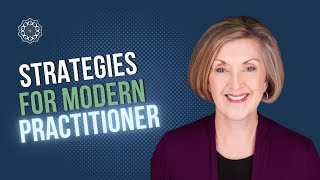
A recorded interview (YouTube) between Sachin Patel and practitioner Holly Niles covering Holly's background in nutrition/functional medicine and practical, clinic-forward advice. Key themes: macronutrient balance with emphasis on appropriate protein intake (clinical guidance ~4 oz / 28–30 g per meal for many mature patients), digestion considerations (stomach acid, chewing), recognizing signs of too little/too much protein, practice/business lessons (value-based pricing, boundaries, burnout prevention, hybrid brick-and-mortar + telehealth models), and the growing use of metabolic monitoring tools (CGMs, CGM+Oura integration) to prevent/treat prediabetes and improve sleep/blood-sugar awareness. Contact: Hollyniles.com; Instagram/Facebook: Whole Health Genie.
Questions this video answers
December 13, 2024.
Hollyniles.com.
Whole Health Genie (spelled G E N I E).
About 4 ounces (~28–30 grams) of protein per meal.
A five-day sugar-free challenge.
Chapters
Hello, my friends, and welcome to Perfect Practice. As always, we have a very special guest today. Today I'm speaking with Holly Niles and as you'll come to learn, she is an amazing practitioner. Somebody who has been in this game for a very long time, has seen many people come and go and has witnessed the rise of many influential people in the functional medicine world. Holly and I met many, many years ago and maybe almost a decade ago, if not longer than that, in Florida. And I still remember our conversation. We were in the pool at the JW Marriott at a Zymogen event and we just had a wonderful dialogue and conversation and have been friends ever since. And it's just wonderful to have you on the show today. I know that we're going to go and in a variety of different directions, but where I'd love to start with is, is first of all welcoming you and secondly, if you could share where your journey started as well.
Yeah, well, thank you. It's really a delight to be here today. My journey really started when I was 16 years old. I read a book called the Savior life Diet by David Rubin, who actually was most famous for the book everything you wanted to know about sex. What we're afraid to ask, that was his claim to fame. But sadly his dad had colon cancer and he began to do some research about the role of fiber, particularly Miller's brand, which we don't even hear about anymore. But this whole concept of fueling the gut, you know, the fiber of the gut, cleaning the gut out. I don't even think we had the language back then of even a microbiome or feeding a microbiome. But this idea of just eliminating became connected to colonics and things like that. This idea that maybe we could bring health back by in this case, cleaning the gut out. So that's really where it started. And that just led to, you know, that constant pursual of every health food store that was there reading more books. I went to work for a chiropractor very young in my career, which in my opinion, I know you have that training, Satchin, but in my opinion, I think they're really the original functional medicine doctors, right, who really were saying we're not going to be treating the symptoms or the pain. We're going to innate the root cause when we remove that. The body's wisdom knows how to heal. That's really what we think in functional medicine. So that really taught me, inspired me. The gentleman I worked for was a gifted, gifted healer and it inspired me to want access to that in Some way for me to become a practitioner in some way which took many journeys, acupuncture, even pre chiropractic courses. And it's a longer story that will make shorter to say that it kind of then landed me more in the field of nutrition. That seemed to be a good fit. When I lived in Canada, I did some training there, which then led me to do a master's degree and beyond. But I really kind of always had that interest in what we used to call health food. But this idea of, you know, it mattering what you eat, that the quality of what you ate impacted your health and that's really what started it all.
Yeah, it seems, it seems so obvious, but can seem so far fetched for some people that what we eat matters so much. As somebody who's in the clinical nutrition space, you've probably seen a ton of different fad diets come and go. And, and what I'm curious about is what's something that you learned, let's call it 40 years ago, that is still relevant today. That's timeless wisdom that you could offer us.
Well, I think the idea of the balance of the macronutrients, you know, yes, we have some special cases, perhaps seizure disorder or things where we might go to a more ketogenic diet, but in general, the body really needs all three. And the trends we've seen where we take one out or we make one the bad guy, we always get into problems. You know, probably most significantly, the fat phobia that we had there for quite a while where everyone had famously, every one remembers the snack. Well, cookies, right, they had no fat, but they were so high in sugar and processed food that I've seen some data that says that was really the roots of the epidemic of type 2 diabetes in America because everybody was not eating any fat, but thought it was just fine to eat boxes of these cookies. So to me, that's probably the most gross example of that. And the body is, to me, it's like this computer with this exquisite software. And when these foods come in, whether we're talking about a carbohydrate, a fat or a protein in their whole form, they have a message, it's like a match. So when it comes into the body, it's like a click, goes carrot. I know what that is, I know what to do with that. I know where it goes, I know what vitamins are in it, the fiber, et cetera. The same could be said for proteins. And I think that to me is just ancient wisdom. And it's always that way because those are real foods and that match with real physiology, real systems biology. So I think that's probably one of the most simple, tried and true things I've seen over time.
It almost feels like there always has to be some sort of superhero, macronutrient or super nutrient and there always has to be a villain, right? It's almost it, it's almost like a movie that's constant that, you know, that's constantly playing. And I'm curious like there's a huge move towards super high protein diets or what I might define as like really high protein diet. So I'm curious on, on your perspective. I know there's a big shift towards carnivore, like some people swear up and down about it and then we've, there's a lot of influencers now who are pushing a very, you know, protein centric diet which it sounds like to me what you're saying, it's, it's really all about balance without really hyper focusing on one. But I'm just curious on what your thoughts are about some of these trends that are currently pervasive in society.
Well, I think that sometimes a trend can be rooted in data and I think in the protein world, I think one of the takeaways that I think is a little bit of a shift is if we think about the protein needs of mature women, particularly in the post, even peri or postmenopausal, you know, we do know we have that tendency to lose muscle, maybe our digestive juices are not as dynamic. So I think the idea that they may need a little more protein makes sense to me. It's a shift from thinking the prime of your life, you know, having children, high career driven, that's when you really need that more focus of calories. But I do think that ensure women do better when we give them more protein. But I think again we always have to consider if we're going to be leaving something out. So for me there's always a balance plate. I do think an anchor of protein at every meal is incredibly valuable. Satiety, energy. I just know when clinically when I make that change for the patient example, best example is breakfast. You know, that sort of typical Canadian or American breakfast, right. It's like the donut and the fancy coffee. I mean really that just sends us into such a deficit that I often find just making a protein anchor at breakfast will just turn the lights on. It's like the engine gets running early and it changes how someone feels at three o'. Clock. Surprisingly to Them, right. That that makes a change. So I don't think we need to be having 6 and 8 ounces of protein at a meal. I think as again, in a mature person, we might be thinking about kidney health. You know, there's, you know, with every food we bring in, we know it brings us nutrients, but it costs energy to break food down. So we have to be thinking about that dynamic. So if we're having eight ounce steaks for every meal, that to me is a little bit of a heavy burden. Now, there's exceptions, a very high performing athlete, there's certain scenarios, but I think something in that sweet spot of maybe 4 ounces, 28, 30 grams at a meal, I feel pretty comfortable that that usually meets the needs and it usually is more than what people are eating to start with. So we'll get a benefit. That's kind of how I feel about it. I think you have to, you know, again, I think what it really brings up Satchin, which is interesting, you're mentioning the villain, you know, and the good guy. There's something about us. I think as humans, we kind of like this extreme, you know, like endurance, you know, event, even with food, like, all right, I'm on this really hard diet and you know, 22 more days and there's something about that. But everybody can do something for three weeks. To me, the magic really is, can you do something great for six months? You know, can. It does. It doesn't have to be scintillating every day. You just have to know that, you know, that that is enough wisdom, that's enough nutrients for the body to just run optimally. It doesn't need. We don't really need upgrades, right. Like our computers as humans, the same things that probably worked for my grandmother in essence would be true for me, kind of coming back to those basics. So that's kind of how I feel about the protein thing, you know, I think you just gotta keep it in check, you know.
Yeah, I think you bring up a few good points that are often overlooked is it's not just what we eat, right? It's how well we chew it, how well we break it down. Right. Breaking down proteins requires adequate stomach acid. And, and some people with perhaps digestive disorders or as we age, you know, it's harder for us to produce that stomach acid or if we're eating while we're stressed out, we're not producing as much stomach acid. Thyroid patients, right, don't produce as much. And so that undigested protein can backfire for people. And so I think what, what you're saying is that and, and please correct me if I'm misinterpreting this, is that we need the right amount of protein. And it just happens that most people aren't eating enough. So for the average person, they need to consume more to bring that ratio up to where it needs to be to provide sustenance for their body. But excess, you know, and, and some people don't realize this, but excess protein actually turns into fat as well. So, you know, we don't, you know, we, it doesn't always just turn into muscle. Whatever's left over has to go somewhere and it eventually turns, you know, into fat if we don't utilize it. So getting the right amount, I think is, is really what you're trying, is what you're getting at is that, would that be accurate as a statement?
Yeah, yeah, because I think, let's say the carnivore diet. Now, to be fair, I've had a couple of very chronically ill patients, you know, in the Lyme mycotoxin world who, for a short term, that was a valuable thing for them to do. But then of course, their liver enzymes started, started to go really high. So we know the body's a bit burdened, but what we miss there are all those beautiful phytonutrients. And to your point, I've seen this happen even with a continuous glucose monitor, where even though the glucose intake isn't super high, but the protein is very high, we'll get spikes. And while I didn't analyze for this person, what I suspect is happening is a little gluconeogenesis, right, where the body is saying, wait a minute. The brain's like, I need some fuel here, guys. So let's start renovating what we've got into what we need. And so I think to me that's that sort of sign that we've missed, right? We've missed something. And the body has such beautiful redundancy, right? It'll, it has all these layers where it can say, oh, I'll take the fats and use energy and I'll take the proteins and basically renovate those so that I have glucose. So I think again, that sort of comes back to that always tells me like, the body is like, I'm just telling you, here's my software, this is my program. You missed it. So I'm going to take over for a little bit, right, and try to get that in. So, yeah, so I think it's, it's, it's a goldilocks right. There's that, just that right spot of, of those nutrients to really fuel the bodies. So that's fair.
Thank you. So staying in, staying in the topic of protein, and then we'll, we'll move on. What are some signs that somebody's getting either too much protein, maybe they're not digesting and indications of that and, and not enough protein.
Well, the too much I don't see as often, but, you know, certainly I would look for, you know, any kind of blood labs that are coming back or urinalysis. Right. Sometimes people just feel really heavy. They'll feel like they ate the meal and there's kind of like a rock in their stomach. They feel like they can't really move for a while. Certainly changes in bowel movements that would tell me we've probably got too much protein. The too little protein cravings, for sure. I also sometimes see low energy, particularly when you can track. I need a nap at 3 o'. Clock. We gotta look at what you did for breakfast. Which is surprising to people because they're thinking it's a little closer in time. But to me, it's like we've dug a hole. Maybe lunch half fills the hole up, but we are still in a deficit. And so the body just says, hey, I'm shutting a few things down right now because I just didn't get enough fuel. So that's the common thing. I think sometimes too little can also lead to stuck weight, particularly for mature women. That's a paradox to them because this is my most famous idiom that I've learned from many years of being a female. But certainly as a clinician, most women, doesn't matter how educated, where they live, believe somewhere inside of them, if they just could not eat, they'll get thin. And that sounds very nonsensical, but I will tell you, I've seen it thousands of times. They just feel like they're ahead. They could skip a meal. I've got to be ahead. That's got to help. And I think that's the paradox that often happens for women. When I get them eating more, they'll send me this message like, I lost like three pounds. How did I lose three pounds? I'm eating way more than I ever ate. But here it comes back to me to that wisdom. The body's just saying, oh, we're fueled now. We got the metabolic engine running. So I feel really comfortable burning through this because you don't starve me now. We've got a rhythm here that I can use these nutrients. So That I think is also a common thing that surprises people is that sort of stubborn weight loss.
Thank you. Now switching gears. Maybe we'll come back to food a little bit later. But I know you've got experience in many other areas of the functional medicine world, worked for other organizations, you've run a practice of your own. I'd be curious, through observation and self reflection, what are some of the lessons you've learned about the business of functional medicine? Many of our listeners are health coaches, practitioners, nutritionists, people. Perhaps this might be a second career for. And you know, that's, that's where I think people get hung up. So I'm curious as to what you've seen work really well and what are some reflections that you have that you could share with the next generation of practitioners to come.
Yeah, I think what's very interesting about that, Sachin, is I've been also a mentor for the CNS community and everybody knows a story of a practitioner who's not really that great, but they have this thriving business, right. And then we know these ones that are so amazingly talented and somehow they can't get it together. So I think it's a very valuable reflection point. As I observed this, I think a few things I think that I've learned are important. I think really understanding the value of what you offer wherever you are on the spectrum. I think you and I have talked about this before, Sachin. It's not too grandiose to say in many cases this is the quality of someone's life. This may be the longevity for someone's life that we are doing. This is work that no one else can do. Whether you're a chiropractor, a doctor, a naturopath, a health coach, a nutritionist, a dietitian, we each have our own wheelhouse. But fundamentally changing how someone eats, lives, their body, the lifestyle pieces, helping to find those imbalances, this is not something you can find everywhere, which is why patients come to us. So I think the first thing is to be so clear about the value you offer, which then of course gets into the complexity of how much you charge. So that's something I've seen show up a lot, is that especially in the beginning, people are like, oh, I just starting, I think I should give it away. I'll just charge $20. And actually I've learned this from a few people, including you, Sachin, before is my philosophy is if you're going to give it away, give it away openly. I'm donating this because I want to from the Abundance of my heart. Give this care, give this service, or I'm being compensated for my knowledge. I think for me, that's been really helpful. Clear distinction, nothing gray in the middle like, oh, I'll give them half price, or that gets very muddy. Because what happens subtly is that you've now undervalued yourself. And I will guarantee you that will be the complaining patient. The one you discounted will be the one. Because we've kind of planted a seed to say, yeah, I have something to tell you, but it's not everything. It's kind of something. And that energy will get reflected back. That will be the patient who complains or says, you really didn't help me. And that, I think is a hard lesson to learn, because initially it seems like, how could I charge, especially when practitioners are new. But I think the value there is to say, even as a new practitioner, you have invested hours and time into learning your skill. And I'm going to guarantee you, you pretty much always know more than your patient. Right? You always have something to offer that they don't have, which is why they came to you. So that, I think, is really key. And I think having what I've had to learn is to choose where I want to put my focus. I just shared a story with Satchin before we started. So you getting support. So if you hate social media, don't waste your valuable time spending hours on social media. See if you can find someone to do that. I think that's so important because I just see so much burnout. I've watched it over the years where, you know, docs or, you know, other providers are getting sick because they're just doing everything, they're giving everything. And I think the other thing that the subtlety there is that. And this may sound simple, but we are not ER practitioners. We are not emergency. So if somebody has high zonulin in their stool, that is not a medical emergency. They don't need to know the minute, you know, you can wait. So I think also setting a cadence for what we're delivering and setting up these boundaries, that someone could wait till next week to learn that, you know, we have to kind of consider what we're sharing with patients. And I think the burnout piece is what I see really commonly. And those are some of the ways that I've seen that happen, you know, so I think kind of setting up, you know, those clear boundaries of time getting support, you know, invest in support. It may cost you, but it will save you in the end. I've certainly Learned that over my many years. And then of course, you know, getting a sense of what you are offering and the value because we can change someone's life. How many people have a job where they say that? So I think I always try to connect to the magic. You know, I'm very practical. We talked about nutrition, but I love to talk about the body, mind, spiritual part of things, the higher order of things. And so I think, you know, this is very profound work that we do because we, instead of coming into someone and saying, oh, you have this, take this for three weeks, come back and see me. We're sending someone on a soul task which says, you are now going to be operating in your life in a completely different way. What you do at Tuesday at 3 o', clock, how you get into bed, how you move your body and this. So to that end, I think it's really sacred work in the end, even though the roots can be very simple, like eat more protein at breakfast. So I think that's helpful to keep in mind to kind of set the, I think the context for how your business works. Now, let's be really transparent. Learned is the word I used. So, yes, I have made mistakes in all those categories and that's why I know that now, because I got really good feedback from the universe that said, no, that you're getting back what. Just what you gave out. And so those are the things that I think are meaningful to me at this point in my career.
Thank you. Yeah, that's really helpful because sometimes we feel like we're alone. And I love when people share learned experience because it's coming from, it's coming from the right place, it's coming from the experience, but also the lesson that you unpack from that experience so others don't have to make the same mistake, although they're welcome to. Sometimes that's the best way we, we learn, right? And I swear everyone thinks that they've got it figured out until they realize they don't. And that's where, you know, interviews like this and, you know, following and connecting with people like yourself, finding a mentor, right, finding a coach or joining a community can be really helpful. One, because it helps us realize we're not alone. And two, you can learn from other people's time and dime, right? So, you know, you don't have to spend five years learning the lesson if they can teach it to you in five minutes. And you don't have to spend all the money they spent learning that lesson if you're willing to be teachable. And coachable and learn from someone else. So I've certainly made many mistakes in running my practice. But that's also why I love teaching people, because it gives me the opportunity to prevent somebody else from making the mistake. And it allows me to turn these mistakes or turn these misfortunes into something positive for other people as well, because they don't have to make them.
Indeed, indeed. And I think that's always important because sometimes we have illusions. You know, I worked for Mark Hyman for three years and I would only have good things to say about Mark Hyman. It was a really exquisite time to learn. And I would say, you know, Mark definitely, you know, walks his talk, but if Mark were here, he would tell you, this is what I'm not good at. This is where I didn't line that up. Right. Oh, I got a little too involved in this. That didn't turn out. I mean, even someone like Mark, who, you know, is certainly seen and has had very profound success in our field, I think, you know, if you listen to him, he's very self deprecating. Right. He's very honest about, you know, his own journeys and things, you know, even his personal health journey. So I think it's always important to remember that, that sometimes kind of the what we see, they're probably like us in the end. Right. In terms of being a human.
Yeah. At the end of the day, we're all human. Right. And. And I feel like Mark has been very vulnerable with his, you know, things that he has really, they're personal. He doesn't have to share them with us, but he chooses to. Because I feel like, and I can't speak for him, but I know it certainly makes him more relatable. Right. And it makes us feel like, oh, okay, well, you don't have to be perfect and have even perfect circumstances for you to be passionate about what you do. And a lot of times the things that we feel make us imperfect are the very things we need to get passionate about so we can help other people, you know, in preventing, you know, the struggle and the suffering that we went through. And it's kind of going back to what I said earlier. It's the same reason I'm a coach. It's because I don't want people to know miss parts of their children's lives like I did. I, I want people to be at home as much as they can be if, if they can be because they're at home with their families. Right. And we create a smaller, you know, carbon footprint if we're traveling less and commuting less. And if we can do things digitally and do them as effectively and sometimes even more effectively, then why not, right? So I love that you worked with Mark. That's. That's super cool, super awesome to have, like, an inside insider's perspective. And it's great to know that, you know, he walks the walk and talks the talk and that he's humble. I think that's another superpower that a lot of great leaders have that have longevity. Right? There's people that come and go, but the people that have longevity, the humility that they have, I think is. Is really important as. As an. As a. As something to observe from my perspective.
Well, I think also what's quite interesting about that, talking about success in business, everyone thinks they know Mark when they listen to him. If you. If you ever stand. If you ever see him talk, people, like, line up. They feel like they know him. And I have a lot of practice. You know, patients will say to me, oh, I listen to Dr. Hyman, and he's created. And I think that is a powerful lesson because we all like to look good. I like to look like I got it all together, you know, that I'm eating correctly every day. I'm the nutritionist.
And.
And so that might feel like more of a risk to me to be a little more open, even with a patient, to say, hey, I had a bad day the other day. I got really stressed. I had three cookies. The irony is that we might think, oh, they're gonna think less. But I think the paradox to your point is even in a patient, doctor, relationship, or practitioner, of course we hold boundaries. We're not gonna tell our life story, but I think that makes us very approachable. And I think people are very receptive then to what we have to say. And because they're like, oh, they get it. They're telling me, and they get it. And I think that's something that Mark has really exemplified in that humility, because I've been with him in patient sessions. Patients are very responsive to him. I've seen him, you know, when his mom was living, you know, he. He really cared for his mom. If she called in a session, he would. He would talk to her sometimes if there was something up, and he would say to patient, can you, Susie? This is my mom? And when I. You know, when you might see that, you would be like, wow. Like, but that was his authentic self. And patients so were. So. They would, like, love him because they would feel like, oh, he's. He's a regular person like me. So I think that is sort of an additional takeaway in this world of business success is that there is a place for being authentic and, you know, showing some vulnerability in humanity. I do think that that makes us more believable. Right.
As a practitioner, you know, that story makes me like him even more. Right, that.
Exactly, exactly. Yes.
Amazing. So you've worked in a brick and mortar setting and you've also been online. I'm curious about the difference between the two from your perspective and any. Any wisdom that you can offer somebody who is going into the online space, for example.
Yeah, it's quite. They each have their own unique aspect. So the. The pleasure of being in bricks and mortar is, I really think, community. As a practitioner, that's probably the biggest takeaway. Yeah. And it's also quite nice to be kind of really sitting across the energy of a patient, like in person. But I think for me, what I liked the most about that was just community. You could go in, talk to another provider about something. You know, it just kind of created a collective energy. But I do think in the modern world, I do think the digital, you know, sort of telehealth piece really opens the world up to so many more patients. Because, you know, I have patients now who are like, oh, I could do telehealth. Oh, great. I don't have to get a babysitter. I could just have my kid watch a video. I can go into my office and I can have my session with you. All of a sudden, I become more accessible to them. So I do think the telehealth space, I try to be very mindful. This sounds a little esthetic, but I think it's important, you know, you've got it set up so you've got good lights, you've got background. So a patient really feels a warmth around what you're offering. I'm just not a green screen fan. No judgment if you use green screens, but I think other than maybe your logo, I just think there's something homey about kind of feeling like you're seeing someone in an office. Right. They've got this sort of dwelling where this experience takes place. And so I think in that sense, it opens it so many more opportunities. And then, of course, when you're starting, your overhead is very minimal. Right. If you just set aside your office, you don't have to commit. I don't commit to a bricks and mortar space. I have a really generous local colleague who I can just call her up and say, hey, got two people Usually they're older people who want to see me in person, you know, three weeks from now on a Tuesday. And she sets an office aside and I just pay as needed. But for me, my practice is probably 95% virtual. And then of course that offers a lot of flexibility. So I live in Florida most of the time, but my family's in New York State. So in the, obviously this, you have to determine this based on your licensure. In my scope of practice, I can do this so I can go up to New York State for a couple of months in the summer, set my office up, work, and still be able to interface with my family. So I think, you know, that's, I think one of the benefits of it. Yeah. So I think they each have their place, but I think you can create a really complete patient experience in each of them. Yeah.
Amazing. Thank you. Yeah, I think there is, there's definitely pros and cons to each. And I love that you've kind of have a hybrid setup where you can offer the best of both worlds. Yeah.
And there's a lot of, you know, practically speaking, if you look around, there's often offices you can rent by the hour. And so if you're trying to figure it out or find a balance, you know, I think that's an easy way to do that without having to commit to a full time space.
So, yeah, you know, where we started our practice and this is actually what started means in the coaching business for functional medicine practitioners is we found what we would now describe as a wework type of space. It was called intelligent office in Cincinnati, Ohio. And they have, you know, Regis is kind of similar but a little bit different. But essentially we would have beautiful grade A office space and you'd be able to choose one office in that office space. So these are usually, you know, converted, you know, corporate office buildings. And then you get the office where you can put. And it's all furnished for you. The Internet's provided, the front desk person is provided for you. So they work for everyone on that, in that little, on that floor or whatnot. And it's very affordable. It's like a thousand dollars a month. And sometimes people need that to get out of their house.
Fair.
Yeah. And so that's where we actually started. Uh, so it was, it gave us the beauty of being able to work with people virtually if we're in the office. But it also created that separation of home and work, which sometimes can be a blurry line for some people. Yes, I know, I'm, I at One point was very guilty of that, that I would kind of work and miss portions of my son's life. And now I. I'm very grateful. I get to set my own calendar and I'm able to even change my hour seasonally. So now that the sun goes down, my hours end an hour earlier. So I'm done by four most days here in the Eastern time, because I want to be available when my son arrives at home. That's the whole point of all this. And I want to be able to catch the sunset if possible. And I wasn't able to do that if I ended at 5 or if I ended at 6. So it's great to have that flexibility. And when people are working with you virtually as well, the beauty is they don't have to take time off work, you know, to commute and get to you, and it makes it very convenient for them as well.
Yeah, no, I would agree on all counts. Yes.
Yeah. So, Holly, from your perspective, what's. What are you most excited about in this coming year? New year is right around the corner.
Well, interestingly enough, you know, I've spent a lot of time really in gut health, which I'm still gonna put a big value on, but I've really been kind of regrouping to basics like metabolic health, just kind of. We'll give Dr. Casey means a little shout out for her book. Good energy and just I think looking at the statistics, it's quite sobering in certainly in North America. So I'm excited to start to kind of back up a little bit and kind of shift a focus from really complex patients to saying, hey, let's really try to reach more people with prediabetes, hyperlipidemia, these basic chronic conditions, because we have a problem. We have an epidemic right now that is growing. And as I said before, without coming from so much ego, we do have the answer. In functional medicine, we do this beautifully. It's one of our best outcomes. Right. Is really because most of those chronic illnesses are diet and lifestyle driven. So I think that's something we do quite well. So I've kind of simplified, I've backed up a little bit. I'm just running right now a sugar free challenge, a five day sugar free challenge. Just to kind of think about that. I'm looking, you know, into the year of, you know, continuous glucose monitors and really getting very practical with people to help them just begin to turn their health around at these really primary levels. Because I think, I just think there's such a need for it, you know, if you know every patient who comes to me, even I'll give, let's give cardiologists a nod. I will say there are more cardiologists that will say, quote, change your diet. So we're going to give a shout out for that. That's new. But otherwise there's not much feedback for these patients. It's just like, oh, you're going to do this and we're going to put you on this medication and off you go. And that, to me is a very big disservice because we are now sending someone down a path of multiple growing medications. We've all know this, we've all seen it. So that's kind of been my, my refresh is to say, wow, this, this is a. An area that maybe we've moved a little past, into some complexity and maybe want to back up and say, hey, let's put the, the word out. Like, let's just start with the simple things. You have a blood sugar issue, come and see me. We, you know, I can help you turn that around. So I think that's really what I'm looking at more, which if you probably asked me, even in the middle of the year, I probably wouldn't have said that. But now I think just my own study, I've been wearing continuous glucose monitor. So fascinating the impact of stress and such. And I think those, that's to me a lot, a perfect example of a functional medicine upstream view tool. Right. So before we were having these numbers, you know, by the time that fasting glucose gets high, we've been in the water pretty deep for a while. So I think the patients I've worked with are surprised and shocked at what they eat and what happens. Right. And so that, that's just one area that I think we can really help. It's right there. It's black and white. Right. It's them. It's real time. It's not me telling you three months later what I think you did. And so that, that's kind of where I'm sitting right now is let's come back to some real basics of how to really help people.
Yeah, you know, blood sugar monitoring is such a valuable tool. I had one of my clients, Lisa, came up to me and she's like, can you help my dad? He's a diabetic. And I'm like, well, is he willing to help himself? And she's like, no, he's just so stubborn. I'm like, well, he probably likes numbers. He probably doesn't like to be told what to do, but he probably wants to know what to do. So I said just get him a cgm, have him wear this. It'll gamify his dietary journey and he'll know exactly what he's eating and doing that's contributing to his high blood sugar. And within five days he was able to self regulate his blood sugar. She didn't have to say anything to him. And his insulin amount started dropping significantly because now he understood the rules of the game, right. When we're testing people once every 90 days or 120 days, like we don't know what they did specifically that caused that to happen. And it's an aggregate, right. Of all the, all the things that they ate at that point. But if they could find out in real time that, you know, sometimes just checking email will raise blood sugar. That's one of the things I discovered when I did mine. You know, a stressful phone call will raise blood sugar. Right. It's not always what we eat. And there's also bio individuality. Right. Which my wife and I did an interesting experiment where we both ate the exact same meals at the exact same time, the exact same quantities. And one of my favorite foods in the entire world caused my blood sugar to go up very quickly. It was a rice and mushroom patty and her stayed pretty flat. I'm like, what the heck? Like that. That doesn't seem very fair. I mean of course it came down within the appropriate timeline, but I didn't realize it would spike that much. And to see her stay pretty flat was quite fascinating. So it does allow us to kind of parse out individual foods or ingredients that are causing problems for people. And it may not always be what you think.
That is actually one of the coolest things about it. Satchin. I think because I have a colleague who's really never had, you know, a nutrition colleague, never had any weight issues, very slim her whole life. Coincidentally, I happen to have really good blood sugar control. Yes, I eat well but like I can stay like I don't go much above 100. I mean I stay really tight which you know, I have a different history. She on the other hand, the opposite. Like she had a glass of wine and her blood sugar went up to 189.
Wow.
So and so I think that to me is one of the tricks is that we tend to look at people to your point. That's the big mystery is we look at a slim person, we like, oh yeah, they're good. People think that about themselves. Like, oh, I don't gain Weight, everything's good. And if we see someone who maybe we feel is a little rounder, we're going to make an assumption. Or, or I bet you they have issues. But I have seen that happen so many times and I think that bio individuality is really amazing and valuable because it's like a false sense of security. Right. Or you might be worrying unnecessarily. Right. There could be both. So, so I think that example of you and Deepa is so, so, you know, profound to see. And that's why I think, you know, listen, people are used to now tracking data. Oura rings are popular Apple watches. So it's kind of in the, you know, the lexicon. So my thinking is, okay, let's ride that wave a little bit. Let's, let's bring people in in a way that's not just their steps, but let's get another metric there that is profound to their overall health, future health, avoiding chronic disease. Because we certainly know that blood sugar imbalances, as we know, that's the triad, right. We start with one, then we get to hyperlipidemia and then, you know, hypertension, often they come in a group. And so you know that if you think about that in the simplest way, that's a life changing moment. That's a life changing bit of information. So, so yeah, so I'm very curious and excited about that just to see, you know, just to reach out in a different way to folks too. And I know you work a lot with Metabolic health and in your group programs and such. So it's important, it's really important. Fundamental.
So yeah, what's, what's really neat and, and you, you might know this, but for the listeners is that Dexcom actually invested in Oura ring and they've created a partnership together. So now the blood sugar, the CGM data and the Oura ring data is going to be paired because as, as you and I know and probably many of our listeners know, blood sugar, dysregulation and sleep are very closely connected.
Yes.
And, and so it'll be interesting to see what, what they discover through this partnership. I would imagine it's going to verify what we already know. But now we'll have, you know, a short feedback loop for people to see. Oh, it's, this is what it is. You know, I had an interesting case study. A lady called me, she never, I haven't heard from her since because we fixed her problem. But she said, I can't sleep. You know, I wake up in the middle of the night. It's three o' clock and I just simply can't go back to sleep. And, you know, right away she had a few other telltale signs. I knew it was a blood sugar dysregulation issue, and I gave her just a few little things that she can do. And for the first time in as long as she can remember, she was able to sleep through the night. And it's so amazing how people think it's an. It's. It's an issue with their sleep when it's really an issue with their blood sugar. And of course, they could go to sleep specialists after sleep specialists and get prescribed all kinds of medications for it. But the doctors are barking up the wrong tree. And as functional medicine practitioners, we know that we've got to look at the whole picture and ask all the right questions.
Yeah, I think that's very profound. And again, it's not as highlighted because as I say, and to be fair, we like our new research in functional medicine, we like the interesting things that happen, and yet we come back to those foundations. We can definitely make some pretty amazing changes for folks in their overall health. So, yeah, it is quite interesting. And to your point, I think that's again, to come back to the idea we talked about getting a sense of what we offer. Nobody thinks like a functional medicine provider in a conventional world. Like, we literally even in the nutrition field as being trained through ifm. I'm still coming back and trying to get the sense of how this whole story fits together, which is unique. Most patients in a conventional realm, as we all know, it's like rooms in a house. There's no doors between them in a conventional setting. And of course we know it's just, there's just like a big hallway. Everybody talks to everybody. And so I think that's like such a perfect example. Satchin with the sleep and the blood sugar. Amazing. Yeah.
Thank you. Thank you. I appreciate that. Holly, this has been awesome. And I've always enjoyed our conversations, especially this one, because we had a chance to record it and share it with our fellow colleagues. If people want to learn more about you, follow the work that you're doing and, you know, kind of also support you. And in your business, where can people learn more about you?
Well, my website is very easy. It's my name, Hollyniles.com and I've just had a transformation in my social media. So on Instagram, I'm known as Whole Health Genie, G E N I E. And as well on Facebook now. So that's a story for another Day. But let's just say we're in a new paradigm with social media, with a new name, and so those are probably the easiest ways to connect with me.
I love it. Whole Health Genie. I love that. That's such a. That's such an awesome name. How many wishes do you grant?
Well, that's the thing. You know, there's always a little magic, right? And in the body, there's a wonderment. So I always like the idea of the genie. Right. There's this inner genie that we don't even always fully understand. So I kind of like that paradox, you know, of putting those two together.
So that's so cool. You need to get your magic lantern.
Yes, yes. And in some of the logos, I have a few different logos. It's interesting to kind of work with that. But, yeah, I mean, everybody. I think everybody likes the idea of a genie in a bottle, right? Granting a wish. So, you know, maybe your inner genie, right? That's what we're trying to do to access the inner genie.
So, yeah, it's actually a really great branding. I'm so excited to kind of see how it all unfolds. So many great metaphors and, you know, puns and all kinds of stuff that you can work with. So congratulations on that evolution.
Thank you so much.
All right, well, thank you again. Have an amazing rest of your day. And thank you to all of our listeners for tuning in today. I hope you found this conversation insightful and inspiring, and it takes you and moves you to take some action and again, learn from our time and our dime. Don't make the same mistakes we did. Go make some new ones so you can learn from them as well and share what's working and what isn't. As always, much love and light to each and every one of you. We'll talk to you soon. See you on the next episode. Bye for now.
More from Sachin








Your Doctor Won't Prescribe This… But It's the Most Powerful Medicine on Earth

