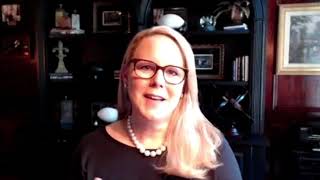
Webinar discussion (Mark Danolo and Jana Schmitz) about embedding disciplined account planning in sales organizations and how it reduces both internal and client-side politics. Key points: account planning is a respectful, evidence-based discipline owned by salespeople but governed by sales leadership and visible to executives via CRM; politics split into internal (conflicting goals, unclear accountability, scarcity-driven competition) and client politics (power/permission dynamics within the buyer organization); remedies include clear roles and responsibilities, living account plans in CRM, celebrating contributions, direct conversations to surface motivations, call planning for client politics, and leaders checking ego and enforcing accountability.
Chapters
Welcome everybody. Thanks for joining us. I'm Mark Danolo, managing partner of Sales Globe. We have been talking about account planning in the book Essential Account Planning during the series and right in the middle, we're going to be talking today about a great topic called politics, which something is something that everybody gets involved in or they don't, even though they don't want to. But we're going to talk about the causes of politics and maybe how you can alleviate politics in your organization. Jana Schmitz joining us, president of Harlan Clark. I've known Jana for several years and I admire Jana for what she's done in several companies that I've watched her run and worked with her as well over the years in terms of leadership and getting things done, actually making things happen in companies I think is pretty exciting. So, Jana, welcome. Thanks for joining us.
Thank you so much. I'm glad to be here. Mark, I appreciate you having me.
So I wanted to jump into kind of the big picture as we get started here and talk about vision and when we talk about vision, vision for account planning. So account planning fits within a bigger context in terms of the sales strategy. And what I wanted to ask you is when you come into an organization, how do you communicate the vision for what you want to happen around account planning and how that fits with the strategy? Because a lot of organizations aren't used to doing this. That might be a new thing for them.
If I can look back at my own career probably 20 years ago, it's when I had my first training about the importance of account planning. And it's life changing when you do it and you do it right. It takes time, it takes practice. And often salespeople think that it's intuitive, it's instinctive. You know, hey, I connect with people I can move deals across. And let me tell you something, nothing more important to you than planning and thinking through what you want to get done so that your instincts can, can kick into a plan. And so being your best, being natural is so much better accomplished when you have a thorough plan for how you're going to manage that account. So whenever I think about account planning, to me this is a disciplined process that shows respect to my employees, it shows respect to my clients that I care enough to think in advance about what we're trying to accomplish and that that's aligned with what the client wants to accomplish. And it is a sign of a first class company that does really good account planning.
So what if people aren't used to doing something like that? Is there a way that you get the message across to them in terms of why this is so important. Because I think it's the natural inclination of a lot of salespeople to want to get out in the field. You want to be in front of the customer. And like you said, you know, the natural thing is I want to build relationships. I want to be mixing it up. I don't want to be sitting back in a conference room with a bunch of people, you know, at the office.
Yes, the best way to inspire people to plan is to show them results and the way you will win as a result of account planning. Every time. I took the opportunity to plan well in advance and in fact mark some of the sessions we've had together where we broke an account down and thought through what's the best next step. Those are the accounts I won with very high predictability, with very high percentages of success. And so account planning is not just about getting down on paper what's in your head. It's about increasing your odds to win. And so to me, it is the best practice of a sales organization that is interested in winning, which is certainly what I'm interested in.
So who owns account planning? Ultimately, a lot of times we see it happening at the account level. You've got your account managers that may be doing it. Maybe it's a grassroots effort, or maybe you have somebody in sales operations that says, hey, you know, we need to do account planning. It's going to really make a difference for us. But it seems like it needs to be driven from a bigger vision higher up who ultimately owns it. And then how does that cascade down in terms of somebody setting the vision and then making sure that it's going to be actually happening in the organization.
So to me, who owns the process of accounting account planning is your head of sales, your VP of sales, whomever that is, that is the person who's accountable to make sure that the process is being followed in a disciplined and high quality manner. Your sales leaders are responsible for ensuring it's being done at an account level and that they are reviewing those in advance and that they're looking for the quality of planning that they expect from the person who actually owns the plan itself, which is the salesperson. The person is responsible for that client and for the opportunity is the one who owns the actual plan. But. But the VP owns the fact that the process is in place. The managers, the local managers own that the quality of the plan is high. And the salesperson responsible for winning that account is the one who develops the Plan itself.
Yeah. So it's not just something where it's kind of happening through osmosis in the organization or it's a grassroots effort. This is something that really has to cascade down from there.
That's right. In fact, I've had in place before things like if I want to see the account plan put into the CRM, CRM system so that I could go see it at any time historically or for account meetings coming up. I've had business reviews. I want to see those. So processes and practices that I consider to be ones that show evidence of a world class sales organization are things I want to see in my CRM tool and I want to see them for long periods of time. So if I say, hey, what happened with that account you saw a month ago? Tell me about that. I want to be able to go into Salesforce or whatever your system is and pull up that plan and see the quality of that. That plan, to me, that is, that is indicative of how much planning went into an important moment in time with that client.
So, you know, just by that statement, Jenna, you're saying something I think, we think, which is really important here, which is you at the helm of the company want to be able to go in and see what's going on in an account. So this isn't just happening within the sales team. It's not just happening within the account team. This is something where you have visibility all the way to the top and, and maybe put words in your mouth a little bit. You want to be able to see what's going on at any point in time according to a strategy, not just what's in the pipeline. But tell me, how are we doing according to the plans that we've developed for our biggest accounts?
I think it's very important at my level, at the president level, that one, we are market focused and that the client is at the center of everything we do and that we're earning their trust and that we don't waste a second of their time and if we've got an opportunity, that we are doing the kind of proper planning that shows that client that respect, that we are prepared, that we've done our work ahead of time, and that I as a president should be able to inspect that as a practice at any time. And that in fact the salesperson can also expect that I'll go to the CRM tool to find it and that they won't have to create a whole separate process just to prove to me that they've done this. So it's an exchange on both sides, that we are going to do the work, we're going to house the work somewhere that's accessible to the organization, which, by the way, helps to manage politics.
Yeah, so that's a great, great segue. And just tying off on what you're saying there. It's not like, oh, Jana's coming to town. We need to get our stuff together so we can show her what we're doing. You need to have that as a process that's happening with time so you have that visibility. I hear that comment a lot from leaders of companies, and they say, you know, I went to Chicago, we were visiting some major accounts there, and I didn't have any information on what was going on in those accounts. And I felt like it was just being put together at the last minute. I should have been able to review that ahead of time. I should have been able to be ready. I should have known what my role is as a leader with that account in terms of how I should be interacting with the executive. Issues are. So if you have this stuff live, it's a living account plan, then you're connected with what's going on.
Peter, it's literally today. Earlier today, I had a conversation with someone who said if they didn't have an account plan, they didn't understand the role in the account. Cancel the plane trip. Do not step on a plane unless you have that information because it is not worth your time. And it is disrespectful to my internal employees who are trying to support this sale, and it's disrespectful to the client, and I won't tolerate that. We need to have a plan, and it's just the basic expectation of great salesmanship.
Yeah, I think that that's a great point. So jumping into the question of politics, before we just start talking about politics, let's define it, because I think it's too easy to jump past that and say, you know, we've got politics, we don't have politics, or, here's what's going on. How would you, in the corporate context, in the business context, how would you define what politics is?
When I think about politics, you've broken it up between internal politics and client politics. And I think those are important to differentiate. Internal politics come when you, as a salesperson, in my experience, where you're working across an organization that has different goals. One of the most easy to think of examples is if you've got a product team or a delivery group that's responsible for delivering that revenue and they're being held accountable to grow that revenue through you, the salesperson, and they're pushing their product on you. Why aren't you making more sales calls? What deals are you pushing? And you, as the salesperson or the client manager are responsible for developing the client relationship holistically and looking for needs and opportunities that fit the client's buying agenda. Sometimes those can become at odds. So one part of the organization saying, why aren't you selling more? And you're saying, I represent the client needs. And at this time this may not be a need. And so you've got conflict there. And oftentimes you'll hear product leaders say, well, I need my own salesforce because your team's not pushing hard enough on my product. And I think that that's a conflict we get into is are we truly being client centric and thinking about what's important to them, Are we pushing products? And that is account planning is a great discipline to show that we are doing the right thing being client centric and it will lead to product sales.
So let's get into some of those causes. Then you mentioned differing goals. And okay, so that sounds easy to understand. It sounds kind of analytical. It's not emotional because politics gets emotional, right? So it's not emotional. It's like, okay, we've got different goals, let's get goal alignment. If you think about the different types of political behavior you see, what do you see as some of the causes under underlying causes of that? Which could be, you know, organizational, it could be customer could have to do with personal things. What kind of things come to mind, you see as drivers of that?
I think one of the drivers I see behind that is you mentioned hyper accountability. I think it can be both hyper accountability and loose accountability. So whether it's, I'm not really sure what my role is. So there's overlap and people get confused about who's doing what. And there's, you know, there can be undermining of you or a lack of support even. And then the other side is someone says this is, you know, I'm going to take over responsibility. And there's not that it's taking away the opportunity. And so for me, where I've seen it, politics really come into play is where accountability is not clear. Either it's, it's incorrectly placed and hyper in the one end or it's too loose and you're not getting the support you need. You're not getting the, the organizational support around you. And people do, you're right. Politics are personal. So it can become very, it can start to lead where people start to escalate to their leaders within siloed organizations. You start to see, you know, these groups aren't getting along together. You, you know, you forget what it's all about, which is better serving the client. You start wondering whose agenda are you following? And those politics start to become personal about, you know, I don't like working with this person or this person's not working hard enough or this person's not doing what they're supposed to do. And that can be really negative for a seller or anyone in the organization. When you're dealing more, it's more difficult dealing with the internal politics than it is dealing with your client. And that's where you've got to step back and figure out how do you resolve that.
So I think that is a nice balance to what we said before about the hyper accountability, which is the lack of accountability. And I'm thinking about a company we worked with a couple years ago and there was a CEO who did not like conflict. And below him you had leaders of the business units that were just going at it and I mean it was just ugly. And he would have a conversation with one of them and he think he'd have it figured out and then they would just go at it again. But he would never come down on them, he would never thing out and he was very loose and he ended up not being a CEO anymore. New CEO came in. But I can see where that goes both ways. You've got to keep that balance of accountability. Organization.
Yes.
Now the idea of scarcity, it seems like, and this may be just a perception, but it seems like an organization when there's lots of opportunity, things are busy, everybody's, you know, really and what they're doing, the politics starts to go down. When times are tougher, we're going, okay, well whose account is that? Whose opportunity is that? And this, this view of scarcity rather than abundance, like well we can find more that seems to contribute to some of as well does that. What do you, what are your thoughts.
On when there's not a lot of opportunity? There's high incentive for people to try to position themselves to be the ones that should lead the opportunity or lead the charge there. And you'll see seniority, you'll see personal preferences, you'll see people putting a lead into a CRM tool that would suggest that they were there first. You see a lot of behavior that is about how do I get ahead, how do I, how do I get that chance, or how do I get with the manager who's going to decide who gets to call on that account? And so I'm all about accountability. I'm all about clear rules and roles and responsibilities. And I think that's a really tough one where you're fighting out just who gets to call on it. And at the same time, you see that when that person or when the team that's responsible for leading the charge on those very few opportunities that come into play, you can also see negative behavior on the downside when you don't win, well, who's at fault for not winning those few opportunities? And you can see politics really start to rise up, like, well, this group didn't do what they were supposed to do. If only this had happened, I would have won. Because you're starting to position yourself for the next scarce opportunity. So those politics can both be in trying to win it as well as trying to reason why you didn't win it and leads to bad behavior.
So that plays right into the idea of account planning, at least in my mind, that if opportunities are scarce or perceived to be scarce, doing a better job of planning being strategic rather than opportunistic would make things better in terms of the organization's attitude, its perception. Because as we're looking at strategic accounts, we're finding things that we can accounts, we're looking at it from the customer perspective. So it would seem that effective account planning would deal with that to some degree.
Yes. You know, I remember a time where we had one of those fights over who got the opportunity to call on an account. And one person was like, well, I know this person, and hey, I've got a great relationship with that person. And then separately, this. Another person was saying, well, I don't know that person as well, but I do know these eight people. Here's the meetings I've had with them, and here is the research I've done and the concrete way of demonstrating knowledge about an account. The investment in the account is all about the planning. And so it's not about who you know is in a relationship. Like, hey, I had dinner at the club where the CEO goes or golfs, and I said hello to that person. It's the quality of the work done to win and to best serve the needs of that client. And I think you're looking for evidence of that investment by the strategic account holder.
I'm glad you brought up that word evidence, because that was the word that was on my mind, which is kind of funny. There was a sales Leader I talked to a couple of months ago, he said the way to be effective in an account strategy, account planning meeting. His people are always talking about all the opportunities they have, all the things that they're working on. He said you a simple question. What evidence do you have to back that up? Oh, we've been doing this, doing that. Okay, tell me what evidence you have. Take me through behind that in terms of granularity. And you said people will shut up very quickly or they'll actually have something there. Because you tend to see a lot of chest puffing, a lot of bravado or avoidance behavior in account planning. And so you really cut through that.
Yes, that's right.
So when you get to other pressure points in the organization around politics, you've got a lot of functions, you talk about different goals. You might have marketing, you might have operations, you might the innovation team, sales, certainly finance. Do you see any particular pressure points organizationally that tend to come up between certain functions or certain groups like finance always wants this or product marketing always wants that. Are there any watch out points that you.
Yeah, yeah. It's so funny because the glory of winning is there's a lot of people who want to participate in that and who generated the lead or opportunity. At what point does it become someone else's opportunity to work? What is the pricing? You know, who generates the pricing and the, the proposal terms and the who does the presentation and who actually won that account? Because if that strategy person who has deep expertise hadn't come in at the end, we would never have won the account. And so everyone's roles being clearly outlined I think is really important. And it's something that even for me, I literally took a hundred yard line and I said, okay, who's playing what role at the 10 yard line and at the 20 yard line depending on where the opportunity is. Because you've got to. Well, not everything can be that black and white. You have to reduce the amount of gray and you have to know people's roles and responsibilities and accountabilities during the processes so that you focus more on winning the client and implementing the client and celebrating the client and delivering the client than you do fighting with each other over who did what and that. The clear roles and responsibilities and where those handoffs are. The baton being securely taken from one hand to the other is really, really important in the internal politics of this.
So I love the sports analogy. I've used basketball, college basketball as a metaphor for account planning a number of times. So I'll show my allegiance But I want to make a point and get your reaction to it. So I was up at UNC Chapel Hill, North Carolina, a few years ago for my 25th business school reunion, which was shocking.
Crazy. Yeah.
We looked around and we counted the number of. That actually looked somewhat like they looked 25 years. One of the things we got to do is we got to tour Dean Smith center, which is the big basketball. And they have all these motivational sayings up on the wall, like, you know, a sign of success is. Or it's amazing what happens when nobody.
Cares who gets the credit. Yeah, right.
But in the debrief room, where they have all the chairs up, the bleacher chairs and the screen where they watch the films from the games and the players go through and they talk about what happened. And there's a little scoreboard on the side wall. And what's on the scoreboard is the name of the opponent. And there are a number of different metrics in the game, like number of assists, number of rebounds, takeaways, that type of. But the one thing that's not on there, the one metric that's not on there is actual points to the players get scored on the things that they did to contribute, but not on the actual score. And I thought, way to look at it. We're not keeping score just on the end result. It doesn't grabs credit for it, or if you hot dog it, you want to make sure you're doing all the right things in the game or in the account. And it seems to me that, you know, that's somewhat what you're talking about. It's like doing the right things, making sure that. That we know who's executing what plays at what points in time.
It's funny, at Harlan Clark. I've only been back at the company now almost a year, and one of the things I love about it is the celebration factor includes everyone. The person who, you know, helped with the pricing, the person who stayed up late at night putting that proposal together, you know, all those things, all those players are really important to the win. And that I look at the salesperson as the conductor of the orchestra. And they've got to bring everyone together. They're ultimately held accountable for the win or the loss, but they can't do it alone, as you just said. And celebrating everyone's contribution is one of the best ways to get over politics, is everyone knows you win together and that you celebrate that and you appreciate that. I was a psychology major who went into sales, and I think that that's A part of what I do is I try to step back and think, how does everybody win? How do I get an organization where I'm not winning? We together are moving the ball forward and winning. And so I think that's important for the salespeople to remember what they're really trying to accomplish is the win. So now step back and think, how do you accomplish that?
Yeah, big, big lesson in that. So understanding how we get to the win, who needs to contribute what? And celebrating as an entire organization.
Yes.
I don't see enough of that happening. So let's get to the individual for a minute, which is, we talked about things like commonality of goals and a number of other areas, but something's not going right. And you actually have individuals that maybe are showing patterns of political behavior. And you get down to the level of, okay, why is this person acting this way? Is there something in their personality? What's driving that? How do you deal with those situations where you have individual bad political behavior that maybe seems like it's not correctable?
Yes. So I'll respond to you how you should do it. I am not representing this is the way I've done it every time, because we're all human and we want our way. But if you can remember, it's about winning, it's about, you know, accomplishing something. I found, first and foremost, go to that person and talk it through and say, and try to align interests and try to understand what is creating their concern. And if you can do that, I promise you. Again, not saying I've always done it, but I am saying that every time I have. And every time we had the opportunity to talk about the conflict, we always were better for it. We reduced the amount of stress and conflict every single time. And so I think addressing recognizing it and not escalating it is one of the first things I would say. Talk to the person, talk about what you're sensing from that person, and don't escalate. If you start getting each other's managers involved, et cetera, then it's a lot more complex to try to de escalate and to try to resolve the issue and keep the focus back on moving the client forward.
Yeah, I love that point about we're all human and we tend to get into the game and we're, you know, we're trying to win. And some people are using basketball analogy. Some people are trying to block other people out. It's not avoiding the conflict. It sounds like what you're saying is you're actually having very Direct conversations. Imagine it's whether it's a peer or whether it's somebody who's a subordinate that you just open that up and have very direct conversations.
Appear a subordinate or a manager. A lot of times I think that I have seen people trying to understand how they add value. And in a sales opportunity or in sales organization, if you're not adding value, you're just overhead, you're just SG&A, you're just cost. So people are looking how they can, you know, participate, add value, and, you know, claim some of the glory there. And so if you understand what's driving some of that, they literally could be fear of not having a job. It could be fear of becoming irrelevant and realizing that that is leading to some of that bad behavior. Talking it through again and what's behind it and talking about how they can play a role in helping you win is, in my opinion, the best way to go about it. If you really feel like the role itself is not necessary to the process, that's something that you could talk about with your leader to say, you know, I think that this is not adding value to the client. It doesn't matter if it adds value to you. At the end of the day, the people that judge us, people who pay our checks, are the clients in the market. So you have to step back and impartially view if that process is adding value to the client and to the market. But as long as the presumption is that it is, you've got to find a way to reduce some of those concerns, reduce some of those fears, and collaborate to move the ball forward.
Awesome. So let's talk about customers for just a second. Obviously this is all about the customer in the end, but in terms of politics on the customer side, and we tend to think of our own internal politics, but a lot of times we deal with customer politics. How do you sensitize the organization to what might be going on within the customer? And I'm assuming these are customers that we know well, they're strategic accounts. So, you know, we can get caught up in their politics. So we have to be aware and sensitive and approach that correctly. Any words of advice about how to look at that?
Absolutely. So when I think of internal politics, that's very stressful and is difficult. And having a plan on behalf of your client and for yourself is very important. Client politics are, to me, kind of fun because you're navigating a way through, but they're dangerous. And if you don't have a plan, you are a fool. You will lose. You have to think of every chess move to me on how am I going to get this buyer who doesn't want me to go outside of their area to allow me to go to the CEO or allow me to go another part of the organization, because they will consider that risk to them or whatever their issue is. The only way you navigate that is through call planning and literally thinking about, how am I going to say that so that I reduce their tension and I am allowed to politically make a move, whatever it is, winging it in high politics situations with the client is very dangerous and can set you back without, let alone not move you forward.
Yeah, that could be a whole topic itself. Navigating client politics. So, last question, Jenna, one bit of advice you would give to a leader who maybe is dealing with politics in their organization and what to do about that.
Yes, if you're dealing with politics, I would say first and foremost, check your ego at the door. Politics escalate when you start to say, how do I win? How do I get ahead? And if you put yourself first, you never will. So check your ego, step back and think about how am I best representing my client and how do I get my organization around that? Because as long as you are altruistically trying to do its best to move an opportunity forward to help the company win and to help the client win, that true sense of altruism will come through. If it's all about you, it's never going to happen, and the conflict is only going to rise, and it won't. It won't be allowed to continue indefinitely. So check your ego. Think about what, what's in it for the other person? How can you reduce the tension that person must be feeling that is causing the political situation? And how can you get them on your team and not, you know, I'll say your side, but let's say your side is the client side. How do you get them on your side so that you're moving forward together, put yourself in their shoes, is very important. And by the way, never ever forget, it's happening. Politics are happening all the time. So if you naively and boldly charge ahead thinking you're just gonna run over it again, unsuccessful, check your ego, recognize sensitively these are happening, and address it head on in a way that helps people get aligned and around you.
Sounds like a microcosm of life. Life lessons there.
Yeah.
Janet, thank you very much for joining us today. We appreciate your input. I'm sure everybody's learned something from. From what you have to share with us.
Thank you. Thank you, Mark. And thanks for all the support your great company does for my career. I appreciate it. Thank you.
Thank you. Thank you. So for our viewers, you've got your to do list here. Go out and get the book. You can get your team aligned. It's on Amazon.com you can host an essential account planning session in your company, have one day to better account plans. Get your 3 and 30. We can answer your three toughest account planning questions or sales effectiveness questions in 30 minutes. And then check out our next webinar. It's going to be on May 18th and it's going to be on Setting the Goal. Thanks for joining us, everybody.
More from SalesGlobe







Sales Compensation for Results - Course 1: A Strategic View on Sales Compensation - Trailer


Freative Friday - Episode 98 - Insight in Your Hunt for The Revenue Roadmap Pt 4


Freative Friday - Episode 97 - Insight in Your Hunt for The Revenue Roadmap Pt 3